

We work with China Magnesium Materials Association(CMMA) and Magnesium Oxide Association(MOCA) in North America to raise awareness and promote the use of magnesium oxide cement products. We focus on the quality control and consistency of the MGO products. We have been actively involved in developing American Society for Testing and Materials(ASTM) standards related with MGO products.
Why Choose Us
Our Factory
Our Mgo Board factory occupies an area of 100 thousand square meters with a total construction area of 60 thousand square meters. We have advanced production line with automatic raw material feeding system.
Our Products
Our primary products are Magnesium Oxide Boards(MGO Board) for construction and laminated MGO boards for furniture and decoration.
Sales Market
Our products have been exported to United States, Canada, Australia, and Europe.
Professional Team
Our team is highly experienced, dedicated, and committed to providing exceptional service and support to our customers.
-
![MGO Board Based Interior & Exterior Decoration Panels]()
MGO Board Based Interior & Exterior Decoration Panels
Add to Inquiry -
![One-Stop MGO Board Product Supply]()
One-Stop MGO Board Product Supply
Add to Inquiry -
![MGO Sandwich Panel Wall & Roof System]()
MGO Sandwich Panel Wall & Roof System
Add to Inquiry -
![Integrated MGO SIP Panels Construction Solution]()
Integrated MGO SIP Panels Construction Solution
Add to Inquiry -
![Complete MGO Board Wall & Floor System]()
Complete MGO Board Wall & Floor System
Add to Inquiry -
![MGO SIP For Rapid Construction Of Temporary Buildings]()
MGO SIP For Rapid Construction Of Temporary Buildings
Add to Inquiry -
![MGO Floor Board For School Hospital & Public Buildings]()
MGO Floor Board For School Hospital & Public Buildings
Add to Inquiry -
![MGO Board Wall Panels For Hotel & Apartment Renovation]()
MGO Board Wall Panels For Hotel & Apartment Renovation
Add to Inquiry -
![MGO Flooring For Villa, Office & Industrial Workshops]()
MGO Flooring For Villa, Office & Industrial Workshops
Add to Inquiry -
![MGO Sandwich Panel For Cold Storage & Clean Room]()
MGO Sandwich Panel For Cold Storage & Clean Room
Add to Inquiry -
![MGO Panel For Exterior Wall Cladding & Facade]()
MGO Panel For Exterior Wall Cladding & Facade
Add to Inquiry -
![MGO SIP Panels For Prefab House & Container House]()
MGO SIP Panels For Prefab House & Container House
Add to Inquiry


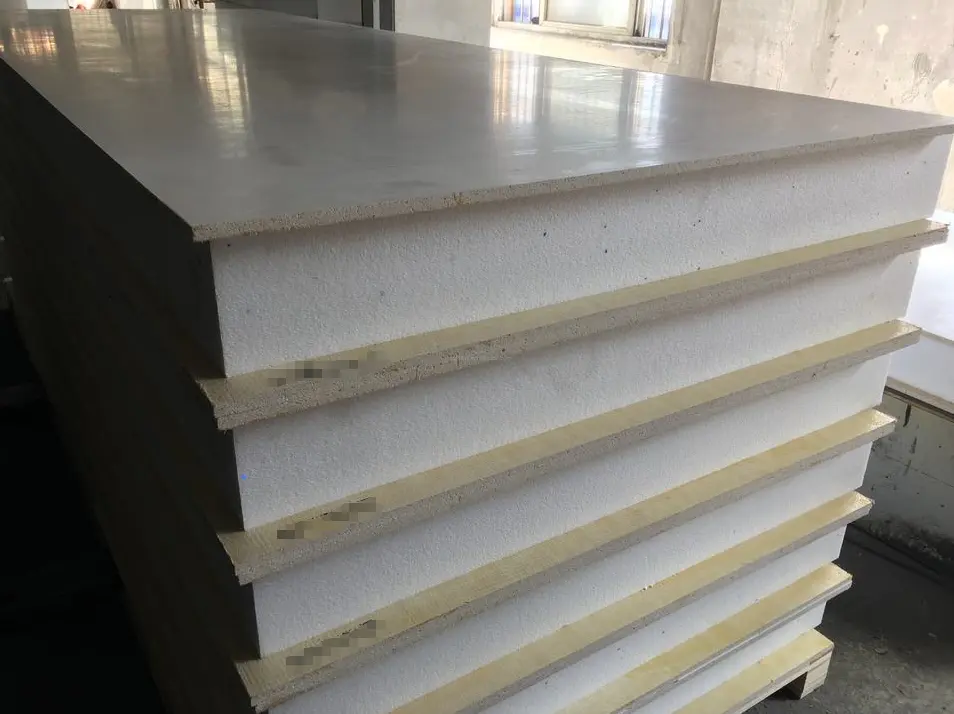

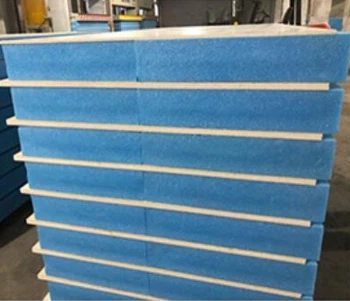


Advantages of MGO Board
Fire Resistance: MgO boards are highly fire-resistant, making them a safe choice for construction. They don’t contribute to the spread of flames and can withstand high temperatures.
Strength and Durability: MgO boards exhibit excellent strength and durability, making them suitable for various structural applications. They can withstand heavy loads and impact, resulting in long-lasting performance.
Moisture and Mold Resistance: MgO boards are resistant to moisture, preventing the growth of mold and mildew. This quality makes them ideal for high humidity or water exposure areas.
Chemical Resistance: MgO boards resist various chemicals, including acids and alkalis. This property ensures their stability and longevity in environments with chemical exposure.
Thermal and Sound Insulation: MgO boards offer good thermal insulation properties, helping to regulate indoor temperatures and reduce energy consumption. They also provide sound insulation, reducing noise transmission between spaces.
Eco-Friendly: MgO boards are considered environmentally friendly due to their use of sustainable raw materials and low carbon footprint. They are often recyclable and contribute to green building practices.
Types of MGO Board
Plain MgO board
A plain MgO board refers to a standard MgO board without any specialized surface treatment or decorative features. It is a versatile building material used for various construction purposes.
Acoustic MgO Board
Acoustic MgO boards are commonly used in spaces where noise reduction is essential, such as recording studios, theaters, conference rooms, hotels, hospitals, and residential units located near busy roads or noisy areas.
Homogeneous Pigmented Board
Homogeneous pigmented boards find applications in both residential and commercial settings, particularly in areas where aesthetics and durability are important factors. They offer a visually appealing and long-lasting solution for interior design projects.
What Are The Uses Of Mgo Board?
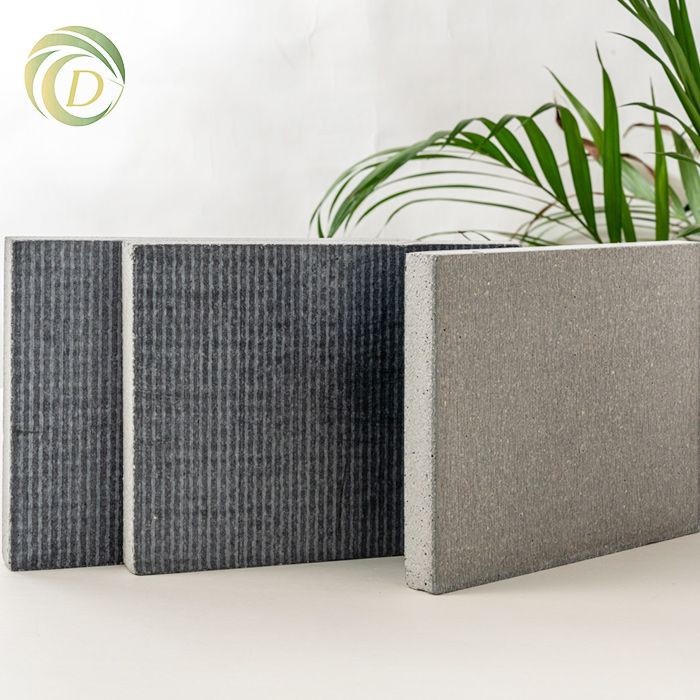


Mgo Sheathing:
MgO sheathing is a standout application for this versatile material. It serves as a robust and durable substitute for traditional sheathing materials like plywood or gypsum board. MgO sheathing provides an excellent base for exterior walls, ensuring structural integrity while offering resistance to moisture, mold, and fire.
MgO Backer Board:
In wet areas such as bathrooms and kitchens, MgO shines as a backer board material. Its moisture-resistant properties make it an ideal substrate for tile and stone installations. MgO backer boards not only provide stability but also contribute to the longevity of tile applications in spaces prone to high humidity.
Floor Underlayment Subfloor/Subflooring:
MgO's high compressive strength and stability make it an excellent choice for floor underlayment subflooring. It provides a solid foundation for various flooring types, including hardwood, laminate, and tile.
Floor Underlayment:
Beyond subflooring, MgO serves as an effective floor underlayment material. Its resilience and stability contribute to a smooth and durable surface for different floor coverings.
Interior Walls:
MgO extends its versatility to interior walls, providing a stable and durable surface for finishes. Its resistance to mold and mildew makes it an excellent choice for interior spaces where maintaining air quality is crucial.
Exterior Sheathing:
When it comes to protecting structures from the elements, MgO excels as an exterior sheathing material. It offers enhanced weather resistance, ensuring the longevity of the building envelope. MgO's durability and stability make it a reliable choice for exterior applications in various climates.
Roof Sheathing:
MgO's robust qualities make it suitable for roof sheathing. Its resistance to fire and moisture ensures the structural integrity of the roof, providing a secure and durable foundation for roofing materials.
Method of Manufacturing MgO Board
Step 1: Raw Material Preparation
The journey of MgO board production begins with carefully selecting and preparing raw materials. The primary ingredients include Magnesium Oxide (MgO), obtained from magnesium-rich minerals, and Magnesium Chloride (MgCl2), a strong binder.
Step 2: Mixing and Blending
Once the MgO Board raw materials are gathered, they are combined in precise proportions. The Magnesium Oxide and Magnesium Chloride are mixed in a controlled environment, forming a homogeneous paste-like mixture. This process ensures proper binder distribution and optimal bonding with other additives.
Step 3: Forming and Shaping
The well-mixed paste is poured into molds or onto a flat surface, depending on the desired board thickness and dimensions. The mixture is spread evenly and leveled to achieve uniformity. A continuous production line feeds the paste onto a conveyor belt for thinner boards and gradually solidifies.
Step 4: Pressing and Compaction
A pressing process is employed further to enhance the MgO boards’ structural integrity and density. Hydraulic presses or mechanical rollers apply pressure, compact the mixture, and remove trapped air. This step ensures a solid, durable, and uniform board.
Step 5: Curing and Drying
After compaction, the boards undergo a curing and drying process. They are placed in a controlled environment with specific temperature and humidity conditions. This allows the chemical reactions between the Magnesium Oxide and Magnesium Chloride. It results in the formation of strong bonds within the board.
Step 6: Finishing and Quality Control
Once the boards have cured and dried, they undergo quality control checks. They are inspected for dimensional accuracy, surface smoothness, and overall integrity.
video
FAQ
We're well-known as one of the leading mgo board manufacturers and suppliers in China. Please feel free to buy high-grade mgo board for sale here from our factory. For price consultation, contact us.
