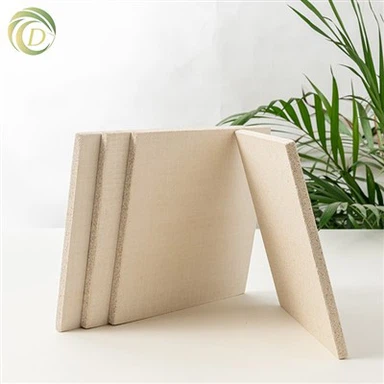
Magnesium Oxide Board Fireproof Ceiling
Magnesium oxide board fireproof ceiling is a new type of ceiling material with integrated fireproof, moisture-proof and environmental protection properties. Its core advantages include Class A non-combustibility, adaptability to multiple scenarios and easy installation, which has been widely used in public buildings and civil decoration.
- Fast Delievery
- Quality Assurance
- 24/7 Customer Service
Product Introduction
The magnesium oxide board fireproof ceiling is a new type of ceiling material. It combines fireproof, moisture-proof and environmental protection features all in one. Its main advantages are things like A-class non-combustible performance, being suitable for many different scenarios, and being easy to install. These days, it's pretty widely used in public buildings and home decoration projects.
Advantage of Magnesium Oxide Board Fireproof Ceiling
1. Great fireproof performance: It's made of natural inorganic materials-things like magnesium oxide, fiberglass cloth, and plant fiber-so it usually meets the Class A non-combustible standard. When there's a fire, it doesn't give off toxic gases, can stand high temperatures around 1200℃, and helps slow down the spread of fire, which buys more time for people to evacuate.
2. Really good moisture and corrosion resistance: Its water absorption rate is pretty low, usually no more than 10%. Even in humid environments, it won't easily get moldy or deform, so it's a good fit for damp areas like bathrooms, kitchens, and underground garages.
3. Good balance of environmental friendliness and strength: It doesn't release harmful stuff like formaldehyde, and it generally meets the E0-level environmental standard. The board is pretty dense, around 1.2-1.5g/cm³, so it's impact-resistant and not easy to crack. You can also nail, saw, or plane it directly, which makes construction more flexible.
4. Other practical perks: It has a low thermal conductivity, around 0.11W/(m·K), so it has a bit of thermal insulation effect. It also does a good job of sound insulation-usually around 35dB or more-which helps make the space quieter. Plus, it's lightweight, about 20-25kg/㎡, so it doesn't add too much weight to the building.
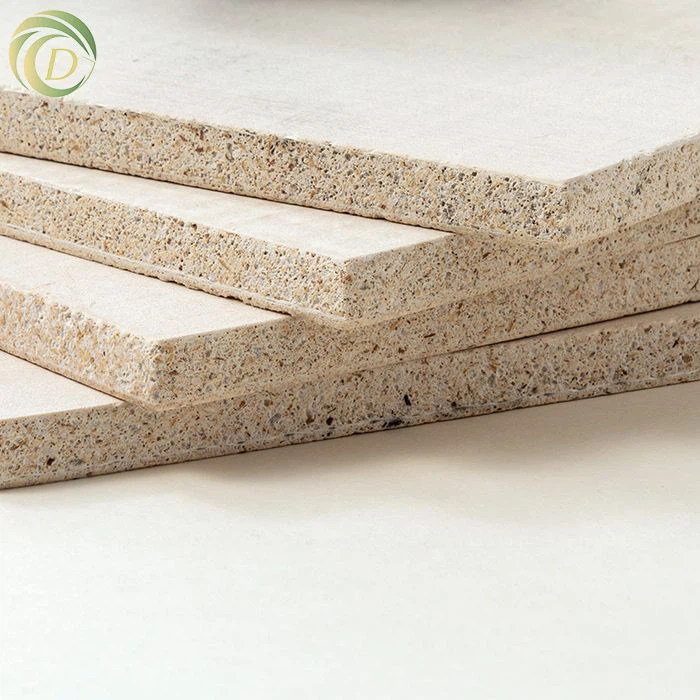
Magnesium oxide wall board is a technologically advanced building material that offers superior performance in every category when compared to traditional wood, gypsum and cement based products.
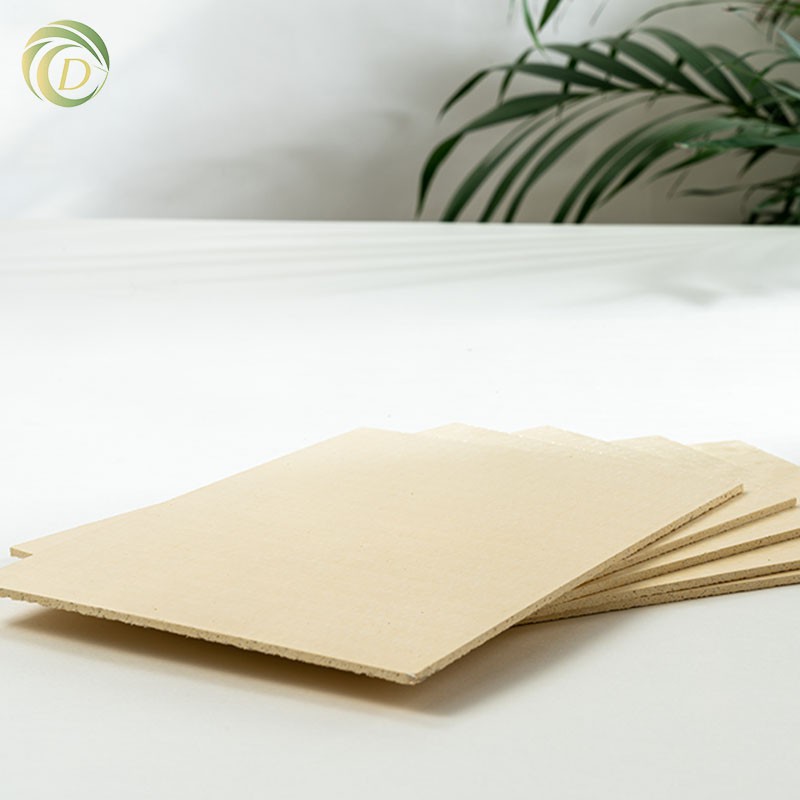
Magnesium Oxide Wall Panels are cementitious substrate products reinforced with magnesium oxide fibre matting.

Fire resistant magnesium oxide wallboard is a new type of refractory material. It is widely used primarily as a wallboard alternative to conventional gypsum-based drywall and plywood.

It is non combustible and fire rated Class A1. With options for up to a 2 hour fire resistance, MgO Board offers an innovative passive fire protection alternative for your construction projects.

MgO board has very good fire performance. It does not spread flames or smoke. It is noncombustible and fire-rated A1, which helps protect homeowners, tenants and building occupants while mitigating damage and loss.

Magnesium oxide wall board is made of magnesium oxide, magnesium sulfate or magnesium chloride, glass fiber mesh, perlite and wood fiber.
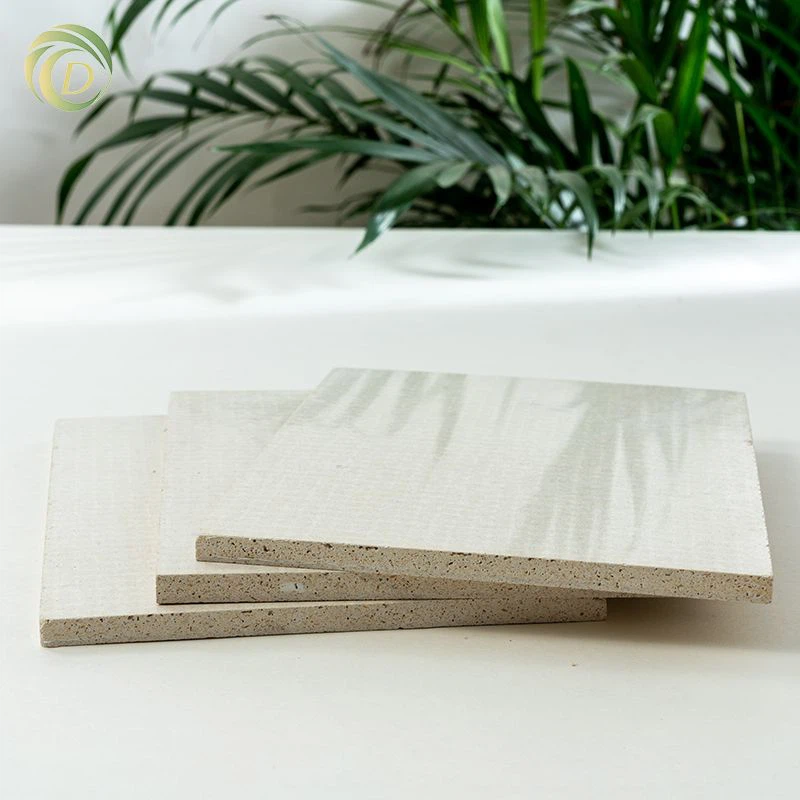
It is an upgraded product of fireboard. A properly constructed assembly with our MgO fireproof wall board can achieve a 3-hour fireproof rating.

Fire Resistant Internal Wall Board
Our Fire Resistant Internal Wall Board is a fiberglass reinforced magnesium oxide cement board. It can be used to replace traditional gypsum drywall for wall and ceiling finishes and sheathing.
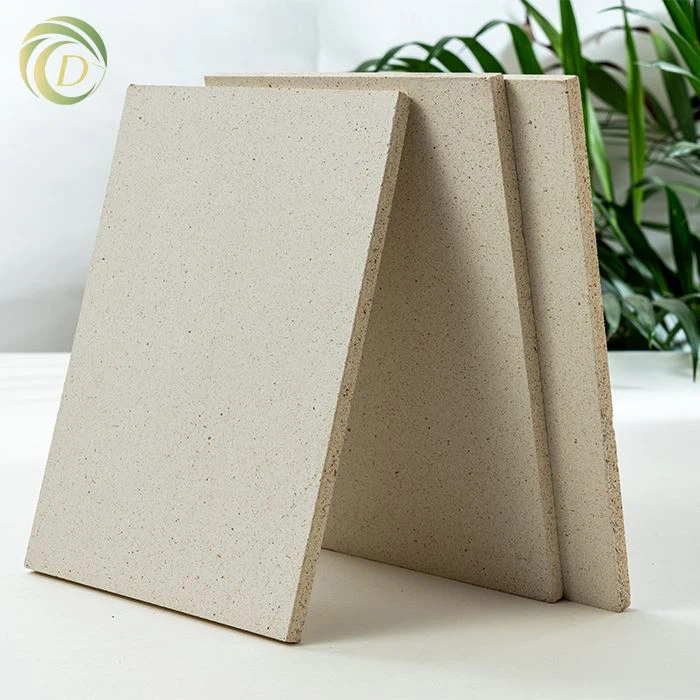
Fireproof Exterior Wall Panels
Magnesium oxide board is a new type of fire-resistant building material. The main raw materials are magnesium oxide, magnesium chloride/sulfate and perlite.
Jinan Fandeng New Material Co.,Ltd.
We are a company dedicated to magnesia cement products. Our main products are Magnesium Oxide Boards (MGO Board) for construction and laminated MgO boards for furniture and renovation. Our mission is to provide the world's construction markets with environmentally friendly, high-performance and sustainable green materials.
We work with China Magnesium Materials Association (CMMA) and Magnesium Oxide Association (MOCA) in North America to raise awareness and promote the use of magnesium oxide cement products. We focus on the quality control and consistency of the MGO products. We have been actively involved in developing American Society for Testing and Materials (ASTM) standards related with MGO products.
Why Choose Us
1. Top-notch product quality: Our magnesium oxide boards are high-quality. We use good raw materials (high-grade magnesium oxide, magnesium chloride, fiberglass cloth) and mature production techniques, with professional supervision and strict inspections. They have great fire/moisture resistance, strength and stability, fitting all kinds of construction projects.
2. Flexible customization: We know different projects have different needs, so we offer full customization-specs, size, thickness, surface decoration,
or special functions. Our team will communicate with you closely to create a perfect solution for your project.
3. Dependable supply: We have strong production capacity and advanced equipment, so we can deliver your order on time, no matter how big or
small. We also work with good logistics to ensure the boards arrive safely-no supply worries.
4. Great after-sales: Our after-sales team is always ready to help with installation, performance or other issues. We'll give quick, professional solutions, and offer return/exchange for eligible products during the guarantee period-use with peace of mind.
Manufacturing Process of Magnesium Oxide Board Fireproof Ceiling
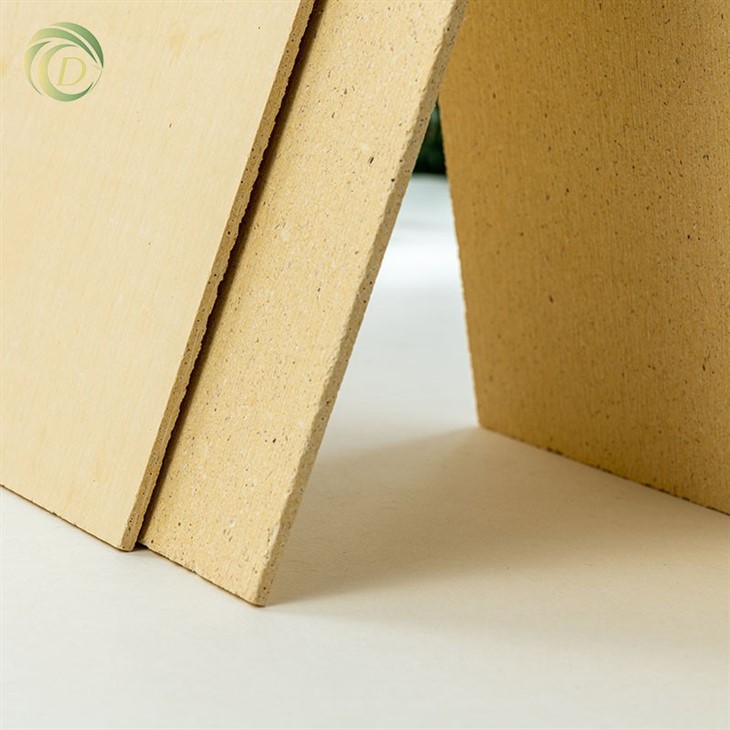

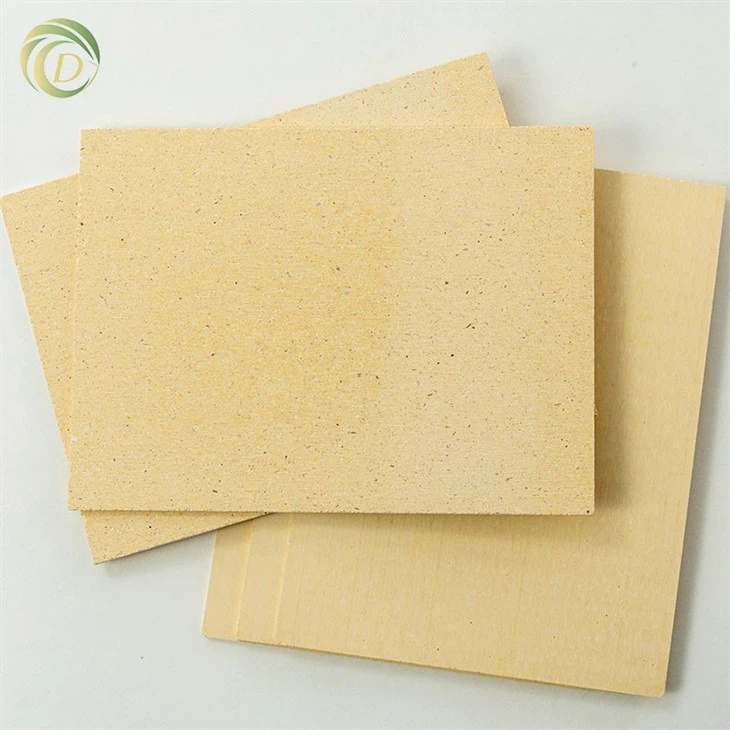
1. Raw Material Preparation
Weigh magnesium oxide, magnesium chloride, and various filling and reinforcing materials according to an accurate ratio. Parameters such as the activity of magnesium oxide and the concentration of magnesium chloride have a great impact on the quality of the final board. Therefore, it is necessary to strictly control the quality and quantity of raw materials to ensure that the proportion of each component is appropriate.
2. Mixing and Stirring
Put the weighed raw materials into professional mixing equipment and stir them thoroughly so that magnesium oxide and magnesium chloride can fully react, and at the same time, the filling and reinforcing materials can be evenly dispersed in the entire material system. During the stirring process, the time and speed and other parameters need to be controlled to ensure that the materials are mixed evenly and avoid phenomena such as local agglomeration and unevenness.
3. Board Forming
Pour the evenly stirred materials into special molds and shape them into boards with specified sizes and thicknesses through extrusion, pressing and other processes. During this process, multiple layers of glass fiber cloth and other reinforcing materials may be laid as needed to further improve the strength and toughness of the boards. Moreover, the pressure and time conditions during the forming process need to be strictly controlled to ensure the stable quality of the boards.
4. Curing Treatment
The formed boards need to be placed in an environment with specific temperature and humidity for curing so that the internal chemical reactions can be fully carried out and the performance of the boards can gradually reach the best state. The curing time generally ranges from several days to several weeks, and the specific duration is determined according to the actual process requirements.
Application Scenarios of Magnesium Oxide Board Fireproof Ceiling
-
Public buildings: Shopping malls, hospitals, schools, office buildings, subways, airports and other places with high fire protection requirements, especially key areas such as corridors, equipment rooms and machine rooms.
-
Industrial buildings: Factory workshops, warehouses and power distribution rooms, which can meet the moisture-proof and fireproof needs of industrial environments.
-
Civil buildings: Kitchens, bathrooms and balconies of residences, as well as public area ceilings of villas and high-rise residential buildings; also applicable to transition spaces from commercial decoration to home decoration (such as foyers and corridors).
-
Special scenarios: KTVs, hotels, exhibition centers and other crowded places that need to balance fire protection and sound insulation.
Fire Rating of Magnesium Oxide Board Fireproof Ceiling
The core fire rating of magnesium oxide board fireproof ceiling is uniformly Class A non-combustible, which is its core advantage as a fireproof ceiling. Specific details are as follows:
Core Fire Rating: Class A Non-Combustible (Only Mainstream Rating)
According to the national standard GB 8624-2012 "Classification of Burning Performance of Building Materials and Products", the fire rating of magnesium oxide board fireproof ceiling is Class A.
Class A is further subdivided into Class A1 (non-combustible materials) and Class A2 (non-combustible materials with slight smoke production). Compliant magnesium oxide boards on the market can reach Class A1 or A2, both belonging to the category of "non-combustible materials".
Core criteria for rating determination: No combustion or toxic gas release when exposed to fire, with a fire resistance limit usually ≥0.5 hours (depending on board thickness and installation method).
Why No Other Ratings?
The base material of magnesium oxide board is inorganic minerals such as magnesium oxide and magnesium chloride, which are naturally non-combustible and cannot reach lower ratings such as Class B1 (flame-retardant) or Class B2 (combustible).
The industry defaults that "magnesium oxide fireproof board" refers to Class A non-combustible products. Products marked with non-Class A are likely to be inferior or counterfeit, failing to meet the original purpose of fireproof ceilings.
Key Verification Points
Request the merchant to provide a type inspection report for fire-fighting products, clearly indicating the burning performance rating as "Class A1" or "Class A2".
The report must be issued by a qualified third-party testing institution and within the validity period; verbal commitments should not be trusted.
Fire Rating of Magnesium Oxide Board Fireproof Ceiling
The moisture-proof performance of magnesium oxide board fireproof ceiling is excellent, which is one of its core advantages, suitable for most humid environments. Specific details are as follows:
Core Indicators of Moisture-Proof Performance
Water absorption rate ≤10% (according to industry standards), much lower than traditional wood-based panels (usually with a water absorption rate of more than 20%).
No mildew, deformation or powdering in humid environments. Even when used in scenarios with humidity ≥80% such as bathrooms and underground garages for a long time, it can maintain structural stability.
Water resistance rating reaches "Class Ⅱ" (water resistance grade for building panels), meeting the usage requirements of long-term humidity or short-term water immersion.
Implementation Logic of Moisture-Proof Performance
The nature of the base material does not absorb moisture: The core components, magnesium oxide and magnesium chloride, are inorganic minerals without hydrophilic groups and will not actively absorb moisture from the air.
Dense structure blocks water vapor: The high-pressure forming process results in low porosity and uniform internal density of the board (1.2-1.5g/cm³), which can effectively block water vapor penetration.
Modification treatment reduces efflorescence: High-quality products add anti-efflorescence agents to avoid "moisture return and condensation" caused by residual magnesium chloride, improving adaptability to humid environments.
Moisture-Proof Performance in Different Scenarios
Bathrooms and kitchens: Can be directly used as ceiling base material. With waterproof putty and moisture-proof coatings, it will not mildew or bulge after long-term use.
Underground garages and basements: Can resist the erosion of underground moisture, and is not prone to problems such as board deformation and keel rusting.
Southern return-to-south days: No large amount of water droplets will condense on the surface, and no residual watermarks after dampness, requiring no additional moisture-proof treatment.
Verification and Pitfall Avoidance of Moisture-Proof Performance
Request the merchant to provide a "board water absorption test report" to confirm that the measured value is ≤10% and there is no description of efflorescence or frosting.
Intuitive inspection: High-quality magnesium oxide boards have a dry surface without stickiness, no powder falling or sanding at the edges, and no obvious expansion (expansion rate ≤2%) after 24 hours of immersion.
Matching of auxiliary materials: Use hot-dip galvanized keels and rust-proof self-tapping screws, and seal joints with moisture-proof jointing paste to avoid keel rusting affecting the overall moisture-proof effect.
Installation Points for Magnesium Oxide Board Fireproof Ceiling
1. Base preparation: Clean up debris and dust on the top surface to ensure the base is flat and dry; snap lines according to the designed elevation to determine the keel installation position.
2. Keel installation: Use light steel keels (75-type or 100-type recommended). The spacing of main keels ≤1200mm, the spacing of auxiliary keels ≤600mm, and the spacing of keel fixing points ≤800mm to ensure a firm frame.
3. Board cutting: Cut the magnesium oxide board with a cutting machine according to the ceiling size, leaving 3-5mm expansion joints to avoid cracking due to thermal expansion and contraction.
4. Board fixing: Fix the board to the keel with self-tapping screws. The screw spacing ≤200mm, and the distance from the screw head to the board edge ≥15mm to avoid edge chipping; the joints of the boards should be aligned with the center of the keel.
5. Joint treatment: Fill the gaps with special jointing gypsum, paste mesh cloth to enhance adhesion, then scrape putty 2-3 times overall, and polish smoothly before painting or pasting decorative materials.
6. Final inspection: Check the flatness and firmness of the ceiling to ensure no looseness or bulging; the edges of openings for lamps and air vents should be smooth and sealed properly.
FAQ
Hot Tags: magnesium oxide board fireproof ceiling, China magnesium oxide board fireproof ceiling manufacturers, suppliers, factory, bus station mgo ceiling board, dent resistant mgo ceiling panel, museum mgo ceiling panel, pharmacy mgo ceiling panel, river mgo ceiling panel, textured mgo ceiling board