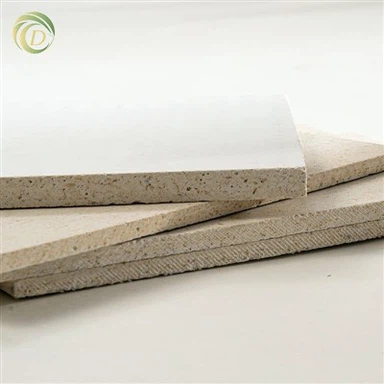
The Evolution Of MgO Boards: From Ancient Mortar To Modern Green Building Essential
May 18, 2026
Magnesium oxide (MgO) boards, today's go-to fireproof, eco-friendly, and durable building material, boast a history spanning thousands of years-from ancient masonry mortar to a globally adopted high-performance panel. Their journey reflects humanity's pursuit of stronger, safer, and more sustainable construction solutions.
Ancient Origins: Magnesia in Early Construction (Pre-20th Century)
The use of magnesium oxide-based cement dates to antiquity, parallel to gypsum as one of the oldest building binders. In China, magnesia-rich mortar reinforced the Great Wall, enhancing its durability against time and elements. Romans also incorporated high magnesia content in their cement for structural stability. For centuries, magnesia cement served as a mortar component and soil brick stabilizer, valued for its strength and natural fire resistance.
20th Century: Decline and Specialized Niche Use
The 20th century brought cheaper alternatives-gypsum, plywood, and Portland cement-that overshadowed magnesia's mainstream use. However, magnesium-based cement (later termed Sorel cement after its 19th-century rediscoverer) persisted in specialized applications: high-temperature kiln linings, airport runway repairs, and industrial flooring. In the 1950s–60s, ASTM developed standards for magnesium oxychloride (MOC) products, laying early groundwork for modern MgO board production.
Late 20th–Early 21st Century: Birth of Modern MgO Boards (1990s–2000s)
The 1990s marked the emergence of modern MgO boards, pioneered in China amid demand for affordable, fire-resistant building materials. Early production relied on manual mixing and molding, blending magnesium oxide, magnesium chloride, and fillers like sawdust. These first-gen boards faced quality issues: efflorescence (salt deposition), warping, and cracking due to poor curing and excess chloride content. Still, they found use in temporary structures and low-risk interiors, leveraging their basic fire resistance and low cost.
Mid-2000s–2010s: Technological Breakthroughs and Mainstream Adoption
The mid-2000s brought semi-automated production and critical formulation upgrades, addressing early flaws. Key innovations included:
Fiberglass mesh reinforcement: Boosting tensile strength and flexibility.
Sulfate-based formulations: Reducing chloride-induced efflorescence and metal corrosion.
Precision mixing systems: Ensuring consistent quality and dimensional stability.
These advances coincided with global demand for green building materials. MgO boards gained iconic project recognition:
2008 Beijing National Stadium: 8 million square feet of MgO sheeting clad the "Bird's Nest," chosen for its A1 fire rating and sustainability.
Taipei 101: The skyscraper used MgO boards for interior walls and ceilings, supporting its LEED Platinum certification.
By the 2010s, MgO boards expanded beyond Asia to Europe, North America, and Australia, adopted for residential, commercial, and industrial applications.
2020s–Present: High-Performance and Global Standardization
Today's MgO boards represent a pinnacle of material science, with fully automated production lines and dual-system (chloride and sulfate) formulations. Modern variants offer:
Superior fire resistance: EN 13501-1 Class A1 non-combustible, meeting strict global fire codes.
Mold and moisture resistance: Ideal for humid climates and wet areas.
Eco-friendliness: Lower carbon footprint than cement boards, with recyclable components.
Versatility: Used in partitions, ceilings, exterior cladding, fire doors, and container flooring.
Industry standards have matured, with certifications for fire safety, environmental performance, and structural reliability. Market data shows China's MgO board industry grew from ¥5 billion in 2020 to over ¥8 billion in 2025, with a 10.5% CAGR, reflecting global demand.
The Future: Innovation and Sustainable Leadership
As green building regulations tighten globally, MgO boards are poised for further growth. Ongoing R&D focuses on ultra-lightweight formulations, enhanced thermal insulation, and AI-driven production for zero-defect manufacturing. From the Great Wall to modern skyscrapers, MgO boards have come full circle-an ancient material reimagined for the future of sustainable construction.