

We work with China Magnesium Materials Association(CMMA) and Magnesium Oxide Association(MOCA) in North America to raise awareness and promote the use of magnesium oxide cement products. We focus on the quality control and consistency of the MGO products. We have been actively involved in developing American Society for Testing and Materials(ASTM) standards related with MGO products.
Why Choose Us
Our Factory
Our Mgo Board factory occupies an area of 100 thousand square meters with a total construction area of 60 thousand square meters. We have advanced production line with automatic raw material feeding system.
Our Products
Our primary products are Magnesium Oxide Boards(MGO Board) for construction and laminated MGO boards for furniture and decoration.
Sales Market
Our products have been exported to United States, Canada, Australia, and Europe.
Professional Team
Our team is highly experienced, dedicated, and committed to providing exceptional service and support to our customers.
-
![Durable MGO Panel For Interior And Exterior Walls]()
Durable MGO Panel For Interior And Exterior Walls
Add to Inquiry -
![Magnesium Oxide Board For Construction]()
Magnesium Oxide Board For Construction
Add to Inquiry -
![MGO Tile Backer Boards in Wet Or Dry Interior Areas]()
MGO Tile Backer Boards in Wet Or Dry Interior Areas
Add to Inquiry -
![Magnesium Oxide SIPs Products Using MGO]()
Magnesium Oxide SIPs Products Using MGO
Add to Inquiry -
![Fire Rated MGO Partition Board]()
Fire Rated MGO Partition Board
Add to Inquiry -
![MGO Fire Rated Partition Board]()
MGO Fire Rated Partition Board
Add to Inquiry -
![Fire Rated Magnesium Oxide Partition Boards]()
Fire Rated Magnesium Oxide Partition Boards
Add to Inquiry -
![Magnesium Oxide Fire Rated Partition Boards]()
Magnesium Oxide Fire Rated Partition Boards
Add to Inquiry -
![MGO Exterior Cladding Board]() Add to Inquiry
-
![Magnesium Oxide Facade System]() Add to Inquiry
-
![Magnesium Oxide Exterior Cladding Board]()
Magnesium Oxide Exterior Cladding Board
Add to Inquiry -
![Magnesium Oxide Sulfate Wall Sheathing Board]()
Magnesium Oxide Sulfate Wall Sheathing Board
Add to Inquiry
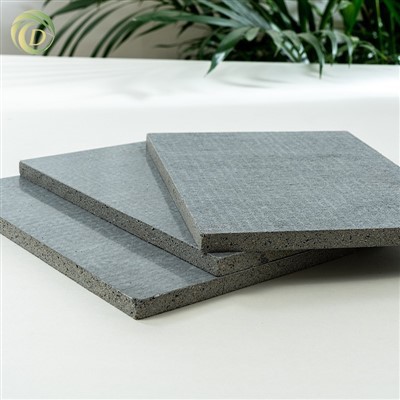
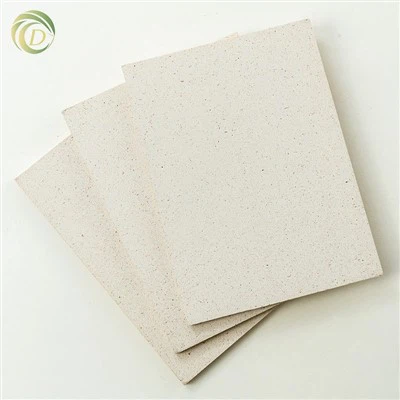

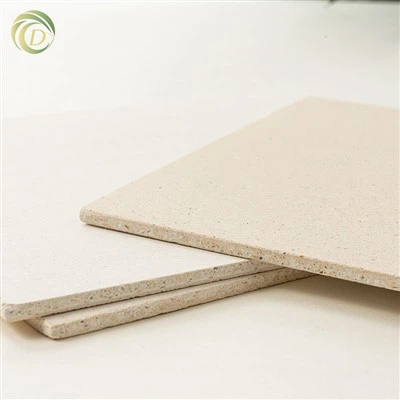
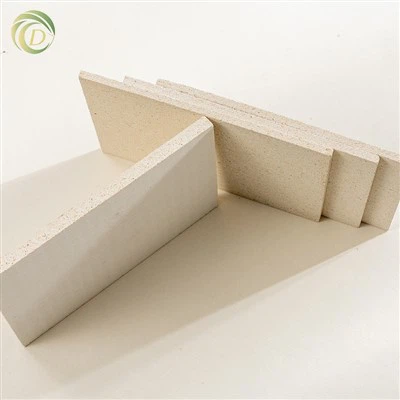
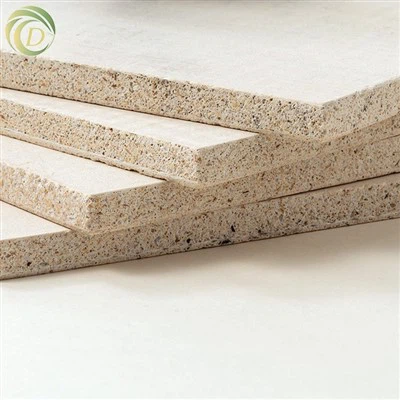
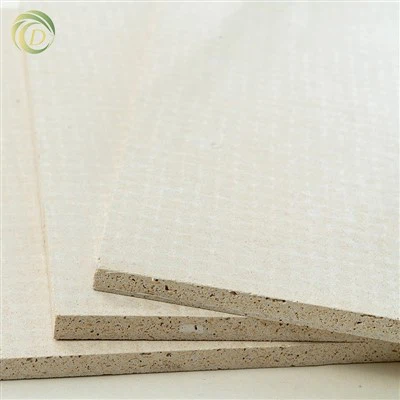
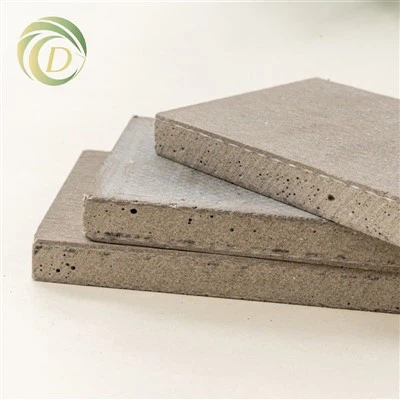


Advantages of Mgo Wall Board
Waterproof: Unlike traditional building materials, Magnesium cement boards do not degrade when exposed to water. This makes them highly durable and ideal for wet or humid environments. One of these major benefits is the waterproof factor of MgO. Magnesia board may be absorbent, but when exposed to water, it will not degrade.
Fire Resistance: Mgo Wall Board not only meet but exceed fire testing requirements, providing unparalleled safety. They do not produce smoke or spread flames, offering you and your family a peace of mind that is unmatched by traditional building materials.
Anti-Pest Properties: Insects and pests, such as termites, ants, and rats, are not attracted to Mgo Wall Board. This reduces the need for pest control treatments and prolongs the home's structural integrity. MgO is a material that insects don’t like.
Mold Resistant & Non-Toxic: Mgo Wall Board contain no volatile organic compounds (VOCs) and are antimicrobial, preventing mold and mildew growth. This contributes to a healthier indoor environment, especially in moisture-prone regions. Magnesia Board contains zero volatile organic compounds, which means a healthier living environment for you and your family.
Used of Mgo Wall Board
Wall and Ceiling Panel
In residential, commercial, and industrial buildings, mgO boards are used as interior wall and ceiling panels. They provide a smooth surface for painting, wallpapering, or tiling.
Fireproofing
Due to their high fire resistance, MgO boards are often used in areas that require stringent fire safety measures, such as fire-rated walls, partitions, and ceilings.
Exterior Sheathing
MgO boards can be used as exterior sheathing for buildings, providing an additional layer of protection against weather elements and enhancing the structural integrity of the building.
Flooring Underlayment
MgO boards serve as underlayments for various types of flooring, including tile, hardwood, and carpet. They provide a stable and moisture-resistant base.
Backer Board for Tile
Due to their moisture and mold resistance, mgO boards are used as backer boards for tiles in wet areas like bathrooms, kitchens, and laundry rooms.
Roofing Sheathing
In some cases, MgO boards are used in roofing systems as a fire-resistant and durable alternative to traditional roofing materials.
Structural Insulated Panels (SIPs)
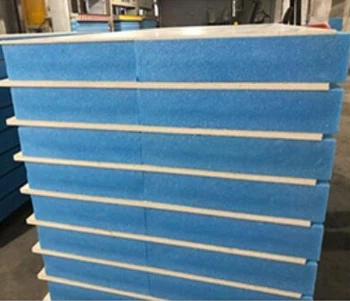
MgO boards are used as facings for SIPs, providing a strong, fire-resistant, and thermally efficient building panel.
Prefabricated Buildings
MgO boards are used in prefabricated and modular construction, contributing to the structures' quick assembly and durability.
Soundproofing
Due to their density and composition, MgO boards can provide good sound insulation, making them suitable for walls and ceilings to reduce noise transmission.
Installation Method For Mgo Wall Board Flooring

Preparation
Materials and Tools
Gather the necessary materials, including MgO boards, wooden or metal joists, screws, expansion bolts, a level, moisture barrier (optional), and installation tools such as a drill, hammer, etc.
Surface Cleaning
Before installation, ensure that the floor surface is clean and level. Remove any debris and make sure the surface is smooth. If the surface is damp, it’s advisable to lay down a moisture barrier to improve the floor’s resistance to moisture.
Installing the Joists
Determine Joist Layout
Plan the joist layout based on the floor dimensions. Typically, the joist spacing should be between 40-60 cm (16-24 inches). Use a level to ensure the joists are installed evenly, which is crucial for a level floor. The choice between wooden or metal joists should be based on the environmental conditions and load requirements.
Securing the Joists
Place the joists in their designated positions and use expansion bolts to secure them to the floor. Ensure that all joists are at the same height to avoid uneven flooring. If using wooden joists, consider applying a protective coating on the areas in contact with the floor to extend their lifespan.
Reinforcing the Joists
Install cross-bracing between the main joists to further stabilize the structure. These cross braces should be placed perpendicular to the main joists, with spacing that matches the Mgo Wall Board dimensions. This ensures that the edges of the boards are fully supported.

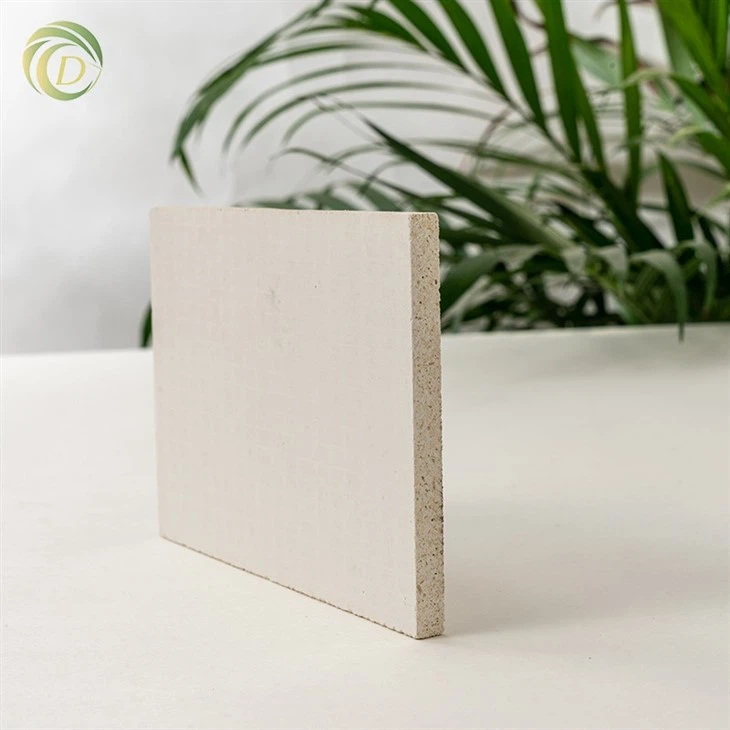
Laying the Mgo Wall Board
Cutting the Boards
Measure and cut the Mgo Wall Board to fit the floor layout and joist spacing. Ensure the edges of the boards are cut cleanly to allow for tight seams and secure installation.
Securing the Boards
Place the cut Mgo Wall Board onto the joists and secure them with specialized screws. The screws should be spaced 20-30 cm (8-12 inches) apart, with even distribution along the edges and across the center of the boards. Make sure the screws are flush with the surface of the board to avoid any protrusions.
Handling Expansion Gaps
Leave a small expansion gap (typically 3-5 mm) between the boards to accommodate potential expansion and contraction due to changes in temperature and humidity. Fill these gaps with sealant or caulk to prevent dust and moisture from penetrating.
Surface Finishing
Leveling Check
Once the boards are installed, use a level to check the evenness of the floor. Adjust as necessary to ensure there are no noticeable high or low spots.
Installing the Top Layer
Depending on your requirements, you can add a decorative top layer such as vinyl flooring, tiles, or hardwood on top of the Mgo Wall Board. This layer not only enhances the aesthetic appeal of the floor but also adds an additional protective layer, prolonging the floor’s lifespan.
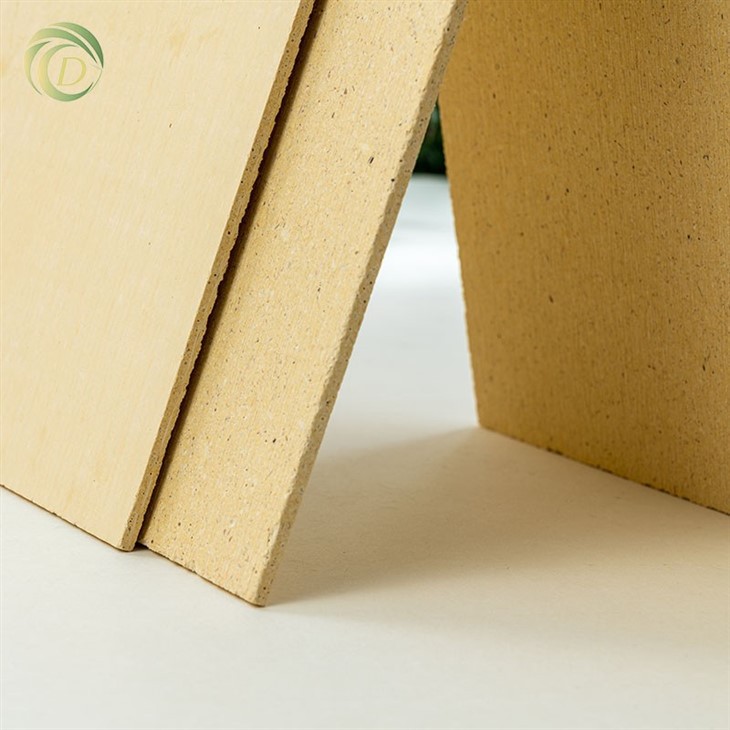
Cleaning Techniques for Mgo Wall Board
To maintain the visual appeal and extend the lifespan of magnesium panels, it is best to clean them periodically during storage and maintenance.
When cleaning Mgo Wall Board, it is important to use gentle cleansers. Opt for mild and non-abrasive cleaning agents, such as a mild detergent and water, to remove dirt, dust, or stains from the panels. Avoid using harsh chemicals or abrasive cleaners that could potentially damage the panel surface or protective coatings.
For cleaning, use soft brushes or non-abrasive sponges to gently clean the panels. Avoid using metal brushes or rough materials that can scratch or harm the panel surface.
After cleaning, thoroughly rinse the panels with clear water to remove any remaining cleaning agents. It is crucial to ensure that the panels are completely dry before storing or reinstalling them, as moisture can lead to damage.
In general, proper sealing of the edges of Mgo Wall Board is crucial for their longevity and optimal performance. Sealing the edges prevents moisture penetration, reduces the risk of panel damage, and increases their lifespan. Use a high-quality sealant recommended for MgO panels and apply it evenly along the edges. Regularly check the seal for any signs of wear or damage and replace it if necessary.
video
FAQ
We're well-known as one of the leading mgo wall board manufacturers and suppliers in China. Please feel free to buy high-grade mgo wall board for sale here from our factory. For price consultation, contact us.
wafer board substitute, low cost wall panel of magnesium oxide, smooth board