

We work with China Magnesium Materials Association(CMMA) and Magnesium Oxide Association(MOCA) in North America to raise awareness and promote the use of magnesium oxide cement products. We focus on the quality control and consistency of the MGO products. We have been actively involved in developing American Society for Testing and Materials(ASTM) standards related with MGO products.
Why Choose Us
Our Factory
Our Mgo Board factory occupies an area of 100 thousand square meters with a total construction area of 60 thousand square meters. We have advanced production line with automatic raw material feeding system.
Our Products
Our primary products are Magnesium Oxide Boards(MGO Board) for construction and laminated MGO boards for furniture and decoration.
Sales Market
Our products have been exported to United States, Canada, Australia, and Europe.
Professional Team
Our team is highly experienced, dedicated, and committed to providing exceptional service and support to our customers.
-
![MGO Flooring Underlayment And Subfloor Panels]()
MGO Flooring Underlayment And Subfloor Panels
Add to Inquiry -
![MGO Raised Floor Systems]() Add to Inquiry
Add to Inquiry -
![Magnesium Oxide Raised Floor Systems]()
Magnesium Oxide Raised Floor Systems
Add to Inquiry -
![Magnesium Oxide Underlayment Floor Board]()
Magnesium Oxide Underlayment Floor Board
Add to Inquiry -
![Floor Underlayment MGO Board]() Add to Inquiry
Add to Inquiry -
![Magnesium Oxide Floor Underlayment Panels]()
Magnesium Oxide Floor Underlayment Panels
Add to Inquiry -
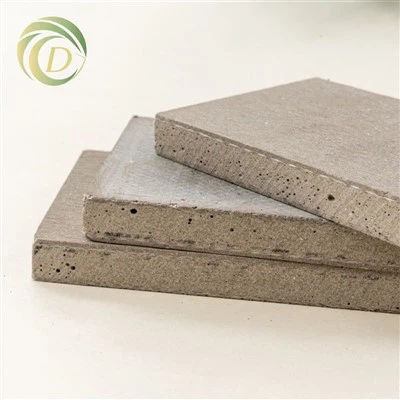
![Moisture Resistance Magnesium Oxide Panel Eco Fireproof Floor Board]()
-
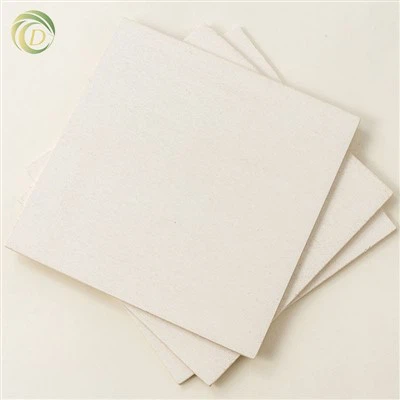
![Weatherproof Magnesium Oxide Floor Panel Fire Rated MGO Floor Board]()
-
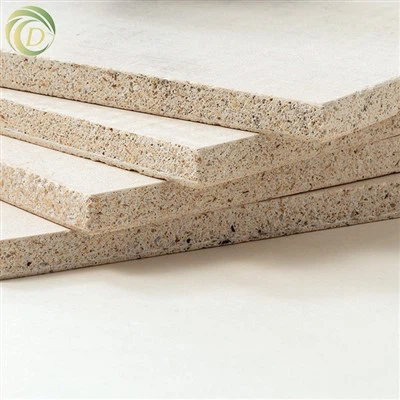
![Quick Drying Fireproof Magnesium Oxide Sulfate MGO Panel Floor Board]()
-
![High Strength Magnesium Oxide Board MGO Board Panel Fiber Cement MGO Panel Magnesium Oxide Floor Board]()
-
![Smooth Surface Fire Resistant Magnesium Oxide Boards Flooring Panel]()
-
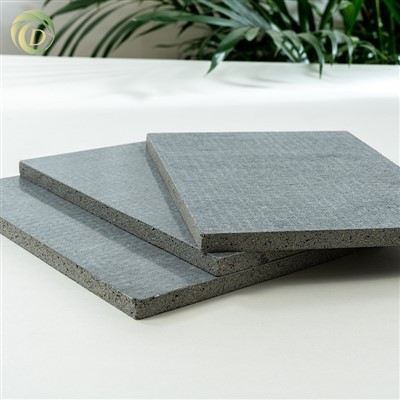
![Soundproof Moisture-Resistant MGO Board Heat Insulated Panel For Floor/Roof Fireproof]()






Advantages of Mgo Flooring
Durability
MGO floors are known for their high resistance to impacts, making them perfect for high-traffic areas.
01
Fire Resistance
Due to its inorganic nature, MGO flooring is non-combustible, offering enhanced fire safety.
02
Mold and Mildew Resistance
The inorganic composition of MGO reduces the chance of mold and mildew growth.
03
Eco-friendly
MGO is an environmentally friendly material, contributing to sustainable construction.
04
Cost-Effective
MGO can be a more affordable option than some traditional flooring types.
05
Types of Mgo Flooring
Standard MGO Board: This board is commonly known as Magnesium Oxide board. It is a versatile and environmentally friendly building material that provides excellent fire resistance, moisture control, and structural integrity. MgO board is used in a wide range of applications, including exterior sheathing, interior walls, and subflooring.
Fire-rated MGO Board: This board is specifically designed to provide enhanced fire protection in accordance with building codes and safety regulations. Its unique composition includes fire-retardant additives that are blended into the board during manufacturing.
Waterproof MGO Board: This board is developed to provide a solution for areas where moisture is a constant concern. Its unique formulation includes water-repellent additives and a dense, reinforced core that is surrounded by fiberglass mesh.

What`s The Specification Of Mgo Flooring?
Size Specification: 1215X195x8mm, customizable;
Wear layer: Melamine paper;
Pattern & Design: Customizable with Melamine paper, no PVC film;
Density: 1.4 ton/m3 (The rigid core mainly is MgO with Micro Wooden powders)
EIR: The hot-pressing a necessary process for MGO Flooring, so MGO Flooring is 100% EIR (Embossed in Register)
Application of Mgo Flooring
Mgo boards are commonly used as subfloors in residential and commercial buildings. They provide a stable and moisture-resistant base for finished flooring materials such as wood, laminate, or tile.
Mgo boards are compatible with radiant heated flooring systems. Their thermal conductivity allows efficient heat transfer, making them an energy-efficient choice for heated floors. Using magnesium oxide boards in heated flooring systems can enhance comfort and reduce energy consumption compared to other subfloor materials.
Mgo boards are ideal for use in high-humidity areas such as bathrooms, kitchens, and laundry rooms. Their moisture-resistant properties help prevent mold, mildew, and warping, ensuring a long-lasting and stable flooring solution in these challenging environments.
Magnesium oxide boards are used as commercial subflooring in retail spaces, restaurants, and office buildings. Their durability and resistance to moisture, fire, and pests make them suitable for high-traffic and commercial environments.
While MGO boards are primarily designed for indoor use, some products are suitable for outdoor applications, such as covered patios or porches. When used outdoors, it requires proper sealing and protection from direct water exposure to maximize its longevity and performance.
How to Choose Mgo Flooring
Assess The Location And Purpose
Determine where the flooring will be installed and its intended use. Will it be for high-traffic areas, residential spaces, or commercial environments? Understanding the location and purpose will help decide the appropriate board thickness and type.
Examine The Environmental Conditions
Consider the environmental conditions where the flooring will be installed. Will it be in a dry or humid climate? Will there be exposure to water or moisture? Some mgo boards are more water-resistant than others, so choosing a board designed to withstand specific environmental conditions is essential.
Evaluate The Subfloor
Check the existing subfloor to ensure it is level, dry, and stable before installing any new flooring. A concrete subfloor may require moisture barriers, while a wooden subfloor may need reinforcing.
Investigate Installation Methods
Look into the various installation methods available for your chosen flooring type. Some boards can be glued, nailed, or clicked together, while others require specific techniques like tongue-and-groove or click-lock systems.
Check For Certifications
Ensure the flooring boards have the necessary certifications for quality, safety, and environmental standards. Look for certifications like ISO, CE, and E1, which indicate formaldehyde-free construction. These certifications guarantee the boards meet industry standards and are safe for use.
Consider The Aesthetics And Budget
Choose a flooring style that complements the space's design and architecture. Consider factors like color, texture, pattern, and finish. Also, take into account the budget and weigh the costs against the expected lifespan and performance of the flooring.
How To Install MGO Flooring
Clean the subfloor thoroughly, ensuring there's no debris or dust.
Ensure the subfloor is level. If not, consider using a leveling compound or adjusting it accordingly.
Allow the MGO boards to acclimatize to the room's humidity and temperature for at least 48 hours before installation.
Measure the area where you intend to install the flooring.
Using a carpenter's square and a pencil, mark the MGO boards.
Use a circular or hand saw to cut the boards to size.
Lay out the MGO boards on the subfloor without applying adhesive. This allows you to visualize the result and make any necessary adjustments.
Apply a flexible flooring adhesive to the subfloor using a notched trowel. Ensure you follow the manufacturer's instructions.
Press the MGO boards firmly onto the glue.
Ensure a small gap (typically 6mm) between the boards and walls to accommodate expansion.
Depending on your project's nature, you might screw the MGO boards to the subfloor. Ensure screws are flush with the board surface.
Once the adhesive is fully cured (follow the manufacturer's guidelines for drying times), you can proceed with finishing options like painting, laying tiles, or installing carpets.
video
FAQ
We're well-known as one of the leading mgo flooring manufacturers and suppliers in China. Please feel free to buy high-grade mgo flooring for sale here from our factory. For price consultation, contact us.
healthy flooring, flooring catalogue, new flooring