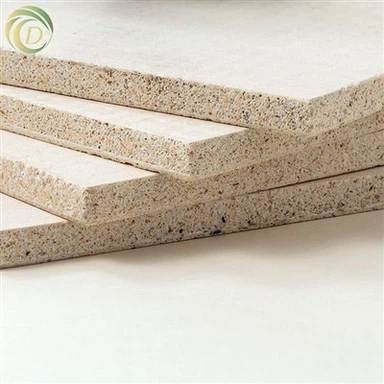
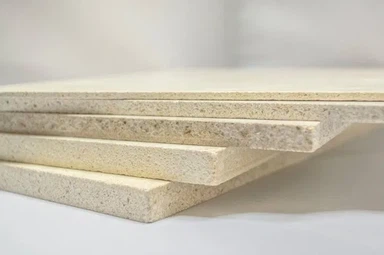
Performance Advantages and Application Scenarios of Magnesium Oxide Board-based SIP Panels
Jul 31, 2026
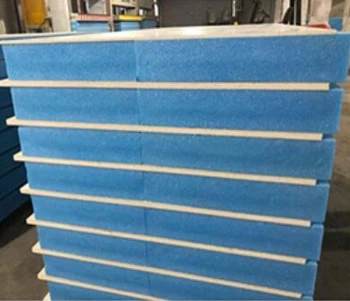
Advantages of Magnesium Oxide Boards as Facing Sheets for SIPs
- Excellent Fire Resistance Magnesium oxide board is non-combustible material. When used as the face sheet of SIPs, it significantly improves the fire rating of structural insulated panels, meeting strict building fire protection codes.
- Superior Moisture & Mildew Resistance Unlike OSB and plywood commonly adopted for traditional SIPs, MgO boards do not swell, rot or breed mould under humid environments. The finished SIP panels show stable dimensional performance in coastal and damp areas.
- Good Structural Compatibility The surface of magnesium oxide board has strong bonding performance with core insulation materials (EPS, XPS, PUR). Composite SIP panels obtain reliable overall structural strength, satisfying wall and roof load requirements.
- Environmental & Non-toxic Properties MgO boards contain no formaldehyde, asbestos or volatile harmful substances. The SIP panels assembled with them belong to eco-friendly construction materials, suitable for habitable buildings.
- Anti-corrosion & Insect-proof Performance The inorganic characteristics of magnesium oxide board effectively resist termite erosion and chemical corrosion, extending the service life of SIP buildings.
- High Surface Adaptability The surface of MgO SIP panels can be directly painted, tiled or decorated without extra base treatment, simplifying on-site construction procedures.
Application Scenarios of SIP Panels with Magnesium Oxide Board Facings
- Prefabricated residential buildings: exterior load-bearing walls, partition walls, roof enclosures of modular houses, container houses and light steel villas.
- Commercial public buildings: office cabins, campus temporary buildings, hotels and shopping space interior and exterior wall systems.
- Special functional buildings: fire-isolation compartments, damp coastal buildings, agricultural greenhouses, livestock breeding houses with high humidity.
- Reconstruction and renovation projects: building exterior insulation renovation, interior partition upgrading requiring fire and moisture resistance.
- Low-carbon passive houses: match passive building requirements for airtightness, fire safety and environmental protection.