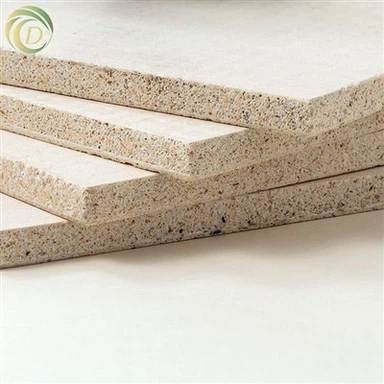
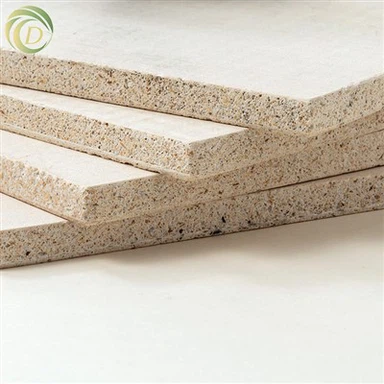
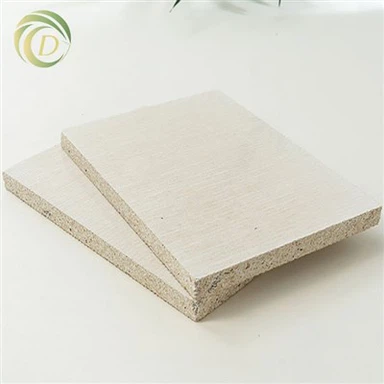
Termite Resistant Board
Magnesium oxide boards achieve high-efficiency termite resistant through a triple mechanism: "inorganic material nutrition deprivation + dense structure barrier + alkaline environment inhibition." Their long-lasting insect resistance offers significant advantages in warehousing, humid environments, and special projects. Compared to traditional boards, they address insect erosion fundamentally from the material itself, making them a preferred building material for safety, durability, and environmental friendliness.
- Fast Delievery
- Quality Assurance
- 24/7 Customer Service
Product Introduction
The termite resistant properties of magnesium oxide (MgO) boards stem from the synergistic effects of material attributes, structural design, and process treatment, effectively resisting insect erosion. The following details the technical principles, performance verification, and application scenarios:
1. Core Technical Principles of Insect Repellency
Natural Insect-Resistant Substrate of Inorganic Materials:
Magnesium oxide boards are primarily composed of inorganic materials like magnesium oxide (MgO) and magnesium chloride (MgCl₂)/magnesium sulfate(MgSo4). The hardened magnesia cementitious system contains no organic nutrients (such as cellulose or starch) necessary for insect survival, fundamentally cutting off the pest food chain. In contrast to wooden boards (which contain wood fibers and are prone to termite and borer damage), MgO boards lack "attraction" for insects.
Dense Structure Blocking Insect Pathways:
Through roll-pressing technology, the board achieves a density of 0.9–1.25 g/cm³ with low internal porosity and tight intermolecular bonding. Insects (e.g., termites, cockroaches) cannot gnaw through to form channels or nest inside, whereas ordinary gypsum boards (high porosity) or wooden boards are easily eaten (hollowed out by pests).
Alkaline Environment Inhibiting Insect Activity:
The board has a pH of approximately 9–11 after curing, creating a strongly alkaline environment that damages the mucus layer and enzyme activity on insect bodies, suppressing their habitation and reproduction. Most insects thrive in neutral environments (pH 6–8), making the high alkalinity repulsive.
2. Quantitative Data and Testing of Insect Resistance
Verification by Pest Resistance Testing Standards:
According to GB/T 24128 Test Method for Insect Resistance of Building Materials and Products, magnesium oxide boards showed no termite erosion traces after 12 weeks of termite contact testing, achieving the highest insect resistance grade (Grade 0, no insect damage). Wooden boards, in the same test, had a termite erosion rate exceeding 80%.
Insect Resistance Comparison Data:
|
Material Type |
Termite Damage after 12 Weeks of Contact |
Insect Habitation Risk |
Long-Term Insect Resistance |
|
Magnesium Oxide Board |
No boreholes or powder on the surface |
Extremely low |
Long-term (over 10 years) |
|
Ordinary Wooden Board |
Dense boreholes, structural damage |
High |
1–2 years |
|
Ordinary Gypsum Board |
Edges gnawed, internal structure loosened |
Medium |
3–5 years |
3. Typical Application Scenarios of Insect Repellency
Warehousing and Logistics:Magnesium oxide boards can be used for walls and ceilings in grain warehouses and logistics warehouses. Meanwhile, attention should be paid to preventing insects (such as rice moths and drugstore beetles) from invading stored materials through gaps in the boards, so as to reduce losses caused by pests.
Humid and Insect-Prone Areas:
In basements, greenhouses, and other humid environments, MgO boards are both mildew and insect resistant, preventing moisture bugs and cockroaches from hiding in the boards. Compared to wooden partitions, greenhouses using MgO boards have a 70% lower pest incidence.
Ancient Building Restoration and Protection:
In the renovation of ancient buildings, MgO boards can replace insect-prone wooden components for partitions, ceilings, etc., maintaining traditional architectural styles while providing long-term insect resistance and reducing maintenance costs.
Military and Special Projects:
Buildings in military field camps and border defense posts using MgO boards can resist erosion from termites, ants, and other insects in tropical regions, ensuring the structural safety of temporary or permanent constructions.
4. Extended Advantages of Insect Repellency
Synergistic Effect with Fire and Mildew Resistance:
Magnesium oxide boards combine A1-grade fire resistance, powerful mildew resistance, and insect repellency. In tropical or humid jungle environments (e.g., Southeast Asian infrastructure projects), they address fire, mold, and pest risks in one solution, reducing material replacement frequency.
Environmental Friendliness and Low Maintenance Costs:
Unlike traditional wooden boards that require pesticide spraying, MgO boards need no chemical insecticides, avoiding harmful substance release and complying with green building standards. Their long-term insect resistance also reduces the cost of regular pest control, especially for remote or hard-to-maintain projects.

About Termite resistant board
Product Parameters:
|
Main Materials |
MgO, MgCl2/MgSO4, Glass fiber Mesh |
|
Fire Performance |
Non-combustible, No flame spread, No smoke spread,No poisonous gas |
|
Density |
0.8-1.35kg/m3, |
|
Flexural Strength |
8-25Mpa |
|
Impact Strength |
≥3.5 kJ/m2 |
|
Moisture Content |
≤8% |
|
Shrinkage |
≤0.3% |
|
Swelling |
≤0.3% |
|
ScrewHolding Capacity |
40-120/(N/mm) |
|
Leachable Chloride |
0.1%(MOS),3%(MOC) |
|
Edge |
Square/T&G/Tapered/Beveled |
|
Thickness |
3-20mm |
|
Standard Sizes |
4*8ft/1.22*2.44m(Other sizes can be customized) |
|
Production Capacity |
5000 square meters / day |
|
Remark |
The above parameters are acceptable to ODM |

Product details

About The Factory:

Company Advantage (Why choose us):
Specializing in the durability of building materials, we have established ourselves as a leading provider in the local fireproof flooring sector by offering robust, fire-resistant boards.
Our rigorous full-process quality control system ensures consistency at every stage:
1. Incoming Quality Control (IQC) for raw materials to verify baseline standards
2. In-Process Quality Control (IPQC) with continuous monitoring of critical production phases
3. Outgoing Quality Control (OQC) covering final cutting, packaging, and comprehensive checks before dispatch.
All our finished products adhere to national and industry benchmarks, undergoing thorough testing against standards such as GB/T 33544 or T/CMMA8-2020. We also accommodate custom testing requirements specified by clients, ensuring that only inspected and certified products are released for delivery. This commitment to quality has solidified our reputation for reliability in fireproof building solutions.
Packing and Shipping:
Packaging and Shipping of Termite Resistant Board


FAQ:
Q: How should I store the panels?
A: Store the boards flat on a well-supported, elevated surface in a cool, dry environment, keeping them in the manufacturer's original packaging until use. If storing outdoors or on-site, cover them with waterproof material to protect against weather, direct sunlight, surface contamination, and construction traffic.
Q: How do I cut the panels?
A: MgO boards are optimally cut with carbide-tipped tools, which ensure clean, square edges for higher-quality installations. Circular saws-including table saws-are the preferred tools. For thin sheets, score the fiberglass mesh from the smooth side using a disposable knife, then snap the sheet along the scored line.
Hot Tags: termite resistant board, China termite resistant board manufacturers, suppliers, factory, Mold Resistant Wall Board, Non Combustible Wall Board, Fireproof Mgo Wallboard, Mgo Tile Backer Board, Termite Resistant Board, Mgo Sheathing Board