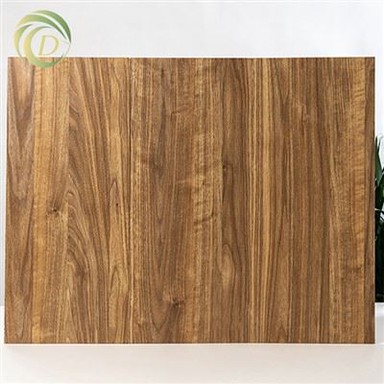
Fireproof Laminate Flooring
Fireproof laminate flooring is a type of flooring that is designed to be highly resistant to fire. It is made using fire-resistant materials and has a high fire rating, which means it can withstand high temperatures for extended periods of time without catching fire or spreading flames. Fireproof laminate flooring is commonly used in commercial and residential buildings to help prevent the spread of fire and provide added safety.
- Fast Delievery
- Quality Assurance
- 24/7 Customer Service
Product Introduction
What Is Fireproof Laminate Flooring
Fireproof laminate flooring is a type of flooring that is designed to be highly resistant to fire. It is made using fire-resistant materials and has a high fire rating, which means it can withstand high temperatures for extended periods of time without catching fire or spreading flames. Fireproof laminate flooring is commonly used in commercial and residential buildings to help prevent the spread of fire and provide added safety.
Advantages of Fireproof Laminate Flooring
Fire Resistance: Fireproof laminate flooring is made with materials that are resistant to flames and will not ignite easily. This can help to prevent the spread of fire and reduce the risk of damage to your home in the event of a fire.
Safety: Fireproof laminate flooring is designed to meet specific safety standards and regulations. It is often made with fire-retardant materials and has a lower risk of emitting toxic fumes or smoke in the event of a fire. This can help to protect your health and the health of your family in an emergency situation.
Durability: Fireproof laminate flooring is generally more durable than regular laminate flooring, as it is designed to withstand higher temperatures without compromising its structural integrity. This makes it a long-lasting and reliable choice for many applications.
Easy Maintenance: Fireproof laminate flooring is generally easy to clean and maintain, which is important in high-traffic areas or environments where regular cleaning is necessary.
Appearance and Design: Fireproof laminate flooring is available in a wide range of designs, allowing you to achieve the look of real wood, stone, or other materials without compromising on safety.
Ease of Installation: Fireproof laminate flooring is typically easy to install, with many products designed for floating installations over existing surfaces without the need for adhesives.


Why Choose Us
Rich Experience
Our company has many years of production work experience. The concept of customer-oriented and win-win cooperation makes the company more mature and stronger.
Advanced Equipment
A machine, tool or instrument designed with advanced technology and functionality to perform highly specific tasks with greater precision, efficiency and reliability.
High Quality
Our products are manufactured or executed to very high standards, using the finest materials and manufacturing processes.
Competitive Price
We have professional sourcing team and cost accounting team, stive to reduce cost and profit and provide you a good price.
24H Online Service
We try and respond to all concerns within 24 hours and our teams are always at your disposal in case of any emergencies.
One-stop Solution
With rich experience and one-to-one service,we can help you choose products and answer technical questions.
Does Fireproof Laminate Flooring Provide Insulation
Fireproof laminate flooring can offer some degree of thermal insulation, similar to regular laminate flooring, due to the presence of a core layer, which is usually made of wood fibers or other materials that can provide insulation against heat transfer. However, the level of insulation provided by fireproof laminate flooring is generally modest compared to dedicated insulation materials like foam board or mineral wool.
The Insulating Properties Of Laminate Flooring Depend On Several Factors:
Material Composition: The core material of fireproof laminate flooring, whether it's HDF, MDF, SPC, or vinyl, has different levels of thermal conductivity. SPC and vinyl cores tend to be better insulators than traditional wood fiber boards because they are denser and less porous, which helps reduce heat transfer.
Thickness: Thicker flooring materials typically provide better insulation than thinner ones because there is more material to resist heat flow.
Surface Layer: The top layer of laminate flooring is designed for durability and aesthetics rather than insulation. It is usually made of melamine resin over a photographic applique layer, which has minimal impact on thermal performance.
Underlayment: The type of underlayment used with laminate flooring can also affect insulation. Some underlayments are designed to provide additional thermal insulation, while others focus on sound reduction or moisture barrier properties.
Installation: How the flooring is installed can influence its ability to insulate; for example, gaps around the perimeter can allow heat to escape, reducing insulation effectiveness.
Fireproof laminate flooring differs from regular laminate flooring primarily in its enhanced fire resistance properties. This is achieved through the use of materials and manufacturing processes that are specifically designed to slow down or resist the spread of flames and heat.
The core layer of standard laminate flooring is typically made of high-density fiberboard (HDF) or medium-density fiberboard (MDF), which is a composite material composed of wood fibers bonded together with resin under heat and pressure. These materials can burn when exposed to fire, although they may char and self-extinguish once the flame source is removed.
In contrast, fireproof laminate flooring utilizes materials that have been chemically treated or engineered to be inherently more flame-resistant or non-combustible. For instance, some fireproof laminates may incorporate stone plastic composite (SPC) or vinyl as the core material instead of HDF or MDF, as these materials do not burn easily and can withstand higher temperatures before igniting. Additionally, the fire-retardant chemicals added to the resins and adhesives used in the production process help to inhibit combustion.
Moreover, fireproof laminate flooring often meets stricter fire safety standards and certifications, such as those set by regulatory bodies like Underwriters Laboratories (UL) or the National Fire Protection Association (NFPA). These standards involve rigorous testing to determine how the material performs under various fire conditions, including flame spread and smoke development.
While fireproof laminate flooring offers improved safety, it's important to note that no building material, including laminate flooring, is completely fireproof. The term "fireproof" generally means that the material can resist catching fire and will not contribute significantly to the spread of fire, but it does not mean that the material will not burn at all. In the case of a severe fire, any building material can eventually fail if exposed to sufficient heat for an extended period.
Fireproof laminate flooring is distinct from regular laminate flooring due to its use of more fire-resistant materials and chemical treatments, as well as its compliance with higher standards of fire safety testing. This makes it a suitable choice for environments where fire safety is a particular concern, but it should always be considered as part of a comprehensive fire safety plan that includes other preventive measures and emergency response protocols.
Does Fireproof Laminate Flooring Come In Different Styles And Finishes
Yes, fireproof laminate flooring does come in a variety of styles and finishes. Here are some of the styles and finishes you might encounter when looking for fireproof laminate flooring:
Wood-Look: One of the most popular styles, wood-look laminate flooring mimics the appearance of real wood, offering a natural and classic aesthetic. It comes in various wood species, such as oak, maple, cherry, and walnut, and can have different finishes like smooth, hand-scraped, or distressed.
RTile-Look: This style emulates the look of ceramic or porcelain tiles, which can be great for kitchens, bathrooms, or any space where a tile look is desired. Tile-look laminate flooring can replicate the square or rectangular shape of tiles and may have a glazed or matte finish.
Stone-Look: Stone-look laminate flooring captures the essence of natural stone, such as granite, marble, or slate. It offers a sophisticated and durable option for high-traffic areas. Stone finishes can be smooth, textured, or even contain veining patterns to mimic the look of real stone.
Metal-Look: Some fireproof laminate flooring designs mimic the look of metal, which can be a unique and modern choice for certain spaces. This style might feature a brushed, polished, or textured metal appearance.
Abstract And Patterned: Manufacturers also create abstract or patterned designs that can be used to add a contemporary or artistic flair to your room. These may feature geometric shapes, abstract patterns, or color gradients.
Matte, Glossy, and Textured Finishes: Laminate flooring can have a range of finishes, from matte, which has a more subdued and natural appearance, to high-gloss, which reflects light and adds a sleek look. Textured finishes can simulate the look of wood grain, stone, or other materials, providing a more authentic and tactile feel.
Eco-Friendly Options: Some fireproof laminate flooring is made with eco-friendly materials and may have finishes that are low in VOCs (volatile organic compounds), which are harmful chemicals found in some flooring products.
How Does Fireproof Laminate Flooring Provide Fire Resistance
Here's how fireproof laminate flooring typically provides fire resistance:
Fire-Retardant Materials
The core layer of fireproof laminate flooring is often made from a high-density fiberboard (HDF) that has been treated with fire-retardant chemicals. These chemicals reduce the rate at which the board will catch fire and slow down the spread of the flames.

Border Layer
Some fireproof laminate flooring products have a thin, fire-resistant layer around the edges of the planks. This border layer can help contain the fire to the initial point of contact and prevent it from spreading quickly to adjacent planks.
Surface Finish
The top layer of fireproof laminate flooring is typically a melamine resin or other fire-resistant materials that are less likely to catch fire or emit toxic fumes. This finish also helps to protect the underlying layers from damage due to exposure to heat.


Structural Design
The structural design of fireproof laminate flooring can also contribute to its fire resistance. For example, the flooring may be designed with air channels that allow for the release of smoke and gases, thereby maintaining a clearer path for escape in the event of a fire.
Self-Extinguishing Properties
Some fireproof laminates are designed to self-extinguish once the source of heat is removed, further preventing the spread of fire.


Low Smoke And Toxicity
Fire-resistant laminates are also designed to produce less smoke and emit fewer toxic fumes, which is crucial for maintaining visibility and safety during a fire emergency.
Does Fireproof Laminate Flooring require a subfloor
Fireproof laminate flooring, like regular laminate flooring, typically requires a subfloor to be installed over. The subfloor provides a level, stable surface for the laminate planks to be laid down on, and it also helps to insulate the floor and can contribute to its fire resistance.
The specific type of subfloor required can vary depending on the product and the installation guidelines provided by the manufacturer of the fireproof laminate flooring. It is important to follow the manufacturer's recommendations closely to ensure the best performance and compliance with any fire safety standards.
Fireproof laminate flooring may be designed to be installed directly on concrete or another type of existing floor without the need for an additional subfloor, but this is less common and should be verified by the product's installation instructions. Always consult the manufacturer's guidelines and consider hiring a professional installer if you are unsure about the process.
What Are The Typical Core Materials Used In Fireproof Laminate Flooring
Fireproof laminate flooring is designed to reduce the risk of fire and delay the spread of flames, which is critical for enhancing safety in buildings. Here are some of the core materials and components used in manufacturing fireproof laminate flooring:
High-Density Fiberboard (HDF): HDF is a common core material in laminate flooring. It's made by breaking down wood chips or fibers with a high-pressure machine, which results in a dense, strong, and relatively flame-resistant material.
Recycled Materials: Some fireproof laminates may use recycled wood fibers or other recycled materials in their core, which can contribute to their fire-resistant properties.
Fire-Retardant Chemicals: Manufacturers may treat the core materials with fire-retardant chemicals that are designed to reduce the ignition and spread of fire. These chemicals can be incorporated into the HDF during the manufacturing process.
Phenolic Resin: This is a type of plastic that is often used in the core of fireproof laminates. It is known for its fire resistance and is particularly used in applications where fire safety is paramount.
Glass Fibers: In some high-end fireproof products, glass fibers may be incorporated into the core material to enhance the fire resistance.
Armor Layer: A specialized layer may be applied to the surface of the laminate flooring to provide additional protection against fire. This can include materials such as aluminum oxide or melamine resin, which are used for their hard-wearing and fire-resistant properties.
Fireproof laminate flooring is generally more durable than hardwood flooring. Laminate flooring is made with multiple layers, including a wear layer that is designed to resist scratches, dents, and stains. This wear layer provides excellent protection against everyday wear and tear, making laminate flooring highly durable.
On the other hand, hardwood flooring is susceptible to scratches, dents, and fading over time. It can also be damaged by water and moisture, which can cause warping or cupping. While hardwood flooring can be sanded and refinished to repair surface damage, it still requires regular maintenance to keep it looking its best.
Fireproof laminate flooring also has an advantage in terms of fire resistance. It is designed to withstand high temperatures and is less likely to ignite or spread flames compared to hardwood flooring, which is highly flammable.
How Does Fireproof Laminate Flooring Handle Moisture
Here's how fire-resistant laminate flooring is typically handled to resist moisture:
Top Layer: The top layer of fireproof laminate flooring is usually a moisture-resistant melamine resin or high-density fiberboard (HDF) that is less likely to swell or warp when exposed to moisture. This layer helps protect against water damage to some extent.
Core Layer: The core layer of laminate flooring is often made of medium-density fiberboard (MDF) or HDF, which is more susceptible to moisture damage than the top layer. However, some high-quality fireproof laminate flooring may have a more moisture-resistant core material.
Backing Layer: The backing layer is crucial for dimensional stability and may contain a moisture-resistant material to prevent the floor from warping or expanding when in contact with subfloor moisture.
Installation: The way the flooring is installed can also affect its resistance to moisture. For instance, floating floor installations can be more susceptible to moisture damage because they are not directly attached to the subfloor. In contrast, glued-down or floated-with-adhesive installations can offer better moisture resistance.
Moisture Barriers: Some fireproof laminate flooring products come with a built-in moisture barrier or require an additional moisture barrier to be installed between the subfloor and the flooring. This helps protect the floor from moisture coming up from the ground or from other sources.
Cleaning: Spills should be cleaned up promptly to prevent moisture from seeping into the floor. Use a damp cloth or mop with a mild detergent for cleaning, avoiding excessive water that could damage the flooring.
Sunlight And Humidity: Be aware that sunlight and high humidity can also affect laminate flooring. Direct sunlight can cause fading over time, while high humidity can lead to expansion and potential water damage.
Does Fireproof Laminate Flooring Expand Or Contract With Changes In Temperature And Humidity


Fireproof laminate flooring, like most laminate flooring, is engineered to expand and contract with changes in temperature and humidity. Although the term "fireproof" suggests enhanced resistance to fire, it does not necessarily mean that the material is immune to the effects of environmental conditions.
The core of laminate flooring is typically made of wood particles or fibers bonded together with resins. This core material can swell when exposed to moisture or high humidity and shrink when the air becomes drier. The top layer of the laminate, which is a photographic applique protected by a clear wear layer, is less affected by these changes but can still show visible signs of expansion and contraction if the movement is significant.
To mitigate the effects of expansion and contraction, manufacturers include a tongue-and-groove locking system that allows some movement. During installation, it is crucial to leave an expansion gap around the perimeter of the room, usually about 1/4 to 1/2 inch, to accommodate this movement. Failure to do so can cause buckling, cupping, or separation of the planks.
It is also important to control the relative humidity within the space where the laminate flooring is installed. Maintaining a stable environment helps minimize the extent of expansion and contraction, thereby preserving the appearance and longevity of the flooring.
While fireproof laminate flooring is designed to offer increased fire resistance, it still behaves like traditional laminate flooring regarding thermal expansion and contraction. Proper installation and environmental control are key to maintaining the integrity of the flooring over time.
How Do You Install Fireproof Laminate Flooring
Installing fireproof laminate flooring follows a process similar to that of regular laminate flooring, with a few additional considerations to ensure the integrity of the fire-resistant properties. Here is a step-by-step guide:
Preparation: Begin by ensuring the subfloor is clean, flat, and free of debris. Repair any imperfections or damage. The subfloor must also be dry; excessive moisture can compromise both the flooring and the fire resistance.
Underlayment: Depending on the type of fireproof laminate flooring and desired performance, you may need to install an underlayment. Choose one that is compatible with the flooring and provides benefits such as sound reduction or additional moisture protection.
Acclimation: Allow the laminate planks to acclimate to the room's temperature and humidity for at least 48 hours before installation. This step is crucial for preventing expansion and contraction that could lead to warping or gaps.
Layout: Plan your layout by determining where the first row will start. Typically, this is against a wall that has an even appearance, avoiding placing the seam directly in front of doors or other prominent features. Leave an expansion gap of approximately 1/4 to 1/2 inch around the perimeter of the room to account for expansion.
Cutting: Use a saw with a fine-toothed blade to cut the planks to fit along the walls and around obstacles.
Locking Mechanism: Most laminate floors use a tongue-and-groove locking system. Snap the planks together by engaging the groove of one plank into the tongue of the next. Ensure each connection is tight for a secure fit and to maintain the fire resistance.
Laying Rows: Start from the first row and work your way across the room. Always check that each row is straight and that the end joints between planks are staggered to avoid parallel seams. Use spacers to maintain the required expansion gap along the walls.
Trimming Edges: When you reach the last row, measure and cut the planks to fit snugly against the wall, leaving the expansion gap.
Installation of Final Row: Once the final row is laid, remove the spacers and secure the planks to the subfloor using appropriate fasteners if recommended by the manufacturer. Some types of laminate flooring may require gluing or clicking into place.
Reinstall Baseboards: Reinstall baseboards or shoe moldings to cover the expansion gap and give the floor a finished look.
Seal Joints: Apply silicone sealant or a bead of caulk along the expansion gap at the edges of the room to further prevent moisture ingress.
Maintenance: Clean and maintain the floor according to the manufacturer's recommendations to preserve its appearance and fire-resistant properties. Avoid using harsh chemicals that could degrade the surface.
Our Factory
Jinan Fandeng New Materials Co. Ltd. is a company dedicated to magnesia cement products. Our main products are Magnesium Oxide Boards(MGO Board) for construction and laminated MgO boards with for furniture and renovation. Our mission is to provide the world's construction markets with environmentally friendly, high-performance and sustainable green materials.

FAQ
Q: How do I clean and maintain fireproof laminate flooring?
Q: Are there different levels of fire resistance in laminate flooring?
Q: Does fireproof laminate flooring come in different styles and finishes?
Q: Can fireproof laminate flooring be repaired if damaged?
Q: Is fireproof laminate flooring environmentally friendly?
Q: Can fireproof laminate flooring be installed over radiant heating systems?
Q: How do I select the right fireproof laminate flooring for my project?
Q: Can I paint fireproof laminate flooring?
Q: Does Fireproof laminate flooring require underlayment?
Q: How do I dispose of old fireproof laminate flooring responsibly?
Q: What is Fireproof laminate flooring?
Q: How does fireproof laminate flooring differ from standard laminate flooring?
Q: What are the benefits of using fireproof laminate flooring?
Q: What are the typical core materials used in fireproof laminate flooring?
Q: Does fireproof laminate flooring meet any specific fire resistance standards?
Q: Can fireproof laminate flooring be installed in commercial settings?
Q: Is fireproof laminate flooring waterproof?
Q: Can fireproof laminate flooring be recycled?
Q: How easy is it to install fireproof laminate flooring?
Q: Does fireproof laminate flooring emit volatile organic compounds (VOCs)?
Hot Tags: fireproof laminate flooring, China fireproof laminate flooring manufacturers, suppliers, factory, Fire Proof Subfloor, A1 Fire Resistant Board, Termite Proof Subfloor, Mold Resistant Wall Panels, Magnesium Oxide Wallboard, Laminate Furniture Sheets