




Insulated MGO Sandwich Panel For Energy Saving
In modern building envelope design, energy efficiency is no longer an afterthought but a core design indicator. Traditional wall and roof construction, which typically combines on-site bricklaying, plastering and separate insulation laying, often delivers inconsistent thermal performance....
- Fast Delievery
- Quality Assurance
- 24/7 Customer Service
Product Introduction

In modern building envelope design, energy efficiency is no longer an afterthought but a core design indicator. Traditional wall and roof construction, which typically combines on-site bricklaying, plastering and separate insulation laying, often delivers inconsistent thermal performance. Insulated MGO sandwich panels have gradually become a mainstream alternative in industrial and commercial building projects, largely because they fix many of the common energy-wasting flaws found in conventional building methods. Unlike polished promotional materials, a practical look at this panel's performance relies on its structural characteristics and real on-site operating effects, rather than generalized advantages.
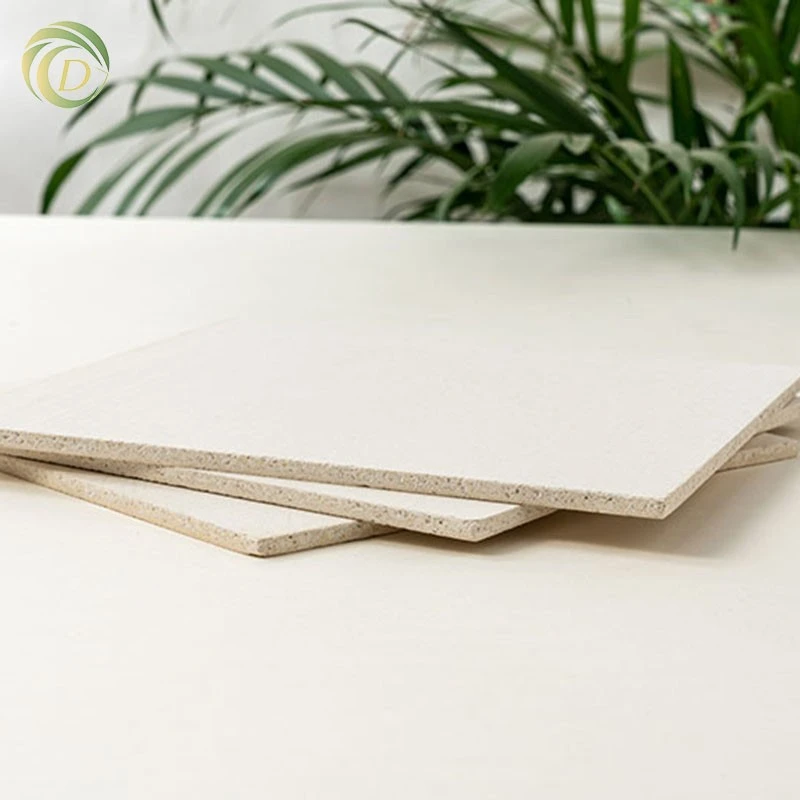
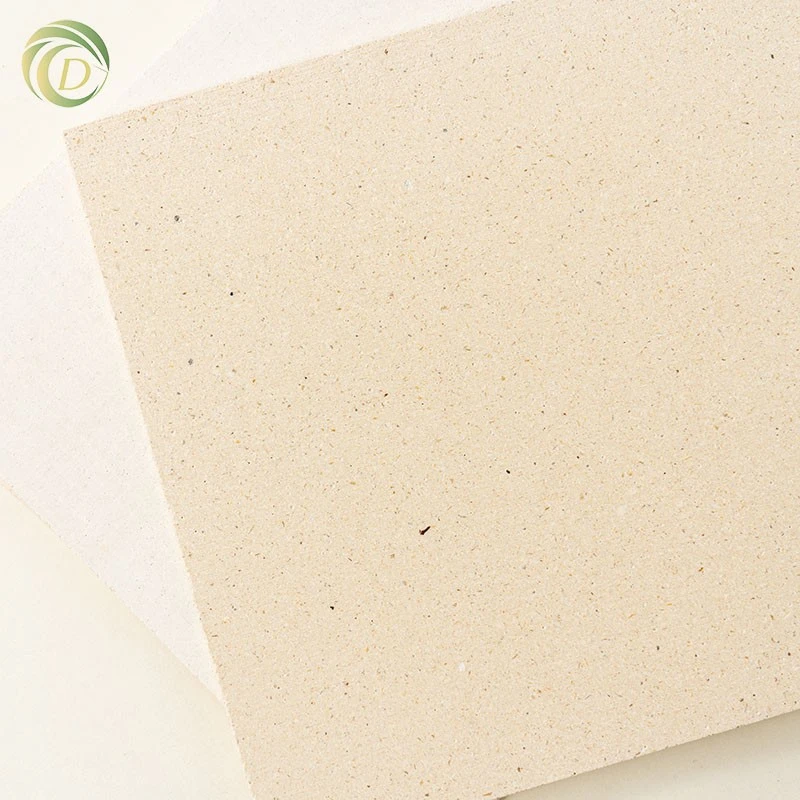
An insulated MGO sandwich panel is a factory-prefabricated composite building component. Its basic structure consists of two rigid magnesium oxide surface layers and a closed-cell thermal insulation core sandwiched in between. Most commercial panels adopt EPS, XPS or rigid PIR foam as the core material, with core thicknesses ranging from 50mm to 150mm depending on usage scenarios. MGO substrate itself features low water absorption and stable dimensional changes under varying temperature and humidity conditions, which makes it far more durable than color steel surface panels that are prone to rust and deformation. The entire panel is integrally bonded under industrial pressing, with no hollow gaps between the surface layer and core layer, avoiding the delamination and hollowing issues that often occur with manually pasted insulation materials on construction sites.
The energy-saving capacity of MGO sandwich panels is fundamentally derived from their stable thermal resistance. For conventional assembled walls, the biggest energy loss does not come from the wall material itself, but from inconsistent construction quality. On-site insulation laying is easily affected by workers' operation habits, weather conditions and on-site environment, resulting in partial thin insulation layers, gaps and poor overall thermal uniformity. In contrast, factory-produced MGO panels have fixed thermal resistance parameters based on core thickness and material. For example, a 75mm PIR core MGO panel commonly used in warehouses achieves a thermal conductivity of around 0.023 W/(m·K), effectively reducing the heat exchange efficiency between indoor and outdoor environments. In practical use, this means indoor cooling and heating loads will not rise sharply due to wall heat transfer, and HVAC equipment can maintain stable operation instead of frequent high-load startup.
Air tightness is another key factor affecting building energy consumption, and this is where prefabricated MGO panels show obvious practical advantages. Traditional block walls and color steel tile enclosures inevitably produce assembly gaps at joints, door and window openings, and wall-roof connections. These tiny gaps cause continuous air infiltration and exfiltration. In winter, cold outdoor air penetrates indoors, while indoor warm air escapes outward; in summer, hot and humid outdoor air seeps in, increasing dehumidification and cooling pressure. MGO sandwich panels adopt standardized modular splicing structures. The matching joint accessories and reserved splicing grooves greatly reduce assembly gaps. In actual completed buildings, this structural advantage effectively weakens the temperature fluctuation caused by air leakage, cutting down the invalid energy consumption generated by frequent HVAC adjustment.
In terms of long-term energy stability, MGO panels outperform many ordinary insulation panels. Many lightweight insulation materials suffer from performance attenuation after 3 to 5 years of use: EPS foam absorbs moisture in humid environments, XPS gradually ages and shrinks, and the overall thermal insulation effect drops significantly, leading to rising building energy consumption year by year. MGO boards have good moisture-proof and anti-aging properties, with no obvious deformation or pulverization after long-term exposure to natural environments. The closed-cell structure of the internal insulation core also maintains stable physical properties, so the thermal insulation performance of the building envelope will not decline obviously with the extension of service life. For industrial plants and logistics warehouses that require long-term continuous operation, this long-term stable energy-saving effect is more practical than short-term theoretical data.
From the perspective of whole-life cycle energy consumption, MGO sandwich panels also optimize energy costs in the construction stage. Traditional thermal insulation wall construction requires multiple processes including base layer treatment, bonding, fixing and surface finishing, with long on-site construction cycles and high energy consumption from mechanical equipment. MGO panels are fully prefabricated in factories and only need on-site splicing and fixing. The construction cycle of the building envelope is shortened by more than half compared with traditional processes, which reduces the energy consumption of on-site construction machinery and the waste of auxiliary materials. This construction-side energy saving is often overlooked, but it constitutes an important part of the building's overall energy-saving system.
It is necessary to objectively mention that the energy-saving effect of MGO sandwich panels is not unrestricted. Its performance is limited by core material thickness, installation precision and regional climate conditions. In ultra-low temperature or high-temperature and high-humidity extreme environments, it still needs to be matched with auxiliary thermal insulation and sealing measures to achieve optimal energy-saving results. Additionally, low-quality inferior MGO panels with unqualified core materials and insufficient bonding density cannot reach standard thermal insulation and air tightness performance, which is also a common problem in the actual engineering application of such panels.
Overall, insulated MGO sandwich panels are a practical and reliable envelope material for energy-saving buildings. It does not rely on exaggerated technical concepts, but solves many pain points in traditional building thermal insulation such as unstable construction quality, easy aging of performance and poor air tightness. In conventional industrial workshops, storage warehouses, temporary office buildings and low-rise commercial buildings, it can effectively reduce the overall energy consumption of building operation, and its stable long-term performance also reduces the energy loss caused by later maintenance and renovation.
Hot Tags: insulated mgo sandwich panel for energy saving, China insulated mgo sandwich panel for energy saving manufacturers, suppliers, factory
No Information


