


Magnesium Oxide Board Fire Resistance Roofing Sheathing
Magnesium oxide board roof sheathing, with its core advantages of "weather resistance, high strength, fire resistance, and easy construction," can provide comprehensive protection for roofs under complex climatic conditions. It is suitable for various scenarios such as industrial factories, warehousing and logistics facilities, and public buildings.
- Fast Delievery
- Quality Assurance
- 24/7 Customer Service
Product Introduction
Magnesium Oxide Board Fire resistance roofing sheathing
Fireproof MgO board is mainly made of magnesium oxide, magnesium chloride or magnesium sulfate. We also add glass fiber cloth, wood scraps and perlite as fillers and reinforcing materials.
It goes through mixing, molding and curing to finish production. When used for roof panels, it works really well in roof systems. Thanks to its great fire resistance, it's an essential material to keep roofs safe from fire hazards.
Advantages of Magnesium Oxide Board Fire resistance roofing sheathing
1. Excellent Fire Resistance
It has a pretty high fire resistance rating. If there's a fire, it can stop the fire from spreading effectively. It can stand high temperatures for a while-won't burn, and won't give off a lot of thick smoke. That buys us precious time for people to evacuate and for firefighters to rescue. Usually, a good quality fire-resistant magnesium oxide roof board can last 0.5 hours to several hours of fire resistance, depending on things like its formula and how thick it is. This makes it perfect for buildings that need high fire protection on their roofs.
2. Good Thermal Insulation
The structure and material of magnesium oxide board give it some thermal insulation ability. In summer, it keeps the heat from outside the roof from getting into the building; in winter, it stops the indoor heat from leaking out. That helps keep the inside of the building at a comfortable, stable temperature. It also cuts down on the building's energy use, so it's kind of energy-saving.
3. Strength and Stability
Magnesium oxide boards with glass fiber and other reinforcing materials are pretty strong. They can hold up the roof's own weight, wind and snow, and even people stepping on them sometimes. They stay structurally stable in normal use and all kinds of harsh environments-won't easily deform or crack. That makes sure the whole roof system stays intact.
4. Moisture-proof and Waterproof Properties
The magnesium oxide board itself is pretty dense, so it's good at keeping moisture out. It can block water vapor from the outside, so the roof won't get damaged, moldy, or rotten because of moisture. That helps make the roof board and the whole roof system last longer.
5. Environmental Protection
Its main raw materials, like magnesium oxide and magnesium chloride, are mostly inorganic materials. When they're made and used, they usually don't let out a lot of harmful chemicals. They meet environmental protection standards and don't affect the indoor or outdoor environment much. It's also good for the health of people living or working in the building.
Our Company
We are a company dedicated to magnesia cement products. Our main products are Magnesium Oxide Boards (MGO Board) for construction and laminated MgO boardsfor furniture and renovation. Our mission is to provide the world's construction markets with environmentally friendly, high-performance and sustainable green materials.
We work with China Magnesium Materials Association (CMMA) and Magnesium Oxide Association (MOCA) in North America to raise awareness and promote the use of magnesium oxide cement products. We focus on the quality control and consistency of the MGO products. We have been actively involved in developing American Society for Testing and Materials (ASTM) standards related with MGO products.
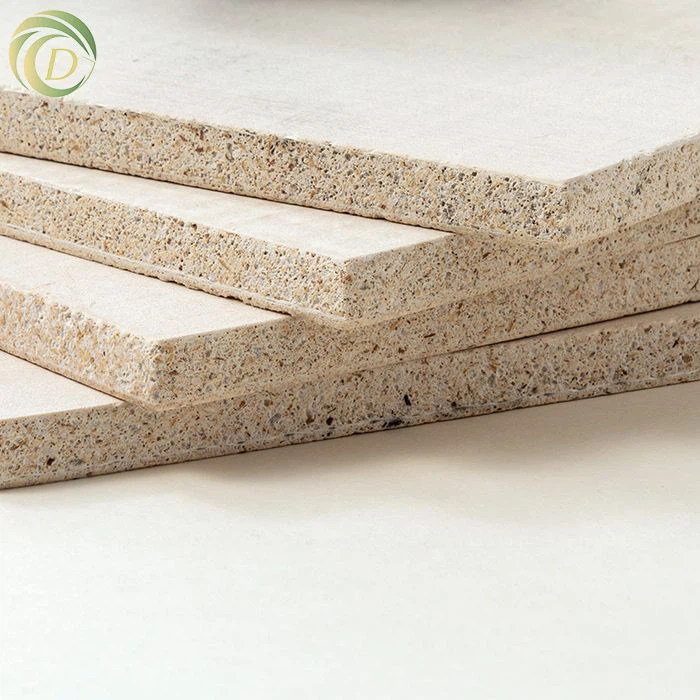
Magnesium oxide wall board is a technologically advanced building material that offers superior performance in every category when compared to traditional wood, gypsum and cement based products.
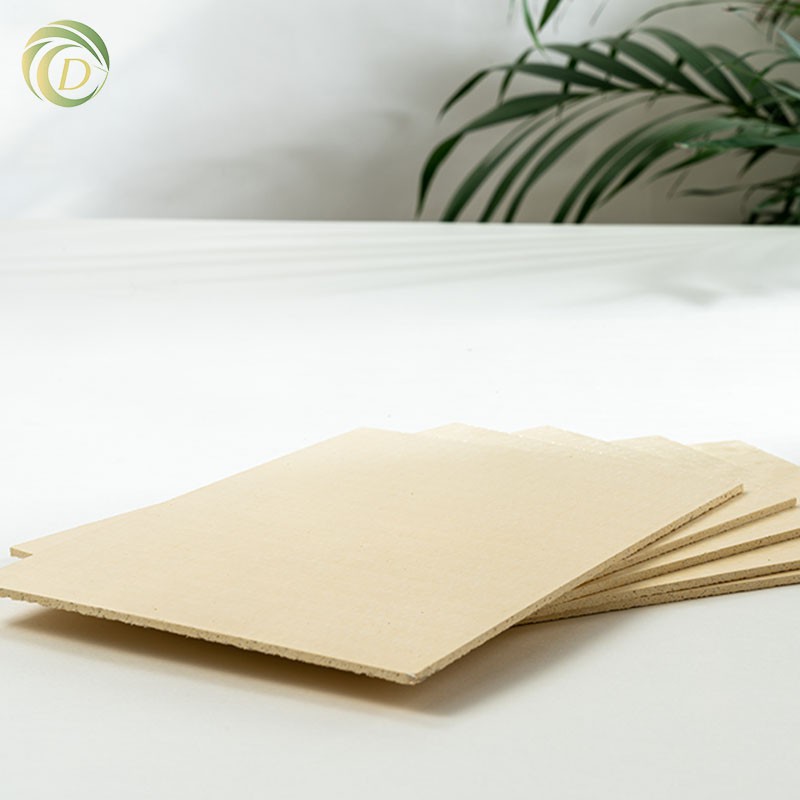
Magnesium Oxide Wall Panels are cementitious substrate products reinforced with magnesium oxide fibre matting.

Fire resistant magnesium oxide wallboard is a new type of refractory material. It is widely used primarily as a wallboard alternative to conventional gypsum-based drywall and plywood.

It is non combustible and fire rated Class A1. With options for up to a 2 hour fire resistance, MgO Board offers an innovative passive fire protection alternative for your construction projects.

MgO board has very good fire performance. It does not spread flames or smoke. It is noncombustible and fire-rated A1, which helps protect homeowners, tenants and building occupants while mitigating damage and loss.

Magnesium oxide wall board is made of magnesium oxide, magnesium sulfate or magnesium chloride, glass fiber mesh, perlite and wood fiber.
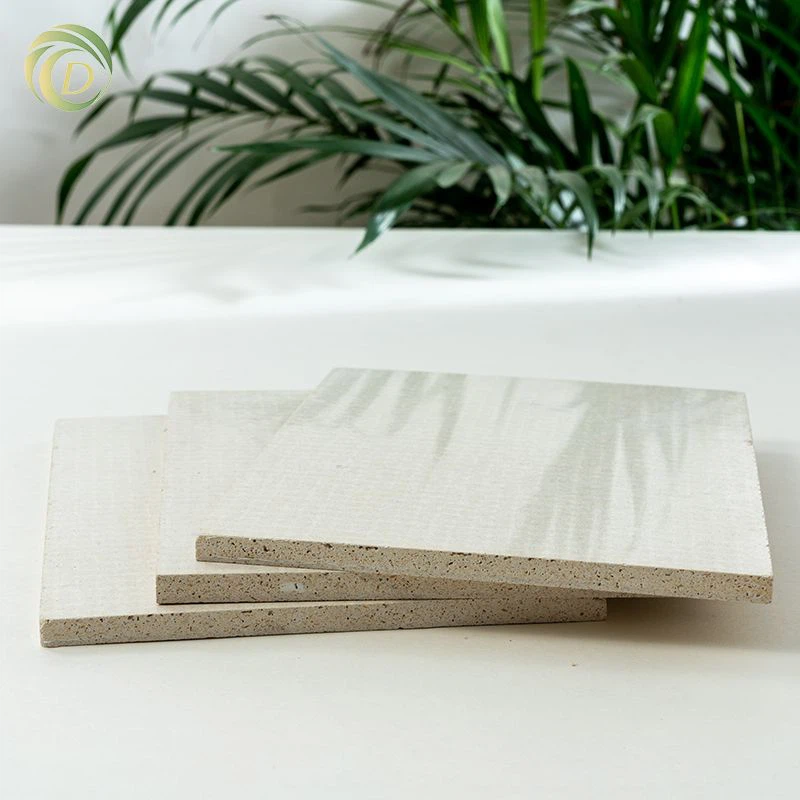
It is an upgraded product of fireboard. A properly constructed assembly with our MgO fireproof wall board can achieve a 3-hour fireproof rating.

Fire Resistant Internal Wall Board
Our Fire Resistant Internal Wall Board is a fiberglass reinforced magnesium oxide cement board. It can be used to replace traditional gypsum drywall for wall and ceiling finishes and sheathing.
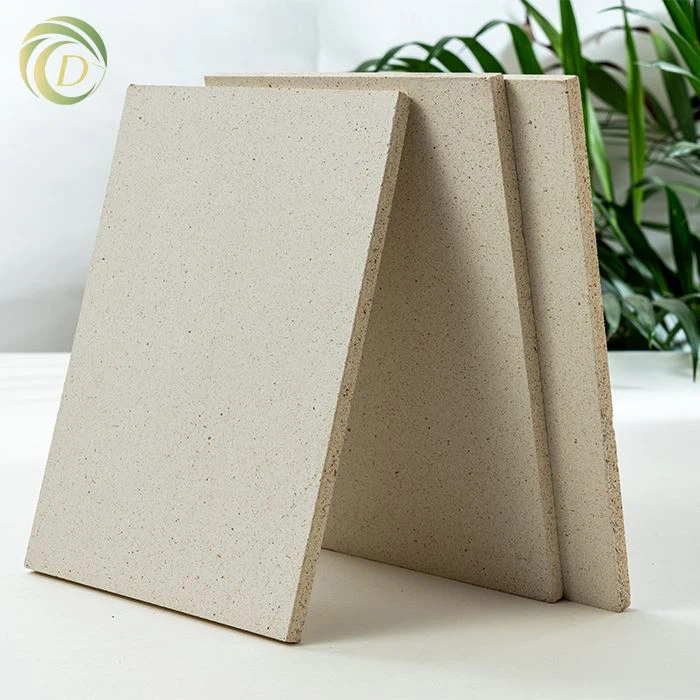
Fireproof Exterior Wall Panels
Magnesium oxide board is a new type of fire-resistant building material. The main raw materials are magnesium oxide, magnesium chloride/sulfate and perlite.
What Is Manufacturing Process of the Magnesium Oxide Board Fire Resistance Roof Sheathing
1. Raw Material Preparation
Weigh the raw materials such as magnesium oxide, magnesium chloride, filling materials (such as perlite, wood chips, etc.) and modifiers accurately according to a certain ratio to ensure that the proportion of each component is reasonable. This is the basis for ensuring the performance of the magnesium oxide board. For example, the activity of magnesium oxide and the concentration of magnesium chloride will affect the quality of the final board.
2. Mixing and Stirring
Put the weighed raw materials into professional mixing equipment and stir them thoroughly until they are evenly mixed. This allows magnesium oxide, magnesium chloride and other substances to fully react, and at the same time enables the filling materials to be evenly distributed in the material system. During this process, the time and speed of stirring need to be controlled properly to avoid local unevenness.
3. Board Forming
Pour the well-stirred materials into specific molds and shape them into boards with specified sizes and thicknesses through extrusion, pressing and other methods. During this process, glass fiber cloth and other reinforcing materials are sometimes laid in cooperation to further improve the strength and toughness of the boards. The pressure and time conditions for forming should be strictly controlled to ensure the stable quality of the boards.
4. Curing Treatment
The formed boards need to undergo curing for a certain period of time. Generally, they are placed in an environment with specific temperature and humidity to allow the internal chemical reactions to proceed fully so that the performance of the boards gradually stabilizes and reaches the best state. The length of the curing time varies according to the actual process requirements, usually ranging from several days to several weeks.
Installation Points of Manufacturing Magnesium Oxide Board Roof Sheathing


1. Base Preparation
The roof base should be flat, solid and dry. Thoroughly clean the debris, dust, oil stains and other substances on the surface of the base. If the base is uneven, it should be repaired and leveled in advance to ensure that the magnesium oxide board can closely fit the base and avoid installation problems such as hollowing and warping.
2. Board Cutting and Splicing
Accurately cut the fire-resistant magnesium oxide board according to the actual size and shape requirements of the roof. When cutting, use professional cutting tools to ensure that the cut edges are flat. When splicing the boards, pay attention to the treatment of the splicing joints. Sealant and other materials can be used for sealing, and the adjacent boards should be closely fitted without leaving too large gaps to prevent rainwater, dust and other substances from entering, and at the same time avoid becoming a weak link for the spread of the fire in case of a fire.
3. Fixing Methods
Common fixing methods include self-tapping screw fixing and adhesive fixing. When using self-tapping screw fixing, select appropriate specifications of screws and evenly fix the magnesium oxide board on the base at a certain spacing. The screw heads should be flush with or slightly lower than the surface of the board to prevent affecting subsequent protection or decoration treatment. For adhesive fixing, use special adhesives that meet the requirements of environmental protection and fire protection and evenly apply them on the contact surface between the board and the base to ensure firm adhesion.
4. Waterproof Treatment
Although the magnesium oxide board itself has a certain moisture-proof and waterproof ability, in order to ensure the overall waterproof performance of the roof, further waterproof treatment, such as laying waterproof rolls or applying waterproof coatings, needs to be carried out on its surface after installing the magnesium oxide board roof sheathing to form a complete waterproof system and prevent rainwater leakage.
What is Magnesium Oxide Board Fire Resistance Roof Sheathing Used For
1. Roof of Industrial Buildings
In factory workshops, warehouses and other places, there are a large number of production materials and goods stored inside, and there may be fire hazards during the production process. The fire-resistant magnesium oxide board roof sheathing can effectively prevent the fire from spreading rapidly through the roof after a fire occurs, protecting the asset safety in the factory building. Meanwhile, its relatively good strength and stability can also meet the load requirements of the roofs of industrial buildings.
2. Roof of Commercial Buildings
For commercial places with dense personnel such as shopping malls, hotels and supermarkets, the fire safety of the roof is of vital importance. The fire-resistant magnesium oxide board roof sheathing can ensure the time for personnel evacuation in case of a fire, reduce the damage to the building structure caused by the fire, and facilitate subsequent repair and reopening, thus safeguarding the commercial operation.
3. Roof of Public Buildings
For public buildings such as schools, hospitals, libraries and gymnasiums, the use of fire-resistant magnesium oxide board sheathing on their roofs can improve the fire protection level of the entire building, protect the lives of teachers, students, patients, readers, audiences and other people as well as the important facilities and materials in the building, which meets the high standards of safety and fire protection requirements for public buildings.
4. Roof of Residential Buildings
In multi-story and high-rise residential buildings, the roof is an important protective part of the building. Using fire-resistant magnesium oxide board roof sheathing can enhance the fire protection performance of the entire building, prevent the fire from breaking through the roof and entering the interior of the building, and ensure the living safety of residents, thus creating a safer living environment for households.
What Is The Difference Between Magnesium Oxide Board Fire Restance Roof Sheathing And other Board
The differences between MgO board roof sheathing and other common roofing materials (such as plywood, OSB boards, cement fiberboards, gypsum boards, polystyrene boards, etc.) mainly lie in material nature, core performance, and applicable scenarios. The specific differences are as follows:
1. Differences in Material Composition and Structure
MgO board roof sheathing: Uses magnesium oxide and magnesium chloride as core cementitious materials, forming a stable crystalline structure through magnesia-oxygen reaction, reinforced with glass fiber cloth. It is an inorganic mineral-based board with no organic components.
Plywood/OSB boards: Based on wood fibers, bonded with adhesives, belonging to organic natural materials containing a large amount of cellulose.
Cement fiberboards: Made of cement as the cementitious material, mixed with wood fibers and pressed, classified as cement-based composite materials.
Gypsum boards: Mainly composed of gypsum, reinforced by paper surfaces, essentially sulfate mineral materials.
Polystyrene boards: Foamed from polystyrene resin, belonging to organic synthetic materials.
2. Differences in Core Performance
Fire resistance
MgO boards: Class A non-combustible, stable at high temperatures without releasing toxic gases.
Wood-based boards/polystyrene boards: Flammable (wood-based boards have low ignition points; polystyrene boards melt and release thick smoke when exposed to fire).
Cement fiberboards/gypsum boards: Cement fiberboards are Class A non-combustible but prone to cracking at high temperatures; gypsum boards have flammable paper surfaces with lower fire ratings.
Moisture and water resistance
MgO boards: Water absorption rate ≤12%, no deformation or decay in humid environments.
Wood-based boards: Easily absorb water, swell, and mold; long-term humidity leads to decay.
Cement fiberboards: Moderate water resistance; long-term immersion may reduce strength.
Gypsum boards: Soften and collapse when exposed to water, completely unsuitable for roofs.
Polystyrene boards: Do not absorb water themselves, but joints are prone to water seepage, requiring additional waterproofing.
Strength and durability
MgO boards: Flexural strength ≥12MPa, strong impact resistance and weather resistance (UV and freeze-thaw resistance), low shrinkage rate (≤0.3%).
Wood-based boards: Low strength (flexural strength 3-5MPa), prone to deformation and cracking due to temperature and humidity changes.
Cement fiberboards: High strength but heavy (density 1.2-1.5g/cm³), increasing roof load.
Polystyrene boards: Extremely low strength (compressive strength ≤0.2MPa), easily damaged by impact, and poor weather resistance (prone to aging).
Environmental friendliness and pest resistance
MgO boards: Inorganic materials, no formaldehyde or organic fibers, resistant to termites and corrosion, recyclable.
Wood-based boards: May contain formaldehyde from adhesives, vulnerable to termite infestation, requiring regular anti-corrosion treatment.
Cement fiberboards: High carbon emissions from cement production, consuming wood resources for fibers.
3. Differences in Applicable Scenarios
MgO boards: Preferred for roofs of buildings in rainy, coastal, high-temperature, or fire-prone areas (such as factories, villas, and forest-area buildings), especially suitable for humid environments, heavy-load roofs, or scenarios with high environmental protection requirements.
Wood-based boards: Only applicable to temporary roofs in dry areas with low fire protection requirements, requiring frequent maintenance.
Cement fiberboards: Suitable for roofs in dry areas but need consideration of roof load-bearing design.
Gypsum boards: Completely unsuitable for roofs, limited to dry indoor environments.
Polystyrene boards: Mainly used as roof insulation layers, requiring matching fireproof and protective surface layers, and cannot be used alone as sheathing.
Summary
The core difference of MgO board roof sheathing lies in the comprehensive performance advantages brought by its "inorganic mineral-based nature"-it simultaneously meets multiple requirements of roof scenarios such as fire resistance, moisture resistance, high strength, weather resistance, and environmental friendliness. In contrast, other materials are mostly limited in single performance and cannot balance the complex requirements of roof environments.
FAQ
Hot Tags: magnesium oxide board fire resistance roofing sheathing, China magnesium oxide board fire resistance roofing sheathing manufacturers, suppliers, factory, mgo roof black roof sheathing, mgo roof skylight roof sheathing, mgo roof impact resistant sheathing, mgo roof epoxy roof sheathing, mgo roof material, mgo roof apartment roof sheathing


