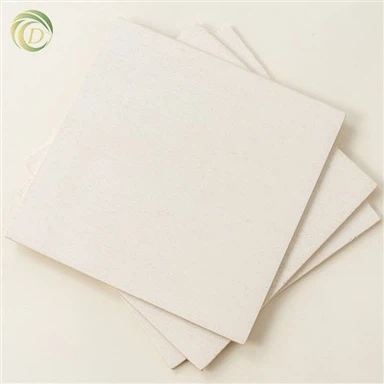
Fireproof MGO Board For Cladding
Fireproof MGO Board for Cladding (Magnesium Oxide Cladding Board) is a high-performance building material specifically engineered for exterior and interior cladding applications, integrating Class A1 fire resistance, weather durability, environmental friendliness, and structural stability. As a core solution for fire-safe building envelopes, it is widely used in architectural facades, steel structure protection, and industrial enclosure systems. Below is a detailed breakdown of its key features, specifications, applications, and advantages, tailored
- Fast Delievery
- Quality Assurance
- 24/7 Customer Service
Product Introduction
We are a trusted provider of high-performance, sustainable building materials, focused on magnesium oxide (MGO)-based solutions.
Our core product - MGO Boards - offers fire resistance, lightweight with high strength, moisture and mold resistance, and lasting durability, making it ideal for a wide range of architectural and decorative applications.
We collaborate with leading industry associations, including the China Magnesium & Materials Association (CMMA), where we serve as the Chair of the International Exchange Committee, as well as the Magnesium Oxide Building Products Association (MgOBPA) and the Magnesium Oxide Cement Association (MOCA).
Guided by our commitment to innovation and sustainability, we provide high-performance materials that support the future of green construction.

Magnesium Oxide Wall Board offers unmatched performance with its fire resistance, lightweight and high-strength structure, moisture and mold protection, and superior durability-making it a better choice than traditional materials like gypsum, cement, and wood-based boards.

Fire Retardant Board is a mineral matrix engineered board designed to contain a fire within a compartment of a building by acting as a barrier to stop the spread of heat, smoke, fire and gases. It can be used for steel protection, walls, ceilings, ducts, concrete protection and sealing penetrations and voids.
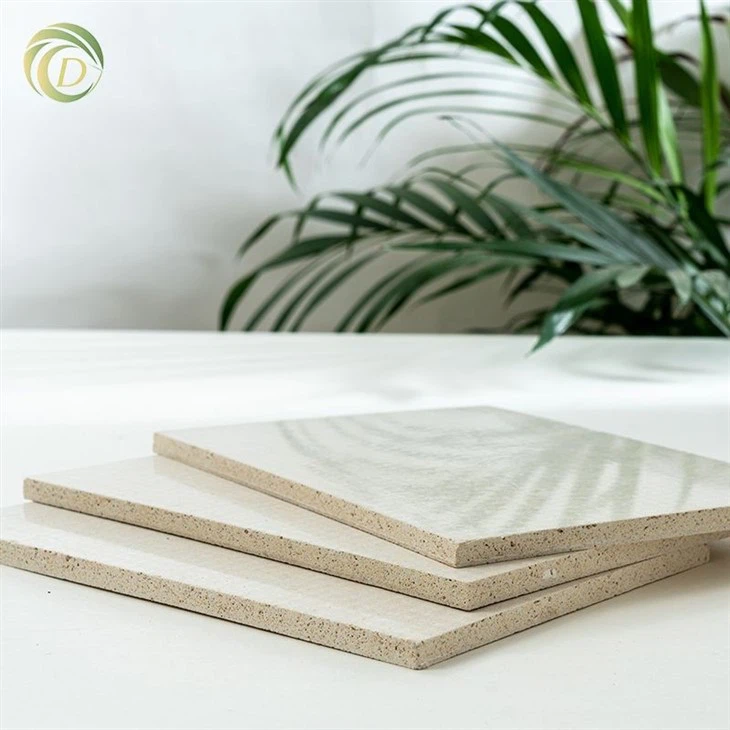
Fireproof wall board, also known as fire-resistant wall board or fire-rated wall board, is a type of building material designed to resist the spread of fire and provide some level of protection in case of a fire. It is commonly used in construction to create fire-resistant partitions, walls, and ceilings.

Magnesia boards are used in place of traditional gypsum drywall as wall and ceiling covering material and sheathing.

The non-combustible property of magnesium oxide board comes from its inorganic mineral components and stable structure.

Decorative panels, with magnesium oxide board as the base material, are widely used in interior decoration industry. These panels are extensively used in high-end residential, commercial and industrial projects for interior decoration.

As a sheathing board, magnesium oxide board has core competitiveness in non-combustibility, water and corrosion resistance, and structural stability, while also being convenient for construction and environmentally friendly.

Magnesium oxide board demonstrates good mildew-proof characteristics due to its unique advantages. Its alkaline nature resulting from the main raw materials is not conducive to the growth of mold.

As the new generation of inorganic eco-friendly building materials, MGO Exterior Deck boards have become the preferred material for outdoor walkways, scenic platforms, and other outdoor construction projects due to their lightweight strength, fire resistance, moisture protection, and weather resistance.
Fireproof MGO Board for Cladding
Fireproof MGO Cladding Board is a non-combustible cladding material made from inorganic minerals, designed to provide fire protection, weatherproofing, and decorative functionality for building exteriors and interiors. It combines the inherent fire resistance of MGO (magnesium oxide) with enhanced formulas for outdoor durability, making it suitable for both load-bearing and non-load-bearing cladding systems.
Advantages of Fireproof MGO Board for Cladding
1. Fire Resistance (Class A1, Non-Combustible)
Fire Rating: Complies with EN 13501-1 Class A1, ASTM E136 Class A, and GB 8624-2012 A1 standards – highest fire rating for building materials.
Key Fire Properties:
Sustained combustion time: 0 seconds; no open flames at 1200℃.
Fire resistance limit: Up to 2-4 hours when used with fireproof sealants and keel systems.
Toxicity: Releases only water vapor and inert gases during combustion – no formaldehyde, smoke, or toxic fumes (meets EN 13501-1 Smoke Toxicity Class SA).
2. Weather & Moisture Resistance
Outdoor Durability: Withstands extreme temperatures (-40℃ to 70℃), UV radiation, and heavy rainfall – no fading, warping, or delamination after 5+ years of outdoor exposure.
Water Resistance: Water absorption rate ≤ 8% (ASTM D1037 standard); no swelling or softening even after 72 hours of water immersion.
Corrosion Resistance: Chlorine-free formulation avoids galvanic corrosion when in contact with steel structures or fasteners – ideal for coastal or high-humidity regions.
3. Structural Stability & Impact Resistance
Lightweight yet High Strength: Density 1000-1100 kg/m³; dry bending strength ≥ 18 MPa, impact resistance ≥ 5 kJ/m² (exceeds gypsum and fiber cement cladding).
Dimensional Stability: Low moisture movement (≤ 0.12%) – no expansion or contraction under temperature/humidity changes, ensuring long-term cladding flatness.
Workability: Can be sawn, drilled, or routed with standard tools – easy to install complex shapes (e.g., corner trims, curved facades).
4. Environmental Friendliness & Health Safety
Formaldehyde-Free: Zero VOC emissions, no asbestos, benzene, or heavy metals – complies with EU REACH, US CARB P2, and LEED green building standards.
Sustainable: Made from abundant natural minerals; 100% recyclable at end-of-life; low energy consumption during production (30% less than cement-based cladding).
5. Decorative Versatility
Surface Finishes: Sanded (smooth for painting), brushed (textured for industrial styles), or custom patterns (e.g., wood grain, stone texture) – reduces the need for additional decorative layers.
Color Adaptability: Compatible with water-based paints, architectural coatings, or thermal insulation coatings – supports personalized facade designs.
Fireproof MGO Board for Cladding


Specifications & Customization Options
Standard Specifications
| Parameter | Range of Options |
|---|---|
| Length | 1220mm, 2440mm, 2750mm, 3050mm (customizable up to 6000mm) |
| Width | 915mm, 1220mm |
| Thickness | 6mm, 8mm, 10mm, 12mm, 15mm, 18mm, 20mm |
| Edge Profile | Square edge, beveled edge, tongue-and-groove (for seamless installation) |
| Surface Treatment | Sanded (Ra ≤ 3.2μm), brushed, textured |
| Density | 1000-1100 kg/m³ |
| Fire Resistance Limit | 1-4 hours (depending on thickness and system design) |
Customization Services
- Size Customization: Supports non-standard lengths/widths for large-scale projects (e.g., high-rise facades, industrial workshops).
- Surface Customization: Wood grain, stone grain, or matte/glossy finishes – tailored to architectural design requirements.
- Performance Enhancement: Anti-corrosion coating for coastal areas, thermal insulation layers for energy-saving projects, or acoustic perforations for interior cladding.
Key Application Scenarios
① Architectural Exterior Cladding
-
Residential Buildings: Villas, high-rise apartments, and modular homes – fire-safe, weatherproof, and decorative facades.
-
Commercial Buildings: Shopping malls, office towers, hotels, and retail stores – meets strict fire codes for public spaces; compatible with curtain wall systems.
-
Cultural & Public Buildings: Theaters, museums, schools, and hospitals – combines fire protection with aesthetic flexibility; low maintenance for high-traffic areas.
② Steel Structure Fire Protection Cladding
-
Industrial Plants: Power plants, petrochemical facilities, and steel mills – protects steel beams/columns from fire (prevents structural collapse for 2+ hours).
-
Infrastructure: Bridges, stadiums, and transportation hubs – lightweight cladding reduces structural load; corrosion-resistant for outdoor steel structures.
③ Interior Cladding & Fire Separation
-
Public Areas: Corridors, stairwells, and elevator lobbies in high-rises – fire-rated partitions that enhance safety without sacrificing space.
-
Industrial Interiors: Clean rooms (electronics/pharmaceutical factories), data centers, and warehouses – moisture-resistant, dust-free, and fire-safe cladding.
④ Special Environments
-
Coastal Regions: Saltwater corrosion-resistant formulation – ideal for coastal villas, ports, and marine facilities.
-
Cold Climates: Freeze-thaw resistant (passes 50 cycles of freeze-thaw testing) – suitable for northern Europe, Canada, and other low-temperature regions.
-
High-Humidity Areas: Basements, swimming pools, and food processing plants – moisture-proof and mold-resistant cladding.
Comparison with Traditional Cladding Materials
|
Feature |
Fireproof MGO Cladding Board |
Gypsum Board Cladding |
Fiber Cement Cladding |
Plywood Cladding |
|---|---|---|---|---|
|
Fire Rating |
Class A1 (Non-combustible) |
Class B1 (Combustible) |
Class A2 (Limited Combustion) |
Flammable |
|
Weather Resistance |
Excellent (outdoor use) |
Poor (indoor only) |
Good (prone to cracking) |
Poor (rot/mold) |
|
Water Resistance |
Excellent (≤8% absorption) |
Poor (swells easily) |
Average (10-15% absorption) |
Poor |
|
Impact Resistance |
High (≥5 kJ/m²) |
Low (prone to damage) |
Medium (brittle) |
Medium (easily dented) |
|
Environmental Friendliness |
Formaldehyde-free, 100% recyclable |
Low VOC, limited recyclability |
Low VOC, non-recyclable |
Formaldehyde emissions, limited recyclability |
|
Installation Speed |
Fast (lightweight, easy to cut) |
Medium |
Slow (heavy) |
Medium |
|
Service Life |
50+ years |
10-15 years |
20-25 years |
15-20 years |
Installation Guidelines & Maintenance
Installation Key Points
- Fasteners: Use 316-grade stainless steel screws or aluminum rivets (prevents corrosion); spacing: 150-200mm along edges, 250-300mm in the field.
- Joint Treatment: Leave 3-5mm expansion gaps between panels; fill with fireproof silicone sealant (for exterior) or joint compound (for interior) to ensure waterproofing and fire resistance.
- Substrate Requirements: Install on galvanized steel keels or treated wood frames (moisture content ≤ 12%); ensure the substrate is level and stable.
- Outdoor Installation: Add a breathable waterproof membrane behind the board (for facades) to prevent moisture accumulation; slope the board slightly to drain rainwater.
Maintenance & Care
- Daily Cleaning: Wipe with a soft cloth and neutral detergent (avoid harsh chemicals like bleach); rinse with water for exterior cladding.
- Inspection: Annually check for loose fasteners, sealant cracks, or surface damage – touch up with paint or replace damaged panels promptly.
- Storage: Store in a dry, flat area; stack no more than 15 panels high; cover with waterproof sheeting if stored outdoors.
Materials Used in Fireproof MGO Board for Cladding
Magnesium Oxide
Magnesium oxide is the basic or primary component of MgO boards, but you already know that! It is a naturally occurring compound from magnesium-rich minerals such as magnesite (MgCO3). Magnesium oxide can also be obtained through the extraction of magnesium hydroxide. But, it also involves calcining the hydroxide to form MgO.
Calcining refers to the thermal treatment of solid compounds.
Wood Fibers
Wood or cellulose fibers come from natural wood or plant sources. Then, manufacturers process these fibers and incorporate them into composite materials. Cellulose fibers actually contribute to structural integrity and flexibility. These fibers allow the boards to be cut and shaped more easily.
Fiberglass Mesh
Fiberglass mesh is a network of woven fiberglass strands. Manufacturers use it in construction materials to provide reinforcement. The same goes for MgO boards! Fiberglass mesh in MgO boards increases the tensile strength of the boards and enhances durability.
Step-by-Step Guide on Fireproof MGO Board for Cladding
Preparation Work: Check that the construction site ground is flat and free of debris, and ensure waterproofing treatment is done well. Prepare necessary tools and materials such as cutting machines, electric drills, screwdrivers, special glue, and sealants. Meanwhile, confirm that the magnesium oxide boards are flat, undamaged, and their performance meets the requirements for resisting hurricanes.
Base Treatment: Inspect that the base layer is flat, dry, and free of oil stains, etc. Fill in any depressions and polish down any protrusions. If using the pasting method, apply a base treatment agent as required to enhance adhesion, and proceed with subsequent operations after it dries.
Measurement and Cutting: Measure the dimensions of the installation area, draw contour lines on the magnesium oxide board, and cut along the lines using a saw or cutting machine, keeping the cuts neat and free of burrs.
Installing Keels: In hurricane-resistant scenarios, the keels must be stable. The center spacing of vertical keels should be controlled within 450-600mm. Additional keels should be added at wall joints and on both sides of doors and windows; if the wall height exceeds 2440mm, supporting keels should also be installed at the joints of the boards.
Fixing the Boards: It is recommended to use boards with a thickness of 6mm or more. Fix the boards to the keels with 3.5×200mm countersunk screws, ensuring the screw heads are 0.5mm below the board surface. The center distance between screw installations is set to 150mm, about 10mm from the board edge, and approximately 30mm from the board corner.
Joint Treatment: Leave a 4-6mm gap between adjacent boards. Use 107 glue or strong adhesive to mix, apply it to the boards and gaps with a scraper, then paste and flatten with paper tape or mesh tape. For high-sealing requirements, special sealant can be applied.
Treatment of Special Areas: When tiling in damp areas, reduce the keel spacing to 400mm, and set an expansion joint every about 3.6 meters on the wall. For areas where heavy objects need to be hung, reinforce with wooden boards or keels.
Inspection and Acceptance: Use a level and a straightedge to check the flatness and verticality of the magnesium oxide boards. Test the stability of key parts or under simulated strong wind conditions, and promptly reinforce and adjust if there are any loose conditions.
Applications of MgO Boards
Due to their versatility, MgO boards can be used on a large scale. Here are a few of them:
Residential Construction
MgO boards can be used in residential buildings. They are widely used in toilets, bathrooms, rooms, and other corners of houses.
Commercial and Industry Buildings
MgO boards are used for outside facades in commercial buildings. Business offices can also use them for ceiling tiles and office partitions. This will make a perfect soundproof meeting room. Their resilience to fire and longevity are especially useful in heavy-traffic areas. Besides this, buildings with strict fire safety regulations opt for them.
For Renovation
The easy installation makes them a quick pick for renovation. They can be applied on existing surfaces for:
-
Fire safety
-
Moisture resistance
-
Mould resistance
-
Insulation
Specialized Applications
Lastly, MgO boards are also used in specialized use cases such as:
-
Fireproofing panels
-
Hurricane sheathings
-
Soundproofing barriers
-
After reading about all these properties, we can say it is a universal building material. MgO boards are perfect for use in public buildings.
FAQ
Hot Tags: fireproof mgo board for cladding, China fireproof mgo board for cladding manufacturers, suppliers, factory