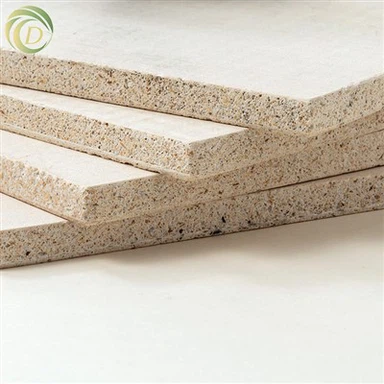
Fireproof Wall Board
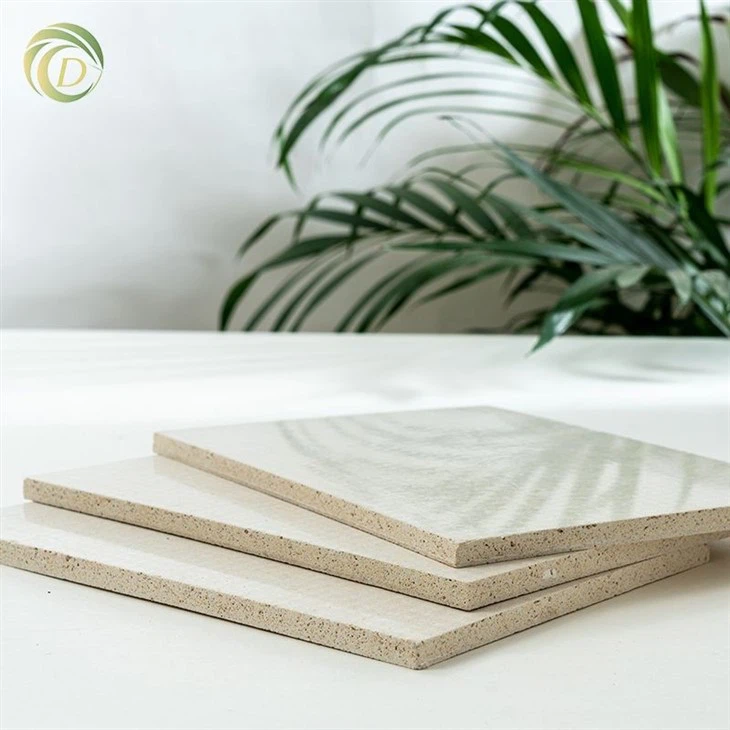
Fireproof wall board, also known as fire-resistant wall board or fire-rated wall board, is a type of building material designed to resist the spread of fire and provide some level of protection in case of a fire. It is commonly used in construction to create fire-resistant partitions, walls, and ceilings.
- Fast Delievery
- Quality Assurance
- 24/7 Customer Service
Product Introduction
What Is Fireproof Wall Board
Fireproof wall board, also known as fire-resistant wall board or fire-rated wall board, is a type of building material designed to resist the spread of fire and provide some level of protection in case of a fire. It is commonly used in construction to create fire-resistant partitions, walls, and ceilings.
Advantages of Fireproof Wall Board
Fire Resistance: Fireproof wall boards are specifically designed to withstand high temperatures and prevent the spread of fire. They have a high fire resistance rating, which means they can provide a barrier against flames for a longer period of time compared to traditional wall materials.
Safety: By using fireproof wall boards, you can increase the safety of your building and its occupants. These boards are non-combustible and do not release toxic fumes or smoke when exposed to fire. This can give people more time to evacuate the building and minimize the risk of injury or loss of life.
Insulation: Fireproof wall boards often have good thermal insulation properties. They can help to regulate the temperature in a building, reducing the need for additional heating or cooling systems. This can lead to energy savings and lower utility bills.
Soundproofing: Many fireproof wall boards have excellent soundproofing qualities. They can help to reduce noise transmission between different areas of a building, providing a quieter and more comfortable environment.
Durability: Fireproof wall boards are typically made from strong and durable materials, such as gypsum or cement. They are resistant to wear and tear, impact, and moisture, making them a long-lasting option for walls.
Versatility: Fireproof wall boards can be used in different applications, including interior and exterior walls, ceilings, and partitions. They can be painted or decorated to match the desired aesthetic of a space.
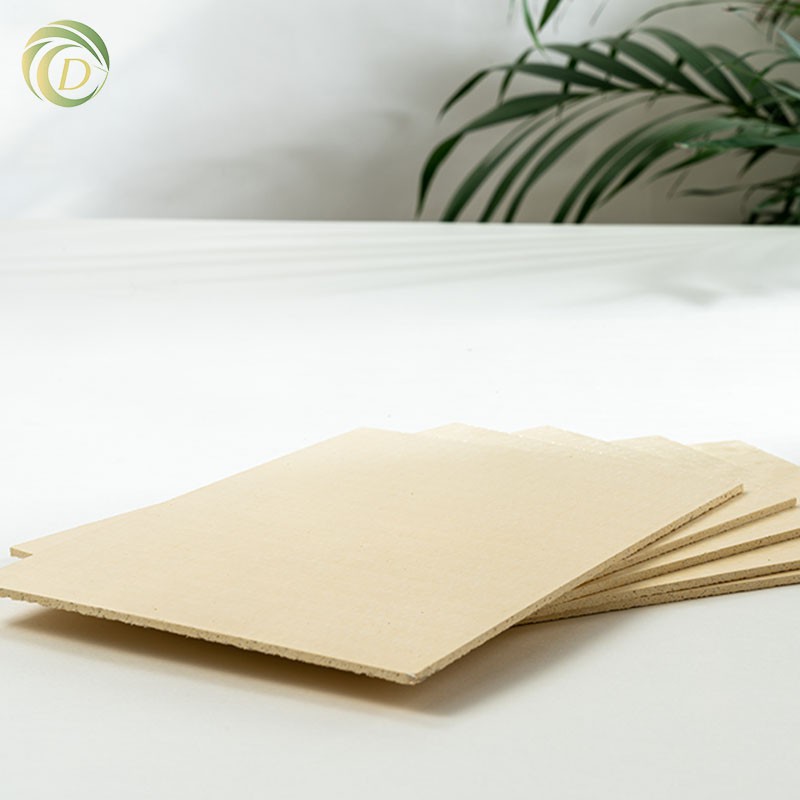


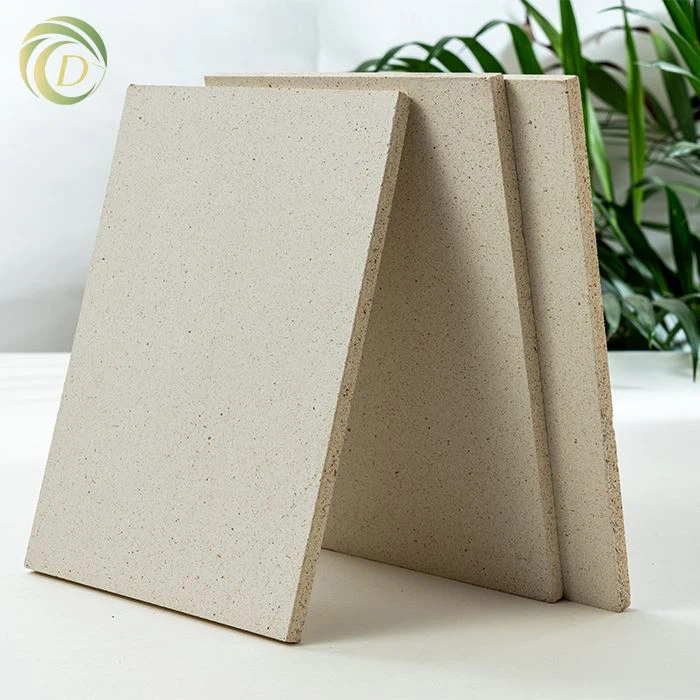
What Are The Main Materials Used In Fireproof Wall Board
The main materials used in fireproof wall boards are:
Gypsum: A non-combustible mineral that is commonly used as the core material in fireproof wall boards. Gypsum is known for its fire-resistant properties, as it does not contribute to the spread of flames.
Fiberglass: Sometimes, fireproof wall boards are reinforced with fiberglass to enhance their fire resistance. Fiberglass is a non-combustible material that can withstand high temperatures without melting or burning.
Cellulose Fibers: Fireproof wall boards may also contain cellulose fibers, which are derived from wood or other plant-based sources. These fibers provide strength and stability to the wall board while also improving its fire resistance.
Additives: Various additives may be included in the manufacturing process to enhance the fireproof properties of the wall board. These additives can include fire retardants, such as aluminum trihydrate or magnesium hydroxide, which release water vapor when exposed to high heat, thus slowing down the spread of fire.
Paper Or Fiberglass Facings: Fireproof wall boards often have paper or fiberglass facings on their surfaces to provide a smooth finish and improve their resistance to moisture. These facings may be treated with fire-resistant coatings to further enhance the fireproof capability of the wall board.
How Does Fireproof Wall Board Differ From Regular Wall Boards
Fireproof wall board, also known as fire-resistant gypsum board, is specifically designed to provide increased resistance to fire compared to regular wall boards. Here are a few key differences:
Composition: Fireproof wall board contains additional fire-resistant materials, such as glass fibers and special additives, which enhance its ability to withstand fire. It typically consists of a gypsum core sandwiched between layers of paper or fiberglass.
Fire Resistance Rating: Fireproof wall board has a higher fire resistance rating than regular wall boards. It is tested and rated according to recognized standards, such as ASTM E119 or UL 263, to determine the duration it can withstand fire exposure without losing its structural integrity.
Flame Spread and Smoke Generation: Fireproof wall board has lower flame spread and smoke generation properties compared to regular wall boards. This means that it will not contribute to the spread of fire or produce as much smoke, allowing more time for evacuation and reducing potential damage.
Thermal Insulation: Fireproof wall board provides better thermal insulation compared to regular wall boards. It helps to slow down the transfer of heat during a fire, reducing the risk of structural damage and providing additional protection to the building.
Code Compliance: Building codes often require the use of fireproof wall board in certain areas of a building, such as stairwells, fire-rated partitions, and ceilings. It ensures compliance with fire safety regulations and provides added protection to occupants.
Can Fireproof Wall Board Be Used As a Partition Wall
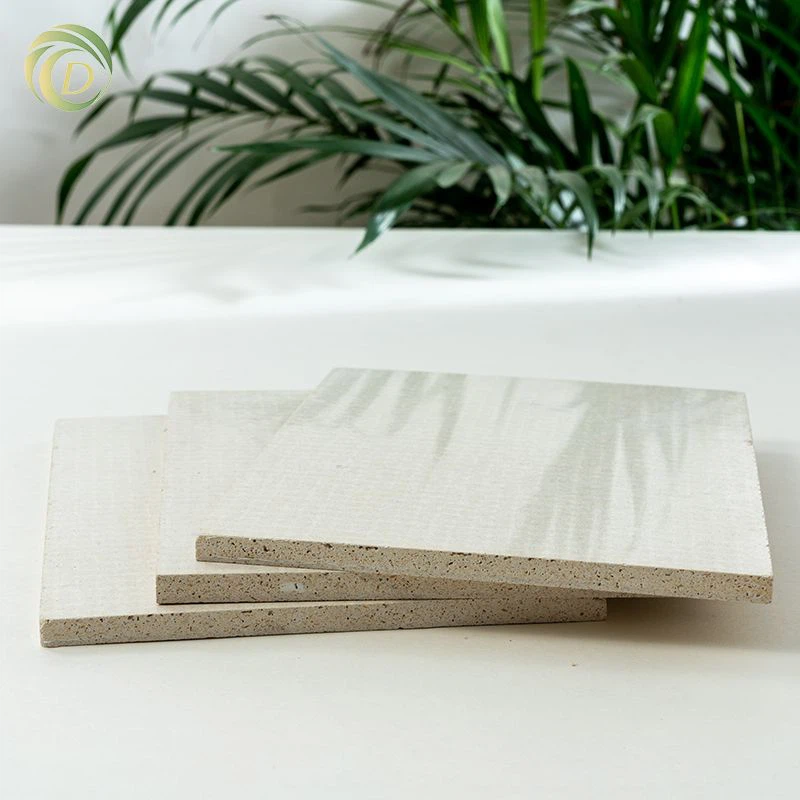


Yes, fireproof wall board can be used as a partition wall in both residential and commercial settings. Its primary function as a partition is to divide spaces within a building while also providing a level of fire resistance. Fireproof wall board is particularly useful for creating compartments that help confine fires to specific areas, thus giving occupants more time to evacuate safely and allowing firefighters additional time to extinguish the fire.
The use of fireproof wall board in partition walls is governed by building codes and regulations which specify the required fire resistance ratings for different types of buildings and their intended uses. These codes dictate the minimum fire-resistance duration that partition walls must achieve, which can range from 30 minutes to several hours, depending on the application.
When Designing And Constructing Partition Walls With Fireproof Wall Board, It's Essential To Consider The Following:
Material Compatibility: Ensure that the fireproof wall board is compatible with other materials used in the construction of the partition, such as metal studs or wood framing.
Joint Sealing: Properly seal all joints and seams between panels to prevent fire from penetrating through gaps.
Accessories And Fixtures: Use fire-resistant accessories and fixtures where necessary, such as electrical boxes and outlets, to maintain the integrity of the fire barrier.
Installation: Follow the manufacturer's guidelines for installation to ensure the fireproof properties are maintained. Improper installation can compromise the wall's ability to perform as intended.
Maintenance: Regular maintenance of the partition wall can help to identify any potential issues that could affect its fire resistance, such as damage or deterioration of the material.
By adhering to these considerations and ensuring compliance with relevant building codes, fireproof wall board can effectively serve as a partition wall that provides both privacy and enhanced fire safety.
What Are The Installation Methods For Fireproof Wall Board
There are several installation methods for fireproof wallboard, depending on the specific product and application. Here are some common installation methods:
Direct Attachment: This method involves attaching the fireproof wallboard directly to the underlying structure using screws or nails. The wallboard is typically screwed or nailed to the studs or joists, ensuring a secure and sturdy installation.
Adhesive Application: Some fireproof wallboards can be installed using adhesive instead of screws or nails. The adhesive is applied to the back of the wallboard, which is then pressed firmly against the wall or ceiling surface. This method is often used for lightweight fireproof wallboards.
Floating Installation: In some cases, fireproof wallboards can be installed as a floating system. This method involves using a metal framework or suspended ceiling system to create a gap between the wallboard and the underlying structure. The wallboard is then attached to the framework or suspended system, allowing for additional insulation and fire protection.
Taping And Finishing: Once the fireproof wallboard is installed, it needs to be taped and finished to create a smooth and seamless surface. This involves applying joint compound to the seams between the wallboards, embedding joint tape, and smoothing the surface with a trowel. After drying, the joints can be sanded and finished with paint or other wall finishes.
Is Fireproof Wall Board Resistant To Chemicals And Corrosive Substances
Fireproof wall board, also known as fire-resistant gypsum board or Type X gypsum board, is primarily designed to provide fire resistance and delay the spread of flames. While it offers excellent fire resistance, it may not necessarily be resistant to chemicals and corrosive substances.
The core material of fireproof wall board is typically gypsum, which is a soft mineral. Gypsum board is vulnerable to moisture and can be easily damaged by water or prolonged exposure to moisture. It is not inherently resistant to chemicals or corrosive substances.
To protect against chemicals or corrosive substances, additional measures like using chemical-resistant coatings or installing specialized wall systems may be required. These measures can provide the necessary resistance to chemical and corrosive substances in specific environments.
Is Fireproof Wall Board Compatible With Different Types Of Finishes
Fireproof wall board is generally compatible with a variety of finishes, allowing for aesthetic flexibility while maintaining its fire-resistant properties. Here are some common finish options that can be used with fireproof wall board:
Gypsum-Based Finishes: Gypsum plasters and joint compounds are commonly used with fireproof wall board. They provide a smooth finish that can be easily painted or papered over.
Paints: Many paints are suitable for use with fireproof wall board, but it's essential to check that the paint is not flammable and does not negatively affect the wall board's fire resistance.
Vinyl Wallcoverings: Non-flammable vinyl wallcoverings can be applied over fireproof wall board. It's important to ensure that the adhesives used are also fire-resistant.
Tiles: Ceramic, porcelain, and some types of stone tiles can be installed on fireproof wall board. The tile adhesive and grout should be non-combustible.
Metal Panels: Metal sheets or decorative metal panels can be attached to fireproof wall board to create a durable and fire-resistant surface.
Wood Veneers: While wood veneers are combustible, they can be used in conjunction with fireproof wall board if treated with flame-retardant coatings and used sparingly.
Fabric: Fabric coverings can be applied using fire-resistant backings and adhesives. However, fabrics are generally less common for fire-rated applications due to their inherent flammability.
Can Fireproof Wall Board Be Combined With Other Fire Safety Measures
Yes, fireproof wall board can be combined with other fire safety measures to enhance overall fire protection. Some common fire safety measures that can be combined with fireproof wall board include:
Fire Sprinkler Systems: Installing fire sprinkler systems along with fireproof wall board can provide a comprehensive fire protection solution. The sprinklers can quickly suppress and control fire in case of an outbreak, while the fireproof wall board can prevent the fire from spreading to other areas.
Fire-Resistant Doors And Windows: Using fire-resistant doors and windows in conjunction with fireproof wall board can create a barrier against fire and smoke penetration. This helps to contain the fire within a specific area and prevents it from spreading to adjacent rooms or buildings.
Fire Alarms And Smoke Detectors: Integrating fire alarms and smoke detectors with fireproof wall board can provide early warning in case of a fire. This combination allows for timely evacuation and intervention, minimizing potential damage and injuries.
Fire-Resistant Insulation: Combining fireproof wall board with fire-resistant insulation materials can enhance the fire resistance and thermal performance of a building. This combination can help delay the spread of fire and maintain structural integrity during a fire incident.
Fire Extinguishers And Fire Blankets: Fire extinguishers and fire blankets should be readily available in areas protected with fireproof wall board. These additional fire safety measures can be used to suppress small fires and prevent them from escalating.
By combining fireproof wall board with other fire safety measures, the overall fire protection of a building can be significantly improved, reducing the risk of fire-related damage and enhancing occupant safety.
Fireproof wall board, also known as fire-resistant gypsum board or Type X gypsum board, is designed to provide increased fire resistance compared to standard gypsum board. It is used in various construction applications where fire protection is required, such as commercial buildings, residential homes, and industrial facilities.
The main component of fireproof wall board is gypsum, a mineral that is commonly used in regular drywall. However, fireproof wall board contains additional additives and fibers that enhance its fire-resistant properties. These additives may include glass fibers, vermiculite, perlite, and other materials.
The working principle of fireproof wall board involves several factors that contribute to its fire resistance:
Gypsum Core: The core of fireproof wall board is made of gypsum, which has inherent fire-resistant properties. Gypsum is a naturally occurring mineral that contains water molecules. When exposed to heat, the water molecules in gypsum are released as steam, which helps absorb heat and slows down the spread of fire.
Added Fire-Resistant Materials: Fireproof wall board contains additives like glass fibers, vermiculite, and perlite, which enhance its fire resistance. These materials help to reduce the transfer of heat and provide better insulation, thereby slowing down the progress of fire.
Thickness And Density: Fireproof wall board is typically thicker and denser than regular gypsum board. The increased thickness provides an additional barrier against heat and flames, while the higher density makes it more difficult for fire to penetrate through the board.
Fire-Rated Assembly: Fireproof wall board is often installed as part of a fire-rated assembly, which includes other fire-resistant components like fire-rated studs, insulation, and joint compounds. The complete assembly is designed to meet specific fire-resistance ratings, which indicate the duration that the assembly can withstand fire without failure.
When exposed to fire, fireproof wall board undergoes a process called calcination, where the water molecules in gypsum are released as steam. This absorption of heat helps to limit the rise in temperature on the non-fire side of the wall and prevents the fire from spreading rapidly.
Can Fireproof Wall Board Be Cut And Shaped To Fit Specific Dimensions
Fireproof wall board can be cut and shaped to fit specific dimensions, much like conventional drywall. This allows for customization to accommodate architectural details, electrical boxes, plumbing, and other features within a building. To maintain the board's fire-resistant properties during cutting and shaping, it is important to follow these steps:
Measure and Mark: Accurately measure the area where the fireproof wall board will be installed and mark the board for cutting. Use a pencil or marking tool designed for use on the board's surface.
Use Appropriate Tools: Employ tools specifically designed for cutting gypsum-based boards, such as utility knives, drywall saws, or power saws with carbide-tipped blades. Saw blades should be sharp to minimize dust and tear-out.
Cut Straight Lines: For straight cuts, score the board's face with a utility knife and then snap it along the scored line. For more intricate shapes, use a drywall saw or jigsaw to make precise cuts.
Dust Control: Cutting fireproof wall board generates dust, which should be controlled to prevent inhalation and to keep the work area clean. Use a dust mask, eye protection, and, if available, a dust collection system.
Shape Edges: If the wall board needs to be routed or have angled edges, use a router with the appropriate bit or a hand file to shape the edges smoothly.
Sand Smoothly: After cutting and shaping, sand any rough edges or protrusions with sandpaper or a drywall sander to ensure a flush surface for finishing.
Protect Cuts: Fireproof wall board is more brittle than standard drywall, so take care not to crack or damage the edges during handling and installation. If necessary, reinforce cut edges with drywall tape before finishing.
Maintain Integrity: When making openings for services like electrical boxes or plumbing, ensure that the edges of the openings are sealed with fire-stopping materials to maintain the board's fire resistance.
Follow Manufacturer Guidelines: Always refer to the manufacturer's instructions for cutting and shaping fireproof wall board to avoid compromising its fire-resistant qualities.
How Does Fireproof Wall Board Affect The Fire Rating Of a Building
Fireproof wall board, also known as fire-rated gypsum board or Type X gypsum board, can significantly enhance the fire rating of a building. Here's how it affects the fire rating:
Fire Resistance: Fireproof wall board is specifically designed to provide enhanced fire resistance. It contains glass fibers and special additives that make it more resistant to heat and flames compared to regular drywall. This increased resistance slows down the spread of fire, giving occupants more time to evacuate and firefighters more time to control the fire.
Fire Containment: The primary purpose of fireproof wall board is to compartmentalize the building, preventing the rapid spread of fire from one area to another. When installed properly, it creates fire-resistant barriers between different rooms, floors, or compartments. This containment helps limit the damage caused by fire and allows occupants to safely exit the building.
Fire Ratings: The fire rating of a building refers to its ability to resist the spread of fire and maintain structural integrity for a specified period. Fire-rated gypsum board is typically classified by its fire-resistance rating, such as 30 minutes, 60 minutes, or 90 minutes. This rating indicates the duration for which the board can withstand fire exposure without failure.
Code Compliance: Building codes and regulations often require the use of fire-rated materials, including fireproof wall board, in certain areas of a building. For example, it may be mandated in fire barriers, stairwells, elevator shafts, or walls separating different occupancies. Using fire-rated materials ensures compliance with safety standards and enhances the overall fire rating of the building.
Our Factory
Jinan Fandeng New Materials Co.Ltd. is a company dedicated to magnesia cement products. Our main products are Magnesium Oxide Boards(MGO Board) for construction and laminated MgO boards with for furniture and renovation. Our mission is to provide the world's construction markets with environmentally friendly, high-performance and sustainable green materials.

FAQ
Q: What are the advantages of using fireproof wall board?
Q: How is fireproof wall board installed?
Q: What is fireproof wall board?
Q: How does fireproof wall board work?
Q: Can fireproof wall board be used in residential construction?
Q: What types of fireproof wall board are available?
Q: What is the fire resistance rating of fireproof wall board?
Q: Can fireproof wall board be painted or finished?
Q: Can fireproof wall board be recycled?
Q: How do I choose the right type of fireproof wall board for my project?
Q: Can fireproof wall board be used in humid or wet environments?
Q: How do I maintain fireproof wall board?
Q: Can fireproof wall board be repaired if it is damaged?
Q: Can fireproof wall board be used as a sound barrier?
Q: Can fireproof wall board be used in outdoor applications?
Q: How do I dispose of old fireproof wall board?
Q: Can fireproof wall board be used in earthquake-prone areas?
Q: Are there any alternatives to fireproof wall board?
Q: Is fireproof wall board flammable?
Q: How does fireproof wall board compare to other fire-resistant materials?
Hot Tags: fireproof wall board, China fireproof wall board manufacturers, suppliers, factory, drillable board, durable wall panel of magnesium oxide, magnesium oxide recyclable wall panel, wall panel in magnesia for interior, wall board for easy to install with magnesium oxide, tongued board