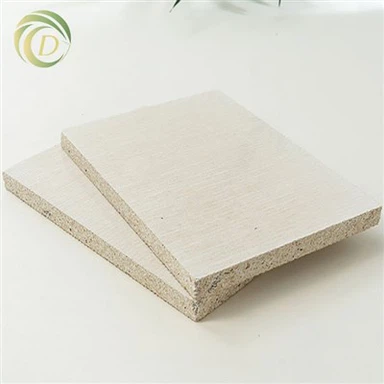
Fire Resistant Board
Fire Retardant Board is a mineral matrix engineered board designed to contain a fire within a compartment of a building by acting as a barrier to stop the spread of heat, smoke, fire and gases. It can be used for steel protection, walls, ceilings, ducts, concrete protection and sealing penetrations and voids.Board encasement systems provide uniform thickness and straight lines. The smooth surface makes board systems ideal when aesthetic matters. Wall linings can either be fixed to the structure through the board or the board itself can achieve a finished look. With an FRL protection of up to 240 minutes, the board is ideal for visible internal beams and walls.
- Fast Delievery
- Quality Assurance
- 24/7 Customer Service
Product Introduction
Fire Retardant Board is a mineral matrix engineered board designed to contain a fire within a compartment of a building by acting as a barrier to stop the spread of heat, smoke, fire and gases. It can be used for steel protection, walls, ceilings, ducts, concrete protection and sealing penetrations and voids.Board encasement systems provide uniform thickness and straight lines. The smooth surface makes board systems ideal when aesthetic matters. Wall linings can either be fixed to the structure through the board or the board itself can achieve a finished look. With an FRL protection of up to 240 minutes, the board is ideal for visible internal beams and walls.
Advantages of Fire Resistant Board
Excellent Protection - The most obvious benefit is the level of protection against fire. When purchasing the best available product, you would have a full two hours of protection. Because of its unparalleled fire safety characteristics and superior fireproof wall materials, you would have adequate time to get people out of the building, contact your local fire department, and salvage expensive equipment, machinery, and inventory.
Versatility - Due to the design and materials used, these fire resistant panels for walls are incredibly versatile, meaning they provide fire protection for multiple industries, including processing plants, chemical plants, restaurants, manufacturing companies, factories, and so on.
Additional Benefits - Not only are these panels used for fire protection, but many of the best products also provide resistance to thermal transmission and sound. In fact, the right heat resistant wall panel offer protection for air handling plenums. Also, these panels are effective in preventing the spread of fire without using chemical additives.
Design - While there are some differences in fire resistant walls from one manufacturer to another, for the most part, they are non-combustible, can withstand melting temperatures exceeding 2,000 degrees Fahrenheit, offer a high strength-to-weight ratio, and come in a variety of surface coatings.
Easy Installation - As beneficial as these panels are, you might be surprised to learn that installation is quite easy. These panels are also cost-effective, making them an excellent all-around solution for fire protection.
We are a company dedicated to magnesia cement products. Our main products are Magnesium Oxide Boards (MGO Board) for construction and laminated MgO boards for furniture and renovation. Our mission is to provide the world's construction markets with environmentally friendly, high-performance and sustainable green materials.
We work with China Magnesium Materials Association (CMMA) and Magnesium Oxide Association (MOCA) in North America to raise awareness and promote the use of magnesium oxide cement products. We focus on the quality control and consistency of the MGO products. We have been actively involved in developing American Society for Testing and Materials (ASTM) standards related with MGO products.
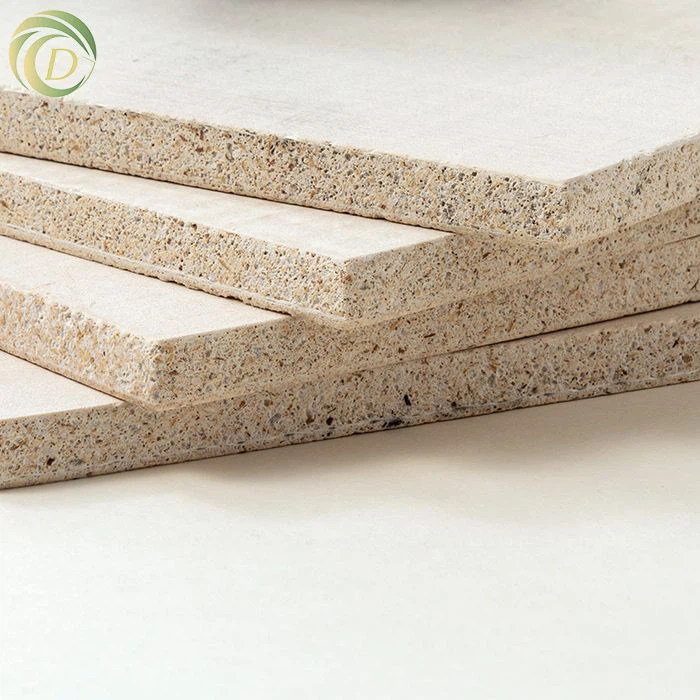
Magnesium oxide wall board is a technologically advanced building material that offers superior performance in every category when compared to traditional wood, gypsum and cement based products.
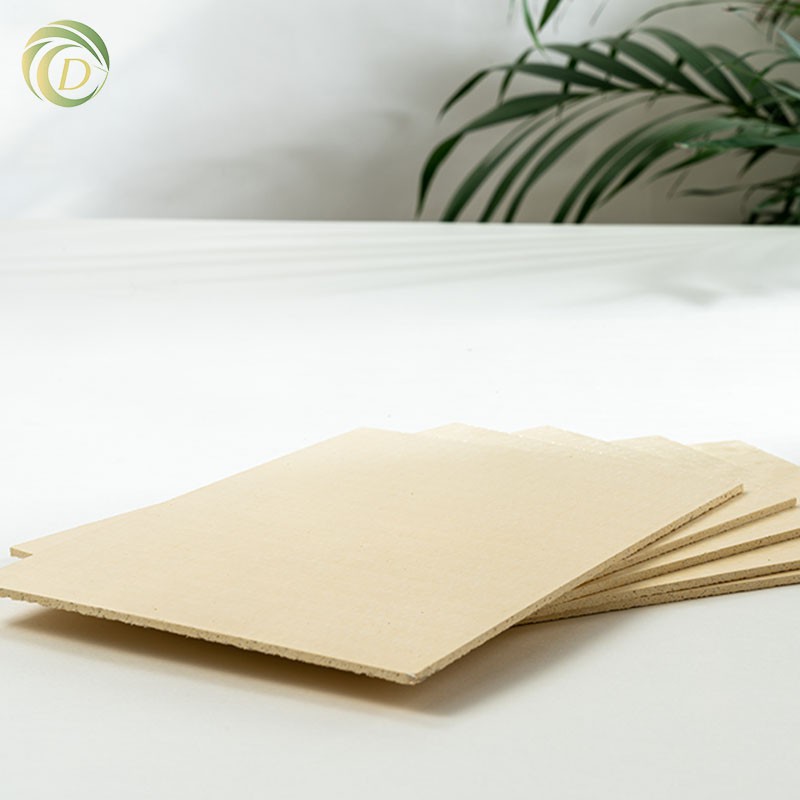
Magnesium Oxide Wall Panels are cementitious substrate products reinforced with magnesium oxide fibre matting.

Fire resistant magnesium oxide wallboard is a new type of refractory material. It is widely used primarily as a wallboard alternative to conventional gypsum-based drywall and plywood.

It is non combustible and fire rated Class A1. With options for up to a 2 hour fire resistance, MgO Board offers an innovative passive fire protection alternative for your construction projects.

MgO board has very good fire performance. It does not spread flames or smoke. It is noncombustible and fire-rated A1, which helps protect homeowners, tenants and building occupants while mitigating damage and loss.

Magnesium oxide wall board is made of magnesium oxide, magnesium sulfate or magnesium chloride, glass fiber mesh, perlite and wood fiber.
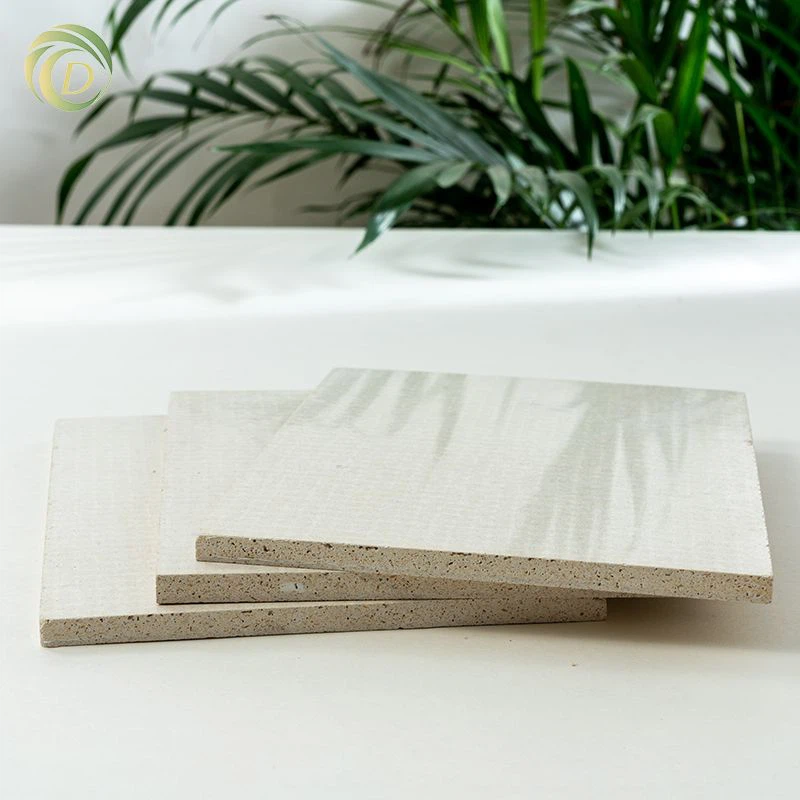
It is an upgraded product of fireboard. A properly constructed assembly with our MgO fireproof wall board can achieve a 3-hour fireproof rating.

Fire Resistant Internal Wall Board
Our Fire Resistant Internal Wall Board is a fiberglass reinforced magnesium oxide cement board. It can be used to replace traditional gypsum drywall for wall and ceiling finishes and sheathing.
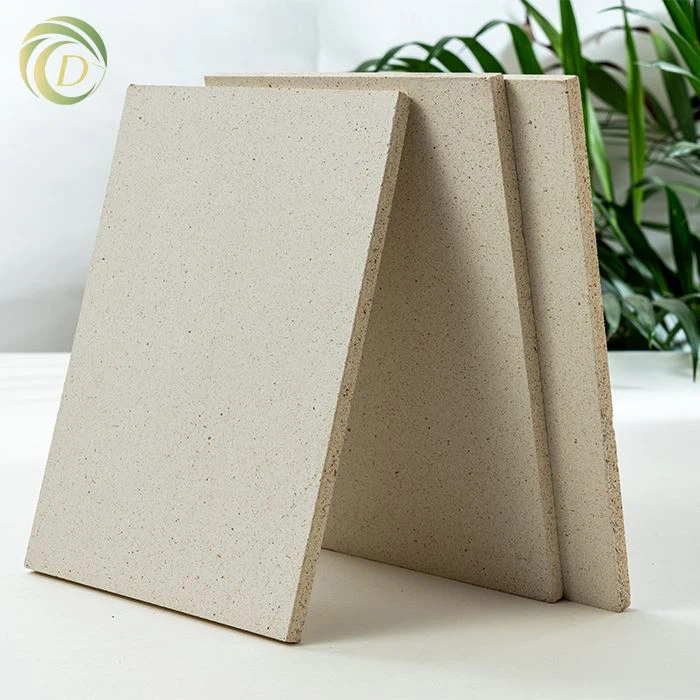
Fireproof Exterior Wall Panels
Magnesium oxide board is a new type of fire-resistant building material. The main raw materials are magnesium oxide, magnesium chloride/sulfate and perlite.
What Is the MgO Board Made Of
Magnesium Oxide(MgO)
Magnesium oxide is the most important thing when it comes to MgO boards. This core component is then combined with other materials to enhance functionality. This core material is derived from magnesite. It's a naturally occurring mineral found in oceans. Magnesium oxide gives the board fundamental properties like fire resistance and strength.
Magnesium Chloride
As a strong binder, magnesium chloride helps bond the various ingredients together. This forms a solid, durable bond. It is usually mixed with magnesium oxide.
Fibers and Fillers
These usually include wood, glass, and synthetic fibers. These fillers and fibers enhance the board's structural integrity, flexibility, and strength.
Perlite, Vermiculite, and Other Aggregates
These aggregates help to increase the insulation power of MgO boards. Besides this, they provide strength and stability.
Water and Additives
Water is essential for chemical reactions during manufacturing processes. It helps form solid and durable end products. Depending on the desired properties, additives can enhance these characteristics.
|
Components |
Benefits |
|
Magnesium Oxide |
Fire-resistant, nontoxic, and mold-resistant. |
|
Magnesium Chloride |
Increases strength and durability. |
|
Reinforcing Fibers |
Improve impact resistance. |
|
Perlite OR Vermiculite |
Enhance thermal insulation and reduce overall weight. |
|
Additives |
Do enhancement for specific applications, such as increased water resistance and flexibility. |
Method of Manufacturing MgO Board


Step 1: Raw Material Preparation
The journey of MgO board production begins with carefully selecting and preparing raw materials. The primary ingredients include Magnesium Oxide (MgO), obtained from magnesium-rich minerals, and Magnesium Chloride (MgCl2), a strong binder. Other additives such as perlite, glass fiber mesh, and wood fiber may also be incorporated to enhance specific properties.
Step 2: Mixing and Blending
Once the MgO Board raw materials are gathered, they are combined in precise proportions. The Magnesium Oxide and Magnesium Chloride are mixed in a controlled environment, forming a homogeneous paste-like mixture. This process ensures proper binder distribution and optimal bonding with other additives.
Step 3: Forming and Shaping
The well-mixed paste is poured into molds or onto a flat surface, depending on the desired board thickness and dimensions. The mixture is spread evenly and leveled to achieve uniformity. A continuous production line feeds the paste onto a conveyor belt for thinner boards and gradually solidifies.
Step 4: Pressing and Compaction
A pressing process is employed further to enhance the MgO boards' structural integrity and density. Hydraulic presses or mechanical rollers apply pressure, compact the mixture, and remove trapped air. This step ensures a solid, durable, and uniform board.
Step 5: Curing and Drying
After compaction, the boards undergo a curing and drying process. They are placed in a controlled environment with specific temperature and humidity conditions. This allows the chemical reactions between the Magnesium Oxide and Magnesium Chloride. It results in the formation of strong bonds within the board. The drying process eliminates excess moisture. It enhances the board's stability and prevents shrinkage.
Step 6: Finishing and Quality Control
Once the boards have cured and dried, they undergo quality control checks. They are inspected for dimensional accuracy, surface smoothness, and overall integrity. Any imperfections or irregularities are rectified during this stage. Depending on the intended application, the boards may undergo additional treatments, such as
Sanding
Painting
Coating.
These additional treatments enhance the aesthetic appeal and functional properties of the MgO Board.
What is MGO Board Used For
The versatility of MGO board lends itself to a multitude of applications in construction. Some common uses include:
Interior and Exterior Wall Cladding:
MGO board is an excellent choice for wall cladding due to its durability and resistance to moisture and fire. It provides a sturdy and long-lasting surface that can withstand the elements, making it ideal for both interior and exterior walls.
Ceiling Panels:
MGO board's lightweight nature and ease of installation make it a popular choice for ceiling panels. Its fire-resistant properties add an extra layer of safety to any structure, making it an ideal material for use in commercial buildings, residential homes, and industrial facilities.
Flooring:
MGO board can be used as a base material for various types of flooring, including tiles, laminate, and hardwood. Its waterproof and fire-resistant properties make it an excellent choice for areas prone to moisture or heat, such as bathrooms, kitchens, and utility rooms.
Partition Walls
MGO board partitions offer a cost-effective and versatile solution for dividing interior spaces. They provide sound insulation and can be easily installed and modified to accommodate changing layouts, making them ideal for office spaces, retail stores, and residential buildings.
Magnesium Oxide Board Installation Instructions
Acclimation
Remove the packaging and allow the MagPanel panels to acclimate to the room temperature and humidity for 48 hours. Ideally, the boards should acclimate in the room where they will be used with the temperature replicating the planned temperature of the room.
Placement
Placement varies depending on the application of the boards. When attaching to cold-formed steel framing (CFS), stagger panels with a 1/16" (1/5mm) gap between boards. When attaching to wood allow 1/8" gap.
Board Orientation
MagPanel is constructed with one side smooth finish and one side rough finish. The rough finish can be used as a backer board for tile and other applications.
Filling Seams
When laying resilient flooring such as Luxury Vinyl Plank, Bamboo Flooring, Eucalyptus Flooring, Vinyl plank or Linoleum over MagPanel, fill with a polyurea or modified epoxy seam filler and shave or sand until flush. This helps create a smooth surface and avoids "telegraphing" which is uneven joints to on the wear surface.
Installation (Flooring, Wall and Ceiling)
Installation must comply with all applicable local, state and federal codes and should also follow industry installation practices.
Cut MagPanel with a carbide tipped scoring knife or a power saw equipped with a carbide blade. Do not use power saws indoors. For best results, use a blade designed specifically for cement board and use a T-square to help ensure cuts are straight and even.
For circular cuts and irregular angle cuts use a Roto Zip, Dremel, or equivalent tool, equipped with a cement board bit or carbide tipped bit.
Start with proper framing and ensure studs are straight and square to allow for adequate fastening surface at adjoining walls and flat stress-free installation of MagPanel. Ensure framing is level.
The fewer cuts that are made the better and easier installation will be. Begin by laying out your floor before fastening to the joists. When planning the layout make sure the cut edges will be against the perimeter of the room. Sheets should be spaced evenly and butt tightly.
Install MagPanel on 16" centers. Always support board ends by joists. Slightly countersink each fastener. Leave about 1/8th inch between the perimeter walls and the MagPanel to allow for expansion.
After installing the initial sheet of MagPanel flooring, apply a generous amount of Select Construction Adhesive, or equal, to the exposed edge of the installed sheet of MagPanel. Install the next sheet of flooring butting joints together tightly. Squeeze a small amount of well-bonding construction adhesive the surface along the entire seam. Use a putty knife to remove excess from the butt joint. After installation of first board, verify the board is level before continuing.
Fastening
Magnesium Oxide Boards (MgO) are a non-tox board material and certain types of fasteners may corrode the board. Because all projects and locations are different, consult a local fastener expert for your location and project. Ambient recommends using a 316-stainless steel material for all fasteners. Alternatively, a ceramic coated fastener designed specifically for cement board products may also be acceptable.
Fastening to wood studs with screws: Use #8 flat head fasteners with high / low threads and a sharp drill point.
Fastening to metal: Use 18 gauge or heavier, with screw: Use #8 flat head screw with nibs under the head for countersinking into the MagPanel, and a self-drilling point for penetrating the light gauge metal. When fastening to light gauge materials lighter than 18 gauge, consider using pneumatic fastening. Other fasteners may strip out lighter gauge studding prior to countersinking the head of the fastener into the MagPanel sheathing. If fastening using pneumatic nails use hardened nails. Pneumatic pressures vary depending on board thickness and stud material used. Always set pressure based on countersinking needs.
Fastener Installation: Install fasteners no closer than 4" from corners. Perimeter fasteners should be placed 6" apart. Center fasteners should be placed 12" apart. Install fasteners approximately 9/16" from board edge. Do not install fasteners at 45º angles. Always begin fastening at one side and proceed to fasten across the board to the other side to avoid stress.
What Is The Difference Between Magnesium Oxide Board And Gypsum Board
Magnesium oxide board is made from Magnesium Oxide, Magnesium Chloride, and other components such as fiberglass mesh, giving it unique properties and strength. On the other hand, Gypsum boards are made from calcium sulfate dihydrate sandwiched between layers of paper, making them a weaker option.
Water Resistance
Surface moisture absorption of magnesium boards is 0.34%, while that of gypsum boards is almost 3%.
Water is the primal enemy of Gypsum boards due to their high water absorption capacity. Even a little exposure to water or moisture may negatively impact the board and cause it to start deteriorating.
On the contrary, Magnesium Oxide boards are specifically built for extreme water resistance conditions. They can withstand the impact even if kept submerged in water for 100 days.
Fire Resistance
Both Magnesium Oxide and Gypsum boards are non-combustible, with the Magnesium Oxide boards having an upper hand. On average, Magnesium Oxide boards with a thickness of over 3 mm meet the fire safety standard, while for Gypsum boards, this limit rises to 12 mm.
The fire resistance level of Magnesium Oxide boards can be imagined from the fact that they were tested in a vertical tube furnace at 750°C as per the ASTM E136-16A testing method. The result was exceptional, as there was no change in quality or state of the board.
Density
The magnesium oxide board's low density, 0.85–1.2 grams per cubic centimeter (g/cm3), gives it a characteristic low weight. The low density of MgO boards is due to the presence of glass fiber, which has a cloth-like appearance and makes it stronger and lighter.
Meanwhile, Gypsum boards have a density range of 1.2-1.3 g/cm3. However, due to the shorter fibers of the Gypsum boards, they must have a high density to meet the strength of a Magnesium Oxide board at low density.
Impact Strength
Impact strength is the ability of a material to resist sudden and intense impacts by maintaining its form.
When talking about the impact strength of MgO boards, we see a high impact strength of 4.5 kilo Joules or more. The real hero behind this strength is the fiberglass mesh composition of the board.
On the contrary, due to their paper fiber composition, Gypsum boards only have an impact strength of 1 Kilo Joule. This makes them highly vulnerable to cracks, breaks, and deformation.
Bending Strength
Also known as flexural strength, Bending strength is the ability of a material to withstand extreme load while avoiding shape deformation.
Magnesium Oxide boards offer an impressive bending strength of 18-27 MegaPascals (MPa). Again, this characteristic feature is due to their cloth-like structure and fiberglass composition.
Gypsum boards, on the other hand, have a bending strength of 5.6 MPa or less. Their low bending strength is mainly due to the composition of the paper fiber.
Environmental Impact
Both Magnesium Oxide and Gypsum boards are environmentally friendly and do not release any toxic chemicals.
However, the manufacturing process of Magnesium Oxide boards conserves more fuel than Gypsum boards, making them cost-effective and more suitable for the environment.
Ease of Installation
Magnesium Oxide boards are much easier to install as they don't require any specific tools. You can use nail screws and pneumatic nailing. Besides, the application process is simple, and those interested in DIY (Do It Yourself) tasks can also get the job done.
Gypsum boards, on the other hand, may require a professional to install them perfectly. Moreover, you'll need specific tools like stone saws for cutting purposes. Also, it takes more time than a Magnesium Oxide board.
|
Attributes |
Magnesium Oxide Board |
Gypsum Board |
|
Fire Resistance |
3mm thickness makes it compatible with fire resistance standards |
12mm thickness makes it compatible with fire resistance standards |
|
Water Resistance |
Highly resistant to water and moisture |
Quickly deteriorates upon exposure to water or moisture |
|
Density |
0.85–1.2 g/cm3 |
1.2-1.3 g/cm3 |
|
Impact Strength |
More than 4.5 Kilo Joules |
Less than 1 Kilo Joule |
|
Bending Strength |
18-27 MegaPascals (MPa) |
Less than 5.6 MPa |
|
Environmental Protection |
Eco-friendly |
Less eco-friendly as compared to MgO boards |
|
Ease of Installation |
Easy to install – no specific instruments needed |
May require a professional |
FAQ
Hot Tags: fire resistant board, China fire resistant board manufacturers, suppliers, factory, magnesium oxide wall board for building, wall board for moisture proof with magnesium oxide, countertop board, construction lining material, wall board for green using magnesia, hardwood flooring substitute