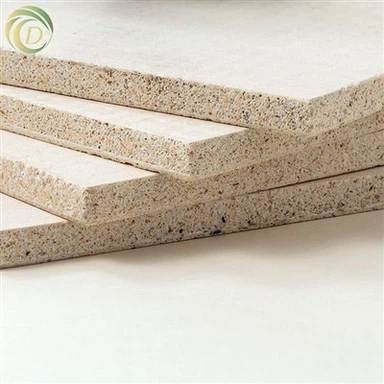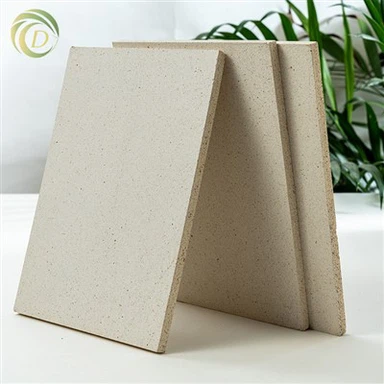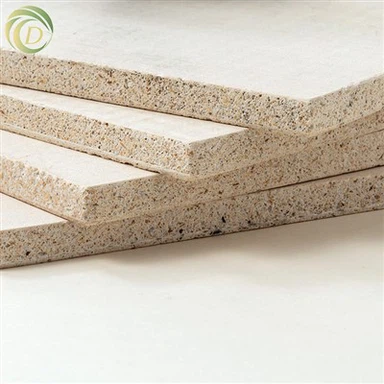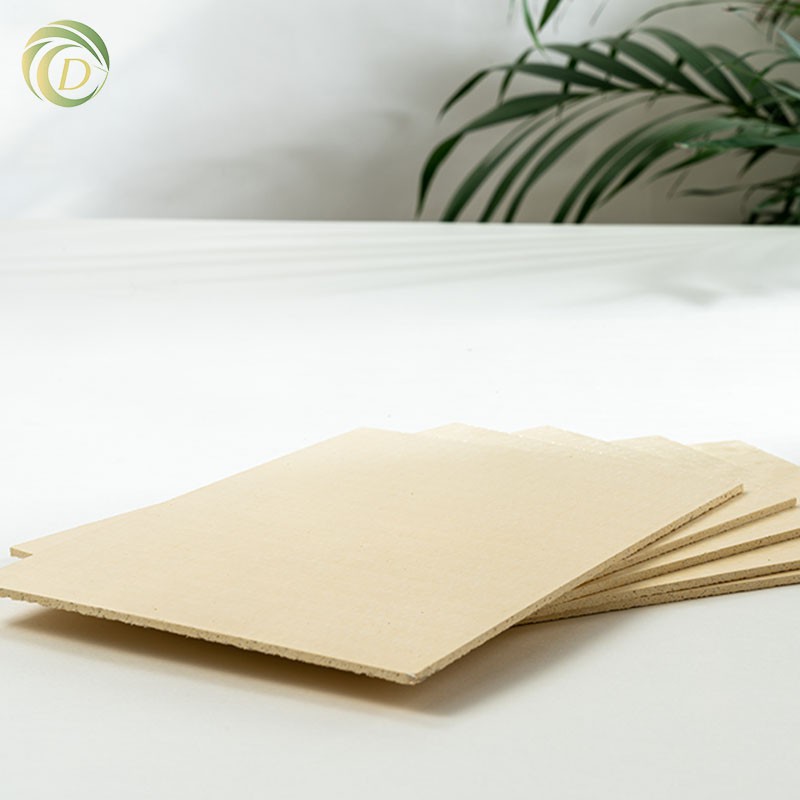
Magnesium Oxide Wall Panels
Magnesia boards are used in place of traditional gypsum drywall as wall and ceiling covering material and sheathing. It is also used in other construction applications such as fascias, soffit, shaft-liner and area separation, wall sheathing, and as tile backing (backer board) or as substrates for coatings and insulated systems such as finish systems, exterior insulation finishing systems, and some types of stucco.
- Fast Delievery
- Quality Assurance
- 24/7 Customer Service
Product Introduction
Jinan Fandeng New Materials Co.,Ltd.
We are a company dedicated to magnesia cement products. Our main products are Magnesium Oxide Boards (MGO Board) for construction and laminated MgO boards for furniture and renovation. Our mission is to provide the world's construction markets with environmentally friendly, high-performance and sustainable green materials.
We work with China Magnesium Materials Association (CMMA) and Magnesium Oxide Association (MOCA) in North America to raise awareness and promote the use of magnesium oxide cement products. We focus on the quality control and consistency of the MGO products. We have been actively involved in developing American Society for Testing and Materials (ASTM) standards related with MGO products.
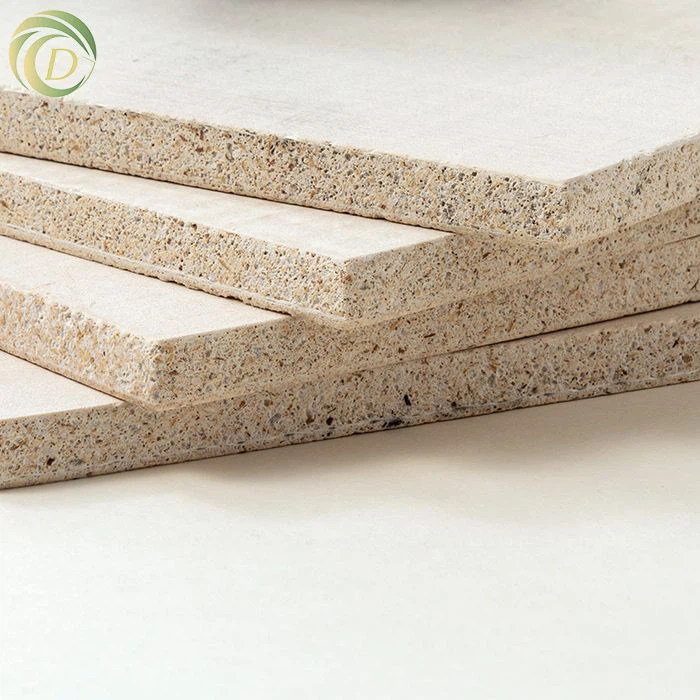
Magnesium oxide wall board is a technologically advanced building material that offers superior performance in every category when compared to traditional wood, gypsum and cement based products.

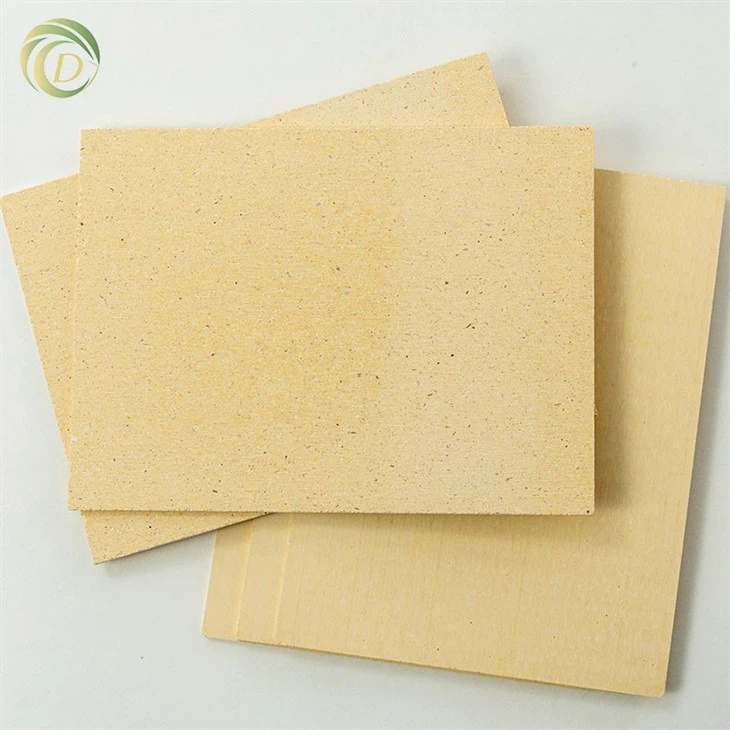
Magnesium Oxide Wall Panels are cementitious substrate products reinforced with magnesium oxide fibre matting.

Fire resistant magnesium oxide wallboard is a new type of refractory material. It is widely used primarily as a wallboard alternative to conventional gypsum-based drywall and plywood.

It is non combustible and fire rated Class A1. With options for up to a 2 hour fire resistance, MgO Board offers an innovative passive fire protection alternative for your construction projects.

MgO board has very good fire performance. It does not spread flames or smoke. It is noncombustible and fire-rated A1, which helps protect homeowners, tenants and building occupants while mitigating damage and loss.

Magnesium oxide wall board is made of magnesium oxide, magnesium sulfate or magnesium chloride, glass fiber mesh, perlite and wood fiber.
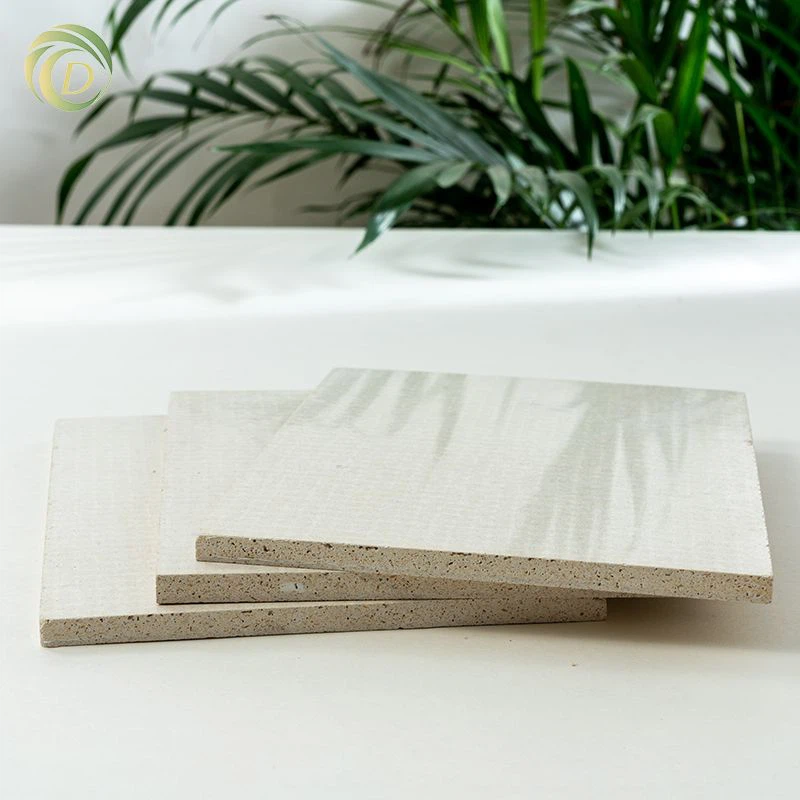
It is an upgraded product of fireboard. A properly constructed assembly with our MgO fireproof wall board can achieve a 3-hour fireproof rating.

Fire Resistant Internal Wall Board
Our Fire Resistant Internal Wall Board is a fiberglass reinforced magnesium oxide cement board. It can be used to replace traditional gypsum drywall for wall and ceiling finishes and sheathing.
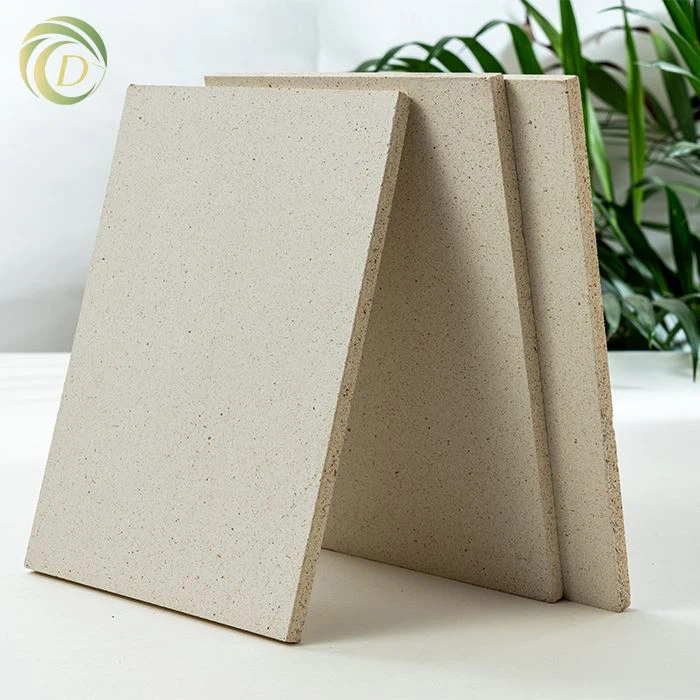
Fireproof Exterior Wall Panels
Magnesium oxide board is a new type of fire-resistant building material. The main raw materials are magnesium oxide, magnesium chloride/sulfate and perlite.
What is Magnesium Oxide Wall Panels
Magnesia boards are used in place of traditional gypsum drywall as wall and ceiling covering material and sheathing. It is also used in other construction applications such as fascias, soffit, shaft-liner and area separation, wall sheathing, and as tile backing (backer board) or as substrates for coatings and insulated systems such as finish systems, exterior insulation finishing systems, and some types of stucco.
Advantages of Magnesium Oxide Wall Panels
Easy to Install:
MGO board is lightweight and easy to handle, making it a breeze to install. Its versatility allows for cutting and shaping to fit any desired dimensions, reducing construction time and labor costs.
Waterproof:
MGO board is inherently resistant to water, making it an ideal choice for wet areas such as bathrooms, kitchens, and basements. Its non-porous surface prevents moisture absorption, reducing the risk of mold and mildew growth.
Fire Resistant:
One of the most notable advantages of MGO board is its exceptional fire resistance. It is classified as a non-combustible material and can withstand high temperatures without releasing toxic fumes, making it a safer option for construction projects.
Environmentally Friendly:
MGO board is manufactured using natural and environmentally friendly materials, making it a sustainable choice for green building initiatives. Its production process generates minimal waste and consumes less energy compared to traditional building materials.
Recycled:
MGO board is recyclable, meaning it can be reused or repurposed at the end of its lifespan. This not only reduces waste but also minimizes the environmental impact of construction projects, contributing to a more sustainable future.
Manufacturing Process of Magnesium Oxide Panels
The manufacturing process of MgO boards is more complex than it seems. It usually involves several steps to ensure high-quality products. Here are the steps that are followed during its manufacturing procedure:
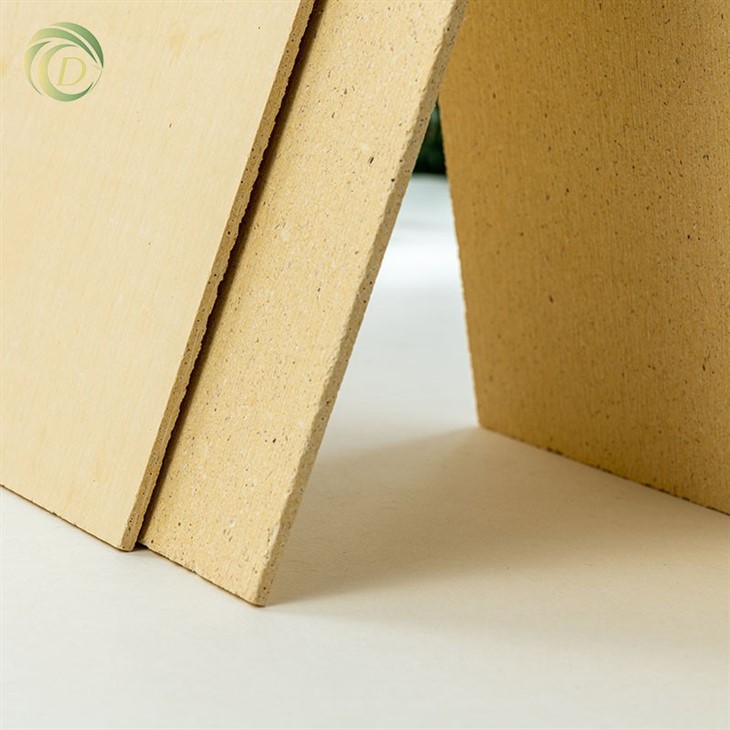

Mixing
First thing first, mix all the raw materials and additives. Add water to form a homogenous mixture or slurry.
Molding
The slurry is then poured into molds of desired shape and thickness. The molds are designed to ensure uniformity and consistency across all the boards. This molding process is very complex as it involves handling intricate materials.
Pressing
After molding, the materials in the molds are pressed to remove any water. Pressing compacts the mixture, and it is crucial for various reasons;
To achieve the desired strength and density
Make the boards more robust and durable.
Curing
After that, the pressed boards are left to cure. Depending on the manufacturing method, curing might happen in a controlled environment. However, curing can also be done at natural temperature. Allowing the chemical reactions to finish will produce a long-lasting board.
Finishing
The last step is very crucial. Once cured, the boards are sanded and trimmed to create smooth edges and surfaces. They then undergo a quality inspection before being packaged and sent. This process is critical to giving the boards a definite shape. It also helps give a refined edge and strengthen them.
What is Magnesium Oxide Wallboard Used for
Interior Applications
Like plywood or drywall, MgO boards can be used for interior and exterior applications. In the interior, construction professionals use them for walls and ceilings. They are also excellent as flooring substrates in kitchens, bathrooms, bedrooms, and living rooms.
MgO boards are durable and provide sound insulation. That is one of many reasons people use them for regular interior walls.
You can use them in bedrooms for a quieter and more fire-resistant environment. They also have many advantages, one of which is moisture resistance. That is why you may find them in bathrooms and kitchens.
MgO boards can also improve sound insulation within a building. They reduce noise transmission between rooms and floors. That is why they are suitable for use in residential and commercial buildings' walls, floors, and ceilings.
Exterior Applications
Because of their versatile nature and numerous benefits, MgO boards are often used for exterior wall sheathing. Construction professionals also use MgO boards as an underlayment for exterior siding materials. The reasons are many!
MgO boards add structural strength and impact resistance to exterior walls. They can also be applied as an underlayment for roofing materials. The reason- they provide fire resistance and extra structural support.
MgO boards are very strong, making them great for use as structural panels in walls, floors, and roofs. In load-bearing walls, MgO boards can replace traditional materials, such as plywood or OSB. In such locations, MgO boards provide superior fire resistance and durability. That is why they are great for constructing exterior walls in residential and commercial buildings.
They are especially great in areas prone to extreme weather conditions or requiring high fire safety standards.
MgO Boards for Trim
You can use MgO boards for trim and fascia. They are also used to finish edges and create decorative elements around the building's windows, doors, and corners. This use takes advantage of MgO boards' weather-resistant qualities. They don't rot, warp, or get damaged by insects, ensuring they last a long time.Furthermore, MgO boards used as trim need less maintenance than traditional wood trim. This makes them an attractive and practical choice for exterior detailing.
MgO Boards as Fascia
When installed along the roof's edges, MgO boards serve as fascia boards covering the rafters' ends. In this role, MgO boards withstand exposure to the elements. And all that without deteriorating, ensuring durability and longevity, Additionally, they give the roof a neat, polished look, improving the building's appearance. Using MgO boards for fascia, homeowners can achieve a durable and appealing exterior finish. Plus, it requires minimal maintenance.
MgO Boards as Flooring Substrate
Highly effective in wet areas, they can be used as a substrate for tiles in bathrooms, showers, and kitchens.
They are excellent flooring substrates, either under tiles or hardwood floors. They can be used instead of ceramic tiles in bathrooms or to provide a stable base for hardwood or laminate flooring.
MgO Boards for Ceilings
MgO boards offer several advantages that make them a suitable choice for ceilings. Bathrooms and kitchens are common sources of moisture that can rise and affect ceilings. As they are moisture-proof, this feature prevents them from warping and sagging. It is harder for mold to grow and develop on materials such as magnesium oxide. This is especially beneficial in areas with high humidity or potential leaks.
MgO Boards as Exterior Cladding
Beyond their sheathing, MgO boards can also serve as exterior cladding material. They provide a durable and fire-resistant exterior finish. On top of all that, MgO boards enhance a building's aesthetic appeal. Also, it provides robust protection against the elements.
MgO Boards in Fire-Rated Walls
MgO boards are often used in fire-rated wall assemblies to enhance fire resistance. Their fireproof nature makes them perfect for creating fire-resistant walls. That is particularly helpful between different parts of a building.
This application is crucial for meeting building codes and safety regulations. This is especially important in multi-family and commercial buildings.
How to Cut Magnesium Oxide Board
MgO Board Cutting Guide: Tools and Techniques
To cut magnesium oxide boards, use a circular saw with a thin carbide blade for clean and precise cuts. Ensure you wear safety goggles, gloves, and a dust mask to protect yourself from dust particles.
Circular Saw
Anyone who has dealt with MgO boards will tell you that the best way to cut them is using a circular saw with a thin carbide blade. In other words, it is a saw with a blade that is reduced in thickness, ranging from 3/32 inch to 1/8 inch.
The blade is made from carbide, a compound of carbon and metal. It is one of the hardest and most resistant metals, which is why manufacturers use it for cutting tools, padlocks, and more. Also, thin carbide blades offer a clean and precise cut with minimal chipping.
Plunge Saw
Justo sea ipsum sit justo voluptua ea et est. Consetetur clita diam clita dolor diam, elitr sanctus magna ut diam gubergren elitr sed dolores. Accusam sea duo takimata sed, ipsum no consetetur et sea. Rebum justo et sea eos eos tajimata sanctus sit gubergren. Et lorem lorem constetur aliquyam lorem nonumy aliquyam clita erat, kasd tampor sea consetetur diam stet ut. Ea dolore sadipscing slitr et dolores amet elitr. ipsum diam vero est dolore. Consetetur aliquyam eirmod et et et gubergren, amet voluptua sea sit magna dolor sed, sed lorem at nonumy magna. Ut et dolor vero est ipqum, sanctus magna clita ipsum accusam ut sit ut, ea dolor sea sit diam nonumy, ipsum dolor voluptua consetetur diam duo.
Rebum aliquayam dolor ipsum stet est mangna sea eirmod. Invidunt ipsum justo rebum erat rebum et. Labore labore amet vero et est. Accusam sit justo. Vero rebum tempor dolore et est kasd. Justo diam no lorem no, duo aliquyam diam sea accusam slitr. Accusam magna clita dolor dolor, dolor at dolor accusam dolores elitr justo dolor accusam nonumy. magna dolor magna eirmod
Jigsaw
Besides the circular saw, there are other types of saws, like jigsaws or handsaws. However, they are not good choices for cutting MgO boards. Here's why! While a jigsaw is good for making curved cuts, it might be slower than a circular saw. Additionally, it may require more finishing work on the edges compared to a circular saw.
The choice of saw also depends on the thickness of your boards and their application. Construction professionals usually use jigsaws for cabinet openings, curved patterns, and intricate cutouts. On the other hand, a circular saw is better for construction projects, such as ones involving MgO boards. Also, circular saws are more powerful. You can use them to cut through thicker materials.
Handsaw
A handsaw might be the worst choice for cutting MgO boards. It is inefficient and time-consuming. If you have ever used a handsaw, you know what I'm talking about. A handsaw requires significant effort and multiple strokes to cut through MgO boards, so the process is very slow and laborious.
Using a handsaw can easily result in rough and uneven cuts. Magnesium oxide boards are not very cheap, so choosing the right tool is paramount! You do not want to waste the boards on inefficient tools. Also, with handsaws, there is an increased risk of breakage.
MgO boards can be a bit delicate, and the pressure from a handsaw can easily cause them to crack or chip, especially around the edges. Lastly, MgO boards can be a bit stubborn, and if your handsaw bucks or slips, it could lead to an accident. Not worth the risk!
Angle Grinder with Masonry Blade
While I personally never used an angle grinder for cutting MgO boards, I've seen others do so, and it is messy! Unlike a jigsaw or handsaw, an angle grinder with a masonry blade can definitely cut through MgO boards.
However, using it will mostly likely result in rough cuts. They are designed for rough cutting and are not the best tools for cutting MgO boards. Additionally, you have less control over the board and the cut with an angle grinder. It makes it challenging to achieve a straight line. So, using an angle grinder is only an option if you absolutely do not have access to a circular saw.
Step 1: Prepare the Materials
Obviously, your first step is to measure and mark the cut line on the MgO boards with a pencil and a T-square. Make sure that the line is straight and visible so it is easier to cut it. Secure the board on a stable surface. Now, it is also time to put on safety goggles, gloves, and a mask. Inhaling dust particles can result in health problems, so I urge you to get one as soon as possible.
Step 2: Adjusting the Blade
I assume that you have installed the carbide blade in your circular saw. Your next step is to adjust the blade's depth so it is slightly deeper than the board. This will allow you to get a clean cut without excessive strain on the saw.
Step 3: Cutting
Now, it's time to align the saw with the marked cut line. Start the saw and let it reach full speed before making contact with the board. Then, gently push the saw along the cut line, applying steady pressure. Never force the saw; let it do its job! If you maintain a consistent speed and keep the saw straight, you will avoid chipping and uneven cuts.
Magnesium Oxide Boards vs. Other Materials
It's safe to say that magnesium oxide boards have several advantages over other construction materials, based on the benefits previously mentioned.
Gypsum
Although both gypsum and magnesium oxide boards are eco-friendly, the former poses more harm to people because its fly ash releases toxins when cut.
Portland Cement
Portland cement lacks water-resistant and fire-suppressing capabilities. Plus, MgO leaves a smaller carbon footprint compared to cement. And although Portland cement is recognizably strong, MgO has a higher rating on impact strength even though it is considerably lighter in weight.
Plywood
MgO is undoubtedly safer than plywood as a construction material. Plywood is not flame resistant and could quickly spread fire it is not water resistant, making it susceptible to moisture that could grow mould and vulnerable to water damage.
Oriented Strand Board (OSB)
When it comes to safety, MgO ranks higher than OSB. The OSB releases formaldehyde, a dangerous toxin. It is not fire resistant nor is it resistant to moisture and termites.
Installation Method for Magnesium Oxide Board Flooring Using Joists
Preparation
-
Materials and Tools
Gather the necessary materials, including MgO boards, wooden or metal joists, screws, expansion bolts, a level, moisture barrier (optional), and installation tools such as a drill, hammer, etc.
-
Surface Cleaning
Before installation, ensure that the floor surface is clean and level. Remove any debris and make sure the surface is smooth. If the surface is damp, it's advisable to lay down a moisture barrier to improve the floor's resistance to moisture.
Installing The Joists
-
Determine Joist Layout
Plan the joist layout based on the floor dimensions. Typically, the joist spacing should be between 40-60 cm (16-24 inches). Use a level to ensure the joists are installed evenly, which is crucial for a level floor. The choice between wooden or metal joists should be based on the environmental conditions and load requirements.
-
Securing the Joists
Place the joists in their designated positions and use expansion bolts to secure them to the floor. Ensure that all joists are at the same height to avoid uneven flooring. If using wooden joists, consider applying a protective coating on the areas in contact with the floor to extend their lifespan.
-
Reinforcing the Joists
Install cross-bracing between the main joists to further stabilize the structure. These cross braces should be placed perpendicular to the main joists, with spacing that matches the MgO board dimensions. This ensures that the edges of the boards are fully supported.
Laying the MgO Boards
-
Cutting the Boards
Measure and cut the MgO boards to fit the floor layout and joist spacing. Ensure the edges of the boards are cut cleanly to allow for tight seams and secure installation.
-
Securing the Boards
Place the cut MgO boards onto the joists and secure them with specialized screws. The screws should be spaced 20-30 cm (8-12 inches) apart, with even distribution along the edges and across the center of the boards. Make sure the screws are flush with the surface of the board to avoid any protrusions.
-
Handling Expansion Gaps
Leave a small expansion gap (typically 3-5 mm) between the boards to accommodate potential expansion and contraction due to changes in temperature and humidity. Fill these gaps with sealant or caulk to prevent dust and moisture from penetrating.
Surface Finishing
-
Leveling Check
Once the boards are installed, use a level to check the evenness of the floor. Adjust as necessary to ensure there are no noticeable high or low spots.
-
Installing the Top Layer
Depending on your requirements, you can add a decorative top layer such as vinyl flooring, tiles, or hardwood on top of the MgO boards. This layer not only enhances the aesthetic appeal of the floor but also adds an additional protective layer, prolonging the floor's lifespan.
FAQ
Hot Tags: magnesium oxide wall panels, China magnesium oxide wall panels manufacturers, suppliers, factory, wall board for high strength using magnesia, green wall board of magnesium oxide, wall board for recyclable with magnesium oxide, vinyl flooring board, magnesia wall board for environment friendly, length board