


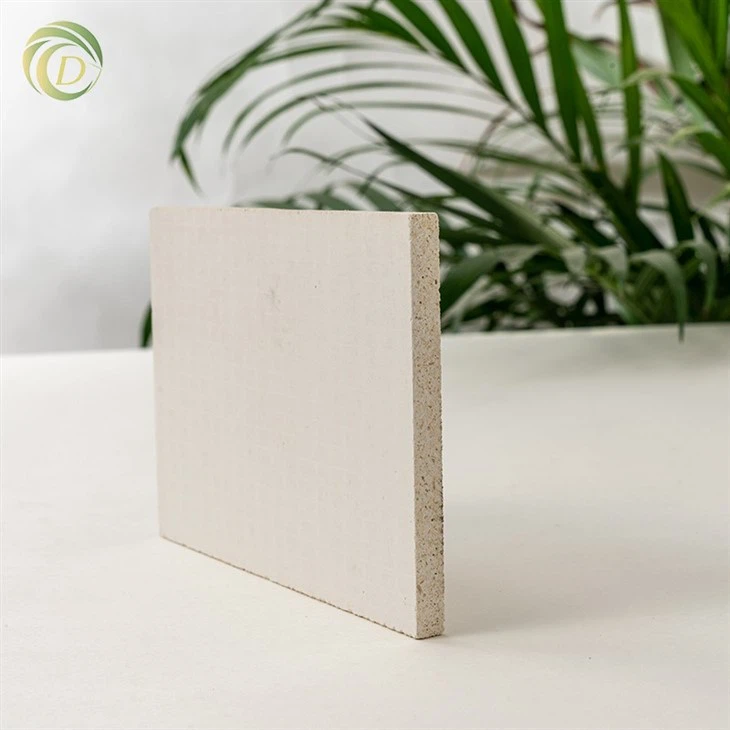


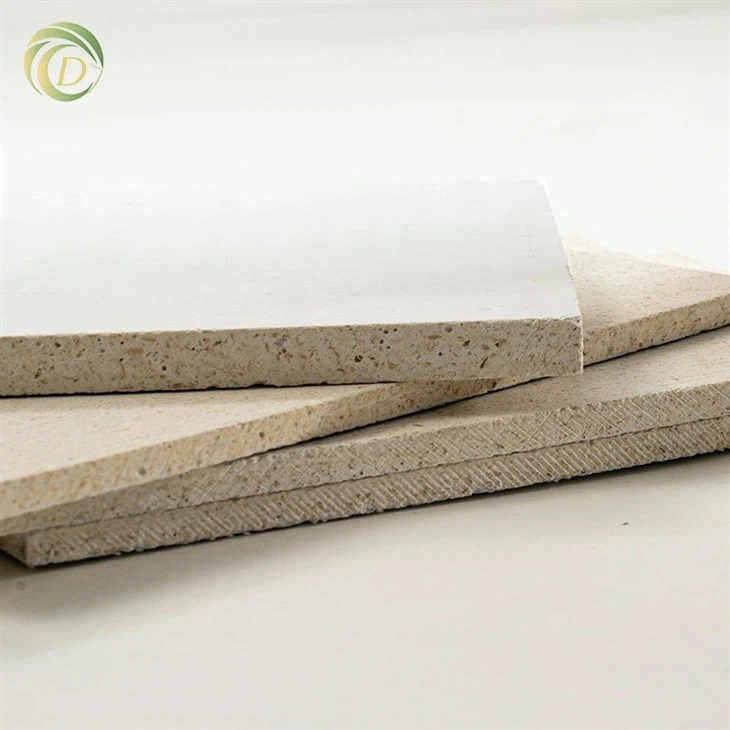
Magnesium Oxide Underlayment Floor Board
Fire Resistant Subfloor: Engineered for Maximum Safety When evaluating building materials, fire resistance remains the core standard for structural safety. Our magnesium oxide fire resistant subfloor provides excellent fire resistance and is the preferred choice for architects and builders worldwide.
- Fast Delievery
- Quality Assurance
- 24/7 Customer Service
Product Introduction

Magnesium Oxide Underlayment Floor Board (also known as MGO Underlayment, MgO Floor Board) is a high-performance, inorganic structural panel designed as a dry, stable, and durable subfloor/underlayment system for all types of finished flooring. It is widely used in residential, commercial, and industrial construction as a premium replacement for traditional plywood, OSB, gypsum, and cementitious underlayments.
Basic Composition
MGO underlayment floor boards are manufactured from:
Magnesium Oxide (MgO) as the main binder
Magnesium Sulfate (MgSO₄) – chloride-free formulation to prevent steel corrosion and efflorescence
Reinforced with fiberglass mesh for flexural strength
Inorganic fillers and lightweight aggregates for stability and workability
The result is a non‑combustible, dimensionally stable, water‑resistant structural panel with tongue‑and‑groove (T&G) or square edge for tight installation.
Key Properties & Performance
① Fire Resistance
A1 non‑combustible (ASTM E136, EN 13501‑1)
No flame spread, no smoke, no melting or dripping
Supports fire‑rated floor assemblies
② Water & Moisture Resistance
Low water absorption
No swelling, warping, or delamination in high humidity
Ideal for basements, bathrooms, kitchens, and wet areas
Mold, mildew, and rot resistant
③ Structural Strength & Stability
High flexural strength and load capacity
Excellent dimensional stability:
Low shrinkage
Low expansion
Reduces floor squeaks, cracks, and movement
Stronger and more stable than plywood/OSB over time
④ Health & Environmental Friendly
No formaldehyde, no VOCs, no asbestos
Non‑toxic, safe for indoor air quality
Compatible with green building standards (LEED, Greenguard)
⑤ Pest & Termite Proof
Inorganic structure provides no food source
Naturally termite‑resistant without chemical treatment
Technical Performance
Fire Resistance: A1 Non‑combustible (ASTM E136 / EN 13501‑1)
Water Absorption: ≤15%
Dimensional Stability: Low shrinkage & expansion
Moisture Resistance: No swelling, no warping, no delamination
Mold & Mildew: Inherently resistant
Formaldehyde: None
VOC / Asbestos: None
Termite Resistance: Yes (inorganic material)
Sound Insulation: Good
Compatibility: Underfloor heating, wet areas, basements


Workshop Information:

Typical Specifications
Common dimensions (can be customized):
Size: 1200×2400 mm, 600×2400 mm, 600×2700 mm
Thickness: 12 mm, 16 mm, 18 mm, 20 mm
Edge: Tongue‑and‑Groove (T&G) / Square Edge
Surface: Smooth, suitable for direct flooring application
Main Applications
MGO underlayment floor boards are suitable under nearly all floor finishes:
Hardwood flooring
Laminate flooring
LVT / SPC / Vinyl flooring
Ceramic & porcelain tile
Carpet
Commercial resilient flooring
Typical projects:
Residential houses, apartments
Basements, bathrooms, kitchens
Hotels, offices, shopping malls
Hospitals, schools, clean rooms
Any area requiring fire safety and moisture control
Installation Advantages
Dry installation – no mixing, no curing time, no waiting
Lightweight compared to cement board
Easy to cut with standard woodworking tools
T&G design ensures tight, stable joints
Can be installed over wood joists or concrete slabs
Compatible with underfloor heating systems
Why Choose MGO Underlayment Floor Board?
More durable than wood-based underlayments
Safer (fireproof, non‑toxic)
More stable in humidity and temperature changes
Longer service life, lower maintenance cost
Widely accepted in high‑standard construction projects
Comparison Chart: MGO Underlayment vs Plywood / OSB / Gypsum Board
| Performance | MGO Underlayment | Plywood | OSB | Gypsum Board |
|---|---|---|---|---|
| Fire Resistance | Non‑combustible (A1) | Combustible | Combustible | Combustible |
| Water & Moisture | Stable, no swell | Swell, warp | Swell, delaminate | Dissolve, collapse |
| Mold & Rot | No mold | Easy mold | Easy mold | Mold, odor |
| Termite Proof | Yes | No | No | No |
| Formaldehyde | 0 | May contain | May contain | Low |
| Indoor Air Quality | Safe & healthy | Risk | Risk | Medium |
| Dimensional Stability | Excellent | Medium | Poor | Poor |
| Suitable for Basement | Perfect | Not recommended | Not recommended | Not allowed |
| Service Life | Long (decades) | Medium | Short | Short |
| Installation | Dry, fast | Dry | Dry | Wet or dry |
| Overall Performance | Best | Medium | Low | Low |
Packing and Shipping for Magnesium Oxide Underlayment Floor Board:
Boards are carefully packaged to ensure protection during transit.
FAQ:
Q1: Are all MgO boards the same?
A: No,manufacturers may use different formulations and production cost structures, along with distinct product designs and manufacturing processes. Thus, the applications of products from each factory can vary significantly. While magnesium oxide boards with different formulas may seem similar in appearance and texture, care must be taken when selecting products for specific uses-their properties and application methods can differ, making them unsuitable for interchangeable use.
Q2. How do you pack your boards?
A: Our goods are generally packed using strong plywood or wood pallets.
Hot Tags: magnesium oxide underlayment floor board, China magnesium oxide underlayment floor board manufacturers, suppliers, factory, ceramic flooring, flooring swatch, in demand flooring, Mgo Flooring, reliable flooring, residential flooring


