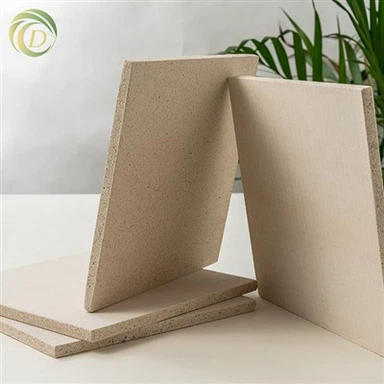
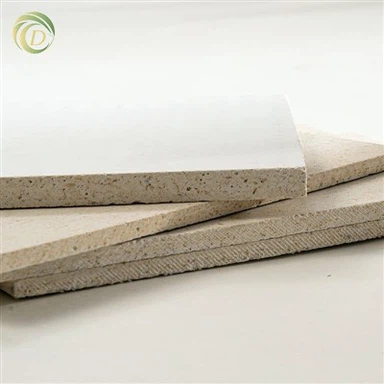
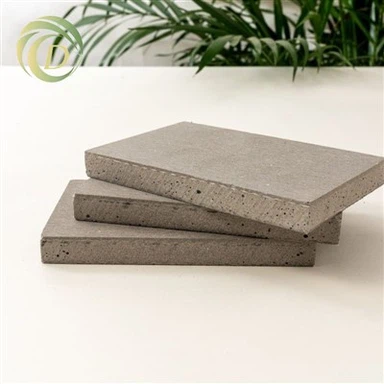
Magnesium Oxide Flooring Sulfate Fire Resistant
As a Class A non-combustible material, the excellent fire resistance performance of magnesium sulfate-based magnesium flooring systems relies on strict raw material control, precise ratio design, and improved production processes. Addressing the above common issues not only ensures that products meet the designed fire resistance grade but also maintains structural integrity for a longer time in actual fires, gaining valuable time for personnel evacuation and fire rescue.
- Fast Delievery
- Quality Assurance
- 24/7 Customer Service
Product Introduction
Magnesium Oxide Flooring Sulfate Fire Resistant
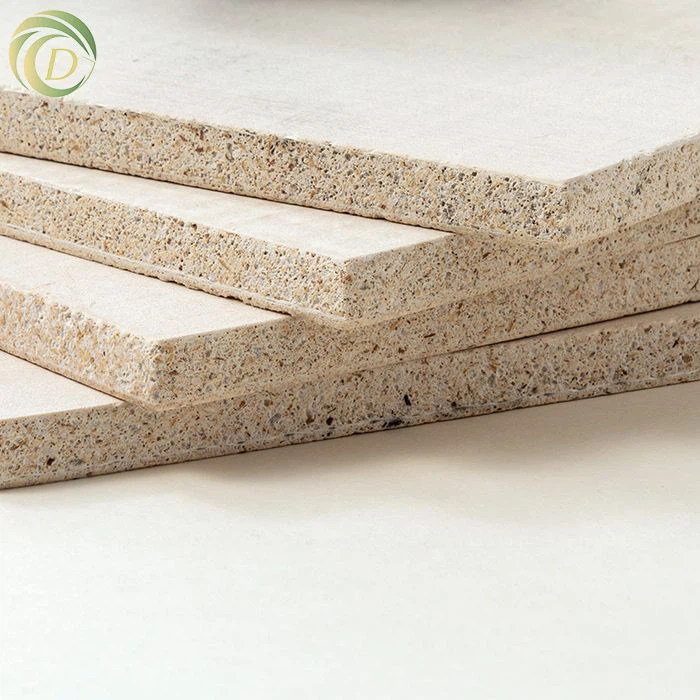
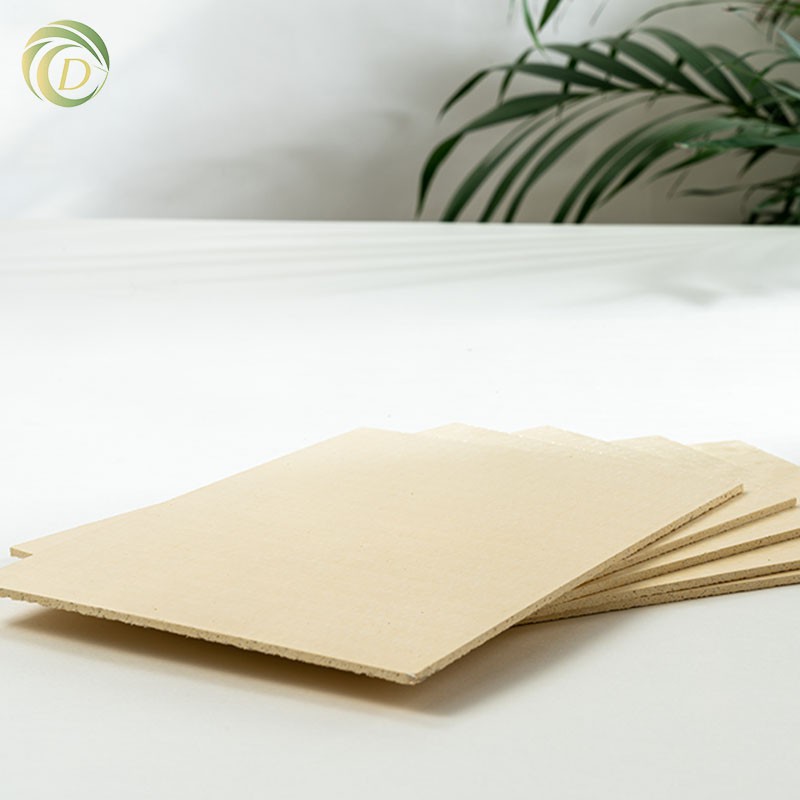
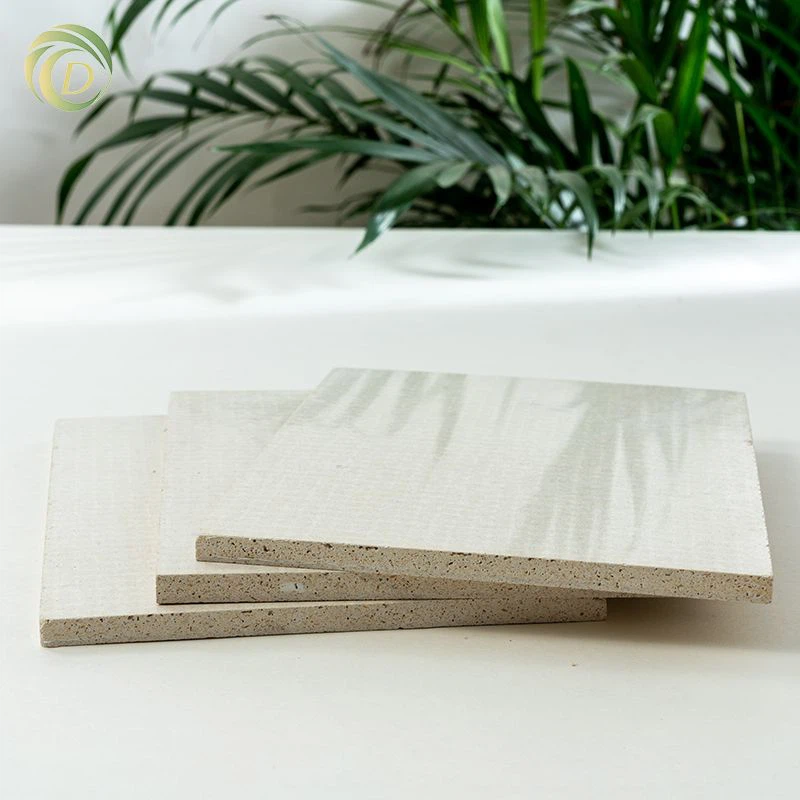
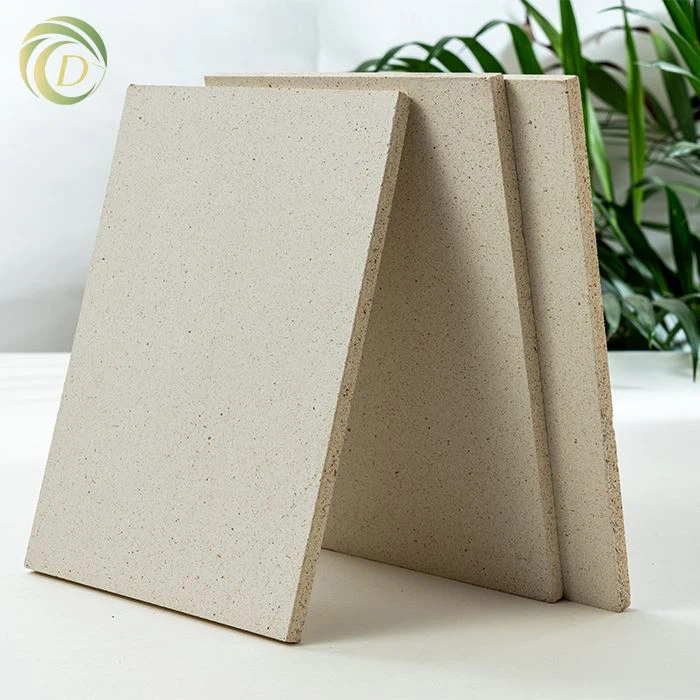
Magnesium oxide-sulfate fire-resistant flooring - we usually just call it "magnesium-sulfur fire-resistant flooring" for short - is a new kind of inorganic fire-resistant floor material. It's made with high-purity magnesium oxide (that's MgO, for short) as the main base material, plus sulfate (like magnesium sulfate or calcium sulfate) as the binding agent. We also add good-quality glass fiber cloth and inorganic fillers, things like quartz sand and talc powder, and then make it through special pressing and curing processes.
This product has some great key advantages: it's strong, super fire-resistant, eco-friendly, and non-toxic. It's actually a perfect fire-resistant floor option to replace those traditional wood floors and ceramic tiles.
Advantages of Magnesium Oxide Flooring Sulfate Fire Resistant
Excellent Fire Resistance and Flame Retardancy (Core Advantage)
its core advantage-great fire resistance and flame retardancy. MgO itself doesn't burn at all. Its fire performance meets the A1 standard in the GB 8624-2012 standard, which means it's totally non-combustible and doesn't give off any heat when exposed to fire. When you use it as a base material, it can stop flames from spreading right at the source. What's more, when it's in a fire, it won't release toxic gases like formaldehyde or carbon monoxide, and it won't drip molten material either. That makes it way safer than organic base materials, like plywood, fiber boards, or PVC boards.
Outstanding Moisture and Water Resistance
it's really good at resisting moisture and water. The inside structure of MgO board is a tight network of inorganic crystals, so water molecules can barely get through. Also, it doesn't have any organic resins or wood fibers that easily absorb water and swell up. High-quality MgO boards even get rid of extra moisture and become more compact through special processes, so they're super good at keeping moisture out.
High Dimensional Stability: No Deformation or Cracking
it has great dimensional stability-no warping or cracking. The inorganic crystal structure of MgO board doesn't expand or shrink much when the temperature changes. Its linear expansion coefficient is about 8×10⁻⁶/°C, which is close to cement products but better than gypsum boards. Besides, when it's being made, it goes through high-temperature curing or pressure strengthening, so all the internal stress is fully released. That means it won't deform or crack easily.
Environmental Friendliness and Formaldehyde-Free: Health and Safety
it's eco-friendly and formaldehyde-free-totally healthy and safe. The raw materials for making MgO board are all inorganic minerals, like MgO and talcum powder. Some products might add a little bit of plant fibers, such as straw or bamboo fiber, but they never use formaldehyde-based adhesives-the main source of pollution in organic base materials. So it's totally safe for your health.
Good Mechanical Properties: Load-Bearing and Impact Resistance
it has good mechanical properties-it can bear weight and resist impact. The base of MgO board is a hard inorganic material, and with fiber reinforcement, it has well-balanced mechanical performance. When you use it as a base material, it can provide stable support.
Weather Resistance and Durability: Long-Term Stability
it's weather-resistant and durable, so it stays stable for a long time. The inorganic components in MgO board don't dissolve in water, and they're not easy to be damaged by insects-since there's no wood in it, termites and mold won't eat it or erode it. It also can stand a certain level of acid and alkali environments, with a suitable pH range of 4 to 10.




Why Choose Us
Leading Core Technology
With over 10 years of R&D experience in the magnesium oxide-sulfate system, we hold 8 patented technologies. The optimized cementitious formula makes the product's fire resistance and stability far exceed the industry average, with a fire resistance limit 30% higher than ordinary magnesium flooring.
Large-Scale Production Capacity:
Equipped with 3 automated production lines and an annual capacity of 5 million square meters, we have precise batching systems and constant temperature&humidity curing workshops to ensure product quality consistency and meet the rapid delivery of large orders.
Complete Authoritative Certifications:
The product has passed domestic and international authoritative tests such as GB 8624-2012 Class A non-combustible certification, EU CE certification, US UL94 fire certification, and E0 environmental protection certification, with qualifications directly applicable for foreign trade export.
Customization Service Capability:
We can customize thickness (8mm-30mm), size, surface technology (film coating, anti-slip, anti-static) and fire resistance duration according to customer needs, providing integrated solutions from product design to construction guidance.
Supply Chain Cost Advantage:
Owning magnesium oxide mines and sulfate raw material procurement channels, we vertically integrate the industrial chain to effectively control production costs, providing customers with cost-effective products that are 10%-15% lower than competitors of the same quality.
Global Service Network:
With 12 overseas service centers in Europe, America, Southeast Asia, the Middle East and other regions, we provide 24/7 technical support, logistics and after-sales maintenance, ensuring worry-free foreign trade cooperation.
What Is Magnesium Oxide Flooring Sulfate Fire Resistant Made Of
Insufficient Purity of Magnesium Oxide
Problem Performance: MgO content < 90%, activity < 60%, with excessive impurities (e.g., CaO, SiO₂)
Impact Mechanism: Impurities form low-melting phases (e.g., CMS, melting point ~1490℃), reducing the overall fire resistance temperature of the material; periclase crystal development is incomplete, resulting in poor high-temperature stability
Fire Hazard: Accelerated decomposition at 600-900℃ leads to a sharp decline in structural strength and a significant reduction in fire resistance limit
Quality Problems of Magnesium Sulfate
Insufficient Purity: Magnesium sulfate produced from industrial waste acid or desulfurization wastewater contains heavy metals and acidic impurities, causing abnormal pH values and affecting hydration reactions
Unstable Crystalline Water Content: Use of non-standard magnesium sulfate heptahydrate leads to imbalanced reaction ratios and formation of unstable hydration products
Fire Hazard: The formed 5·1·8 phase (5MgO·MgSO₄·8H₂O) has an incomplete structure, which decomposes more easily at high temperatures, releasing crystalline water and reducing fire resistance stability
Magnesium Oxide Flooring Sulfate Fire Resistant
1. Core Fire-Resistant Performance
Fire Resistance Grade: Complies with GB 8624-2012 "Classification of Burning Behavior of Building Materials and Products" Class A non-combustible standard. It does not burn with open flame, no melting and dripping, and does not release toxic and harmful gases (such as formaldehyde, carbon monoxide) when exposed to fire.
Fire Resistance Duration: Conventional thickness (12mm-20mm) products have a fire resistance limit of 1.5h-3.0h, and specially customized thickness (25mm-30mm) can exceed 4.0h, meeting the fire protection design requirements of different buildings.
Fire Resistance Principle: Sulfate reacts with magnesium oxide to form stable hydration products (such as 5·1·8 phase magnesium salt cement), which do not decompose or burn under high-temperature environments; the internal glass fiber cloth forms a three-dimensional reinforcement network, effectively preventing the spread of fire, while maintaining structural integrity and avoiding collapse.
2. Comprehensive Performance Advantages
Physical and Mechanical Properties: Density 1.8-2.2g/cm³, compressive strength ≥40MPa, flexural strength ≥8MPa, high surface hardness (Mohs hardness ≥5), wear-resistant and impact-resistant, with a service life of more than 20 years.
Environmental Performance: No release of harmful substances such as formaldehyde, benzene and VOC, complying with EU E0-class environmental standard and US CARB P2 certification. It can be directly used for interior decoration, being green and healthy.
Moisture-Proof and Corrosion-Resistant: Inorganic material, non-absorbent and non-moisture-regenerating, with moisture-proof grade reaching GB/T 17657-2013 Grade 1. It can be used in humid environments (such as basements, bathroom doorways), and can effectively resist termite and mold erosion.
Easy Construction: Standardized product specifications (conventional size 1220×2440mm, customizable), light weight (30% lighter than ceramic tiles), sawable, nailable and drillable. No complex construction equipment is required, and it can be directly laid or pasted, improving construction efficiency by more than 50%.
Strong Adaptability: The surface can be subjected to secondary processing such as film coating, painting and wood veneer pasting. It is compatible with underfloor heating systems (thermal conductivity 0.8-1.0W/(m·K)), suitable for various decoration styles, and has both practicality and aesthetics.
3. Application Scenarios
Industrial Buildings: Factory workshops, warehouses, machine rooms, power distribution rooms and other areas with high fire protection requirements;
Commercial Buildings: Shopping malls, office buildings, hotels, exhibition centers, KTVs, cinemas and other densely populated places;
Public Buildings: Schools, hospitals, nursing homes, libraries, subway stations, airports and other public areas;
Residential Buildings: Living rooms, bedrooms, kitchens, basements of villas and high-rise residential buildings;
Special Venues: Chemical workshops, laboratories, data centers and other environments with special requirements for fire protection, moisture resistance and corrosion resistance.
How Does Magnesium Oxide Flooring Sulfate Fire Resistant Perform In Terms Of Load-Bearing Capabilities
Compared to traditional materials such as gypsum boards and plywood, the load-bearing advantages of MgO board underlayers focus on "cost-effectiveness and stability in medium-low load scenarios", specifically reflected in three aspects:
1. Significantly Superior Load-Bearing Strength to Gypsum Boards and Plywood, Meeting Most Basic Support Needs
Comparison with Gypsum Boards: The flexural strength of MgO boards is 3-5 times that of gypsum boards, and their compressive strength is 2-3 times higher. For example, in floor leveling underlayer scenarios, gypsum boards may sag when bearing thin ceramic tiles (approximately 15kg/㎡), while 6mm-thick MgO boards can stably bear the weight of thick ceramic tiles + cement mortar (approximately 30kg/㎡) without obvious deformation.
Comparison with Plywood: The flexural strength of MgO boards is 50%-100% higher than that of plywood, and they do not suffer from "moisture-induced failure". In humid environments such as bathrooms and basements, the load-bearing capacity of plywood decreases by more than 30% after 2-3 months due to wood water absorption and expansion. In contrast, MgO boards (24-hour water absorption ≤ 15%) maintain almost unchanged load-bearing strength in long-term humid environments, making them suitable for underlayer support in humid scenarios.


2. Better Load Distribution Capacity, Reducing the Risk of Local Damage
The dense inorganic crystalline structure and fiber-reinforced layer (e.g., glass fibers) of MgO boards can evenly transfer localized concentrated loads (such as pressure from furniture bases or small equipment feet) to the base layer (e.g., floor concrete, ceiling keels). This avoids base layer damage caused by "local stress concentration".
For example, when laying the floor in a living room, if a sofa leg (with a small contact area and a concentrated load of approximately 8kg) is directly pressed on a plywood underlayer, it may cause local depression in the plywood. However, an MgO board underlayer can disperse the pressure to a surrounding area of 30cm, ensuring more uniform force on the base concrete and eliminating the risk of depression.
3. No Attenuation in Long-Term Load-Bearing Stability, Strong Durability
Organic materials (such as plywood) experience a year-by-year decline in load-bearing capacity due to insect infestation, mildew, and aging (usually requiring replacement every 5-8 years). Gypsum boards may develop microcracks due to drying shrinkage, and these cracks expand under long-term loads, leading to reduced strength.
In contrast, MgO boards are inorganic materials that are not susceptible to insect infestation, mildew, or aging. Under standardized construction, their load-bearing capacity can remain unchanged for 15-20 years, eliminating the need for frequent maintenance or replacement and reducing long-term use costs.

Can Magnesium Oxide Flooring Sulfate Fire Resistant Be Used In High-Humidity Areas, Such As Bathrooms
The magnesium oxide (MgO) board subfloor underlayment is an excellent base material choice for high-humidity areas such as bathrooms, thanks to its inorganic material nature and moisture-proof process design. It effectively addresses the pain points of traditional underlayment such as "moisture-induced mildew, expansion, and deformation". However, it is necessary to further avoid potential risks through reasonable material selection and standardized construction. Its adaptability can be elaborated from three core advantages:
1. Excellent Moisture and Water Resistance: Blocking Water Penetration and Expansion
The microstructure of MgO boards consists of a dense inorganic crystal network, making it difficult for water molecules to penetrate through pores. Meanwhile, high-quality MgO boards minimize water absorption risks at the source through "low-chloride formulations" (reducing free magnesium chloride content) and "high-temperature curing processes" (enhancing board compactness):
Test data shows that compliant MgO boards have a 24-hour water absorption rate of ≤15% and a volume expansion rate of ≤2% after water absorption-far lower than that of plywood (over 10% expansion rate) and gypsum boards (over 20% expansion rate). Even when exposed to long-term "shower moisture + cleaning water accumulation" in bathrooms, the boards will not soften, delaminate, or bulge on the surface. They can maintain the flatness of the base layer and prevent subsequent cracking of ceramic tiles or waterproof membranes.
2. Inorganic Composition Resists Mildew and Insect Infestation: Eliminating Hazards in Humid Environments
High humidity in bathrooms easily causes organic gaskets (e.g., plywood, medium-density fiberboards) to grow mildew and attract borers. This not only affects hygiene but also reduces the board strength due to mildew. In contrast, MgO boards are mainly composed of magnesium oxide (an inorganic mineral), supplemented with inorganic fibers (e.g., glass fibers), and contain no wood fibers or organic resins:
Inorganic materials themselves do not provide the "nutrient source" required for mildew growth, so there is no risk of mildew in humid environments. At the same time, the absence of wood components completely prevents infestations by termites, wood-boring insects, etc. The structural integrity can be maintained during long-term use, eliminating the need for frequent replacement and maintenance.
3. Strong Compatibility with Waterproof Systems: Enhancing Overall Moisture-Proof Effect
The base layer of bathrooms needs to work with waterproof membranes and coatings to form a "multi-layer moisture-proof barrier". MgO board underlayer gaskets exhibit excellent compatibility in this system:
They have high adaptability with inorganic waterproof materials (e.g., cement-based capillary crystalline waterproof coatings, polymer cement waterproof mortars). Both are inorganic materials with similar expansion coefficients, ensuring firm bonding without interface delamination risks. This enables the formation of an integrated moisture-proof structure of "underlayment + waterproof layer";
Even when paired with organic waterproof coatings (e.g., polyurethane coatings), the alkalinity of the MgO board surface (pH 8-10) does not react chemically with the coatings. Additionally, the board surface is flat (with moderate roughness), ensuring uniform application of the waterproof coating and avoiding weak waterproof points caused by an uneven base layer.
What Type Of Fire Testing Has Been Conducted On Magnesium Oxide Flooring Sulfate Fire Resistant
There are several types of fire testing that have been conducted on Fireproof Mgo Wallboard, including:
Fire Resistance Testing
This involves subjecting the wallboard to controlled fire conditions to determine its ability to resist fire and prevent the spread of flames. The wallboard may be tested for a specific duration, such as 30 minutes, 60 minutes, or even longer, to assess its fire resistance rating.
Flame Spread Testing
This test measures the rate at which flames spread across the surface of the wallboard. It helps determine the material's ability to limit the spread of fire and prevent it from engulfing a larger area.

Toxicity Testing
This involves assessing the release of toxic gases or chemicals from the wallboard when exposed to elevated temperatures. Toxic gases emitted during a fire can pose health risks to occupants.
Common Issues Affecting the Fire Resistance Performance of Magnesium Oxide Flooring Sulfate Fire Resistant
The fire resistance performance of magnesium flooring (magnesium oxysulfate flooring) is influenced by various factors. Problems in any link may lead to a decrease in fire resistance grade, shortened fire resistance duration, or loss of structural integrity. Below are the main issues affecting its fire resistance performance:
Raw Material Quality Issues
1. Insufficient Purity of Magnesium Oxide
Problem Performance: MgO content < 90%, activity < 60%, with excessive impurities (e.g., CaO, SiO₂)
Impact Mechanism: Impurities form low-melting phases (e.g., CMS, melting point ~1490℃), reducing the overall fire resistance temperature of the material; periclase crystal development is incomplete, resulting in poor high-temperature stability
Fire Hazard: Accelerated decomposition at 600-900℃ leads to a sharp decline in structural strength and a significant reduction in fire resistance limit
2. Quality Problems of Magnesium Sulfate
Insufficient Purity: Magnesium sulfate produced from industrial waste acid or desulfurization wastewater contains heavy metals and acidic impurities, causing abnormal pH values and affecting hydration reactions
Unstable Crystalline Water Content: Use of non-standard magnesium sulfate heptahydrate leads to imbalanced reaction ratios and formation of unstable hydration products
Fire Hazard: The formed 5·1·8 phase (5MgO·MgSO₄·8H₂O) has an incomplete structure, which decomposes more easily at high temperatures, releasing crystalline water and reducing fire resistance stability
Ratio Imbalance Issues
1. Disproportionate Oxygen-Sulfur Ratio
Problem Performance: MgO/MgSO₄ molar ratio deviates from the optimal value (theoretical value 6:1)
Impact Mechanism:
Excessively high ratio: Produces excessive Mg(OH)₂, resulting in loose structure and decreased strength and water resistance
Excessively low ratio: Excess magnesium sulfate accelerates decomposition at high temperatures, releasing SO₃ gas and forming a corrosive environment
Fire Hazard: Inadequate formation of the 5·1·8 phase, poor structural stability at high temperatures, and shortened fire resistance duration
2. Improper Water-Cement Ratio
Problem Performance: Excessively high water-sulfur ratio (>2.5) leads to excessive moisture in the system
Impact Mechanism: Surplus moisture forms pores, reducing compactness; the amount and crystallinity of crystal formation decrease, lowering structural strength
Fire Hazard: At high temperatures, the water vapor pressure in pores increases, causing material cracking and spalling, and damaging the overall structure
Production Process Defects
1. Improper Control of Reaction Temperature
Problem Performance: Production at room temperature (15-25℃) without reaching the optimal dissolution temperature of magnesium sulfate (>60℃)
Impact Mechanism: Incomplete dissolution of magnesium sulfate fails to form a complete 5·1·8 phase structure; incomplete reaction leaves residual free magnesium oxide and sulfate
Fire Hazard: Residual substances undergo secondary reactions at high temperatures, generating gas and volume changes, leading to structural damage
2. Insufficient Curing Conditions
Problem Performance: Curing temperature <25℃, humidity <60%, time <7 days; or high-temperature rapid curing
Impact Mechanism:
Insufficient curing: Incomplete hydration reaction, reduced strength and stability
Rapid curing: Generates internal stress, forming microcracks and reducing thermal shock resistance
Fire Hazard: Microcracks expand at high temperatures, resulting in loss of structural integrity and a significant reduction in fire resistance limit
3. Uneven Molding Pressure
Problem Performance: Pressure <1.5MPa or uneven pressure application, leading to a material density deviation >5%
Impact Mechanism: Uneven density causes high local porosity, forming stress concentration points; insufficient overall compactness increases thermal conductivity
Fire Hazard: Pores are preferentially damaged at high temperatures, forming through cracks that accelerate fire spread and heat transfer
Microstructural Defects
1. Excessively High Porosity
Problem Performance: Apparent porosity >10%, closed porosity <30%, resulting in material density <1.8g/cm³
Impact Mechanism: Pores form thermal stress concentration points; reduce material heat capacity and thermal resistance; act as channels for heat and gas transfer
Fire Hazard: Under thermal shock, cracks occur around pores, leading to material delamination and spalling, and shortening fire resistance duration by more than 50%
2. Uneven Distribution of Fiber Reinforcement
Problem Performance: Uneven laying, insufficient layers, or breakage of glass fiber cloth; poor bonding between fibers and matrix
Impact Mechanism: Failure to form an effective three-dimensional reinforcement network; obstructed stress transfer; loss of support function at high temperatures
Fire Hazard: Materials are prone to brittle fracture at high temperatures, losing load-bearing capacity, leading to structural collapse and loss of fire integrity
Environmental Factor Impacts
1. Humidity and Moisture Issues
Long-Term Moisture Absorption: When used in environments with relative humidity >75%, materials absorb moisture, leading to decomposition of hydration products
Efflorescence Phenomenon: Unmodified magnesium oxysulfate materials precipitate crystalline water and salts on the surface in high-humidity environments, reducing fire resistance stability
Fire Hazard: Moisture vaporizes rapidly at high temperatures, generating steam pressure that causes material explosion; simultaneously accelerates decomposition of the 5·1·8 phase, releasing flammable gases
2. Temperature Fluctuations and Thermal Shock
Thermal Fatigue: Repeated thermal cycles (e.g., large day-night temperature differences) lead to expansion of internal microcracks in materials
Thermal Shock: Sudden high temperatures (e.g., fires) cause excessive temperature differences between the surface and interior of materials, resulting in explosive damage
Fire Hazard: Through cracks appear in the structure, allowing rapid penetration of heat and flames, reducing the fire resistance limit from 3 hours to less than 1 hour
3. Chemical Erosion
Acidic Environments: Contact with acid mist or acidic gases (e.g., SO₂) causes surface corrosion and pore formation
Alkaline Erosion: Contact with highly alkaline substances damages the magnesium salt cement structure, reducing bonding strength
Fire Hazard: The surface protective layer is damaged, exposing internal materials directly to high temperatures and accelerating decomposition and strength loss
Other Key Issues
1. Improper Use of Additives
Problem Performance: Use of unqualified admixtures; excessive or insufficient dosage; antagonism between multiple admixtures
Impact Mechanism: Disrupts the normal hydration reaction process; changes material microstructure; reduces high-temperature stability
Fire Hazard: Causes materials to soften, deform, or release toxic gases prematurely at high temperatures, failing to meet Class A non-combustible standards
2. Carbonation Problems
Problem Performance: Long-term exposure to CO₂ environments causes materials to absorb CO₂ and form magnesium carbonate, leading to volume expansion and strength reduction
Impact Mechanism: Carbonation reactions consume Mg(OH)₂, damaging the internal structure of materials and forming a loose magnesium carbonate layer
Fire Hazard: Carbonated areas decompose preferentially at high temperatures, generating CO₂ gas that increases internal material pressure, leading to structural collapse
3. High-Temperature Decomposition Issues
Problem Performance: Magnesium oxysulfate materials begin to decompose at >600℃ and decompose extensively at 900℃, releasing SO₃ and water vapor
Impact Mechanism: Decomposition of the 5·1·8 phase results in loss of structural support; SO₃ produced by sulfate decomposition reacts with MgO to form unstable magnesium sulfate, causing particle fragmentation
Fire Hazard: Under sustained high temperatures in fires, the material structure completely collapses, losing load-bearing and fire-blocking capabilities, and significantly shortening fire resistance duration
Comprehensive Manifestations of Deteriorated Fire Resistance Performance
When the above issues occur, magnesium sulfate-based magnesium flooring systems typically exhibit the following characteristics of reduced fire resistance performance:
| Performance Deterioration Manifestations | Corresponding Key Issues | Hazard Level |
|---|---|---|
| Fire resistance grade drops to B1/B2 (originally Class A) | Impure raw materials, ratio imbalance, microstructural defects | Extremely High (does not meet fire code requirements) |
| Fire resistance duration <1 hour (standard ≥1.5 hours) | High porosity, uneven fiber distribution, high-temperature decomposition | High (fails to meet fire design requirements) |
| Deformation and collapse at high temperatures | Insufficient structural strength, ineffective fiber reinforcement | Extremely High (loses structural support function) |
| Release of toxic gases at high temperatures | Impure raw materials, improper additives | High (endangers personnel evacuation safety) |
| Significant increase in thermal conductivity (>1.2W/m·K) | Microstructural defects, high porosity | Medium (causes rapid heat transfer) |
Prevention and Improvement Measures
To ensure the excellent fire resistance performance of magnesium sulfate-based magnesium flooring systems, the following aspects should be addressed:
1. Raw Material Control
Select high-purity magnesium oxide (≥95%, activity ≥65%) and standard magnesium sulfate heptahydrate
Strictly control raw material impurity content: CaO <2%, SiO₂ <3%, chloride ion <0.05%
Prioritize industrial-grade magnesium sulfate and avoid recycled or by-product magnesium sulfate
2. Ratio Optimization
Precisely control the oxygen-sulfur ratio between 5.5-6.5:1 and the water-sulfur ratio within the range of 2.0-2.4:1
Adjust the ratio according to magnesium oxide activity, adopting a dynamic ratio method (for every 5% decrease in activity, increase MgO dosage by 3%)
3. Process Improvement
Adopt a preheating process: Heat magnesium sulfate solution to 60-80℃ before mixing with magnesium oxide to ensure complete dissolution
Optimize curing conditions: Temperature 25-35℃, humidity 80-90%, time ≥14 days to ensure complete hydration reaction
Increase molding pressure to 2.0-2.5MPa to ensure material compactness ≥1.9g/cm³ and porosity <8%
4. Structural Enhancement
Adopt multi-layer glass fiber cloth + chopped fiber composite reinforcement to ensure uniform fiber distribution and firm bonding with the matrix
Add mineral admixtures such as silica fume and fly ash to fill pores and improve compactness and high-temperature stability
Introduce high-temperature resistant admixtures (e.g., phosphate, aluminate) to improve interface bonding and thermal shock resistance
5. Application Environment Adaptation
For use in humid environments, perform surface waterproofing treatment (e.g., coating with silane-based waterproof agents)
In areas with large temperature fluctuations, adopt elastic connection methods and reserve expansion joints (width 3-5mm)
Design special protective layers (e.g., acid-resistant coatings) for specific corrosive environments
As a Class A non-combustible material, the excellent fire resistance performance of magnesium sulfate-based magnesium flooring systems relies on strict raw material control, precise ratio design, and improved production processes. Addressing the above common issues not only ensures that products meet the designed fire resistance grade but also maintains structural integrity for a longer time in actual fires, gaining valuable time for personnel evacuation and fire rescue.
Our Factory
We are a company dedicated to magnesia cement products. Our main products are Magnesium Oxide Boards(MGO Board) for construction and laminated MgO boards with for furniture and renovation. Our mission is to provide the world's construction markets with environmentally friendly, high-performance and sustainable green materials.

FAQ
Q: What is the fire resistance grade of the magnesium oxide-sulfate fire-resistant floor? Does it meet international standards?
A: The product meets GB 8624-2012 Class A non-combustible standard, and has passed international certifications such as EU CE and US UL94. It fully complies with building fire codes in Europe, America, Southeast Asia and other regions, and can be directly used in foreign trade projects.
Q: Will the product release toxic gases in high-temperature environments?
A: No. The product is made of 100% inorganic materials, 不含 formaldehyde, benzene and other harmful substances. It does not burn or decompose at high temperatures, and only releases a small amount of water vapor, meeting environmental protection and safe evacuation requirements.
Q: What are the advantages of magnesium-sulfur fire-resistant flooring compared with traditional ceramic tiles and wood flooring?
A: Compared with ceramic tiles, it is lighter (reducing building load), faster to construct, and can be reprocessed; compared with wood flooring, it is completely non-combustible, moisture-proof and corrosion-resistant, free of formaldehyde pollution, and has a longer service life with higher comprehensive cost performance.
Q: Is the product suitable for underfloor heating systems? What should be noted during installation?
A: Yes. The product has a thermal conductivity of 0.8-1.0W/(m·K), with uniform heat conduction that does not affect the underfloor heating effect. During installation, a 2-3mm expansion joint should be reserved, and special environmental protection adhesive or keel fixing should be used to avoid scratching the surface with sharp objects.
Q: How is the moisture-proof performance of the product? Can it be used in humid areas such as basements and bathrooms?
A: The product has a first-class moisture-proof grade, does not absorb water or return moisture, and can be directly used in humid environments such as basements, bathroom doorways, and kitchens. It can effectively prevent mold growth and termite erosion without additional moisture-proof treatment.
Q: What decorative treatments can be done on the surface of the product?
A: The surface can be treated with film coating (PVC, wood grain film), environmental protection paint, wood veneer, sandblasting anti-slip, etc. Colors and textures can be customized according to decoration styles, combining fire resistance and decorative effects.
Q: What is the warranty period of the product? What after-sales guarantees are available?
A: The product has a 10-year warranty period. During the warranty period, non-human damage (such as cracking, deformation) can be replaced free of charge. The company provides 24/7 technical support, and overseas customers can enjoy rapid after-sales response through local service centers.
Q: What are the minimum order quantity (MOQ), delivery time and payment terms for foreign trade orders?
A: The minimum order quantity (MOQ) is 1000㎡. The delivery time for conventional products is 7-15 days, and 15-25 days for customized products; payment terms support T/T (30% advance payment, 70% payment against bill of lading copy) and L/C letter of credit, which can be adjusted according to customer needs.
Hot Tags: magnesium oxide flooring sulfate fire resistant, China magnesium oxide flooring sulfate fire resistant manufacturers, suppliers, factory, dance flooring, Fire Rated Subfloor, flooring texture, Mgo Flooring, roll flooring, staircase flooring