What’s your loading quantity for 20GP/40HQ container?
Feb 04, 2026
1. Standard Container Internal Dimensions & Basic Parameters
20GP (20-foot General Purpose):Internal size: ~5.898m (L) × 2.352m (W) × 2.393m (H)Effective volume: ~33.2 cubic metersMax payload: ~21–22 tons (varies by shipping line)
40HQ (40-foot High Cube):Internal size: ~12.032m (L) × 2.352m (W) × 2.698m (H)Effective volume: ~76.3 cubic metersMax payload: ~26–27 tons (varies by shipping line)
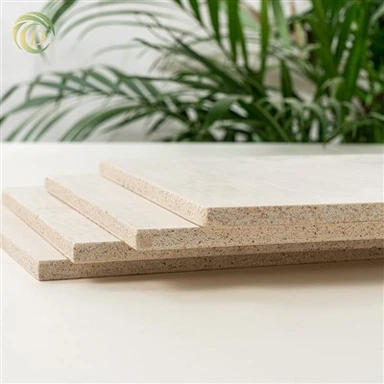
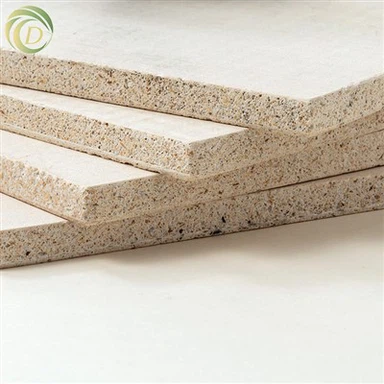
2. Loading Quantity (Based on Standard MGO Board: 1220mm × 2440mm / 4×8ft)
Note: Actual quantity may vary ±5% due to packaging, stacking gaps, and weight limits.
| Board Thickness | 20GP Container | 40HQ Container |
|---|---|---|
| 5mm | ~1336 sheets | ~2672sheets |
| 8mm | ~832 sheets | ~1664 sheets |
| 10mm | ~668 sheets | ~1336 sheets |
| 12mm | ~556 sheets | ~1112 sheets |
| 15mm | ~420 sheets | ~840 sheets |
| 18mm | ~312 sheets | ~624 sheets |
| 20mm | ~280 sheets | ~560sheets |
3. Key Factors Affecting Loading Quantity
Board specifications: Non-standard sizes (e.g., 1200×2400mm) will change the stacking efficiency and quantity.
Packaging method:
Naked packing: Higher quantity (maximizes space).
Palletized / wooden case packing: Lower quantity (reduces space by 10–15% but improves protection).
Weight limit: For thick boards (≥15mm), the container may reach its weight capacity before volume is full, limiting the loading quantity.
Stacking & gaps: Vertical/horizontal stacking, and reserved gaps for ventilation/handling, reduce effective space by ~5–10%.
4. Basic Calculation Logic
Calculate the volume of 1 sheet: Length × Width × Thickness.
Divide the container's effective volume by the single-sheet volume.
Deduct 5–10% for packaging, gaps, and operational space.
Cross-check with the container's weight limit to confirm the final quantity.
5. Practical Notes
For long-distance sea shipments, palletized packing is recommended (even if quantity is slightly reduced) to prevent damage and facilitate loading/unloading.
Always confirm the final loading plan with the factory/warehouse and shipping line to avoid overweight or over-volume issues.
Provide customers with both volume-based and weight-based loading estimates for transparency.