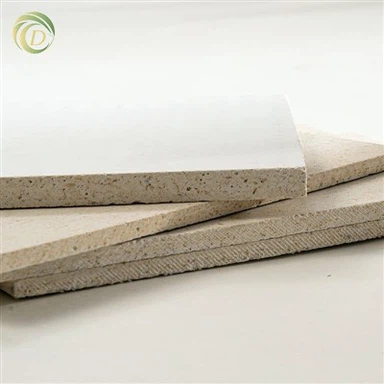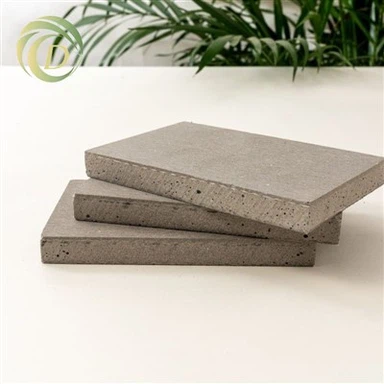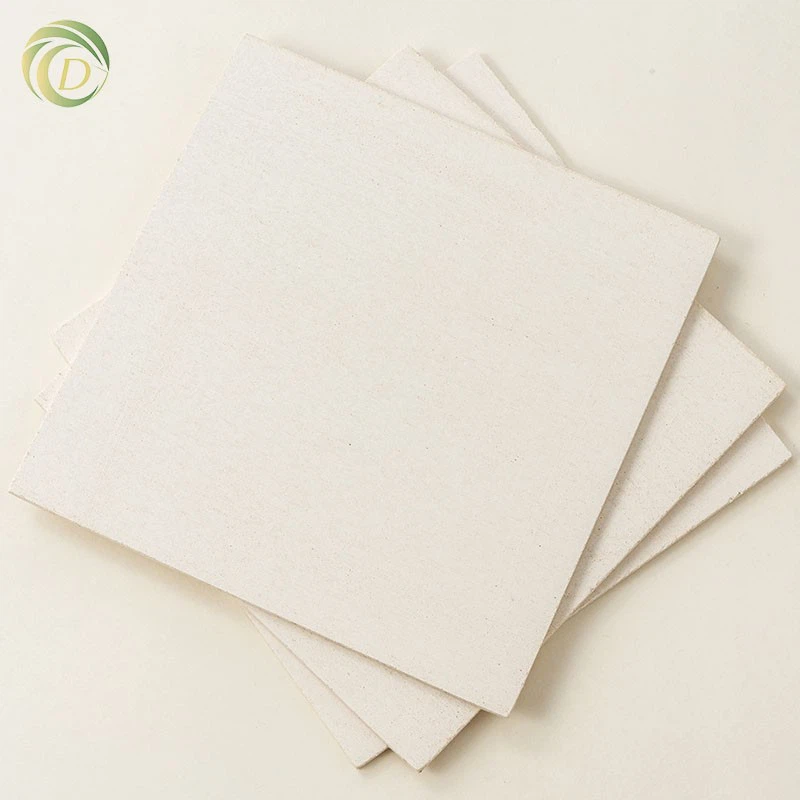

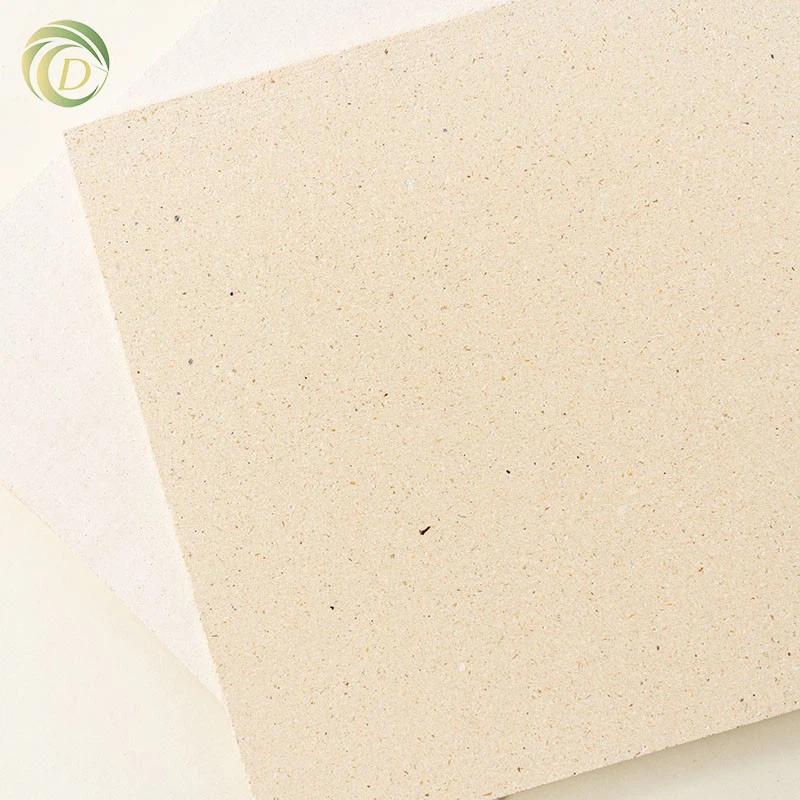
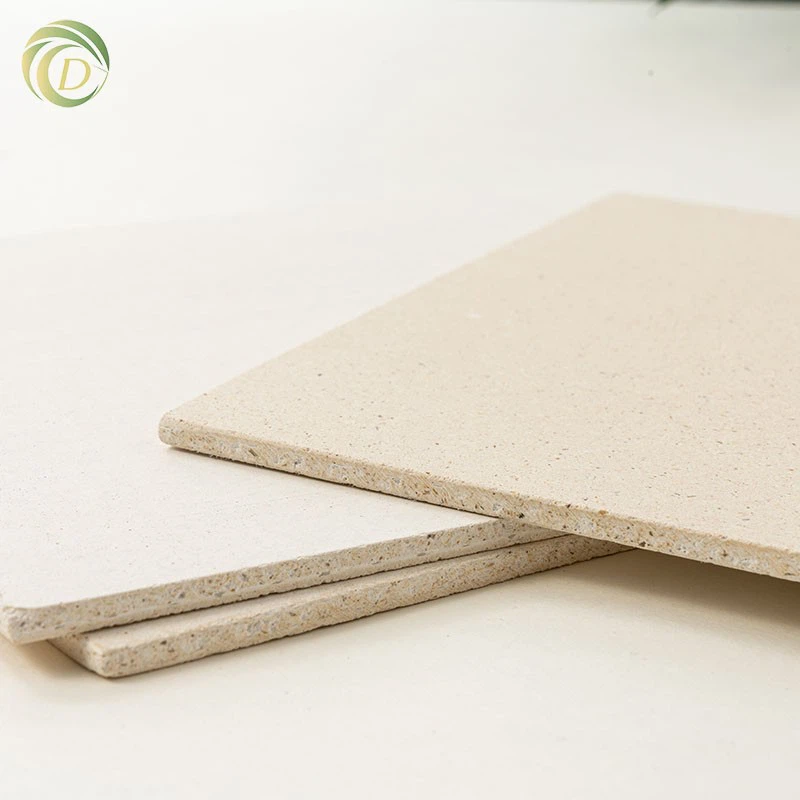
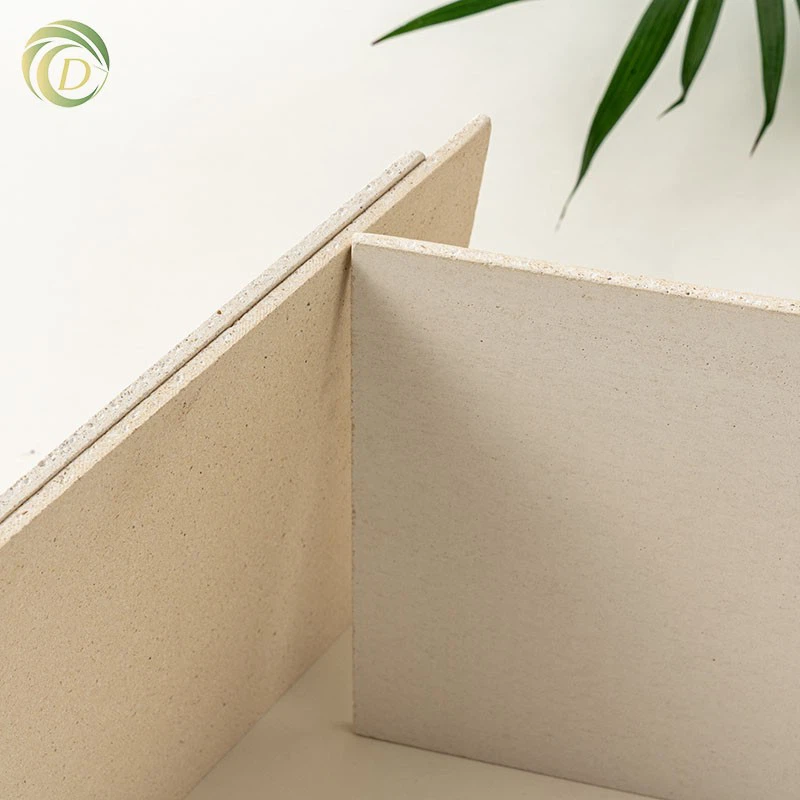
Fire Resistant Magnesium Oxide Sulphate MGO Subfloor Board
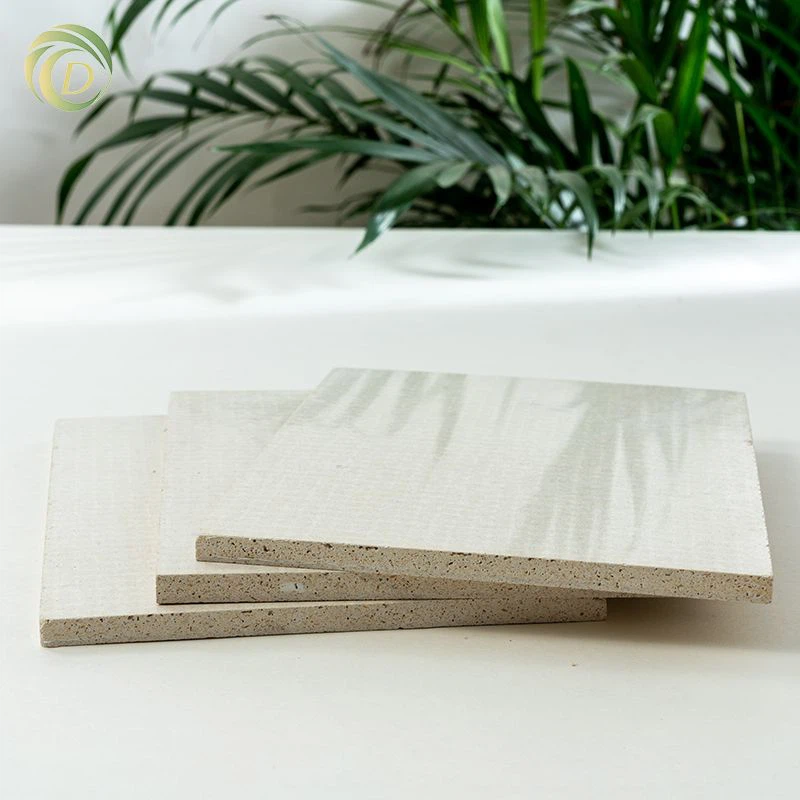
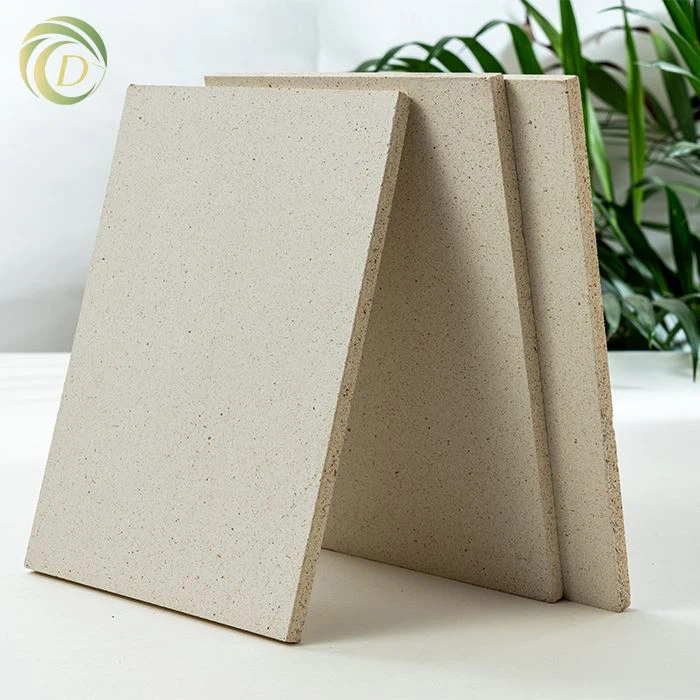
Fire Resistant Magnesium Oxide Sulphate MGO Subfloor Board is a new type of green building material integrating fire resistance, moisture resistance, environmental friendliness, and durability. It is particularly suitable for modern buildings with high safety and environmental requirements. Its core advantages lie in Class A1 non-combustibility, zero water absorption, and long service life, making it an ideal alternative to traditional flooring materials.
- Fast Delievery
- Quality Assurance
- 24/7 Customer Service
Product Introduction
Fire Resistant Magnesium Oxide Sulphate MGO Subfloor Board
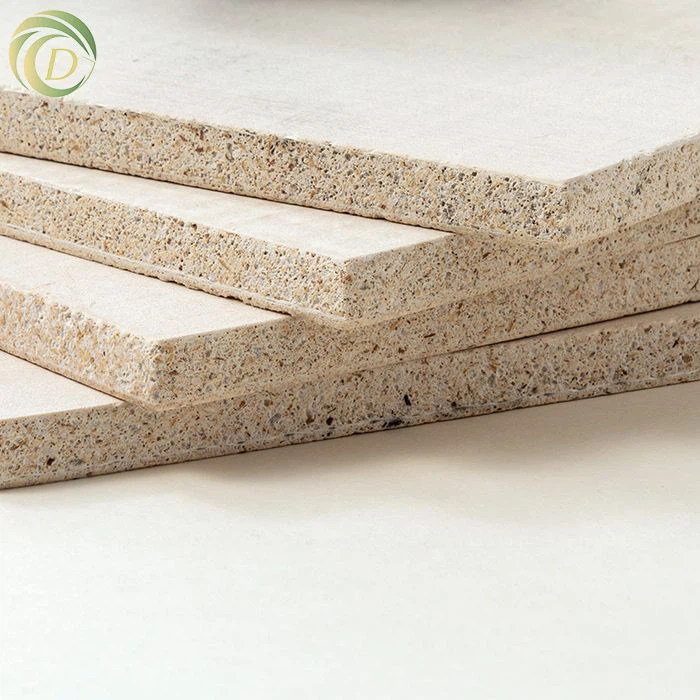
Fire Resistant Magnesium Oxide Sulphate MGO Subfloor Board (also known as Magnesium Oxysulfate (MOS) Floor Board/MGO Floor Board) is a new type of environmentally friendly inorganic composite panel. It is an air-hardening cementitious material board composed of a quaternary system of magnesium oxide (MgO), magnesium sulfate (MgSO₄), water, and modifiers, reinforced with alkali-resistant glass fiber mesh, supplemented with lightweight fillers (such as perlite and plant fibers), and formed by mechanical rolling.
Advantages of Fire Resistant Magnesium Oxide Sulphate MGO Subfloor Board
Excellent Fire Resistance and Flame Retardancy (Core Advantage)
MgO itself is a non-combustible material (its combustion performance meets the Class A1 standard in GB 8624-2012 Classification of Burning Behavior of Building Materials and Products, i.e., "non-combustible with no heat release"). When used as a substrate, it can fundamentally block the spread of flames. Moreover, it does not produce toxic gases (such as formaldehyde and carbon monoxide) or molten drippings during combustion, making it far safer than organic substrates (e.g., plywood, fiber boards,PVC boards).
Outstanding Moisture and Water Resistance
The microstructure of MgO board is a dense inorganic crystal network, which makes it difficult for water molecules to penetrate. Meanwhile, its composition does not contain organic resins or wood fibers that are prone to water absorption and expansion (high-quality MgO boards remove free moisture and optimize compactness through processes), thus exhibiting excellent moisture and water resistance.
High Dimensional Stability: No Deformation or Cracking
The inorganic crystal structure of MgO board has a small coefficient of thermal expansion and contraction (the linear expansion coefficient is approximately 8×10⁻⁶/°C, close to that of cement products but better than gypsum boards). Additionally, it undergoes high-temperature curing or pressure strengthening during the forming process, and internal stresses are fully released.
Environmental Friendliness and Formaldehyde-Free: Health and Safety
The raw materials for MgO board production are inorganic minerals (MgO, talcum powder, etc.). Some products may add a small amount of plant fibers (e.g., straw, bamboo fiber), but they do not rely on formaldehyde-based adhesives (the main source of pollution for organic substrates).
Good Mechanical Properties: Load-Bearing and Impact Resistance
The base material of MgO board is a rigid inorganic material, and with fiber reinforcement, it has balanced mechanical properties and can provide stable support when used as a substrate
Weather Resistance and Durability: Long-Term Stability
The inorganic components of MgO board are insoluble in water and not susceptible to insect infestation (no wood components, avoiding termite and mold erosion). It also has a certain degree of resistance to acid and alkali environments (suitable pH range: 4-10).
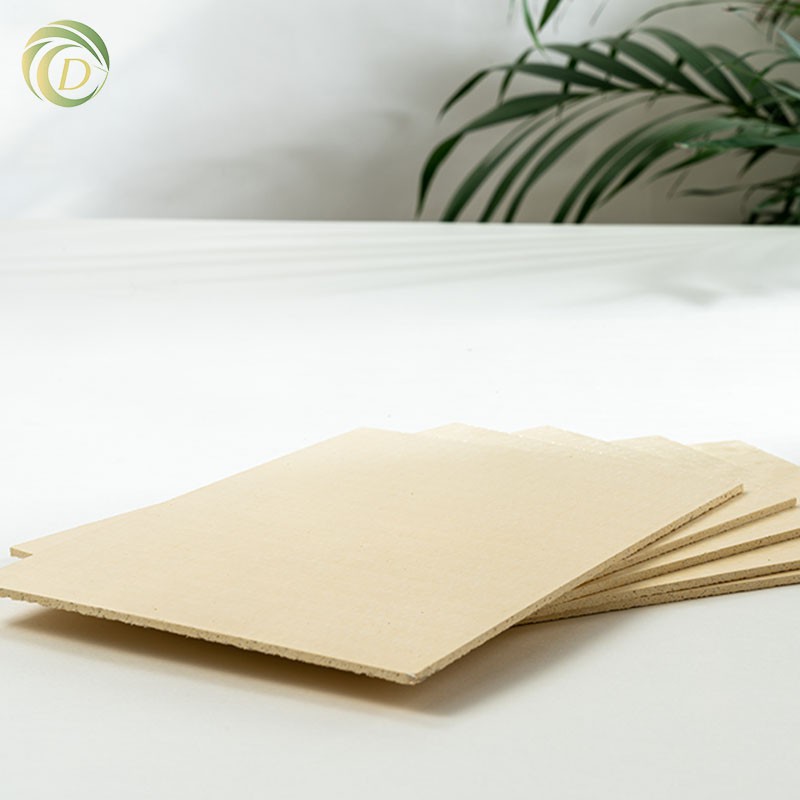




Why Choose Us
Strict Quality Control, Quality Benchmark:
Products fully comply with JC/T 2867-2025 standard, each batch passes authoritative tests such as Class A1 fire resistance and formaldehyde-free environmental protection, with chloride ion content < 0.1%. Full-process traceability is realized from raw materials to finished products, eliminating "shoddy goods".
Leading Technology, Strong Customization Capability:
Possessing more than 10 patents for magnesium building materials, we can customize special functional boards such as anti-static, antibacterial and thickened ones according to customer needs, and can quickly respond to the production needs of non-standard sizes (such as extra-long and extra-wide boards).
Sufficient Production Capacity, Stable Supply:
Equipped with 3 automatic production lines, the annual production capacity reaches 8 million square meters, which can ensure the timely delivery of bulk orders for large-scale projects. At the same time, strategic raw material reserves are established to avoid supply chain fluctuations affecting the construction period.
Full-Process Service, Worry-Free:
Provide "one-stop service" from pre-sales technical consultation, on-site survey to post-sales installation guidance and after-sales quality assurance. The professional team responds to customer problems within 72 hours, and the maximum warranty period is up to 10 years.
Cost Advantage, Outstanding Cost-Effectiveness:
Through large-scale procurement and production process optimization, on the premise of ensuring quality, the product price is 5%-8% lower than that of peers. At the same time, installment payment for bulk orders is supported to reduce the customer's capital pressure.
Industry Reputation, Rich Cases:
Having served more than 200 large-scale projects (such as schools, hospitals, logistics parks, etc.), the customer repurchase rate exceeds 70%, and has successively won honorary certifications such as "Green Building Materials Demonstration Enterprise" and "Reliable Unit of Fire Products".
What Is Fire Resistant Magnesium Oxide Sulphate MGO Subfloor Board Made Of
- High-purity active magnesium oxide: Provides basic strength and fire resistance
- Industrial-grade magnesium sulfate: Reacts with magnesium oxide to form magnesium oxysulfate cement (5Mg(OH)₂·MgSO₄·7H₂O)
- Alkali-resistant glass fiber mesh: Enhances panel toughness and prevents cracking
- Plant fibers/lightweight fillers: Reduces weight and improves thermal insulation performance
Working Principle and Characteristics of Fire Resistant Magnesium Oxide Sulphate MGO Subfloor Board
1. Fire Resistance Mechanism (Three-Layer Protection)
① Heat Absorption and Temperature Reduction: At high temperatures (>1124℃), magnesium sulfate decomposes into magnesium oxide and sulfur trioxide, absorbing a large amount of heat and significantly reducing the surface temperature of the material.
② Barrier Formation: The decomposed magnesium oxide has a melting point of up to 2852℃, forming a dense high-temperature resistant protective layer on the surface to block the transmission of oxygen and heat.
③ Smoke Suppression: Completely non-combustible without open flames, and does not release toxic gases (such as CO and hydrogen cyanide). The smoke toxicity reaches Class AQ2, gaining valuable time for evacuation.
2. Physical and Chemical Properties
|
Performance Indicator |
Value |
Advantage Explanation |
|
Fire Rating |
Class A1 (Non-combustible) |
No open flames at 1200℃, fire resistance limit >4 hours |
|
Density |
1.15-1.35g/cm³ |
Lightweight yet high-strength, easy to transport and install |
|
Water Absorption Rate |
<0.5% |
Almost zero water absorption, excellent moisture resistance |
|
Compressive Strength |
Up to 60MPa |
Far exceeding ordinary panels, capable of withstanding heavy loads |
|
Softening Coefficient |
>0.85 |
Superior water resistance, no deformation in humid environments |
|
Deformation Rate |
≤0.3% |
Good dimensional stability, no deformation under thermal cycling (-20℃~80℃) |
|
Sound and Thermal Insulation |
Good |
Effectively blocks sound and heat transmission, improving living comfort |
|
Termite/Insect Resistance |
Fully resistant |
Inorganic composition contains no nutrients, preventing termite survival |
Comparative Advantages Over Traditional Floors
1. vs. Magnesium Oxychloride (MOC) Floor Boards
Unique Advantages of Magnesium Oxysulfate:
No Efflorescence Issue: Completely solves the problem of moisture absorption-induced "efflorescence" in traditional MOC boards, with no corrosion to metal keels.
Environmental Upgrade: Chloride-ion free, more environmentally friendly in production and use, complying with RoHS and REACH standards.
Higher Strength: Hydration products form a uniform and dense acicular crystal structure, increasing strength by 30%+.
2. vs. Other Common Flooring Types
|
Flooring Type |
Fire Resistance |
Moisture Resistance |
Environmental Friendliness |
Stability |
Service Life |
Application Scenarios |
|
Magnesium Oxysulfate Floor |
Class A1 (Highest) |
Excellent (Almost non-absorbent) |
Formaldehyde-free, asbestos-free |
Extremely high (No deformation) |
50+ years |
Full scenarios, especially high-demand venues |
|
Wooden Floor |
Flammable |
Poor (Prone to deformation) |
Natural but contains VOCs |
Poor (Thermal expansion/contraction) |
10-20 years |
Residential buildings, dry environments |
|
Ceramic Tile |
Good |
Good |
Average |
Good |
30+ years |
Kitchens, bathrooms, public places |
|
PVC Floor |
Flame-retardant (Class B1) |
Good |
Contains VOCs and plasticizers |
Average |
10-15 years |
Commercial venues, hospitals |
1. Public Buildings (Densely Populated/High Safety Demand Scenarios)
Schools, hospitals, shopping malls, office buildings, convention centers, etc.: Used as floor base or finished flooring. With Class A1 fire resistance and low-smoke non-toxic properties, it ensures fire safety in densely populated areas. Its moisture-proof and mold-proof features adapt to high-traffic environments.
Fire exits, stairwells, electrical shafts, fire compartment partitions: Relies on a fire resistance limit of ≥4 hours to build building fire barriers, meeting fire code requirements.
Theaters, gymnasiums, airport terminals: Benefits from lightweight and high-strength advantages to reduce building load, and sound insulation performance enhances space comfort.
2. Industrial & Infrastructure Projects (Heavy Load/Harsh Environment Scenarios)
Industrial workshops (machinery manufacturing, electronics, chemical industry, etc.): Oil-resistant, impact-resistant, and wear-resistant properties adapt to production workshop floors. Can be directly used as heavy-load floor base or with anti-static coatings.
Container floors, prefabricated houses/temporary construction projects: High strength, strong weather resistance (no deformation under -20℃~80℃ cycling), and easy installation, suitable for rapid modular building construction and recyclable reuse.
Warehouses, logistics centers: Compressive strength up to 60MPa, capable of withstanding heavy loads such as forklifts and shelves. Moisture-proof feature prevents goods from being damaged by moisture.
3. Residential Buildings (Environmental Protection/Comfort Demand Scenarios)
Underfloor heating supporting flooring: Excellent thermal stability, uniform heat conduction without deformation, formaldehyde-free emission, adapting to modern environmentally friendly residential needs.
Kitchens, bathrooms, balconies: Almost zero water absorption rate (<0.5%), moisture-proof and mold-proof, solving the pain point of traditional flooring being prone to moisture and deformation.
Villas, high-rise residential floor bases: Lightweight feature reduces building self-weight, while termite-proof and anti-aging properties extend service life (50+ years).
4. Special Functional Scenarios (Customized Demand Scenarios)
Clean rooms, food factories, pharmaceutical workshops: Formaldehyde-free, asbestos-free, and sterile environmental protection features meet clean production requirements, and are easy to clean.
Anti-static venues (electronic workshops, data centers): Customizable anti-static type with qualified surface resistance, adapting to the use environment of precision electronic equipment.
High-temperature environments (metallurgy, kiln surroundings): Temperature resistance up to 1800℃, fireproof and heat-insulating, used as a special floor protection material.
How Does Fireproof Magnesium Oxide Sulphate MGO Subfloor Board Perform In Terms Of Load-Bearing Capabilities
Compared to traditional materials such as gypsum boards and plywood, the load-bearing advantages of MgO board underlayers focus on "cost-effectiveness and stability in medium-low load scenarios", specifically reflected in three aspects:
1. Significantly Superior Load-Bearing Strength to Gypsum Boards and Plywood, Meeting Most Basic Support Needs
Comparison with Gypsum Boards: The flexural strength of MgO boards is 3-5 times that of gypsum boards, and their compressive strength is 2-3 times higher. For example, in floor leveling underlayer scenarios, gypsum boards may sag when bearing thin ceramic tiles (approximately 15kg/㎡), while 6mm-thick MgO boards can stably bear the weight of thick ceramic tiles + cement mortar (approximately 30kg/㎡) without obvious deformation.
Comparison with Plywood: The flexural strength of MgO boards is 50%-100% higher than that of plywood, and they do not suffer from "moisture-induced failure". In humid environments such as bathrooms and basements, the load-bearing capacity of plywood decreases by more than 30% after 2-3 months due to wood water absorption and expansion. In contrast, MgO boards (24-hour water absorption ≤ 15%) maintain almost unchanged load-bearing strength in long-term humid environments, making them suitable for underlayer support in humid scenarios.


2. Better Load Distribution Capacity, Reducing the Risk of Local Damage
The dense inorganic crystalline structure and fiber-reinforced layer (e.g., glass fibers) of MgO boards can evenly transfer localized concentrated loads (such as pressure from furniture bases or small equipment feet) to the base layer (e.g., floor concrete, ceiling keels). This avoids base layer damage caused by "local stress concentration".
For example, when laying the floor in a living room, if a sofa leg (with a small contact area and a concentrated load of approximately 8kg) is directly pressed on a plywood underlayer, it may cause local depression in the plywood. However, an MgO board underlayer can disperse the pressure to a surrounding area of 30cm, ensuring more uniform force on the base concrete and eliminating the risk of depression.
3. No Attenuation in Long-Term Load-Bearing Stability, Strong Durability
Organic materials (such as plywood) experience a year-by-year decline in load-bearing capacity due to insect infestation, mildew, and aging (usually requiring replacement every 5-8 years). Gypsum boards may develop microcracks due to drying shrinkage, and these cracks expand under long-term loads, leading to reduced strength.
In contrast, MgO boards are inorganic materials that are not susceptible to insect infestation, mildew, or aging. Under standardized construction, their load-bearing capacity can remain unchanged for 15-20 years, eliminating the need for frequent maintenance or replacement and reducing long-term use costs.

Can Fireproof Magnesium Oxide Sulphate MGO Subfloor Board Be Used In High-Humidity Areas, Such As Bathrooms
1. Standard Specifications
-
Thickness: 8mm, 10mm, 12mm, 15mm, 18mm, 20mm (selected based on load-bearing requirements)
-
Size: Standard 1220×2440mm (4×8 feet), customizable
-
Edge Treatment: T-slot, L-slot, flat edge (facilitating splicing)
-
2. Installation Key Points
① Base Preparation
-
Floor moisture content ≤4%, flatness error <3mm/2m
-
Ambient temperature 15-30℃, avoiding low-temperature construction
② Laying Methods
-
Floating Installation: Suitable for large areas, no need for separation within 10 meters; leave 1cm expansion joints every 10 meters for areas exceeding 10 meters.
-
Fixed Installation: Fix to the base with special adhesives or screws (spacing ≤30cm).
-
Staggered Splicing: Stagger adjacent panel joints by ≥30cm to enhance stability.
③ Detail Processing
-
Reserve 8-12mm expansion joints against walls, covered with skirting boards.
-
Use special connectors or cutting for door casings and pipe surroundings.
-
Use diamond saw blades for cutting to avoid edge chipping.
What Type Of Fire Testing Has Been Conducted On Fireproof Magnesium Oxide Sulphate MGO Subfloor Board
There are several types of fire testing that have been conducted on Fireproof Mgo Wallboard, including:
Fire Resistance Testing
This involves subjecting the wallboard to controlled fire conditions to determine its ability to resist fire and prevent the spread of flames. The wallboard may be tested for a specific duration, such as 30 minutes, 60 minutes, or even longer, to assess its fire resistance rating.
Flame Spread Testing
This test measures the rate at which flames spread across the surface of the wallboard. It helps determine the material's ability to limit the spread of fire and prevent it from engulfing a larger area.

Toxicity Testing
This involves assessing the release of toxic gases or chemicals from the wallboard when exposed to elevated temperatures. Toxic gases emitted during a fire can pose health risks to occupants.
Our Factory
We are a company dedicated to magnesia cement products. Our main products are Magnesium Oxide Boards(MGO Board) for construction and laminated MgO boards with for furniture and renovation. Our mission is to provide the world's construction markets with environmentally friendly, high-performance and sustainable green materials.

FAQ
Q: What is the fire rating and fire resistance limit of this floor?
A: It has a fire rating of Class A1 (the highest level for non-combustible materials), no open flames at 1200℃, no toxic gas emission, and a fire resistance limit of over 4 hours, fully meeting the requirements of building fire codes.
Q: What are the core advantages compared to traditional magnesium oxychloride (MOC) floors?
A: The biggest advantage is completely solving the "efflorescence and salt effusion" problem, with no chloride ion corrosion to metal keels; it is more environmentally friendly (chloride-free and formaldehyde-free), has 30%+ higher strength, better dimensional stability, and no deformation in humid environments.
Q: How is the waterproof and moisture-proof performance? Can it be used in humid areas such as bathrooms and kitchens?
A: With a water absorption rate of <0.5% (almost zero water absorption), it has excellent moisture-proof and mold-proof performance. It can be directly used in humid areas such as bathrooms, kitchens, and balconies, with no deformation or mold growth during long-term use.
Q: Does the installation require special base treatment? What laying methods are suitable?
A: The base only needs to meet moisture content ≤4% and flatness error <3mm/2m, no special treatment required; it supports floating installation (recommended for large areas) and fixed installation (adhesive/screw fixation), with staggered splicing, making installation convenient.
Q: Is the product environmentally friendly? Does it contain harmful substances such as formaldehyde and asbestos?
A: It is made of 100% inorganic components, free of formaldehyde, asbestos, VOCs, and heavy metals. It complies with international environmental standards such as RoHS and REACH, and can be used in scenarios with high environmental requirements such as food factories, pharmaceutical workshops, and residences.
Q: Is special maintenance required during daily use? How to clean and maintain it?
A: No special maintenance is required; daily cleaning can be done with a broom or damp cloth. Avoid strong impact from sharp objects to prevent surface scratches; keep it away from direct contact with strong acids and alkalis to extend service life.
Q: Can special specifications or functions (such as anti-static, thickened) be customized?
A: Customization is available! The standard specification is 1220×2440mm with thickness 8-20mm. Size, thickness, and edge treatment can be customized according to needs; special functional products such as anti-static (qualified surface resistance) and antibacterial can also be customized.
Q: What is the service life of the product? Is there any quality guarantee?
A: The inorganic material has stable performance, anti-aging and termite-proof properties, with a normal service life of over 50 years. Products from regular manufacturers are accompanied by test reports (Class A1 fire resistance, environmental certifications, etc.), and the warranty period is usually 5-10 years (subject to contract agreement).
Q: What are the core advantages of MgO board base liners compared to gypsum boards and cement fiber boards?
A: Their core advantage lies in "balanced multi-performance with no obvious shortcomings":
Compared with gypsum boards: Superior fire resistance (Class A1 vs. Class B1), moisture resistance (water absorption ≤15% vs. ≥30%), and load-bearing capacity;
Compared with cement fiber boards: Lighter weight (2.4-2.4kg lighter per ㎡ for 12mm thick boards), easier processing (can be sawn/nailed without special diamond saw blades), and lower cost (15%-20% lower unit price).
They are particularly suitable for comprehensive scenarios requiring simultaneous satisfaction of "fire resistance + moisture resistance + eco-friendliness".
Hot Tags: fire resistant magnesium oxide sulphate mgo subfloor board, China fire resistant magnesium oxide sulphate mgo subfloor board manufacturers, suppliers, factory, dance flooring, Fire Resistant Flooring, lobby flooring, Mgo Flooring, plank flooring, sandstone flooring