


Magnesium Oxide Board Subfloor Sheathing
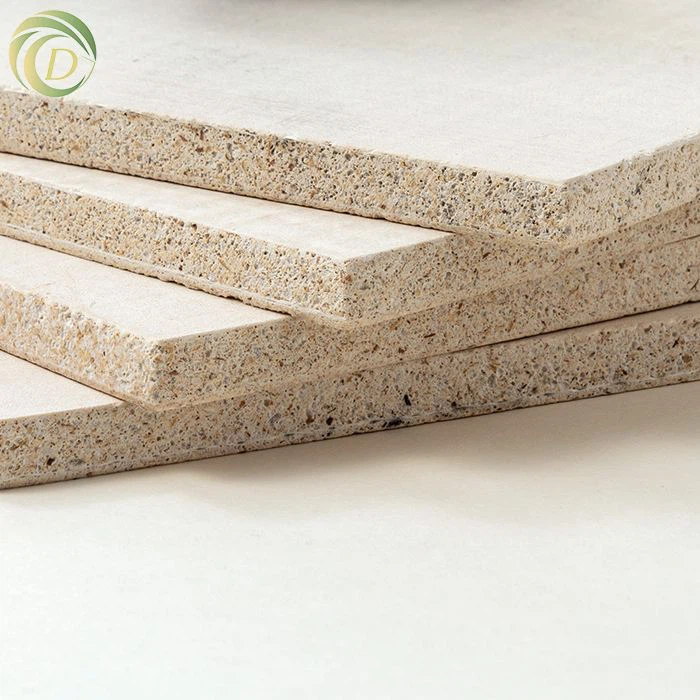
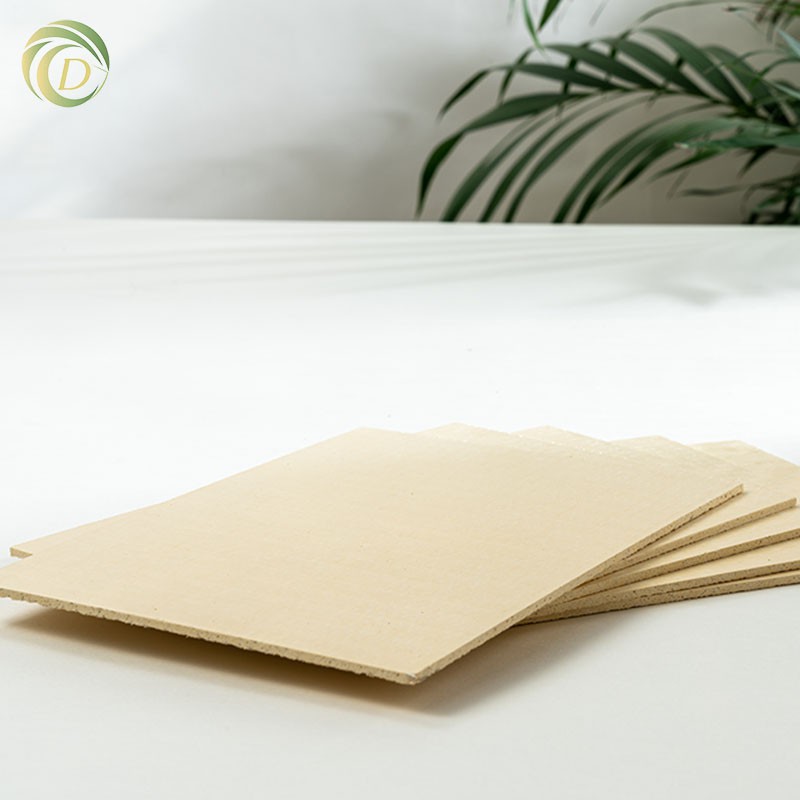
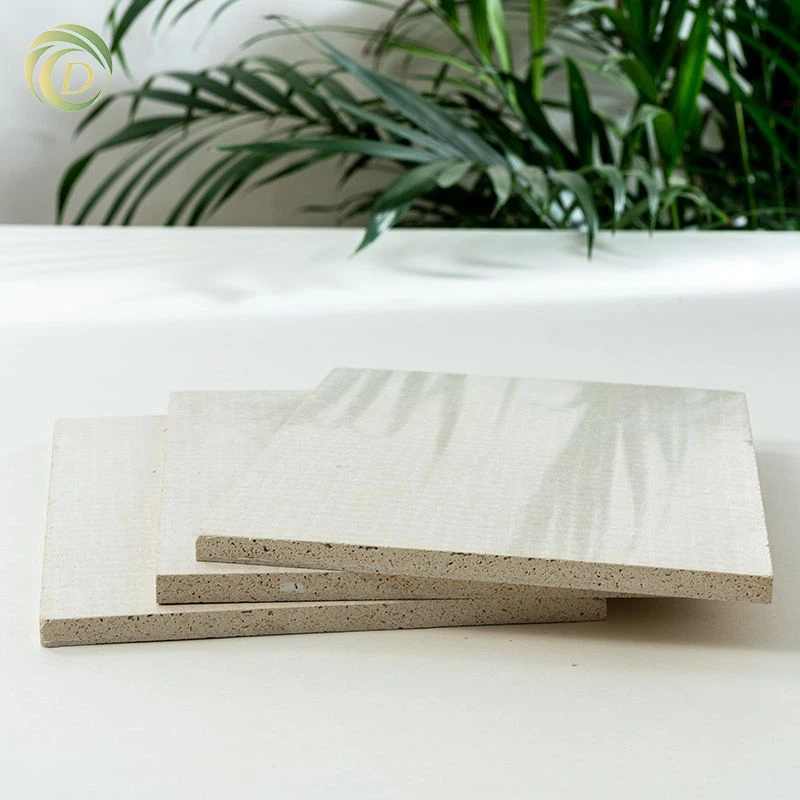
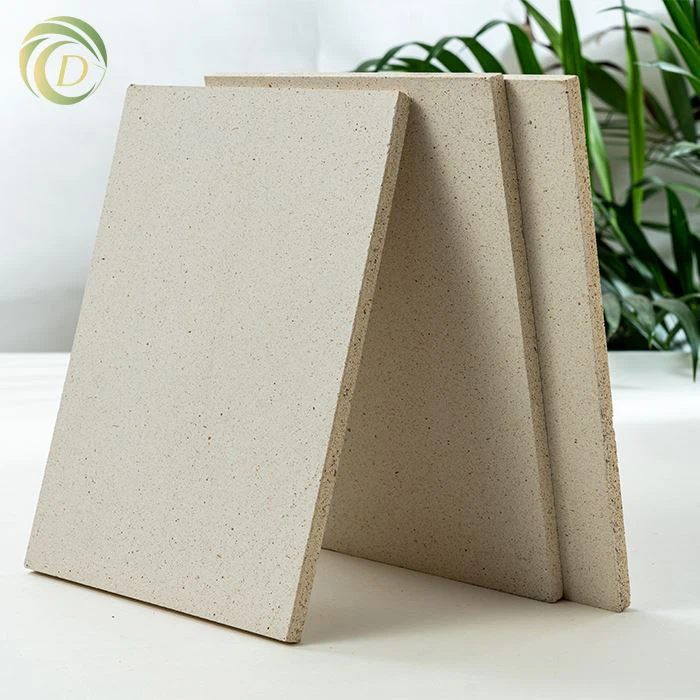
The core advantages of magnesium oxide boards as bottom plate protective covers lie in "full-scene protection + long-term stability". They can resist multiple threats such as physical impact, moisture, flame, and corrosion, and can adapt to different environments (indoor/outdoor, dry/humid, normal temperature/high temperature). At the same time, they have the characteristics of lightweight, easy processing, and environmental protection, making them suitable for the protection needs of various bottom plates such as industrial equipment, storage facilities, building floors, and precision instruments.
- Fast Delievery
- Quality Assurance
- 24/7 Customer Service
Product Introduction
Magnesium Oxide Board Subfloor Sheathing
MGO wall boards are great interior wall materials. They protect inner walls well, are fireproof and moisture-proof, and make walls more durable.
Advantages of Magnesium Oxide Board Subfloor Sheathing
01 High-strength protection against physical impacts
Excellent compressive and flexural performance: MGO boards have great compression and bending strength, way better than wood and plastic boards. They can stand heavy pressure and hard knocks, stopping base plates from getting dented or cracked easily.They stay firm and stable with tiny shrinkage. Won't warp in damp air or turn soft in hot weather, keeping steady protection all the time.
02 Waterproof and moisture-proof, suitable for multiple environmental scenarios
Moisture-proof and impermeable: It hardly soaks up water, far less than gypsum boards. It keeps damp and water out perfectly, ideal for basements, workshops and rainy outdoor places.Even soaked in water for over 24 hours, it barely loses strength with no swelling or peeling, perfect for wet and humid areas.
03 Fireproof and flame-retardant, improving safety level
Class A1 non-combustible material: Made of inorganic non-flammable material reaching top A1 fire grade. It won't catch fire or give off poisonous smoke, effectively stopping fire spread near electric and high-temperature gear.
04 Corrosion and insect resistance, extending the protection cycle
It resists acid, alkali and salt corrosion well. No organic ingredients inside, so bugs won't eat it and mold won't grow on it, much more durable than wood panels.
05 Lightweight and easy to process, adapting to complex bottom plate requirements
Lightweight and easy to install: Much lighter than concrete boards, won't bring extra heavy load.Easy to cut, drill and shape into any size to fit all kinds of irregular bases, simple to install and fix tightly.
06 Environmentally friendly and harmless, suitable for indoor scenarios
No release of toxic substances: Made of natural mineral materials, free of formaldehyde, asbestos and other harmful stuff. Safe to use indoors around medical devices and precise equipment with no health risks.




Why Choose Us
Rich Experience
With over a decade of deep involvement in the industry, we have served more than 1,000 customers. Familiar with the needs and pain points of various scenarios, we can quickly and accurately match solutions and avoid potential risks.
Advanced Equipment
We have introduced internationally leading automated production lines and testing instruments, increasing production efficiency by 40% compared to traditional equipment. This ensures product precision and stability while shortening delivery cycles.
High Quality
From raw material selection to finished product delivery, we implement 7 strict quality inspection procedures. Certified by the ISO9001 quality management system, our product qualification rate remains stable at over 99.8%.
Competitive Price
Relying on large-scale procurement and lean production to reduce costs, we offer prices 5%-10% lower than the industry average while ensuring quality, creating higher cost-effectiveness for customers.
24H Online Service
Our professional customer service team responds around the clock, connecting with needs within 10 minutes and resolving after-sales issues completely within 48 hours, providing full-cycle hassle-free support.
One-Stop Solution
We integrate the entire chain of services including design, production, transportation, installation, and maintenance. Customers do not need to coordinate with multiple parties, enabling an efficient closed loop from "submitting requirements to accepting results".
What Is Magnesium Oxide Board Subfloor Sheathing Made Of
Core base material: The matrix is a "magnesium cementitious material" formed by mixing magnesium oxide, magnesium chloride or magnesium sulfate with water in a specific proportion. These three substances form a stable crystalline phase structure through chemical reactions, constituting the main framework of the board.
Reinforcing material: Alkali-resistant glass fiber cloth (or mesh cloth) is usually added, which serves to improve the flexural strength and integrity of the board and prevent cracking, similar to the role of steel bars in concrete.
Filler material: To optimize performance (such as reducing weight and enhancing heat insulation), lightweight fillers may be added, such as perlite, sawdust, fly ash, silica fume, etc. Some products also incorporate plant fibers (such as wood wool, straw fibers) to enhance toughness.
Modified additives: A small amount of functional additives are added according to needs, such as water repellents (to improve water resistance), retarders (to adjust setting speed), water reducers (to optimize workability), etc., so as to make up for the performance shortcomings of the basic formula.
How does Magnesium Oxide Board Subfloor Sheathing Achieve its function?
Physical protection: Relying on the high strength and rigidity of magnesium oxide boards, it directly resists external impacts, extrusion, or friction. Its compressive and flexural properties can buffer the pressure of heavy objects or collision forces, preventing the base plate from deformation and cracking; its surface hardness can reduce daily wear and tear, maintaining the integrity of the base plate.
Waterproof and moisture-proof: The dense inorganic structure of the magnesium oxide board itself, along with added water repellents, can block the penetration of water vapor, preventing the base plate (such as metal base plates from rusting, wooden base plates from mildewing, and electronic equipment base plates from short-circuiting due to moisture) from being eroded by humid environments.
Fire and flame retardancy: As a Class A1 non-combustible material, magnesium oxide boards do not burn or release toxic fumes in high-temperature or open-flame environments, which can block the spread of flames to the base plate and reduce fire damage to the base plate and equipment.
Corrosion and insect resistance: The inorganic material properties enable it to resist chemical corrosion from acids, alkalis, salts, etc., and it contains no plant fibers, which can prevent gnawing by insects and ants, protecting the base plate from erosion in complex environments (such as chemical workshops, outdoors).
Adaptability and long-term effectiveness: Through customized cutting and splicing, the protective cover can closely fit base plates of different shapes, forming a closed protective layer. At the same time, the material has strong stability and is not easy to deform due to changes in temperature and humidity, which can maintain the protective effect for a long time and reduce the need for frequent replacement.
The fire resistance performance of the magnesium board subfloor sheathing is extremely excellent, and its core advantage stems from the material properties of the magnesia board itself:
Magnesium board is an inorganic non-combustible material, and its fire resistance rating can reach Class A1 (the highest fire resistance level) in the GB8624-2012 standard. This means that it will not burn in open flames or high-temperature environments, nor will it produce molten drips, let alone release toxic fumes. When used as a base plate protective cover, even if a fire breaks out in the surrounding area, it can effectively block the spread of flames to the base plate, delay the erosion of the base plate and internal equipment by the fire, buy time for fire fighting and emergency treatment, and significantly reduce the losses caused by the fire.
This high fire resistance performance makes it particularly suitable for scenarios with high requirements for fire safety, such as industrial workshops, bases of electrical equipment, laboratories and other environments with potential fire hazards.
How Does Magnesium Oxide Board Subfloor Sheathing Perform In Terms Of Load-Bearing Capabilities?
The load-bearing performance of the magnesium board base plate protective cover is strong, which can meet the load-bearing requirements in most scenarios, closely related to its material properties and structural design:


Magnesium boards themselves have high compressive strength (usually over 40MPa) and flexural strength (more than 10MPa). When used as base plate protective covers, they can directly bear the pressure from heavy objects above (such as equipment, goods, etc.). The stable crystalline phase structure inside and the reinforcing effect of alkali-resistant glass fiber cloth further enhance the overall rigidity, making it less likely to deform or break under stress.
In practical applications, by reasonably designing the thickness of the protective cover (usually 5-20mm, adjusted according to load-bearing requirements) and installation methods (such as fixed support), it can be adapted to different load-bearing scenarios, from light equipment bases to the base plate protection of medium-sized stored goods, providing stable load-bearing protection for the subfloor sheathing.

Can Magnesium Oxide Board Subfloor Sheathing Be Used In High-Humidity Areas, Such As Bathrooms
Magnesium Oxide Board Subfloor Sheathing is suitable for use in high-humidity areas, including bathrooms, due to its moisture-resistant properties. Magnesium oxide (MgO) is hygroscopic, meaning it can absorb moisture from the air, but it also has the ability to release that moisture back into the environment once the conditions become less humid. This characteristic helps to regulate humidity levels within the room, which is beneficial in bathrooms where steam and water vapor are common.
Additionally, the manufacturing process of Magnesium Oxide Board Subfloor Sheathing often includes measures to enhance its resistance to water and moisture. The board may be treated with sealants or protective coatings that inhibit the absorption of water, preventing warping, swelling, and deterioration that could occur with other materials in moist environments.
The inherent stability of Magnesium Oxide Board Subfloor Sheathing also means it is less likely to crack or delaminate when exposed to fluctuations in temperature and humidity. This makes it an ideal choice for bathrooms where such conditions are expected.
It is important to ensure proper installation to maintain the integrity of the wallboard in high-humidity areas. This includes using appropriate waterproofing membranes behind the wallboard and ensuring that all seams and penetrations are properly sealed to prevent moisture ingress. Additionally, ventilation should be adequate to reduce the risk of condensation buildup, which can compromise the longevity of any building material.
How Does Magnesium Oxide Board Subfloor Sheathing Perform In Terms Of Water-resistant
The waterproof performance of the magnesium board subfloor sheathing is quite excellent, which can effectively meet the moisture-proof and waterproof needs in most scenarios. This is closely related to its material properties and production process:
The core base material of magnesium board is a stable inorganic crystalline structure formed by the reaction of magnesium oxide, magnesium chloride (or magnesium sulfate) and water, which itself has a certain water resistance. At the same time, water repellents and other modified additives are usually added during the production process to further optimize its impermeability, which can block the penetration path of water. In practical applications, even in humid environments (such as basements, workshops) or scenarios with short-term contact with water, the protective cover is not easy to soften, deform or delaminate due to water absorption. It can effectively protect the base plate from water vapor erosion (such as preventing metal base plates from rusting, wooden base plates from mildewing, etc.).
However, although its waterproof performance is better than that of ordinary gypsum boards, wood boards and other materials, when immersed in water for a long time, it still needs to be combined with sealing treatment or auxiliary waterproof measures to ensure the durability of the protective effect.
What Type Of Testing Has Been Conducted On Magnesium Oxide Board Subfloor Sheathing
Basic mechanical property tests
Compressive strength test: Detects the protective cover's ability to withstand vertical pressure, ensuring it is not easily deformed or broken under the pressure of heavy objects.
Flexural strength test: Evaluates the protective cover's resistance to bending forces to prevent cracking due to uneven stress.
Impact toughness test: Simulates scenarios such as collisions and drops to verify its impact resistance and ensure effective physical protection for the base plate.
Fire resistance tests
Combustion performance classification test: In accordance with the GB8624-2012 standard, confirms whether it meets the requirements of Class A1 non-combustible materials, including indicators such as non-combustibility, temperature rise, and smoke toxicity.
Fire resistance limit test: Determines the time the protective cover maintains integrity and heat insulation under specific high-temperature environments to evaluate its ability to block the spread of flames.

Waterproof and moisture-proof performance tests
Water absorption test: Soaks the sample in water for a specified time and calculates the proportion of water absorption weight to verify its resistance to water penetration.
Humid environment stability test: Places the sample in a high-humidity environment (e.g., relative humidity above 90%) for a certain period to observe whether phenomena such as deformation, mildew, or strength attenuation occur.
Corrosion resistance tests
Acid and alkali corrosion test: Soaks the protective cover samples in acid and alkali solutions respectively, detects changes in their appearance and strength loss rate, and evaluates their applicability in corrosive environments such as chemical workshops.
Salt spray test: Simulates outdoor or high-salt environments, observes whether the surface rusts or peels after salt spray corrosion, and verifies its weather resistance.
Is Magnesium Oxide Board Subfloor Sheathing Available In Different Sizes And Thicknesses
2400×1200mm: When the thickness is usually 12mm, it is suitable for the base plate protection of conventional floors or ordinary equipment, meeting the daily load-bearing and protection needs of office furniture, household facilities' base plates, etc. in commercial or civil buildings. When the thickness is about 9mm, it is applicable to the base plate protection of light-weight shelving and small simple storage racks with lower load-bearing requirements.
2440×1830mm: This slightly wider size is convenient for covering larger areas and reducing splicing seams. It is mostly used as the base plate protection material for large cabinets, display cabinets or specific commercial installations, and products with a thickness of 10 to 15mm are often selected to improve durability.
2700×1200mm: Suitable for scenarios with more length requirements, such as the base plate protection of long strip mechanical equipment or long tables. A thickness of 10mm or more can bear appropriate pressure while ensuring easy installation.
3000×1200mm or 3000×1220mm: Often used as the base plate protective covers for large engineering facilities, prefabricated building components or large containers. The thickness can be 12mm to 20mm. The larger coverage area reduces splicing work, and the thick specifications can resist stronger impacts and bear higher loads.
Custom small sizes (e.g., 1200×600mm, etc.): Used for local base plate protection of small, special-shaped equipment or special-purpose scenarios, facilitating flexible installation and adapting to diverse needs. The thickness can be flexibly determined from 4mm to 10mm as required, such as small special instruments in laboratories and base plates of custom special-shaped furniture at home.
How Is Magnesium Oxide Board Subfloor Sheathing Installed
The installation process of the magnesium board subfloor sheathing, which should align with its material properties and application scenarios,
Preparation:
Clean the surface of the base plate: Remove dust, oil stains, protrusions, etc., to ensure the base layer is flat and dry. If there are cracks or depressions on the base plate, repair them with cement or special putty and sand them smooth.
Measurement and cutting: Based on the size and shape of the base plate, mark the cutting line with a tape measure. Use a circular saw or a hand-held cutting machine (equipped with a diamond blade) to cut the protective cover, ensuring neat edges. Reserve a 2-3mm expansion joint to cope with temperature and humidity changes.
Selection of Fixing Methods:
Mechanical fixing (suitable for hard base plates such as metal and concrete):
Use self-tapping screws (preferably galvanized or stainless steel to prevent rust) to drill and fix along the edge of the protective cover at intervals of 20-30cm, 5-10cm from the edge. The screw heads should be slightly lower than the board surface to avoid abrasion.
For wooden base plates, nails can be used directly. Note that the nail length should be 2-3 times the thickness of the protective cover to ensure firmness.
Adhesive fixing (suitable for flat scenarios without severe vibration):
Evenly apply a special inorganic adhesive (such as cement-based adhesive) on the surface of the base plate with a thickness of 3-5mm. Lay the protective cover in alignment, tap it gently with a rubber hammer to make it fit, squeeze out excess adhesive, and clean it up.
Splicing Treatment:
The splicing seams of adjacent protective covers should be aligned, with the gap controlled at 1-2mm. Waterproof sealant (such as silicone sealant) can be filled in and smoothed to prevent water vapor infiltration.
For large-area coverage, use a staggered splicing method (similar to bricklaying) to avoid through seams that may cause structural weakness.
Edge and Detail Handling:
If the edges of the protective cover are exposed, metal edge strips can be added or sealed with sealant to enhance impact resistance and waterproofness.
After installation, check whether the board surface is flat and the fixing is firm. If there is looseness, re-reinforce it to ensure no warping or hollowing.
Curing and Acceptance
Protective covers fixed by adhesion need to stand for more than 24 hours until the adhesive is completely cured; for those fixed mechanically, check whether the screws are loose.
During acceptance, focus on checking the fit between the protective cover and the base plate, the tightness of splicing seams, and the load-bearing stability. It can be put into use only after confirming there are no potential safety hazards.
How Does Magnesium Oxide Board Subfloor Sheathing Compare To Other Building Materials
Fireproof MgO wallboard, composed primarily of magnesium oxide, offers several advantages when compared to other fire-resistant building materials, particularly in terms of fire resistance, environmental impact, and physical properties. Here's a comparison:
Advantages:
Better fire resistance: Wood boards are flammable, while magnesia boards are Class A1 non-combustible materials, making them suitable for scenarios with high fire protection requirements.
Moisture and mildew resistance: Wood boards are prone to moisture, mildew, and insect infestation. The inorganic material of magnesia boards can resist moisture, especially suitable for environments such as basements and bathrooms.
Strong stability: Wood boards are prone to deformation and warping due to changes in temperature and humidity, while magnesia boards have higher dimensional stability and are not easy to crack.
Disadvantages:
Hard texture: It lacks the natural texture and warm feel of wood boards, and its decorativeness is weak (requires additional surface treatment).
Fireproof MgO Wallboard: Generally considered more eco-friendly than many alternatives because it uses natural materials and can be recycled. It also releases fewer volatile organic compounds (VOCs) during production and installation.
Gypsum Wallboard: Can be considered environmentally friendly since it is made from a naturally occurring mineral. Gypsum can be recycled and reused.
Fiber Cement Board: Contains cement, which has a higher carbon footprint than magnesium oxide or gypsum. However, it can still be a more sustainable option than some other materials.
Steel Framing: Recyclable and has a lower carbon footprint compared to materials like concrete or timber. However, the production of steel requires significant energy.
Advantages:
Higher strength: Its compressive and flexural performance is better than that of gypsum boards, making it less likely to be damaged, and more suitable for load-bearing protection of base plates.
Better water resistance: Ordinary gypsum boards are prone to softening and collapsing when exposed to water, while magnesia boards can withstand humid environments after waterproof treatment.
Strong durability: Gypsum boards are easily damaged by impact, while magnesia boards have stronger impact resistance and a longer service life.
Disadvantages:
Heavier weight: Its density is higher than that of gypsum boards, so there is a slight requirement for the load-bearing capacity of the base layer during installation.
Slightly higher cost: The production process is more complex, and the price is usually higher than that of ordinary gypsum boards.
Advantages:
Lightweight: Its weight is much lower than that of metal plates, reducing installation difficulty and the load on the base layer.
Rust and corrosion resistance: Metal plates are prone to rust (especially in humid or corrosive environments), while the inorganic material of magnesia boards has no risk of rust.
Good insulation: It is non-conductive, suitable for the protection of base plates of electrical equipment, avoiding potential conductive hazards of metal plates.
Disadvantages:
Lower load-bearing limit: Although it has a certain load-bearing capacity, its strength is not as good as that of metal plates when bearing ultra-high pressure for a long time.
Slightly weaker impact resistance: It may crack when subjected to severe impact (metal plates are more resistant to deformation).
4. Compared with PVC boards
Advantages:
Excellent fire resistance: PVC boards are combustible materials (releasing toxic fumes when burned), while magnesia boards are non-combustible and free of smoke and toxicity, which is safer.
High temperature resistance: PVC boards are prone to softening and deformation at high temperatures, while magnesia boards can withstand open flames or high-temperature environments.
Better environmental protection: It does not contain harmful substances such as formaldehyde and plasticizers, while PVC boards may release volatile organic compounds (VOCs).
Disadvantages:
Poor flexibility: PVC boards are relatively soft and can be slightly bent, while magnesia boards are rigid and not easy to bend, resulting in lower adaptability to special-shaped base plates.
Our Factory
We are a company dedicated to magnesia cement products. Our main products are Magnesium Oxide Boards(MGO Board) for construction and laminated MgO boards with for furniture and renovation. Our mission is to provide the world's construction markets with environmentally friendly, high-performance and sustainable green materials.

FAQ
Q: What are the core components of the magnesium oxide board subfloor sheathing?
Q: How is its fire resistance performance?
Q: Is the waterproof and moisture-proof effect reliable?
Q: Can the load-bearing capacity meet conventional needs?
Q: What advantages does it have compared with materials such as wood boards and gypsum boards?
Q: What details need to be paid attention to during installation?
Q: What are the common sizes and how to choose?
Q: Can it be used as a structural component?
Hot Tags: magnesium oxide board subfloor sheathing, China magnesium oxide board subfloor sheathing manufacturers, suppliers, factory, mgo roof divider roof sheathing, mgo roof fire retardant steel roof sheathing, mgo roof matte roof sheathing, Impact Resistant Roofing, mgo roof waterproof sheathing, mgo roof crawlspace roof sheathing


