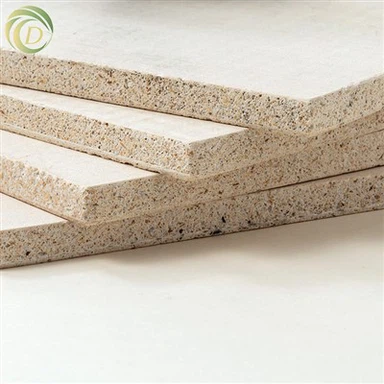
Environmental-friendly Magnesium Oxide Board
Magnesium oxide boards demonstrate environmental performance throughout their entire life cycle of production, use and disposal, with low energy consumption and no pollution in production, no harmful volatiles during use, and recyclability or degradability after disposal, making them green and environmentally friendly building materials.
- Fast Delievery
- Quality Assurance
- 24/7 Customer Service
Product Introduction
Environmental-friendly magnesium oxide board
Environmental friendly magnesium oxide board refers to a type of magnesium oxide board that uses green raw materials (such as natural minerals, renewable fibers) in the production process, without adding harmful chemicals like formaldehyde and benzene. It features low energy consumption and little pollution in production, no release of toxic substances during use, and can be recycled or naturally degraded after disposal, meeting environmental protection standards and green building requirements.
Advantages of Environmental-friendly magnesium oxide board
Green Nature of Raw Materials
The main raw materials of magnesium oxide boards are inorganic minerals such as magnesium oxide, magnesium chloride/magnesium sulfate, as well as inorganic mineral fibers (e.g., glass fibers) and plant fibers (e.g., wood fibers, straw fibers). These raw materials are either natural or industrial by-products, which do not require extraction through high-pollution processes like high-temperature calcination. Moreover, they avoid the use of harmful chemicals such as formaldehyde, benzene, and heavy metals, reducing the generation of pollutants from the source.
Low Energy Consumption and Low Emissions
The production process mainly relies on physical mixing and chemical reactions, without the need for high-temperature calcination like traditional cement boards (cement production requires a high temperature of around 1450°C, resulting in extremely high carbon emissions). Therefore, energy consumption is significantly reduced, and greenhouse gas (such as CO₂) emissions are much lower than those of building materials like cement and ceramics. Meanwhile, there is no discharge of toxic wastewater or waste gas during production, which has little impact on the surrounding environment.
No Release of Harmful Volatiles
Since no harmful substances such as formaldehyde, phenol, or VOCs (volatile organic compounds) are added during production, magnesium oxide boards hardly release toxic gases during use. According to tests, their formaldehyde emission is usually lower than 0.1mg/m³, far below the national standard (≤0.124mg/m³). They meet the "formaldehyde-free" environmental requirements for interior decoration and can be directly used in places with high health requirements such as residences, hospitals, and schools.
Mold and Antibacterial Properties, Improving Indoor Environment
The inorganic composition and dense structure of magnesium oxide boards give them natural mold and antibacterial properties. They are not prone to breeding mold, bacteria, or mites, avoiding the problem of traditional wood-based boards producing odors or releasing allergens due to mildew. This helps maintain clean indoor air and improve living comfort.
Degradable and Recyclable
The main components of magnesium oxide boards are inorganic minerals and natural fibers. After disposal, they can be naturally degraded, unlike plastic boards that cause "white pollution". If recycled, they can be crushed and re-incorporated as raw materials into the production of new boards, realizing resource recycling and reducing the amount of construction waste landfilled.
07/Replacing High-Pollution Building Materials
Magnesium oxide boards can replace traditional wood-based boards (which rely on deforestation and damage the ecology), plastic boards (petroleum-based products that are difficult to degrade), gypsum boards (poor water resistance, easy to mildew and require frequent replacement, increasing waste), etc. From the perspective of the industrial chain, this reduces reliance on non-renewable resources and lowers the overall environmental load.
Compatibility with Green Building Standards
The environmental characteristics of magnesium oxide boards make them comply with mainstream green building certification systems such as LEED (Leadership in Energy and Environmental Design), BREEAM (Building Research Establishment Environmental Assessment Method), and China's Green Building Evaluation Standard. They can help construction projects obtain environmental scores and promote the development of green buildings.
08/Adapting to Low-Carbon Building Scenarios
Their fire-resistant and moisture-proof properties extend the service life of the boards, reducing resource waste caused by replacement due to damage. At the same time, their lightweight feature reduces transportation energy consumption, indirectly reducing carbon emissions.


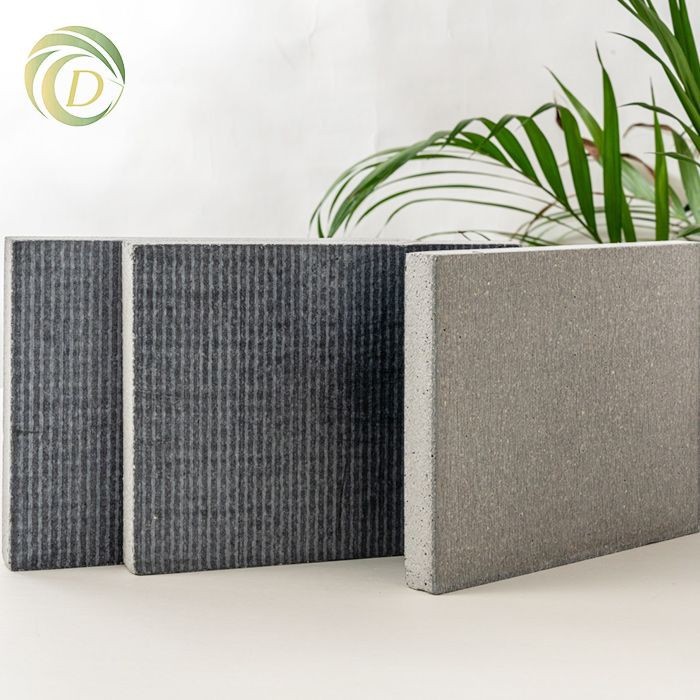


Why Choose Us
Rich Experience
Our company has many years of production work experience. The concept of customer-oriented and win-win cooperation makes the company more mature and stronger.
Advanced Equipment
A machine, tool or instrument designed with advanced technology and functionality to perform highly specific tasks with greater precision, efficiency and reliability.
High Quality
Our products are manufactured or executed to very high standards, using the finest materials and manufacturing processes.
Competitive Price
We have professional sourcing team and cost accounting team, stive to reduce cost and profit and provide you a good price.
24H Online Service
We try and respond to all concerns within 24 hours and our teams are always at your disposal in case of any emergencies.
One-stop Solution
With rich experience and one-to-one service,we can help you choose products and answer technical questions.
How Does Environmental-friendly magnesium oxide board Perform In Terms?
1. Low environmental load throughout the life cycle
Environmentally friendly magnesium oxide boards demonstrate green attributes throughout the entire process from production to disposal. In the production stage, they use natural minerals (such as magnesium oxide) and renewable plant fibers as raw materials, without the need for high-energy-consuming processes like high-temperature calcination. Their carbon emissions are much lower than those of traditional building materials such as cement and ceramics. Moreover, no harmful chemicals like formaldehyde or benzene are added, avoiding pollution from the source. During use, they release no toxic volatile substances, with formaldehyde content far below national standards, ensuring indoor environmental safety. After disposal, due to their main composition of inorganic materials, they can be naturally degraded or crushed for recycling and reuse, significantly reducing construction waste and truly achieving an environmental protection closed loop of "low-consumption production, safe use, and recyclable disposal".
2. Positive substitution value for ecosystems
Environmentally friendly magnesium oxide boards can effectively replace traditional building materials with high environmental costs. Compared with wood-based panels that rely on deforestation, they reduce damage to forest resources and contribute to ecological protection. In contrast to petroleum-based plastic panels, their degradable nature avoids the long-term hazards of "white pollution". For gypsum boards that are prone to mildew and require frequent replacement, their water-resistant and moisture-proof durability reduces the frequency of material replacement, cutting down on resource waste. This substitution effect reduces reliance on non-renewable resources at the industrial chain level, highly aligns with the global trends of green building and low-carbon development, and provides a more environmentally friendly material option for sustainable construction.
Environmental-friendly magnesium oxide board is made using a combination of sustainable materials and manufacturing processes.
Raw material proportioning and mixing
Natural magnesium oxide (MgO) and magnesium chloride (MgCl₂) or magnesium sulfate (MgSO₄) solutions are used as basic cementitious materials, which are mixed in precise proportions to form a magnesia cementitious system. Inorganic mineral fibers (such as glass fibers and mineral wool) and renewable plant fibers (such as wood fibers and straw fibers) are added as reinforcing materials to improve the toughness and strength of the boards. Some processes may add a small amount of environmentally friendly modifiers (such as natural mineral additives) to optimize properties like water resistance and anti-halogen return. No harmful chemicals such as formaldehyde or benzene are used throughout the process.
Molding and curing
The uniformly mixed slurry is poured or spread in molds and formed into board blanks of specific thickness through mechanical pressing or natural leveling. Then, curing is carried out in a normal or low-temperature environment (avoiding high-temperature energy consumption). The chemical reaction of magnesia materials forms a stable crystalline phase, making the boards gradually harden. This process does not require high-temperature calcination, and energy consumption is much lower than that of traditional building materials such as cement boards.
Cutting and post-processing
The cured boards are processed through cutting, sanding, etc., to be trimmed to standard sizes. Some products undergo surface environmental protection treatment (such as formaldehyde-free coating) to further enhance moisture resistance or decorative performance. Finally, quality inspection is conducted to ensure that indicators such as formaldehyde emission and harmful substance content meet environmental protection standards (e.g., below the national standard limits).
Wear Layer
A wear layer, usually made of a durable material like aluminum oxide or melamine, is then added on top of the decorative layer. This wear layer provides protection against scratches, stains, and fading.
Pressing and Heating
The assembled layers are placed in a press where heat and pressure are applied. This process ensures that the layers bond together securely.
Cutting and Finishing
After the pressing process, the laminated sheets are cut into desired sizes and shapes. The edges are often sealed to prevent moisture penetration. Eco-friendly laminate may use non-toxic edge sealers or edge banding made from sustainable materials.
How Is Environmental-friendly magnesium oxide board Different From Regular Board?


1. Differences in Environmental Friendliness of Raw Materials and Production
- Environmentally friendly magnesium oxide boards: Raw materials prioritize green materials such as natural minerals (e.g., high-purity magnesium oxide) and renewable plant fibers (e.g., straw fibers), without adding harmful chemicals like formaldehyde, benzene, or heavy metals. The production process adopts low-energy-consuming technologies (such as room-temperature curing) to reduce carbon emissions and pollutant discharges. Some links even utilize industrial waste (e.g., slag) to achieve resource recycling.
- Ordinary boards: May use low-purity raw materials or recycled materials, and may add cheap chemical additives (e.g., aldehyde-containing adhesives) to reduce costs. Environmental treatment processes may be simplified during production, with risks of residual harmful substances, and energy consumption control is relatively lenient.
2. Differences in Health and Safety During Use
- Environmentally friendly magnesium oxide boards: The formaldehyde emission of finished products is far lower than the national standard (usually ≤0.05mg/m³), with no peculiar smell, suitable for scenarios with high health requirements such as hospitals, schools, and residences. Due to pure raw materials, they are not prone to releasing harmful substances during long-term use, and their mold and antibacterial properties are more stable.
- Ordinary boards: Formaldehyde emission may be close to or slightly higher than the national standard limit, and some low-priced products may even exceed the standard, especially in high-temperature and high-humidity environments, which may release irritating gases. The material stability is poor, and local mildew or performance degradation may occur due to raw material impurities.
3. Differences in Post-Disposal Treatment and Recyclability
- Environmentally friendly magnesium oxide boards: Mainly composed of inorganic minerals and degradable fibers, they can be naturally degraded after being discarded, or reprocessed as raw materials for production after crushing, realizing a "resource-to-resource" closed loop and reducing construction waste.
- Ordinary boards: Due to possible non-degradable additives or impurities, they are difficult to be completely degraded after disposal. Complex treatment is required to remove harmful substances during recycling and reuse, resulting in low recycling rates and easy environmental burdens.
4. Differences in Certification and Applicable Scenarios
- Environmentally friendly magnesium oxide boards: Usually pass authoritative environmental certifications such as LEED and China Green Building Material Certification, clearly marking environmental indicators, and are suitable for projects with mandatory requirements for environmental attributes such as green buildings and high-end decoration.
- Ordinary boards: May only meet basic quality standards, lack environmental certifications, and are mostly used in scenarios with low environmental requirements such as temporary buildings and industrial plants.
Can Environmental-friendly magnesium oxide board Be Used With Underfloor Heating Systems
Environmental-friendly magnesium oxide board can indeed be used with underfloor heating systems, provided it is compatible with the heat source. Many manufacturers produce laminates that are designed to work with radiant heat, whether it's electric or water-based. However, it is crucial to select a product that is specifically labeled as suitable for underfloor heating. These laminates are often thinner and have a stable core that can handle the temperature fluctuations without warping or damaging.
When installing Environmental-friendly magnesium oxide board over underfloor heating, it is important to follow the manufacturer's guidelines carefully. This may include ensuring that the underlayment has appropriate thermal conductivity to efficiently transfer the heat from the heating elements to the floor surface, and that the laminate is acclimated properly to the room's temperature before installation.
Additionally, it's advisable to use a thermostat with a floor sensor to monitor and regulate the temperature of the laminate floor, avoiding excessive heat that could cause damage. With proper selection and installation, eco-friendly laminate can be an efficient and environmentally friendly choice for use with underfloor heating systems.
What Are The Key Factors To Consider When Selecting An Environmental-friendly magnesium oxide board?
When selecting an environmental-friendly magnesium oxide board, there are several key factors to consider:
Material: Look for laminates made from sustainable and renewable materials such as recycled wood fibers or bamboo. Avoid boards made from virgin or non-renewable materials.
Formaldehyde Emissions: Check the formaldehyde emissions level of the board. Look for low or zero formaldehyde emission board, as formaldehyde is a harmful chemical that can contribute to indoor air pollution.
Voc Emissions: Volatile Organic Compounds (VOCs) are harmful chemicals that can be released from boards. Choose boards with low VOC emissions to ensure better indoor air quality.
Manufacturing Process: Consider the energy consumption and waste generation during the manufacturing process. Laminates produced using energy-efficient methods and with minimal waste are more environmentally friendly.
Recyclability: Check if the board can be recycled at the end of its lifespan. Some boards can be recycled or repurposed, reducing waste and environmental impact.
Durability: Choose a board with high durability to ensure a longer lifespan. Long-lasting boards require fewer replacements, reducing waste and the overall environmental impact.
Packaging: Consider the packaging of the board. Opt for boards that use minimal or recyclable packaging materials to reduce waste.
Supplier's Sustainability Practices: Research the supplier's commitment to sustainability. Look for suppliers who prioritize eco-friendly practices, such as using renewable energy, reducing waste, and supporting responsible sourcing.
Maintenance And Cleaning: Consider the environmental impact of maintenance and cleaning. Choose boards that require minimal chemicals or water for cleaning, reducing the use of harmful substances and conserving water resources.

How Do Environmental-friendly magnesium oxide boards Compare In Terms Of Thermal Expansion And Contraction
Environmental-friendly magnesium oxide boards, are designed to have minimal impact on the environment. When it comes to thermal expansion and contraction, these boards generally perform similarly to traditional boards.The specific characteristics may vary depending on the manufacturer and the materials used in the production of the environmental-friendly magnesium oxide board.
Thermal expansion and contraction occur due to temperature fluctuations, which cause materials to expand and contract. This can lead to issues like warping, buckling, or gaps between the laminate pieces. To mitigate these problems, manufacturers of environmental-friendly magnesium oxide board take several measures:
Material Selection: Environmental-friendly magnesium oxide boards are often made from sustainable materials like bamboo, recycled wood fibers, or recycled paper. These materials are selected for their stability and low thermal expansion properties.
Manufacturing Processes: Manufacturers may adopt efficient manufacturing processes that minimize the use of energy and reduce the emission of greenhouse gases. These processes can help in achieving laminates with more consistent thermal characteristics.
Design Considerations: The design of environmental-friendly magnesium oxide boards may include features like tongue and groove locking systems or special underlayment to compensate for thermal expansion and contraction. These design elements can help reduce the impact of temperature changes.

Common environmentally friendly boards mainly refer to those that cause low pollution during production, release no harmful substances during use, and have little impact on the environment after disposal. They are widely used in construction, decoration, furniture manufacturing, and other fields. The common types are as follows:
1. Magnesium Oxide Board (MgO Board)
Made mainly from inorganic minerals such as magnesium oxide and magnesium chloride, with plant fibers or glass fibers added for reinforcement. The production process does not require high-temperature calcination and does not add harmful substances like formaldehyde.
It has properties such as fire resistance, moisture resistance, and no peculiar smell. Its formaldehyde emission is extremely low, and it can be naturally degraded or recycled after disposal, making it a common choice for green buildings.
2. Formaldehyde-free Particleboard/Density Board
Made from wood chips or fibers pressed with formaldehyde-free adhesives (such as soybean protein adhesive, polyurethane adhesive), avoiding formaldehyde emission caused by urea-formaldehyde adhesive in traditional boards.
Its performance is close to that of traditional man-made boards, but with a higher environmental protection level, suitable for indoor decoration scenarios such as furniture and cabinets.
3. Multilayer Solid Wood Board (Plywood)
Composed of multiple layers of veneers glued together with environmentally friendly adhesives in a cross pattern. The amount of adhesive used is much lower than that of particleboard, and high-quality products mostly use low-formaldehyde or formaldehyde-free adhesives.
It retains the natural characteristics of wood, with high strength and good stability. Its formaldehyde emission can reach E0 level (≤0.05mg/m³), belonging to environmentally friendly solid wood composite boards.
4. Straw Board
Made mainly from agricultural wastes (such as straw, rice husk) which are crushed and pressed with environmentally friendly adhesives, realizing the resource utilization of crop wastes.
It reduces wood felling, has low production energy consumption, and its formaldehyde emission meets strict environmental standards, suitable for use as materials for cabinets, wall substrates, etc.
5. Bamboo and Wood Fiber Integrated Wallboard
Composed of bamboo fiber, wood fiber, and environmentally friendly resin, formed by high-temperature extrusion. No harmful substances are added during production, and no glue is needed during installation, achieving "zero formaldehyde" emission.
It has the characteristics of moisture resistance, insect resistance, and easy cleaning, and is often used for indoor wall and ceiling decoration, belonging to a new type of environmentally friendly decorative board.
6. Natural Wood (FSC-certified Board)
Derived from sustainably managed forests (certified by FSC), where the felling volume does not exceed the forest's regeneration capacity. The processing process only involves surface varnishing (using water-based paint) without chemical pollution.
It is naturally environmentally friendly, but over-felling should be avoided. FSC certification ensures the ecological sustainability of wood sources.
7. Cement Fiberboard
Made mainly from cement and plant fibers, formed by high-pressure molding and steam curing. It has a high proportion of inorganic components, with no harmful emissions during production and no formaldehyde release during use.
Our Factory
We are a company dedicated to magnesia cement products. Our main products are Magnesium Oxide Boards(MGO Board) for construction and laminated MgO boards with for furniture and renovation. Our mission is to provide the world's construction markets with environmentally friendly, high-performance and sustainable green materials.

FAQ
Q: What are the core raw materials of environmentally friendly magnesium oxide boards?
Q: In which links is their environmental friendliness reflected?
Q: What standards do their formaldehyde emissions meet?
Q: Can they be used in humid environments?
Q: Does the production process consume a lot of energy?
Q: Do they pass authoritative environmental certifications?
Q: What is the core difference between them and ordinary magnesium oxide boards?
Q: How to dispose of them after disposal?
Hot Tags: environmental-friendly magnesium oxide board, China environmental-friendly magnesium oxide board manufacturers, suppliers, factory