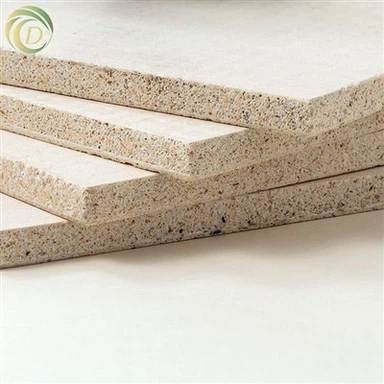
Magnesium Oxide Ceiling Board
Magnesia boards are used in place of traditional gypsum drywall as wall and ceiling covering material and sheathing. It is also used in other construction applications such as fascias, soffit, shaft-liner and area separation, wall sheathing, and as tile backing (backer board) or as substrates for coatings and insulated systems such as finish systems, exterior insulation finishing systems, and some types of stucco.
- Fast Delievery
- Quality Assurance
- 24/7 Customer Service
Product Introduction
Magnesium Oxide Ceiling Board
The magnesium oxide board ceiling uses magnesium oxide (MgO) and magnesium chloride (MgCl₂) or magnesium sulfate(MgSo4) as the basic raw materials. These two inorganic compounds undergo chemical reactions during the formation of the board, providing the basic structure and performance foundation for the board. Meanwhile, filling and reinforcing materials such as glass fiber cloth, wood chips, and perlite are also added to further improve its performance.
Advantage of Magnesium Oxide Ceiling Board
1. Excellent Fire Resistance: It has good fire resistance and can effectively block the spread of fire. Its fire resistance rating usually ranges from 0.5 hours to several hours, depending on factors such as the thickness and formula of the board. In the event of a fire, it can reduce the damage to the interior of the room and buy time for personnel evacuation. Therefore, it is especially suitable for places with high fire protection requirements, such as shopping malls, hospitals, and schools.
2. High Strength: Due to the addition of reinforcing materials such as glass fiber cloth, the magnesium oxide board ceiling has good mechanical properties. It has sufficient strength to bear its own weight and a certain degree of external impact. After installation, it is not prone to deformation, cracking, and other situations, ensuring the stability and durability of the ceiling.
3. Moisture-proof and Mildew-proof: Its structure is relatively dense and can effectively block the intrusion of external water vapor. It can maintain a good state in an environment with high humidity and is not prone to mildew or damage caused by moisture. It is suitable for use in areas with relatively high humidity, such as bathrooms and kitchens.
4. Thermal Insulation: It has a certain thermal insulation ability, which helps to regulate the indoor temperature, reduce the exchange of heat between the inside and outside of the room, make the indoor environment more comfortable, and also play a certain role in reducing the energy consumption of the building and achieving energy-saving effects.
5. Environmental Protection and Health: Most of the main raw materials are inorganic materials. During the production and use processes, they usually do not release a large amount of harmful volatile organic compounds (VOCs) and other pollutants, having little impact on the indoor air quality, meeting the requirements of environmental protection, and ensuring people's living and using health.
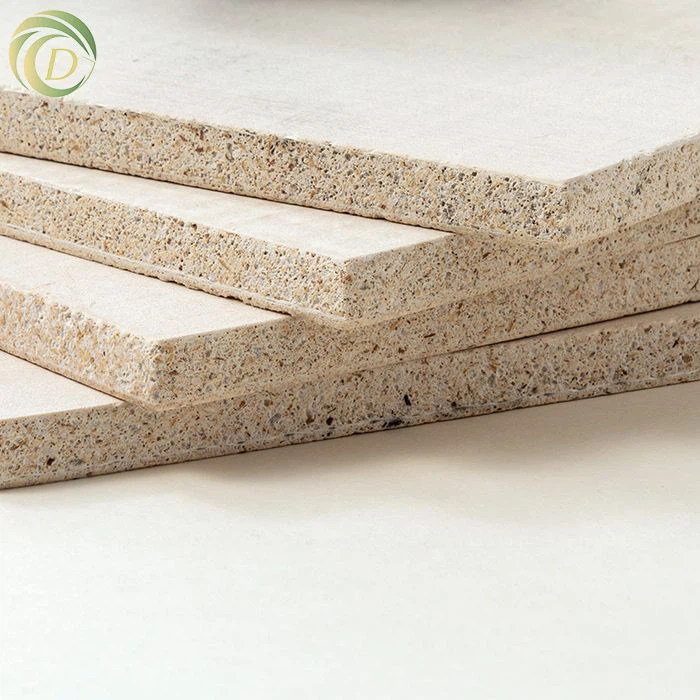
Magnesium oxide wall board is a technologically advanced building material that offers superior performance in every category when compared to traditional wood, gypsum and cement based products.
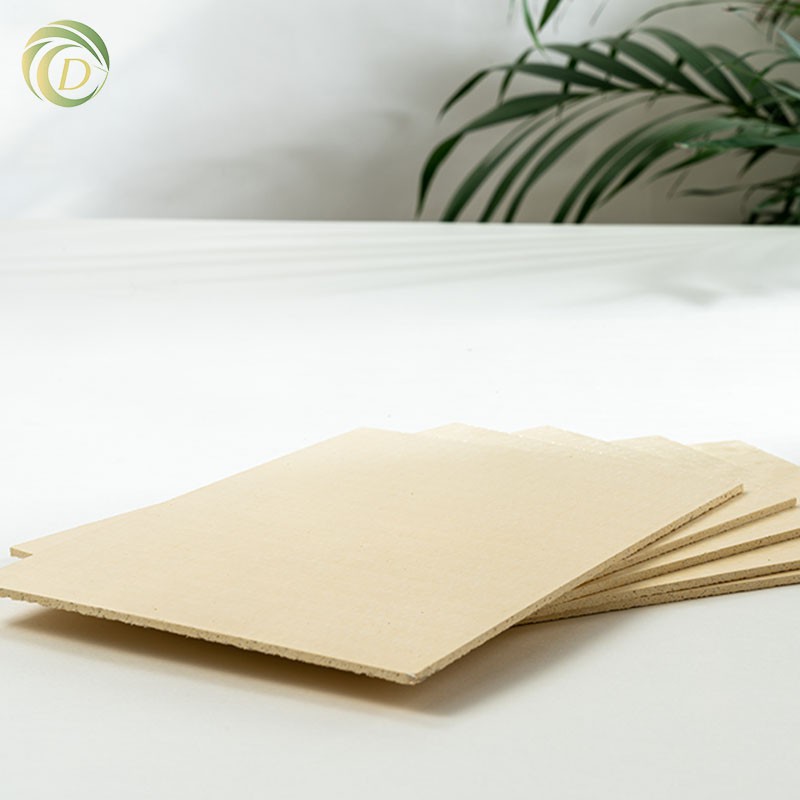
Magnesium Oxide Wall Panels are cementitious substrate products reinforced with magnesium oxide fibre matting.

Fire resistant magnesium oxide wallboard is a new type of refractory material. It is widely used primarily as a wallboard alternative to conventional gypsum-based drywall and plywood.

It is non combustible and fire rated Class A1. With options for up to a 2 hour fire resistance, MgO Board offers an innovative passive fire protection alternative for your construction projects.

MgO board has very good fire performance. It does not spread flames or smoke. It is noncombustible and fire-rated A1, which helps protect homeowners, tenants and building occupants while mitigating damage and loss.

Magnesium oxide wall board is made of magnesium oxide, magnesium sulfate or magnesium chloride, glass fiber mesh, perlite and wood fiber.
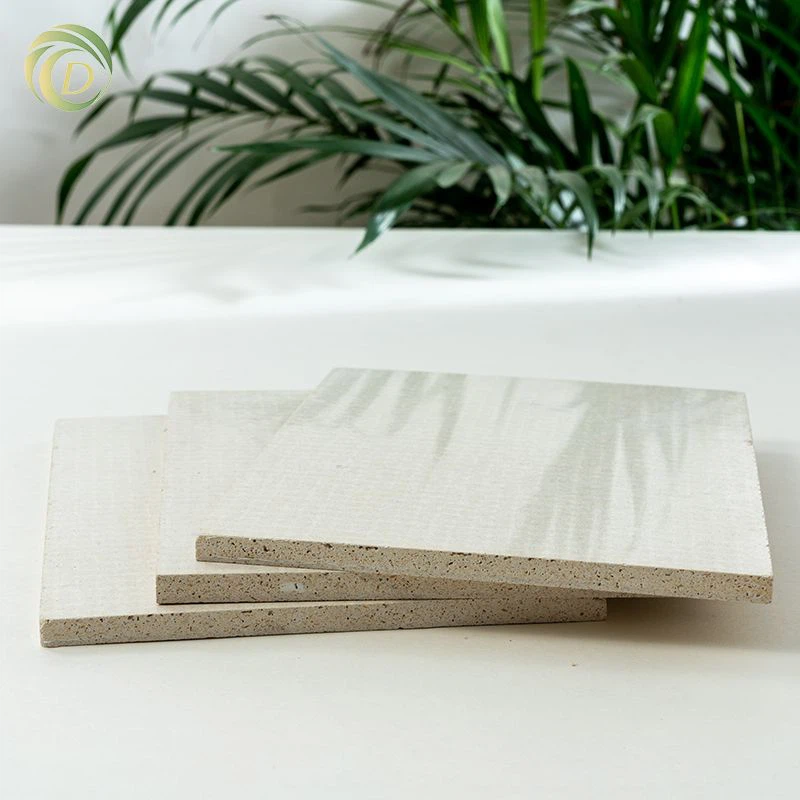
It is an upgraded product of fireboard. A properly constructed assembly with our MgO fireproof wall board can achieve a 3-hour fireproof rating.

Fire Resistant Internal Wall Board
Our Fire Resistant Internal Wall Board is a fiberglass reinforced magnesium oxide cement board. It can be used to replace traditional gypsum drywall for wall and ceiling finishes and sheathing.
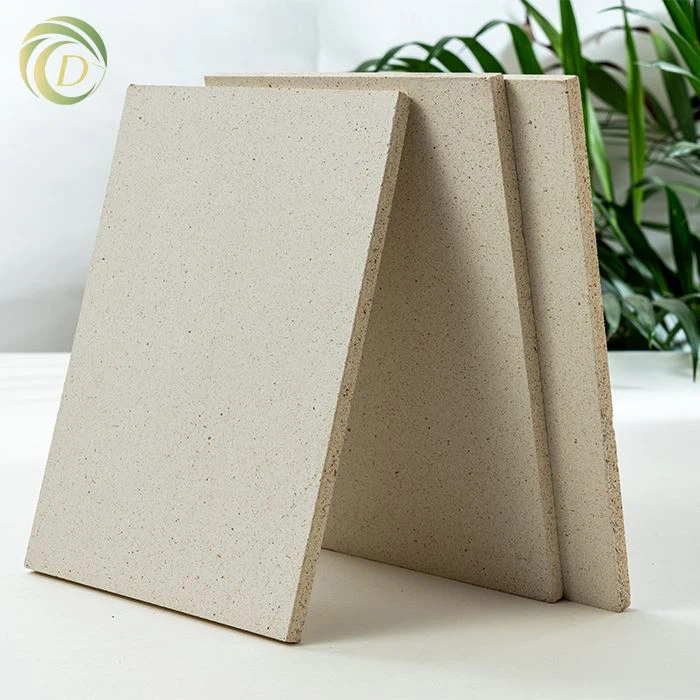
Fireproof Exterior Wall Panels
Magnesium oxide board is a new type of fire-resistant building material. The main raw materials are magnesium oxide, magnesium chloride/sulfate and perlite.
Jinan Fandeng New Material Co.,Ltd.
We are a company dedicated to magnesia cement products. Our main products are Magnesium Oxide Boards (MGO Board) for construction and laminated MgO boards for furniture and renovation. Our mission is to provide the world's construction markets with environmentally friendly, high-performance and sustainable green materials.
We work with China Magnesium Materials Association (CMMA) and Magnesium Oxide Association (MOCA) in North America to raise awareness and promote the use of magnesium oxide cement products. We focus on the quality control and consistency of the MGO products. We have been actively involved in developing American Society for Testing and Materials (ASTM) standards related with MGO products.
Manufacturing Process of Magnesium Oxide Ceiling Board
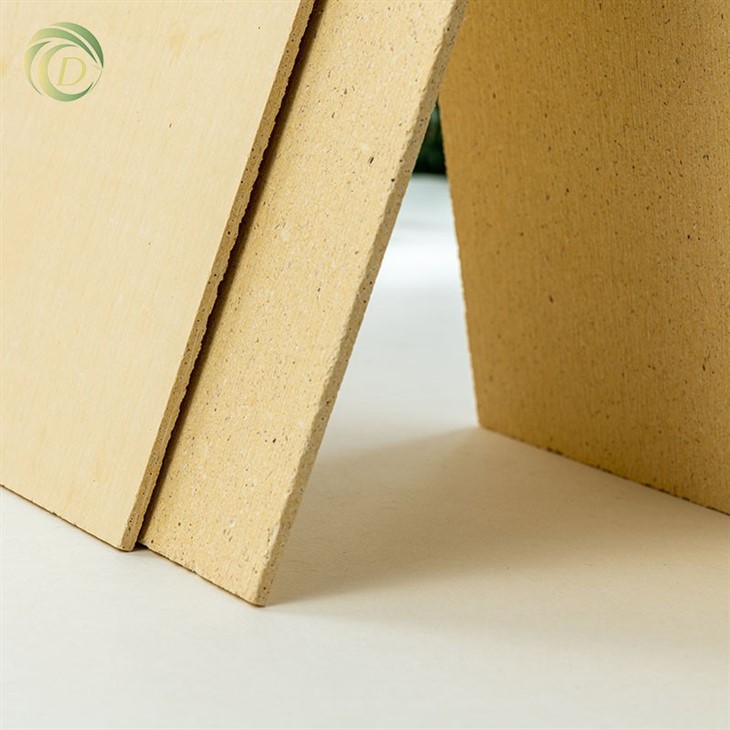

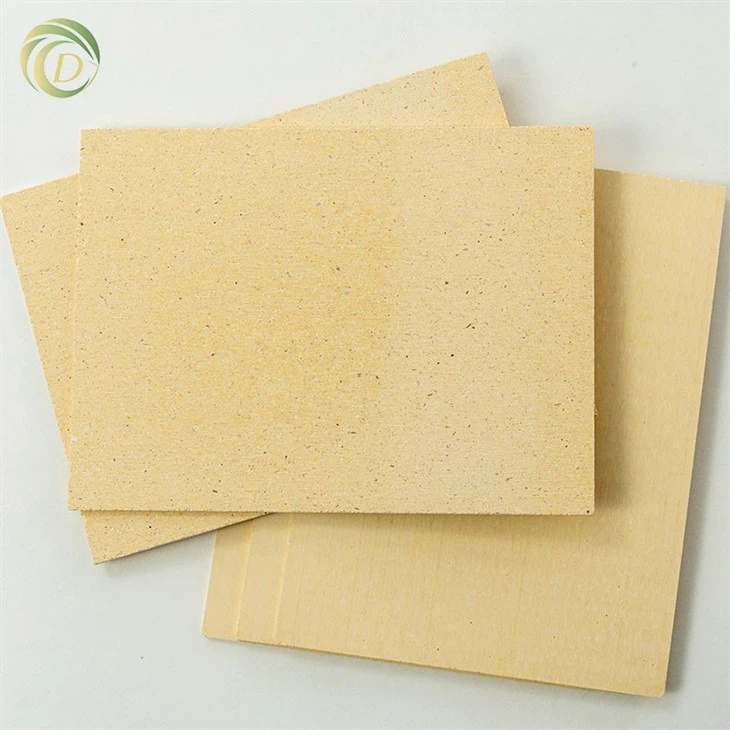
1. Raw Material Preparation
Weigh magnesium oxide, magnesium chloride, and various filling and reinforcing materials according to an accurate ratio. Parameters such as the activity of magnesium oxide and the concentration of magnesium chloride have a great impact on the quality of the final board. Therefore, it is necessary to strictly control the quality and quantity of raw materials to ensure that the proportion of each component is appropriate.
2. Mixing and Stirring
Put the weighed raw materials into professional mixing equipment and stir them thoroughly so that magnesium oxide and magnesium chloride can fully react, and at the same time, the filling and reinforcing materials can be evenly dispersed in the entire material system. During the stirring process, the time and speed and other parameters need to be controlled to ensure that the materials are mixed evenly and avoid phenomena such as local agglomeration and unevenness.
3. Board Forming
Pour the evenly stirred materials into special molds and shape them into boards with specified sizes and thicknesses through extrusion, pressing and other processes. During this process, multiple layers of glass fiber cloth and other reinforcing materials may be laid as needed to further improve the strength and toughness of the boards. Moreover, the pressure and time conditions during the forming process need to be strictly controlled to ensure the stable quality of the boards.
4. Curing Treatment
The formed boards need to be placed in an environment with specific temperature and humidity for curing so that the internal chemical reactions can be fully carried out and the performance of the boards can gradually reach the best state. The curing time generally ranges from several days to several weeks, and the specific duration is determined according to the actual process requirements.
What is Magnesium Oxide Ceiling Board Used for
1. Diverse Surface Treatments
The magnesium oxide board ceiling can have multiple surface treatment methods. The common one is painting treatment. By applying paint materials with different colors and textures, it can match various decoration styles, such as simple modern style, European classical style, and Chinese style. There is also film lamination treatment. A decorative and protective film is laminated on the surface. The film can be glossy, matte, wood-grain imitation, stone-grain imitation, etc., which greatly enriches its appearance forms.
2. Strong Processability
It can be processed by cutting, drilling, carving, etc. It is convenient to make ceiling panels with different shapes and sizes according to the actual decoration design requirements. For example, it can be processed into round, square, polygonal shapes, etc., and can also carve out exquisite patterns, adding a unique artistic atmosphere and decorative effect to the indoor space.
Magnesium Oxide Boards vs. Other Materials
It's safe to say that magnesium oxide boards have several advantages over other construction materials, based on the benefits previously mentioned.
Gypsum
Although both gypsum and magnesium oxide boards are eco-friendly, the former poses more harm to people because its fly ash releases toxins when cut.
Portland Cement
Portland cement lacks water-resistant and fire-suppressing capabilities. Plus, MgO leaves a smaller carbon footprint compared to cement. And although Portland cement is recognizably strong, MgO has a higher rating on impact strength even though it is considerably lighter in weight.
Plywood
MgO is undoubtedly safer than plywood as a construction material. Plywood is not flame resistant and could quickly spread fire it is not water resistant, making it susceptible to moisture that could grow mould and vulnerable to water damage.
Oriented Strand Board (OSB)
When it comes to safety, MgO ranks higher than OSB. The OSB releases formaldehyde, a dangerous toxin. It is not fire resistant nor is it resistant to moisture and termites.
Installation Points for Magnesium Oxide Ceiling Board
1. Base Treatment
The installation base of the ceiling needs to be flat and firm. Clean the dust, oil stains, and loose materials on the surface of the base. If the base is uneven, repair and level it in advance to ensure that the magnesium oxide board ceiling can be closely attached after installation and avoid problems such as hollowing and warping.
2. Board Cutting and Splicing
Accurately cut the magnesium oxide board according to the design size and shape of the ceiling. It is recommended to use professional cutting tools when cutting to ensure that the cut edges are flat and smooth. When splicing the boards, pay attention to the treatment of the splicing joints. Sealant, special splicing strips, etc. can be used for sealing and decoration to make the splicing joints beautiful and firm, and at the same time prevent dust, insects, and other things from entering the inside of the ceiling.
3. Fixing Methods
Common fixing methods include fixing with light steel keels and adhesive fixing. When using light steel keels for fixing, first install the light steel keel frame, and then fix the magnesium oxide board ceiling on the keels through self-tapping screws, hangers, etc. The spacing of the keels should be set reasonably to ensure that the ceiling is evenly stressed. For adhesive fixing, use special adhesives that meet the requirements of environmental protection and fire protection, and evenly paste the boards on the flat base. When pasting, ensure that the adhesive is evenly applied and the boards are closely attached.
4. Installation Sequence
Generally, install from one side of the room to the other side, from the inside to the outside, etc. This is convenient for operation and ensures the flatness of the installation. At the same time, check while installing to ensure that each ceiling panel is installed in place and the overall effect meets the design requirements.
FAQ
Hot Tags: magnesium oxide ceiling board, China magnesium oxide ceiling board manufacturers, suppliers, factory, beach house mgo ceiling board, bank mgo ceiling board, non toxic mgo ceiling panel, custom mgo ceiling panel, farmhouse mgo ceiling board, laminated mgo ceiling panel