


Magnesium Oxide Flooring Sulfate Board Fire Resistant
The fire resistance mechanism of the magnesium sulfur-oxygen cementitious structure is a comprehensive synergy of "non-combustible substrate + physical heat insulation + endothermic cooling + high-temperature skeleton support + smoke-free and non-toxic properties". It not only prevents flame spread but also ensures structural safety and personnel evacuation safety in fires, making it the preferred fire-resistant flooring substrate for densely populated areas, industrial buildings, humid environments, and other scenarios.
- Fast Delievery
- Quality Assurance
- 24/7 Customer Service
Product Introduction
Magnesium Oxide Flooring Sulfate Board Fire Resistant
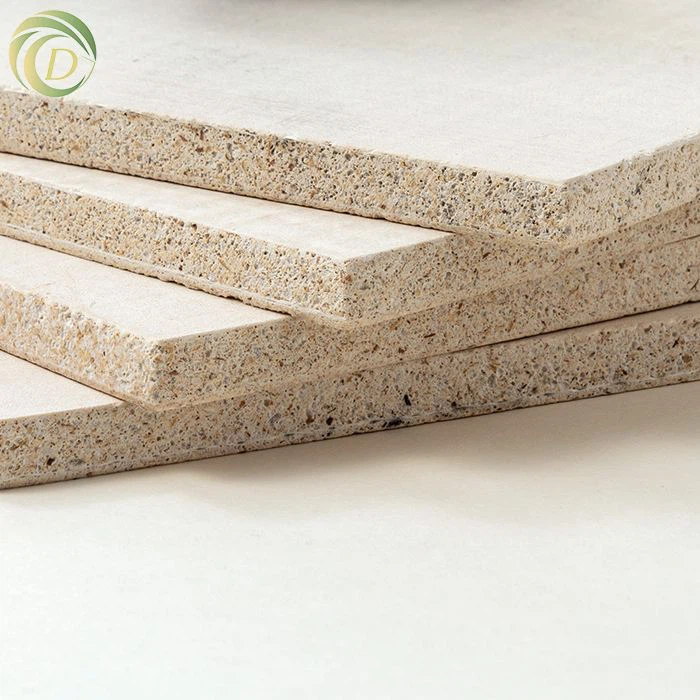
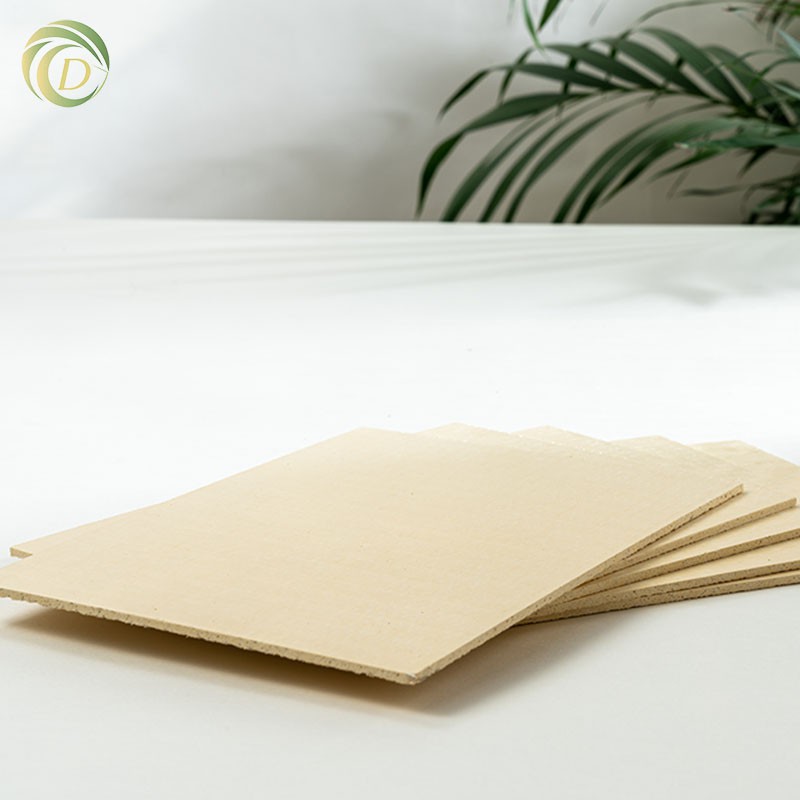
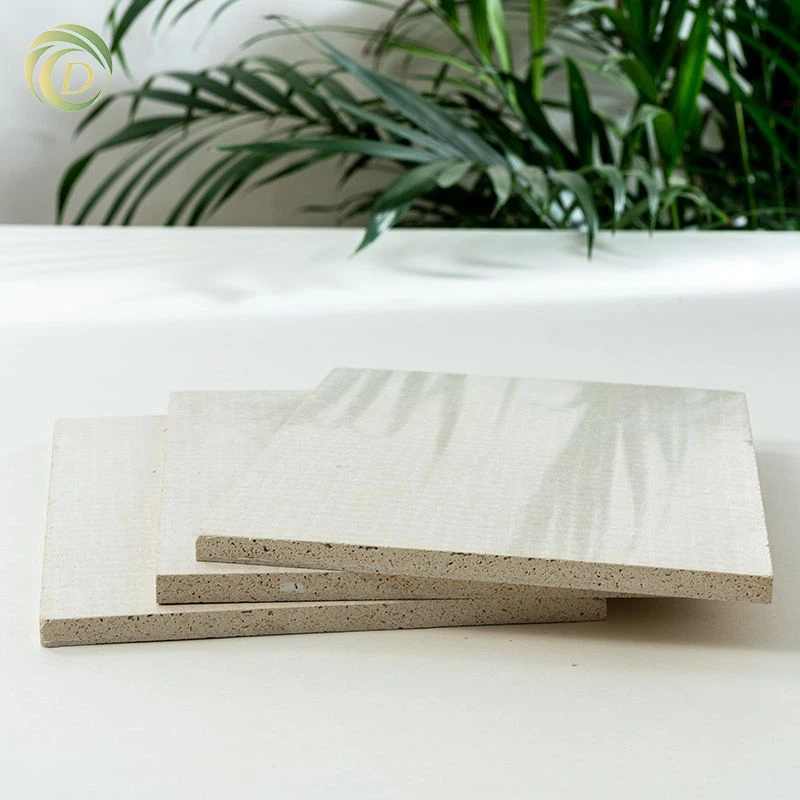
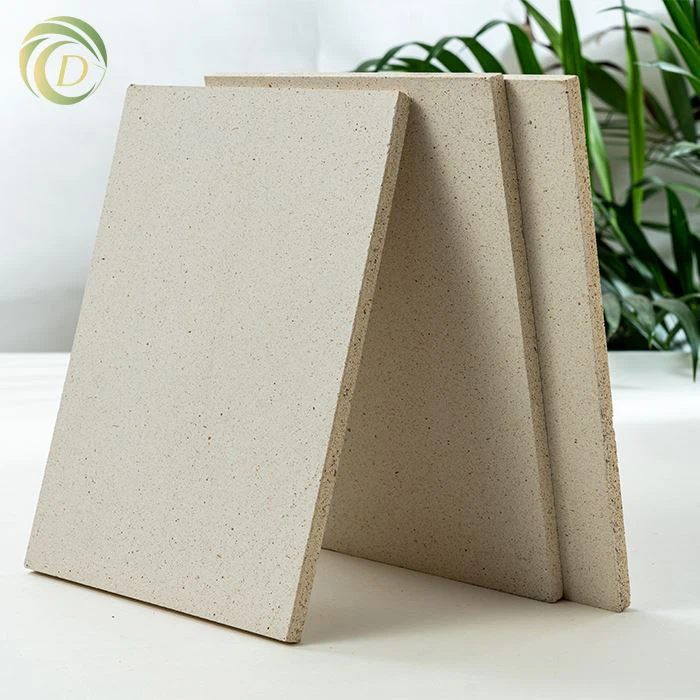
Magnesium Oxide Flooring Sulfate Board (MgOSO₄ Flooring Board for short) is a chlorine-free fire-resistant flooring base material composed of high-purity magnesium oxide (MgO) and magnesium sulfate (MgSO₄, replacing traditional magnesium chloride) as the cementitious system, supplemented by plant fibers/perlite as fillers and glass fiber mesh for reinforcement. Its core advantages are Class A1 non-combustibility, corrosion resistance, high stability, and easy construction, making it suitable for floor engineering in steel structures and humid environments.
Advantages of Magnesium Oxide Flooring Sulfate Board Fire Resistant
1 Class A1 Fire Resistance
A1-grade non-combustible (EN 13501-1, ASTM E136), fire resistance rating up to 4h.
No toxic fumes or melting drips in fires, ensuring safety for dense-population buildings (schools, hospitals) and industrial sites.
2 Corrosion & Moisture Resistance (Chlorine-Free)
Formulated with MgSO₄ instead of MgCl₂, no free chlorine to corrode steel keels/fasteners.
Resists moisture, mold, and termites, ideal for humid environments (basements, bathrooms) and steel structure projects.
3 High Strength & Dimensional Stability
Flexural strength ≥20MPa (6mm thick), capable of bearing medium loads.
Low linear expansion coefficient (≈8×10⁻⁶/℃), no warping/cracking even in temperature fluctuations, ensuring long-term durability.
4 Eco-Friendly & Healthy
Asbestos-free, formaldehyde-free (meets E0/Carb P2 standards), recyclable.
Emits no harmful substances, compliant with green building certifications (LEED, BREEAM), suitable for high-end residential and commercial projects.
5 Lightweight & Easy Installation
Only 10–18kg/㎡ (10mm thick) – 50% lighter than concrete, reducing structural load.
Available in T&G/shiplap edges for quick splicing, cutting installation time by 30% compared to traditional materials.
6 Multi-Functional Integration
Integrates sound insulation (≥30dB for 10mm), thermal insulation (0.15–0.25 W/(m·K)), and impact resistance.
One board fits multiple scenarios (flooring, walls, partitions), lowering overall project costs.




Core Definition & Composition System
Definition: Different from traditional magnesium chloride-based MGO boards, MgOSO₄ flooring boards use magnesium sulfate (MgSO₄) instead of magnesium chloride (MgCl₂) as the modifier to form a magnesium sulfur-oxygen cementitious structure. This solves pain points such as "halogen return, efflorescence, and metal corrosion" and is specifically designed for floor substrates and load-bearing surfaces.
Basic Formula:
Cementitious Core: High-purity MgO + food-grade/industrial-grade MgSO₄ (no free chlorine, Cl⁻ content usually < 0.012%).
Reinforcement System: Double/multi-layer glass fiber mesh + non-woven fabric to improve flexural strength and impact resistance.
Lightweight Fillers: Wood chips, perlite, bamboo fiber, etc., to reduce weight and optimize toughness.
Functional Additives: Waterproofing agents, retarders, anti-cracking agents to ensure dimensional stability and durability.
Key Physical & Chemical Properties
Mechanical Performance & Installation Adaptability
Flexural Strength: ≥20–35MPa for 6mm thickness (suitable for pedestrian and medium loads); 12–20mm thickness for light industrial floors.
Edge Profiles: Square edge, shiplap, tongue and groove (T&G) – tight splicing, efficient construction, and quick installation like wood flooring.
Weight: Approximately 10–18kg/㎡ (10mm thickness), much lighter than concrete, reducing structural load.
Durability & Environmental Resistance
Corrosion Resistance: No free chlorine, no corrosion to steel keels or fasteners, suitable for steel structure buildings.
Moisture & Mold Resistance: No moisture absorption or halogen return, no swelling/deformation in humid environments, inhibiting mold and termites.
Environmental Safety: Asbestos-free, formaldehyde-free, recyclable, compliant with green building material standards.
Additional Functions
Sound Insulation: Weighted sound insulation index ≥30dB for 10mm thickness, suitable for noise-sensitive spaces such as hospitals, schools, and cinemas.
Thermal Insulation: Thermal conductivity of approximately 0.15–0.25 W/(m·K), assisting in improving floor energy efficiency.
Specifications & Installation Guidelines
Standard Specifications (Customizable)
Thickness: 8mm, 10mm, 12mm, 15mm, 20mm (10–15mm commonly used for flooring).
Size: 2440×1220mm (4ft×8ft) as standard, with custom sizes available.
Edge Type: T&G (preferred), shiplap, square edge.
Installation Process
Substrate Preparation: Level steel or wood keels with spacing ≤400mm; apply anti-rust treatment to keel surfaces.
Board Laying: T&G splicing with 2–3mm expansion joints; fix with self-tapping screws (spacing 200–300mm).
Joint Sealing & Protection: Fill expansion joints with elastic sealant; surface can be covered with PVC, SPC, ceramic tiles, or floor paint.
Note: Avoid long-term immersion; apply waterproof surface layer for outdoor use.
Application Scenarios
Public Buildings: Floor substrates and fire compartments in densely populated areas such as schools, hospitals, shopping malls, and transportation hubs.
Industrial Buildings: Floors in factories, warehouses, and data centers, resistant to heavy loads and potential fire sources.
Residential & Commercial: Moisture-proof and fire-resistant floor bases in basements, kitchens, and bathrooms, compatible with underfloor heating systems.
Special Scenarios: Integrated floor construction for ships, clean rooms, and fire wall partitions.
Comparative Advantages (vs. Traditional Floor Substrates)
|
Comparison Item |
MgOSO₄ Flooring Board |
Traditional MGO Board (MgCl₂) |
Cement Board |
Gypsum Board |
|---|---|---|---|---|
|
Fire Rating |
Class A1 Non-combustible |
Class A1 Non-combustible, but prone to halogen return and corrosion |
Class A1 Non-combustible, heavy and brittle |
Class B1, invalid when wet |
|
Water Resistance |
Excellent, no halogen return |
Good, efflorescence in humidity |
Excellent, high weight |
Poor, deformation when absorbing water |
|
Flexural Strength |
High, good toughness |
Medium, easy to crack |
Medium, high brittleness |
Low, easy to damage |
|
Installation Efficiency |
High, quick T&G splicing |
Medium, additional anti-corrosion required |
Low, needs heavy tools |
Medium, complex moisture-proof treatment |
|
Comprehensive Cost |
Medium, low long-term maintenance |
Medium, potential later anti-corrosion costs |
High, including installation fees |
Low, high replacement frequency |
Our Factory
We are a company dedicated to magnesia cement products. Our main products are Magnesium Oxide Boards (MGO Board) for construction and laminated MgO boards for furniture and renovation. Our mission is to provide the world's construction markets with environmentally friendly, high-performance and sustainable green materials.
We work with China Magnesium Materials Association (CMMA) and Magnesium Oxide Association (MOCA) in North America to raise awareness and promote the use of magnesium oxide cement products. We focus on the quality control and consistency of the MGO products. We have been actively involved in developing American Society for Testing and Materials (ASTM) standards related with MGO products.

FAQ
Q:What international certifications does your MGO board hold?
A: Our MGO boards are certified to global standards: Fire resistance (EN 13501-1 Class A1, ASTM E136), environmental safety (E0/Carb P2, LEED/BREEAM compliant), and mechanical performance (ISO 16048). Customized certifications for specific markets (e.g., CE for Europe, UL for North America) are available upon request.
Q: Can MGO boards be used in humid or outdoor environments?
A: Yes. Our MgSO₄-based MGO boards are chlorine-free, with no halogen return or moisture absorption. They resist mold, termites, and deformation in humid areas (basements, bathrooms) and can be used outdoors with additional waterproof surface treatment (e.g., paint, PVC coating).
Q: What specifications are customizable (thickness, size, edge)?
We offer full customization:
Thickness: 6mm–25mm (common flooring/wall sizes: 10mm–15mm);
Size: Standard 2440×1220mm (4ft×8ft), custom sizes up to 3000×1220mm;
Edge profiles: T&G (tongue and groove), shiplap, square edge. MOQ for customization is 500pcs.
Q:Is professional installation required, or can it be done easily?
A: No professional skills are needed. MGO boards are lightweight (10–18kg/㎡) and feature interlocking edges (T&G/shiplap) for quick splicing. They can be cut with ordinary woodworking tools and fixed with self-tapping screws. Installation time is 30% faster than concrete or cement boards.
Q: How does your MGO board differ from traditional MgCl₂-based MGO boards?
Q: Are MGO boards suitable for underfloor heating systems?
A: Absolutely. MGO boards have excellent thermal conductivity (0.15–0.25 W/(m·K)) and dimensional stability (low linear expansion coefficient: ≈8×10⁻⁶/℃). They can withstand temperature fluctuations (0–80℃) without warping, making them ideal substrates for underfloor heating in residential and commercial projects.
Q: How does fireproof Mgo wallboard compare to other fire-resistant building materials?
A: Fireproof Mgo wallboard offers comparable or even superior fire-resistant properties compared to other building materials, such as gypsum board or cement board. It is also lighter in weight, making it easier to handle during installation.
Q: Can fireproof Mgo wallboard be painted or decorated?
Q: Is fireproof Mgo wallboard eco-friendly?
A: Yes, fireproof Mgo wallboard is considered eco-friendly. It is made from natural materials and does not contain harmful substances like asbestos or formaldehyde. Additionally, it can be recycled after its useful life.
Q: How does fireproof Mgo wallboard contribute to energy efficiency?
A: Fireproof Mgo wallboard has good thermal insulation properties, which helps in reducing energy consumption for heating and cooling. It helps maintain a comfortable indoor environment by minimizing heat transfer through walls.
Q: Can fireproof Mgo wallboard be used for soundproofing purposes?
A: Fireproof Mgo wallboard has some soundproofing qualities due to its dense composition. However, for enhanced soundproofing, additional acoustic insulation materials can be used in conjunction with the wallboard.
Q: How does fireproof Mgo wallboard perform in terms of impact resistance?
A: Fireproof Mgo wallboard has good impact resistance, making it less prone to damage from accidental impacts compared to some other building materials. However, it is still recommended to take necessary precautions to avoid excessive force on the walls.
Hot Tags: magnesium oxide flooring sulfate board fire resistant, China magnesium oxide flooring sulfate board fire resistant manufacturers, suppliers, factory, Exterior Deck, exterior flooring, flooring export, flooring import, school flooring, slip resistant flooring


