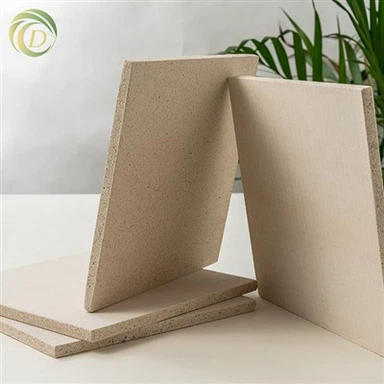
Magnesium Oxide Sulphate MGO Subfloor Board
Magnesium Sulfate MGO Board has gradually replaced traditional building materials due to its three core advantages: zero efflorescence, non-corrosiveness, and high fire resistance. It is particularly suitable for humid environments, steel-structured buildings, and projects with high fire safety requirements. When purchasing, choose pure sulfate formulations and follow standard installation procedures to fully leverage its excellent performance, creating safe, durable, and environmentally friendly building spaces.
- Fast Delievery
- Quality Assurance
- 24/7 Customer Service
Product Introduction
Magnesium Oxide Sulphate MGO Subfloor Board
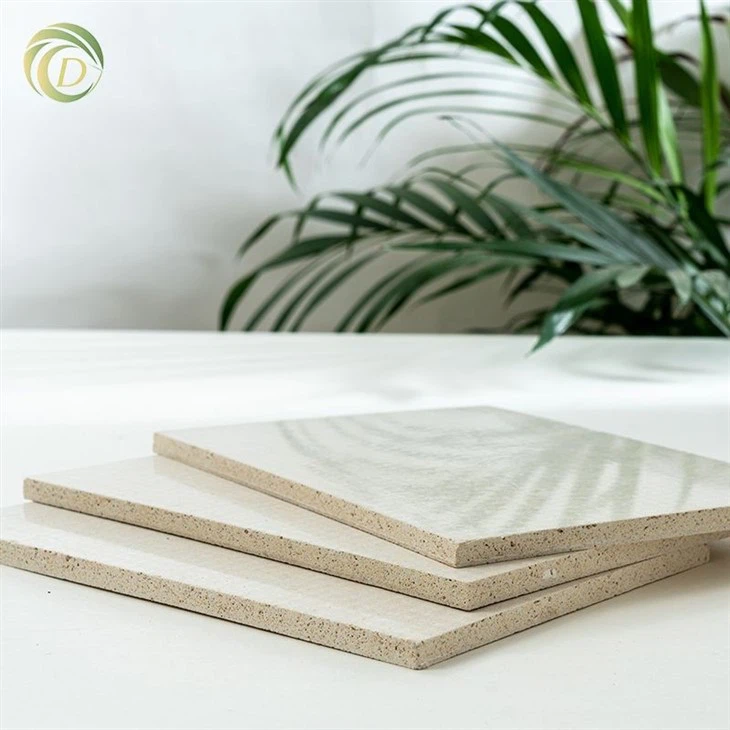
Magnesium sulfate MGO board is an eco-friendly new building material.It's mainly made from magnesium oxide and magnesium sulfate as the core bonding materials, with glass fiber mesh for reinforcement, plus light fillers like perlite and wood chips mixed in.
Advantages of Magnesium Oxide Sulphate MGO Subfloor Board
01 Fire Resistance
- It's Class A1 non-combustible - that means it can stand high temperatures up to 1200℃. It won't burn, and it doesn't give off any toxic fumes.
- It's perfect for places where fire safety is super important, like firewalls, fire doors, and high-rise buildings.
02Moisture-Proof Technology
- No efflorescence at all! We use magnesium sulfate instead of the traditional magnesium chloride, so it totally fixes the "sweating" issue you might see with other boards.
- It doesn't soak up moisture from the air, stays at a steady moisture level, and won't deform even after being used for a long time.
- It works great even in environments where the relative humidity is over 85% - no loss of performance at all.
03 Physical Properties
- It's light but super strong. Its density is between 950-1200kg/m³, and it's 2 to 3 times stronger than regular gypsum boards.
- No deformation - it won't warp or crack, so it stays stable no matter what.
- It's good at sound and heat insulation too - keeps noise out well, and it doesn't conduct heat easily.
- No mold or insects! It has no nutrients that mold or termites like, so they won't grow on it or infest it.
04 Environmental Safety
- It's made of 100% inorganic materials - no asbestos, no formaldehyde, and no radioactive stuff at all.
- You can recycle and reuse it, and it takes less energy to produce. It meets all the green building standards.
- It won't corrode steel structures either, which helps make the building last longer.
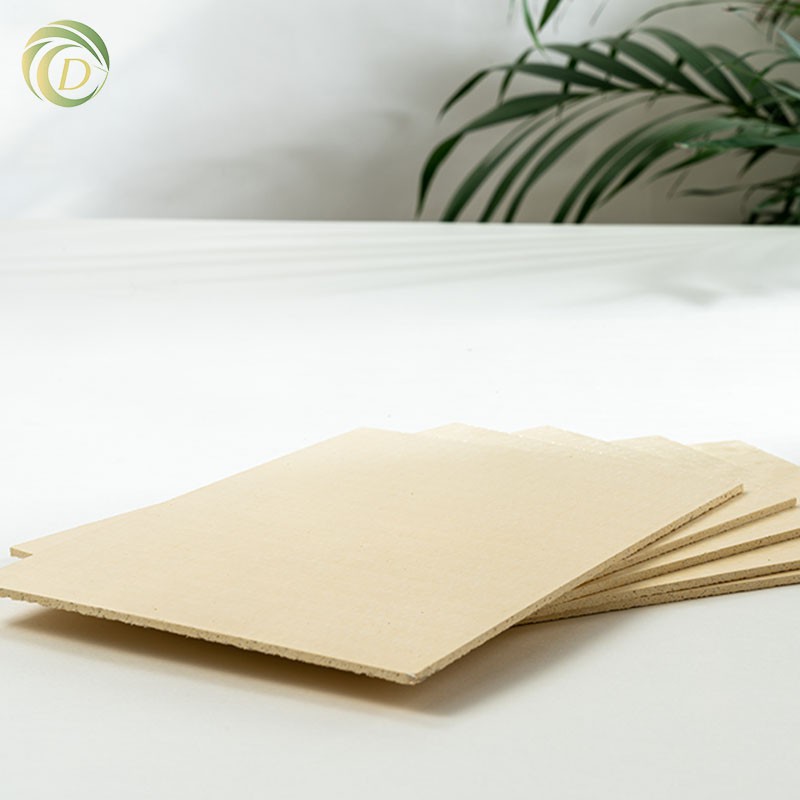


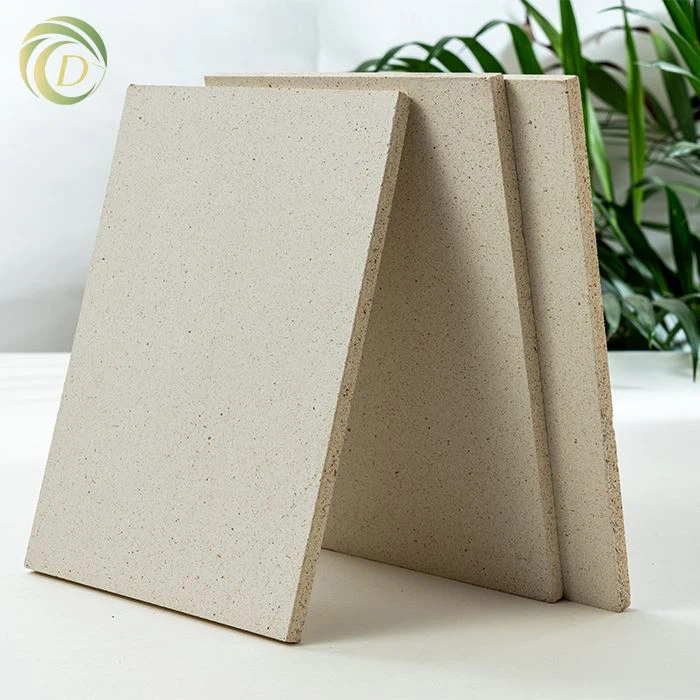
Why Choose Us
1. Rigorous Raw Material Selection System
Carefully selected high-purity magnesium oxide and eco-friendly additives, establishing a full-chain traceability mechanism from mine to finished product to ensure substrate compliance with construction safety standards.
2. Mature Production Process
Utilizing industry-leading automated production lines and standardized curing processes, with precise temperature and humidity control systems to guarantee panel stability.
3. Scenario Adaptation Capability
Offering differentiated product series including fireproof, moisture-resistant, and soundproof solutions, supporting customized thickness and surface treatment options to meet diverse engineering requirements.
4. Supply Chain Assurance
Supported by self-owned production bases and strategic logistics partnerships, establishing regionalized warehousing systems to ensure delivery efficiency and emergency response capabilities.
5. Technical Service Support
Equipped with professional construction guidance teams, providing full-cycle technical consulting services from product selection to installation acceptance.
6. Sustainable Development Commitment
Practicing green manufacturing principles, with products certified for environmental compliance and establishing a recycled panel recovery system to help clients achieve ESG goals.
What Are The Main Materials Used In Magnesium Oxide Sulphate MGO Subfloor Board
-
High-purity magnesium oxide (34-45 parts)
-
Magnesium sulfate heptahydrate (23-30 parts)
-
Glass fiber mesh (for reinforcement)
-
Lightweight fillers (e.g., perlite, wood fiber)
-
Water and special additives
Specification Parameters
Dimension Specifications
Standard Size: 1220×2440mm (4×8 feet), customizable up to 3050×1220mm.
Thickness Range: 3-20mm, common specifications: 6mm, 9mm, 12mm, 15mm, 18mm.
Edge Types: Flat edge, Tongue & Groove, Notch (for easy splicing).
Physical Performance Parameters
|
Parameter |
Value |
Remarks |
|---|---|---|
|
Density |
950-1200kg/m³ |
Lightweight and high-strength |
|
Compressive Strength |
≥15MPa |
Higher than ordinary boards |
|
Flexural Strength |
≥8MPa |
Good bending resistance |
|
Water Absorption Rate |
≤5% |
Excellent waterproof performance |
|
Fire Rating |
Class A1 |
Non-combustible material |
|
Thermal Conductivity |
≤0.2W/(m·K) |
Good thermal insulation |
|
Sound Insulation |
≥40dB |
Effectively blocks sound |
Magnesium Oxide Sulphate MGO Subfloor Board Comparison with Traditional Magnesium Chloride MGO Board
|
Characteristic |
Magnesium Sulfate MGO Board |
Traditional Magnesium Chloride MGO Board |
|---|---|---|
|
Main Binder |
Magnesium Sulfate (MgSO₄) |
Magnesium Chloride (MgCl₂) |
|
Efflorescence Phenomenon |
None (Zero Efflorescence) |
Exists ("sweating" issue) |
|
Metal Corrosiveness |
None (Protects Steel) |
Exists (causes steel corrosion) |
|
Adaptability to Humid Environments |
Excellent (No Deformation) |
Poor (prone to deformation and softening) |
|
Service Life |
Long (≥50 years) |
Short (15-20 years) |
|
Application Scope |
Wide (including humid areas) |
Limited (not suitable for steel structures) |
Magnesium Oxide Sulphate MGO Subfloor Board
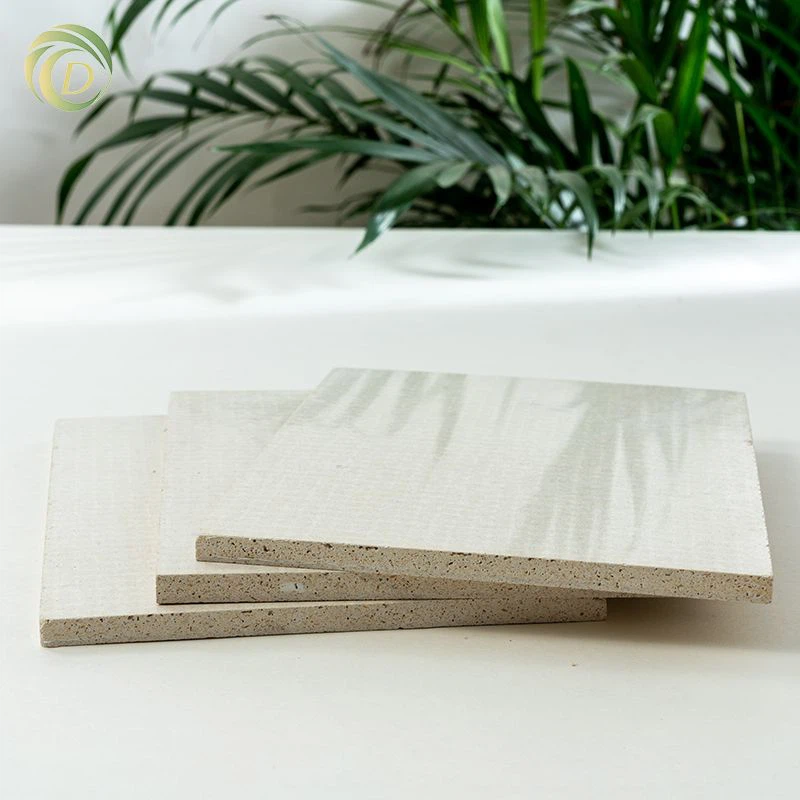


Application Scenarios
1. Wall Systems
-
Interior partitions and firewalls (fire resistance duration up to 4 hours).
-
Exterior cladding and building envelopes.
-
Partitions in humid areas such as bathrooms and kitchens.
2. Floor Systems
-
Subfloors: Suitable for wood-structured and steel-structured buildings.
-
Floor leveling layers: Provide a flat and stable foundation.
-
Floors in basements and humid environments: Excellent moisture-proof performance.
3. Special Applications
-
Ceiling materials: Lightweight and high-strength, reducing building load-bearing.
-
Furniture panels: Environmentally friendly and formaldehyde-free, with surfaces that can be directly decorated.
-
Industrial workshops and clean rooms: Corrosion-resistant and easy to clean.
-
Modular buildings and temporary housing: Quick to install and reusable.
Specification Parameters
Dimension Specifications
-
Standard Size: 1220×2440mm (4×8 feet), customizable up to 3050×1220mm.
-
Thickness Range: 3-20mm, common specifications: 6mm, 9mm, 12mm, 15mm, 18mm.
-
Edge Types: Flat edge, Tongue & Groove, Notch (for easy splicing).
Physical Performance Parameters
|
Parameter |
Value |
Remarks |
|---|---|---|
|
Density |
950-1200kg/m³ |
Lightweight and high-strength |
|
Compressive Strength |
≥15MPa |
Higher than ordinary boards |
|
Flexural Strength |
≥8MPa |
Good bending resistance |
|
Water Absorption Rate |
≤5% |
Excellent waterproof performance |
|
Fire Rating |
Class A1 |
Non-combustible material |
|
Thermal Conductivity |
≤0.2W/(m·K) |
Good thermal insulation |
|
Sound Insulation |
≥40dB |
Effectively blocks sound |
Installation Guide
Required Tools & Materials
-
Tape measure, electric saw, utility knife (for cutting boards).
-
Special screws, U-shaped clips (for fixation).
-
Joint compound, sealant (for joint treatment).
-
Gloves, goggles (for safety protection).
Installation Steps
Base Preparation: Ensure the installation surface is flat, dry, clean, free of oil and loose materials.
Board Cutting:
-
Use an electric saw or utility knife for precise cutting according to required dimensions.
-
Place the board flat during cutting to prevent fragmentation, with 1-2mm allowance for edges.
Board Fixation:
Wall Installation:
-
Horizontal installation: Notch facing up, screw spacing ≤300mm.
-
Vertical installation: Notch on the right side, screws 15-20mm from the board edge.
Floor Installation:
-
Tongue & Groove boards: Align the tenon and groove, tap gently to fasten.
-
Flat-edge boards: Leave 2-3mm expansion gaps between boards.
-
Fixation spacing: ≤250mm to ensure firmness.
Joint Treatment:
-
Fill gaps with joint compound first, then apply glass fiber mesh tape.
-
Scrape putty on the surface and sand smooth.
Construction Key Points
-
Installation Principle: Proceed from left to right, bottom to top.
-
Board Protection: Avoid collision with sharp objects during installation to prevent damage.
-
Environmental Requirements: Construction temperature 5-35℃, relative humidity ≤85%.
-
Cutting Direction: Cutting along the length of the board ensures better strength.
-
Expansion Gaps: Reserve 3-5mm expansion gaps between boards and between boards and structures to account for thermal expansion and contraction.
Our Factory
We are a company dedicated to magnesia cement products. Our main products are Magnesium Oxide Boards(MGO Board) for construction and laminated MgO boards for furniture and renovation. Our mission is to provide the world's construction markets with environmentally friendly, high-performance and sustainable green materials.

FAQ
Q: What are the core components of magnesium sulfate MGO board?
A: Core components: Magnesium oxide (MgO), magnesium sulfate (MgSO₄), glass fiber mesh, and lightweight fillers (e.g., perlite).
Q: What is the key difference between it and traditional magnesium chloride MGO board?
A: Key difference: Uses magnesium sulfate instead of magnesium chloride, achieving zero efflorescence, no metal corrosion, and better adaptability to humid environments.
Q: What is the fire rating and high-temperature resistance of magnesium sulfate MGO board?
A: Fire rating is Class A1 (non-combustible material), withstands high temperatures up to 1200℃, with a maximum fire resistance duration of 4 hours.
Q: Does this board have the problem of efflorescence or "sweating"?
A: No efflorescence or "sweating" issues; the magnesium sulfate formula completely eliminates the efflorescence risk of traditional magnesium chloride boards.
Q: Which scenarios are suitable for using magnesium sulfate MGO board?
A: Suitable for indoor and outdoor partitions, firewalls, floor substrates, basements, bathrooms and other humid areas, as well as industrial workshops and clean rooms.
Q: Is it necessary to reserve expansion gaps during installation? What are the spacing requirements?
A: Expansion gaps are required: 2-3mm for flat-edge boards and 3-5mm between boards and structures to avoid cracking due to thermal expansion and contraction.
Q: What indicators or certificates should be focused on when purchasing?
A: Key focuses: Class A1 fire certification, environmental testing report, chloride ion content (<10%), surface flatness, and brand qualifications.
Q: What is the normal service life of magnesium sulfate MGO board?
A: Normal service life is ≥50 years, much longer than traditional magnesium chloride MGO boards (15-20 years).
Hot Tags: magnesium oxide sulphate mgo subfloor board, China magnesium oxide sulphate mgo subfloor board manufacturers, suppliers, factory, anti slip flooring, flooring deal, granite flooring, long lasting flooring, patterned flooring, stage flooring