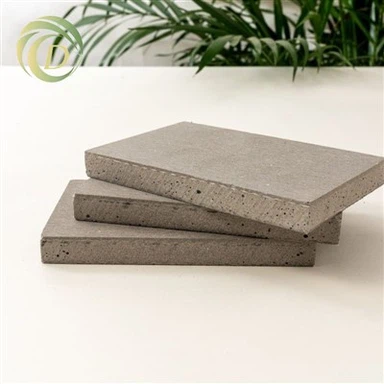
Magnesium Oxide Board Subfloor Underlayment
The core characteristics of MgO board subfloor underlayment can be summarized as "stable, protective, safe, convenient, and healthy"—that is, structurally stable to adapt to the base, moisture and fire resistant to ensure safety, convenient for construction to adapt to multiple scenarios, and environmentally friendly and healthy to be compatible with sensitive areas. It is an ideal underlayment material for improving the flatness, durability, and functionality of floor systems, and performs particularly well in buildings with humid environments, high fire protection requirements, or high standards for living experience.
- Fast Delievery
- Quality Assurance
- 24/7 Customer Service
Product Introduction
What Is Magnesium Oxide Board Subfloor Underlayment
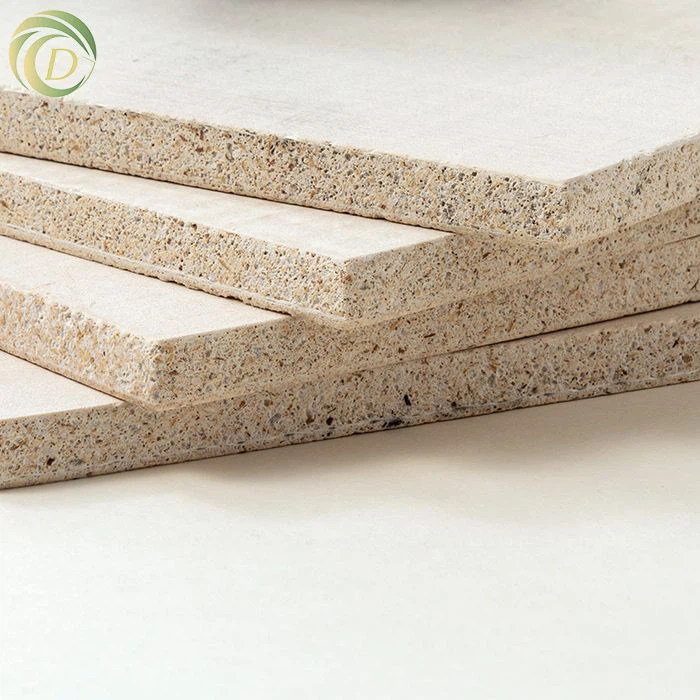
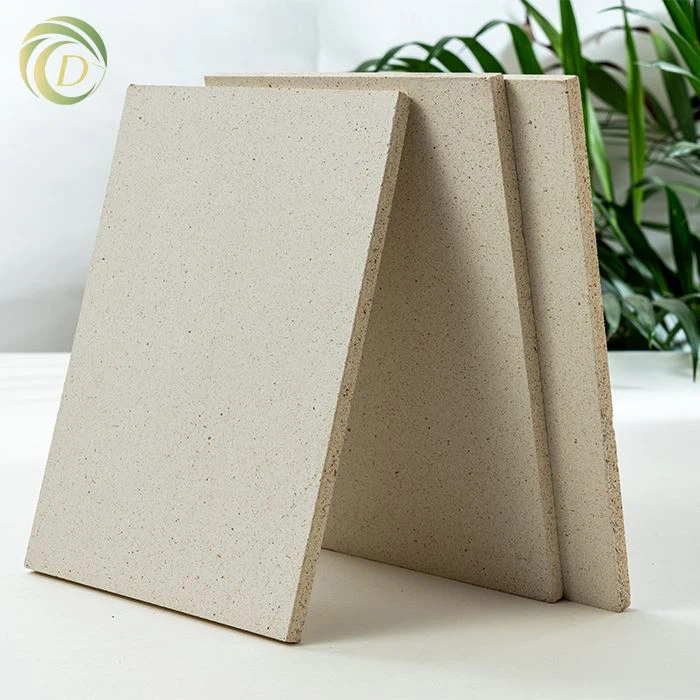
MgO board subfloor underlayment is an inorganic board made with magnesium oxide and magnesium chloride as the cementitious core, supplemented by reinforcing materials and functional additives, used between building base substrates and finishes to level, resist moisture, and provide fire protection.
Advantages of Magnesium Oxide Board Subfloor Underlayment
01Strong Structural Stability, Adapting to Base Errors
High Flatness and Dimensional Stability
The MgO underlayment is pressed and cured precisely, with a surface flatness error of no more than 0.5mm per meter. It can fix uneven or bumpy bases (like concrete slabs) and provide a smooth, stable surface for floor finishes. It barely shrinks (no more than 0.3%), so it won't warp or deform when temperature or humidity changes-no more cracked or hollow floors because of underlayment issues.
It's strong enough too: flexural strength ≥8MPa and compressive strength ≥25MPa. It can hold up floor materials, furniture, and people, and even buffer small base settlements. Perfect for solid wood or composite floors that need a stable base.
02 Moisture and Water Resistance, Protecting the Floor System
Low Water Absorption and Impermeability
It doesn't absorb much water (water absorption ≤12%), and even after getting wet, its strength only drops by ≤10%. In damp places like bathrooms, kitchens, or underground garages, it blocks water vapor from seeping into the base-no more damp concrete, rusted steel bars, or moldy/warped floors.
It also won't get "white powder" (efflorescence) in humid areas, thanks to added anti-efflorescence agents. Plus, it's resistant to common cleaners and cement paste, so it lasts longer.
03 Fire Resistance and Flame Retardancy, Enhancing System Safety
It's made of inorganic minerals, so it's Class A non-combustible. It won't burn or give off toxic fumes when it's hot-only softens a little. Great for high-rises, shops, or places with fire requirements (like power rooms, data centers). Pair it with fire-resistant floors and adhesives, and it slows down fire spread, making the whole floor system safer.
04 Sound Insulation and Shock Absorption, Optimizing Living Experience
With a density of 0.8-1.0g/cm³, its porous structure and fiber layer absorb impact noise (like footsteps or falling things), and airborne sound insulation is ≥30dB. It cuts down noise between floors-perfect for homes, hotels, or places that need quiet.
It's also flat and a bit elastic, so you can pair it with EVA or rubber shock pads to make soundproofing even better, meeting high-end building acoustic standards.
05 Convenient Construction, Adapting to Various Processes
Lightweight and Easy Processability
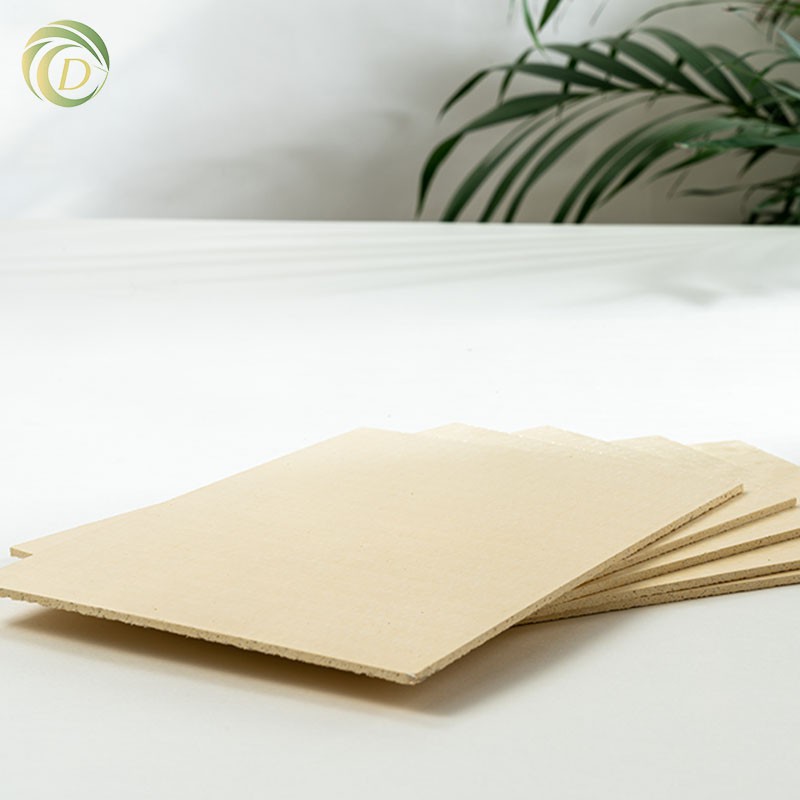
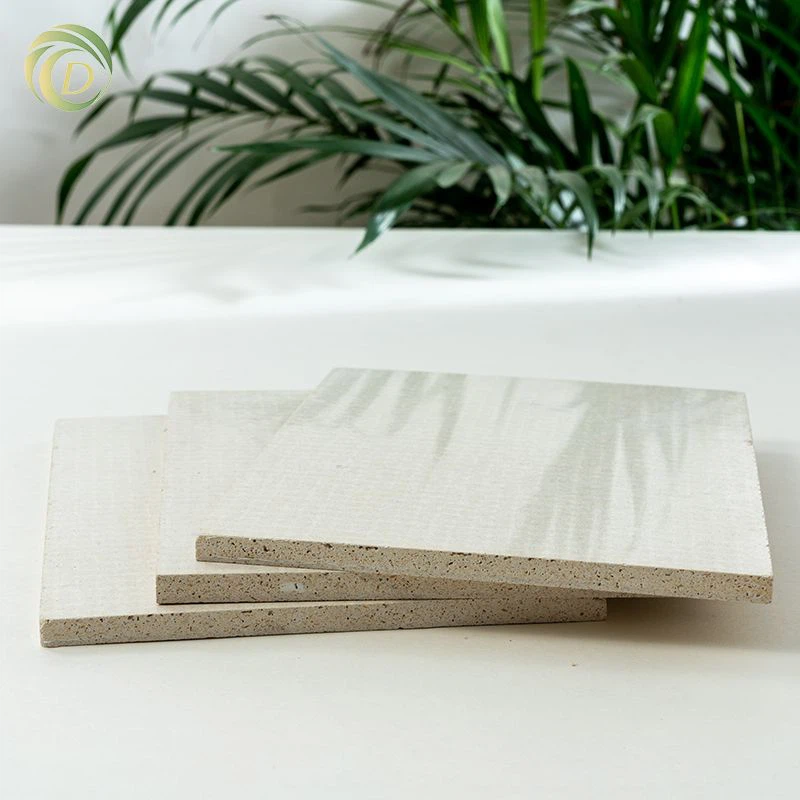
It's lightweight: a 5-12mm thick board only weighs 3-8kg per square meter, so it's easy to carry and lay, saving labor. You can cut, saw, or nail it with ordinary woodworking tools, and it's easy to fit into corners (like around pipes or columns) to speed up installation.
You can install it with adhesive, pneumatic nails, self-tapping screws-whatever works. It sticks well to concrete, steel, or wood bases (bonding strength ≥0.5MPa), no complicated prep work needed, so the construction period is shorter.
06 Environmental Protection and Harmlessness, Compatible with Healthy Scenarios
No Release of Harmful Substances
It's made of natural minerals (magnesium oxide, magnesium chloride) with no toxic additives like formaldehyde or phenol. Formaldehyde emission is ≤0.05mg/m³-way lower than the national standard (0.124mg/m³). No radioactive substances, so it's safe for homes, hospitals, and schools.
It has no organic nutrients, so termites and moths won't eat it, and it won't get moldy. That means less maintenance trouble and cost later on.




Why Choose Us
Rich Experience
Our company has many years of production work experience. The concept of customer-oriented and win-win cooperation makes the company more mature and stronger.
Advanced Equipment
A machine, tool or instrument designed with advanced technology and functionality to perform highly specific tasks with greater precision, efficiency and reliability.
High Quality
Our products are manufactured or executed to very high standards, using the finest materials and manufacturing processes.
Competitive Price
We have professional sourcing team and cost accounting team, reduce cost and profit and provide you a good price.
24H Online Service
We try and respond to all concerns within 24 hours and our teams are always at your disposal in case of any emergencies.
One-Stop Solution
With rich experience and one-to-one service,we can help you choose products and answer technical questions.
What Is Magnesium Oxide Board Subfloor Underlayment Made Of
Fireproof MgO (Magnesium Oxide) wallboard is primarily composed of magnesium oxide, a compound derived from magnesium chloride and calcium carbonate. The magnesium oxide is combined with other natural materials such as fiberglass or wood fibers to enhance its structural properties.
These ingredients are mixed with water to form a slurry, which is then poured into molds and pressed into sheets. After drying, the sheets are cut to size and finished with a protective coating to improve their durability and appearance. The resulting product is a lightweight, yet highly fire-resistant building material that offers excellent thermal and acoustic insulation properties.
How does Magnesium Oxide Board Subfloor Underlayment contribute to fire safety
Fireproof Mgo Wallboard, also known as Magnesium Oxide Wallboard, contributes to fire safety in several ways
Non-Combustible Material: Mgo Wallboard is made from magnesium oxide, which is a non-combustible material. It does not burn or support combustion, making it resistant to fire.
High Fire Resistance Rating: Mgo Wallboard has a high fire resistance rating, typically ranging from 1 to 4 hours, depending on its thickness and composition. This means it can withstand exposure to fire for a longer duration without losing its structural integrity.
Slow Heat Transfer: Mgo Wallboard has low thermal conductivity, which means it transfers heat slowly. This property helps in preventing the spread of fire to adjacent areas, as it does not easily transmit heat.
Reduced Smoke Generation: During a fire, Mgo Wallboard produces significantly less smoke compared to other building materials. This is important for fire safety as smoke inhalation is a major cause of fatalities in fires.
Structural Stability: Mgo Wallboard is strong and durable, even at high temperatures. It does not lose its strength or structural stability when exposed to fire, which helps in maintaining the integrity of the building during a fire incident.
Fire Barrier And Compartmentation: Mgo Wallboard is commonly used in fire-resistant walls, ceilings, and partitions to create fire barriers and compartmentalize different areas of a building. These barriers help contain fire within a specific area, limiting its spread and providing occupants with more time to evacuate safely.
Fireproof MgO wallboard performs well in terms of sound insulation due to its dense and solid structure. The incorporation of materials like fiberglass or wood fibers within the MgO matrix adds to its mass and rigidity, both of which are key factors in enhancing sound transmission loss. Sound waves travel through materials by causing particles to vibrate; denser materials absorb these vibrations more effectively, reducing the amount of sound that passes through.
The effectiveness of MgO wallboard in sound insulation is further enhanced by its ability to dampen vibrations. The inherent properties of magnesium oxide, along with the reinforcing fibers, help to dissipate the energy of sound waves, preventing them from being transmitted through the material.
Moreover, the thickness and installation method can significantly impact the sound insulation performance of MgO wallboard. Thicker panels generally provide better sound insulation than thinner ones. When installed with additional layers of insulation or used in combination with other sound-absorbing materials, MgO wallboard can achieve even higher levels of sound attenuation.
How Is Magnesium Oxide Board Subfloor Underlayment Installed
Fireproof Mgo wallboard, also known as Magnesium Oxide board, is typically installed using the following steps:
Preparation: Before installation, ensure that the surface where the Mgo wallboard will be installed is clean, dry, and free of any dust or debris. Additionally, make sure to measure and mark the exact location where the boards will be installed.
Cutting: Use a circular saw or a utility knife to cut the Mgo wallboard to the desired size. Make sure to take accurate measurements and wear appropriate safety gear, such as gloves and goggles, during the cutting process.
Application: Apply a layer of adhesive or mortar to the backside of the Mgo wallboard using a trowel or a notched trowel. Make sure to spread the adhesive evenly across the entire back surface.
Placement: Press the Mgo wallboard firmly against the wall surface, ensuring that it is aligned properly with the marked location. Apply pressure to the board to ensure good adhesion and remove any air bubbles.
Fastening: Secure the Mgo wallboard to the wall using screws or nails. The specific fastening method may vary depending on the manufacturer's instructions and the desired level of durability. Generally, screws or nails should be placed around the board's edges and spaced at regular intervals.
Finishing: Once the Mgo wallboard is securely fastened, fill any gaps or joints with joint compound or spackling paste. Smooth out the compound using a putty knife and let it dry completely. Sand the surface lightly to achieve a smooth finish.
Priming And Painting: After the joint compound has dried and been sanded, apply a primer coat to the Mgo wallboard. Once the primer is dry, paint the wallboard with the desired color using a roller or brush. Apply multiple coats if necessary, allowing each coat to dry before applying the next.
How Does Magnesium Oxide Board Subfloor Underlayment Compare To Other Fire-Resistant Building Materials
Fireproof MgO wallboard, composed primarily of magnesium oxide, offers several advantages when compared to other fire-resistant building materials, particularly in terms of fire resistance, environmental impact, and physical properties. Here's a comparison:
Fireproof MgO Wallboard: Typically provides excellent fire resistance due to the non-combustible nature of magnesium oxide. It can withstand high temperatures and does not emit toxic fumes when exposed to fire.
Gypsum Wallboard: Also fire-resistant, gypsum board contains water molecules that are released when heated, helping to suppress flames. However, at very high temperatures, gypsum can dehydrate and lose its fire-resistant properties.
Fiber Cement Board: Offers good fire resistance and is non-combustible. It can withstand heat and does not contribute to the spread of fire.
Steel Framing: Extremely fire-resistant, steel maintains its strength until it reaches melting point; however, it can become weakened by excessive heat over time.
Fireproof MgO Wallboard: Generally considered more eco-friendly than many alternatives because it uses natural materials and can be recycled. It also releases fewer volatile organic compounds (VOCs) during production and installation.
Gypsum Wallboard: Can be considered environmentally friendly since it is made from a naturally occurring mineral. Gypsum can be recycled and reused.
Fiber Cement Board: Contains cement, which has a higher carbon footprint than magnesium oxide or gypsum. However, it can still be a more sustainable option than some other materials.
Steel Framing: Recyclable and has a lower carbon footprint compared to materials like concrete or timber. However, the production of steel requires significant energy.
Fireproof MgO Wallboard: Strong and durable, with good impact and puncture resistance. It is also moisture-resistant and Not susceptible to moisture.
Gypsum Wallboard: Less robust than MgO board, prone to damage from impacts and moisture. It is suitable for interior applications but not for areas exposed to high humidity or wet conditions.
Fiber Cement Board: Very strong and durable, with excellent weather resistance and dimensional stability. It is suitable for both indoor and outdoor use.
Steel Framing: Highly durable and strong, with excellent load-bearing capabilities. Steel is resistant to termites, rot, and warping.
Fireproof MgO Wallboard: Similar to gypsum board in terms of installation, using screws or nails to attach to framing. Requires minimal maintenance.
Gypsum Wallboard: Easy to install with joint compound and tape. Regular cleaning and painting are needed to maintain appearance and protect against moisture damage.
Fiber Cement Board: More challenging to install due to its rigidity and heavyweight. It requires cutting with specialized saws. Minimal maintenance is needed once installed.
Steel Framing: Installation requires expertise to ensure proper alignment and secure fastening. Once installed, steel framing requires little maintenance.
Our Factory
We are a company dedicated to magnesia cement products. Our main products are Magnesium Oxide Boards(MGO Board) for construction and laminated MgO boards with for furniture and renovation. Our mission is to provide the world's construction markets with environmentally friendly, high-performance and sustainable green materials.

FAQ
Q: How does fireproof Mgo wallboard provide fire resistance?
Q: What are the advantages of using fireproof Mgo wallboard?
Q: Is fireproof Mgo wallboard suitable for both residential and commercial applications?
Q: Can fireproof Mgo wallboard be used in wet areas such as bathrooms or kitchens?
Q: How is fireproof Mgo wallboard installed?
Q: Does fireproof Mgo wallboard require any special maintenance?
Q: How does fireproof Mgo wallboard compare to other fire-resistant building materials?
Q: Can fireproof Mgo wallboard be painted or decorated?
Q: Is fireproof Mgo wallboard eco-friendly?
Q: How does fireproof Mgo wallboard contribute to energy efficiency?
Q: Can fireproof Mgo wallboard be used for soundproofing purposes?
Q: How does fireproof Mgo wallboard perform in terms of impact resistance?
Q: Is fireproof Mgo wallboard resistant to termites or other pests?
Q: Can fireproof Mgo wallboard be used as a structural element?
Q: What is fireproof Mgo wallboard?
Q: Can fireproof Mgo wallboard be used in high-temperature environments?
Q: What sizes and thicknesses are available for fireproof Mgo wallboard?
Q: Is fireproof Mgo wallboard resistant to UV radiation?
Q: Can fireproof Mgo wallboard be installed on curved surfaces?
Q: How does the cost of fireproof Mgo wallboard compare to other building materials?
Hot Tags: magnesium oxide board subfloor underlayment, China magnesium oxide board subfloor underlayment manufacturers, suppliers, factory, green flooring, hardwood flooring, gym flooring, bevelled edge flooring, waterproof flooring, decorative flooring