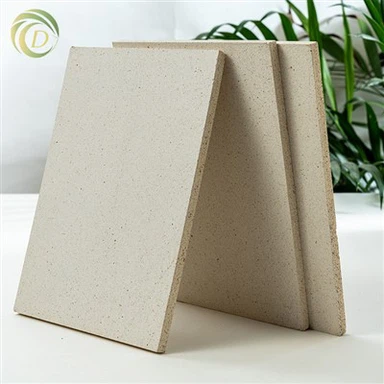
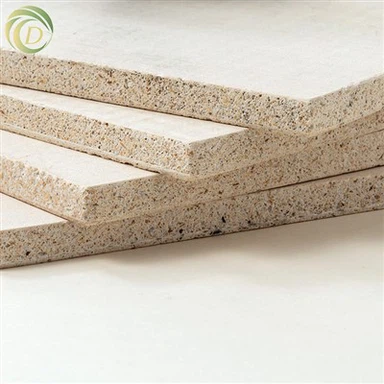
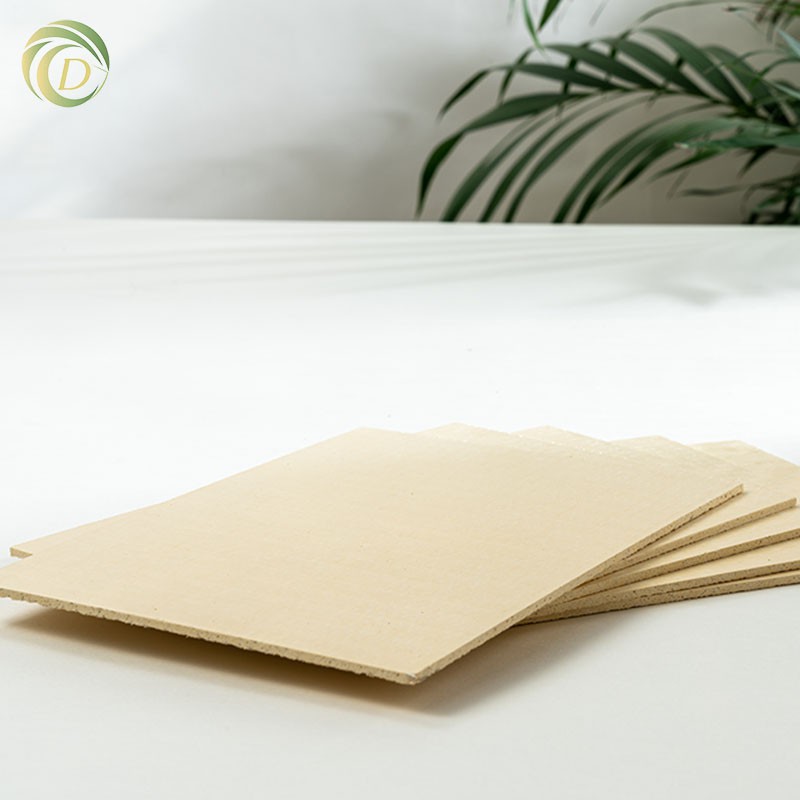
Fireproof MGO Board Exterior And Interior Wall Partition Boards
Fireproof magnesium oxide board partitions have become an ideal choice for modern building partitions due to their Class A non-combustibility, lightweight and high strength, waterproof and moisture-proof properties, and environmental durability. They are particularly suitable for public buildings, commercial spaces, and industrial venues with high fire safety requirements. When selecting, match specific scenario needs, focus on product quality certifications and manufacturer credibility, and ensure standard installation to fully exert their long-term value.
- Fast Delievery
- Quality Assurance
- 24/7 Customer Service
Product Introduction
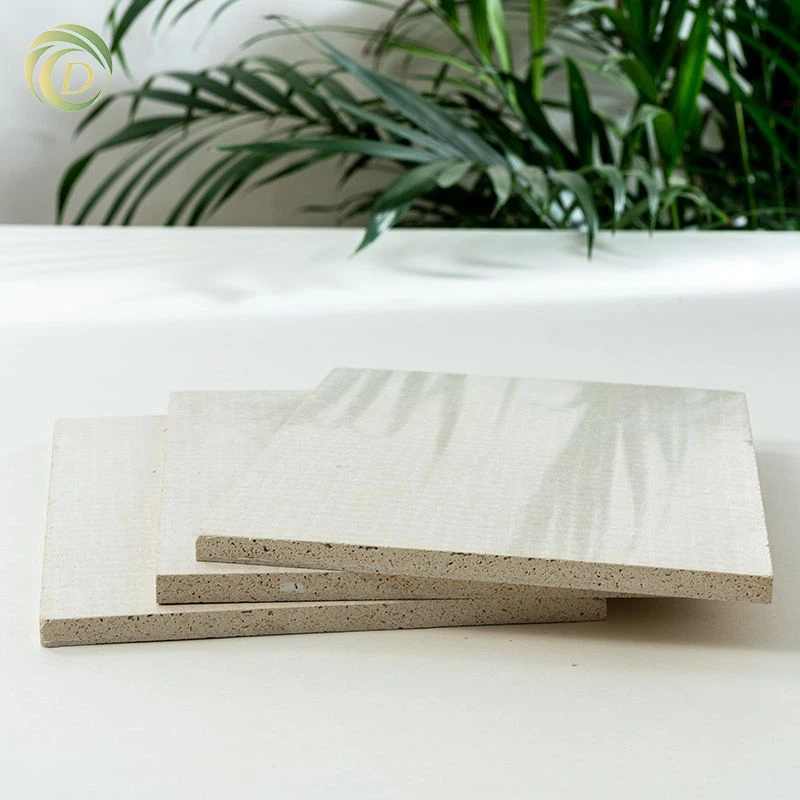
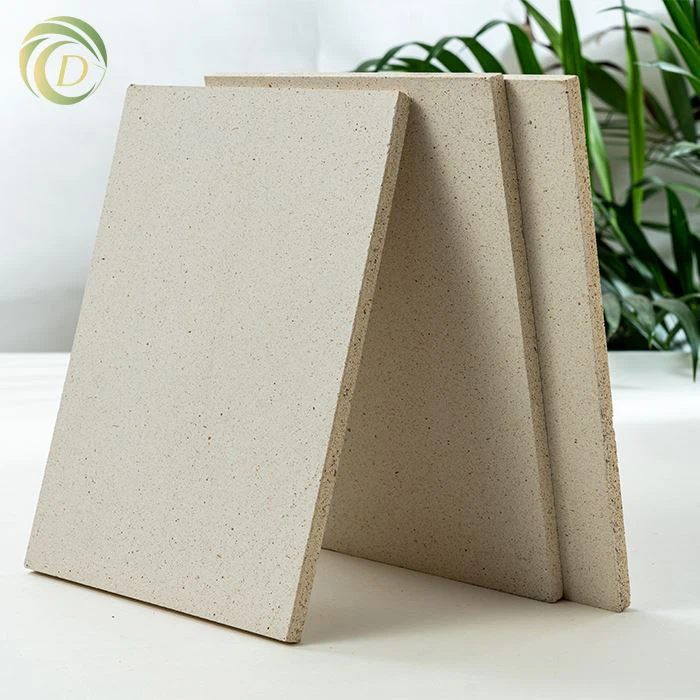
What Is Fireproof MGO Board Exterior and Interior Wall Partition Boards
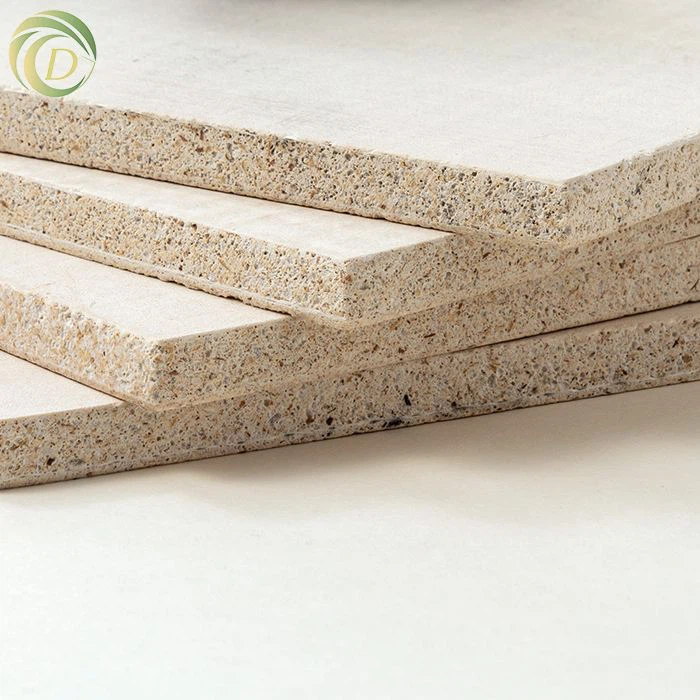
Fireproof magnesium oxide board partition is a Class A non-combustible panel mainly composed of magnesium oxide (MgO), magnesium chloride (MgCl₂) and water. Reinforced with alkali-resistant glass fiber cloth and filled with lightweight materials, it is manufactured through special composite processes, primarily used in building wall partition systems.
Advantages of Fireproof MGO Board Exterior and Interior Wall Partition Boards
Excellent Fire Resistance
Class A1 non-combustible: Zero sustained burning time, non-combustible at 800℃, and no open flames at 1200℃.
Fire resistance rating: Partition systems combined with light steel keels achieve a fire resistance rating of 3-4 hours, exceeding national standard requirements.
Heat absorption and temperature reduction: Releases crystal water to absorb heat when exposed to fire, delaying temperature rise of surrounding areas. The backside temperature only increases by about 30℃ under 1200℃ flame.
Non-toxic and smokeless: No toxic gases released during combustion, smoke density ≤75, and smoke toxicity reaches safety Level 1 (AQ1).
Lightweight yet High-Strength
Lightweight: Density is approximately 0.8-1.2g/cm³, only 1/10 of traditional brick walls, significantly reducing building load.
High strength: Flexural strength ≥12MPa (up to 25MPa for premium products), impact strength up to 15kJ/㎡, resistant to deformation and fracture.
Good toughness: Can be bent, nailed, sawn, and bonded, facilitating construction and suitable for various shapes.
Waterproof and moisture-proof:
Water absorption rate ≤12%, suitable for humid environments (kitchens, bathrooms, basements).
Sound and thermal insulation:
Hollow structure provides sound insulation up to 40dB and thermal resistance up to 1.14㎡·K/W, achieving remarkable energy-saving effects.
Environmentally friendly and non-toxic:
Formaldehyde-free and non-radioactive (IRA ≤0.5), complying with ENF class standards (formaldehyde emission ≤0.025mg/m³).
Insect and mold resistant:
Inorganic material that does not breed bacteria or pests, ensuring long service life.




Why Choose Us
Rich Experience
Our company has many years of production work experience. The concept of customer-oriented and win-win cooperation makes the company more mature and stronger.
Advanced Equipment
A machine, tool or instrument designed with advanced technology and functionality to perform highly specific tasks with greater precision, efficiency and reliability.
High Quality
Our products are manufactured or executed to very high standards, using the finest materials and manufacturing processes.
Competitive Price
We have professional sourcing team and cost accounting team, stive to reduce cost and profit and provide you a good price.
24H Online Service
We try and respond to all concerns within 24 hours and our teams are always at your disposal in case of any emergencies.
One-Stop Solution
With rich experience and one-to-one service,we can help you choose products and answer technical questions.
What Is Fireproof MGO Board Exterior and Interior Wall Partition Boards Made Of
- Cementitious materials: High-purity magnesium oxide and magnesium chloride (or magnesium sulfate) forming magnesium oxychloride cement.
- Reinforcing materials: Medium-alkali glass fiber mesh (enhances tensile strength and crack resistance).
- Filling materials: Perlite, wood chips, etc. (reduces weight and improves thermal insulation).
- Modifiers: Improves performance and minimizes efflorescence issues.
Technical Parameters and Specifications of Fireproof MGO Board Exterior and Interior Wall Partition Boards
Standard Specifications
Dimensions: 1220mm×2440mm (common), customizable.
Thickness:
- Ceiling: 6-8mm
- Partition walls: 8-12mm
- Humid environments: 12-15mm
- Special requirements: Up to 25mm maximum
Density: ≥0.8g/cm³ (≥1.0g/cm³ for premium products)
Moisture content: Controlled between 8%-12% to ensure stability.
Performance Indicators (in accordance with GB/T 33544-2017 Standard)
Flexural strength: ≥12MPa (≥18MPa for premium products)
Compressive strength: ≥150MPa (up to 198MPa for high-quality products)
Water absorption rate: ≤12%
Softening coefficient: ≥0.8 (good water resistance)
Environmental indicators: Formaldehyde emission ≤0.124mg/m³ (E1 class), radioactivity complies with national standards.
Commercial Buildings
- Office buildings: Meets fire compartment requirements for high-rise office areas.
- Shopping malls: Used for fire compartments and passage partitions.
- Hotels: Partitions for guest rooms, corridors, and meeting rooms, combining fire resistance and aesthetics.
Public Facilities
- Hospitals: Partitions for wards, operating rooms, and pharmacies (moisture-proof and antibacterial).
- Schools: Partitions for classrooms, laboratories, and libraries (environmentally friendly and safe).
- Transportation hubs: Fire compartments and passages in subways, airports, and railway stations.
Industrial and Special Venues
- Clean workshops: Food factories, electronics factories, and pharmaceutical factories (dust-proof, antibacterial, and easy to clean).
- Factories and warehouses: Fire compartments to protect valuable equipment and goods.
- Equipment rooms: Fire and thermal insulation to protect precision equipment.
- Basements/garages: Moisture and mold resistant, suitable for humid environments.
How Does Fireproof MGO Board Exterior and Interior Wall Partition Boards Perform In Terms Of Load-Bearing Capabilities
Fire-resistant MgO Wall Board, also known as magnesium oxide board, typically exhibits good load-bearing characteristics due to its composition and manufacturing process. The material is inherently strong and rigid, thanks to the high compressive strength of magnesium oxide and the reinforcing agents often incorporated into the board, such as fiberglass or other fibrous materials.
The structural integrity of Fireproof MgO wallboard is influenced by several factors:
Magnesium Oxide Compressive Strength: Magnesium oxide itself has a high compressive strength, which means that when used in board form, it can withstand considerable loads without significant deformation or failure.


Reinforcement Materials: Fiberglass and wood fibers are commonly added to MgO boards to improve tensile and shear strengths. These materials help distribute stress across the board, making it more resistant to bending and cracking under load.
Board Thickness: Thicker boards generally have greater load-bearing capacity than thinner ones. Increasing the thickness of the board enhances its ability to support weight without damage.
Panel Size and Spacing: The dimensions and spacing of the wallboard panels can also affect their load-bearing performance. Properly aligned and spaced panels can work together to support greater loads than individual panels.
Fastening Methods: How the wallboard is attached to the supporting structure plays a crucial role in its load-bearing capabilities. Using the correct type and number of fasteners, such as screws or bolts, ensures that the load is evenly distributed and securely supported.
Supporting Structure: The strength of the underlying framing or studs is essential for load-bearing applications. Adequate spacing and sizing of the studs will ensure that the wallboard system functions effectively under load.

1. Construction Preparation
Material inspection: Panels should be flat without cracks, with straight edges and uniform thickness, accompanied by factory certificates and test reports.
Tool preparation: Electric saw, electric drill, tape measure, straightedge, and special screws.
Keel selection: Light steel keels (75mm or 100mm specifications), spacing determined by panel thickness.
2. Installation Steps
① Line Snapping and Positioning
Snap lines on the ground and ceiling according to design to determine partition location and height.
② Fixing Floor and Ceiling Keels
Secure with expansion bolts at intervals ≤600mm to ensure firmness.
③ Installing Vertical Keels
Spacing: Generally 900-1200mm, ≤600mm in humid areas.
Fix vertically with verticality error ≤3mm/2m.
④ Installing Horizontal Bracing Keels
Spacing ≤1200mm vertically to enhance stability.
⑤ Panel Installation
Laying direction: Partition walls should be laid vertically, with long seams aligned on vertical keels.
Staggered joint arrangement: Seams of panels on both sides and inner/outer layers on the same side must be staggered, not on the same keel.
Panel fixing:
Perimeter screw spacing ≤200mm, middle spacing ≤400mm.
Screws should be 10-16mm from panel edges to avoid damaging edges.
Leave 3-5mm gaps between panels, filled with special joint compound.
Prioritize whole panels: Use whole panels as much as possible to reduce joints.
⑥ Joint Treatment
Apply glass fiber mesh and level with special putty to ensure a smooth, seamless surface.
What Type Of Fire Testing Has Been Conducted On Fireproof MGO Board Exterior and Interior Wall Partition Boards
There are several types of fire testing that have been conducted on Fire-resistant magnesium oxide board, including:
Fire Resistance Testing
This involves subjecting the wallboard to controlled fire conditions to determine its ability to resist fire and prevent the spread of flames. The wallboard may be tested for a specific duration, such as 30 minutes, 60 minutes, or even longer, to assess its fire resistance rating.
Flame Spread Testing
This test measures the rate at which flames spread across the surface of the wallboard. It helps determine the material's ability to limit the spread of fire and prevent it from engulfing a larger area.

Smoke Density Testing
This test evaluates the amount of smoke emitted by the wallboard when exposed to fire. It is important because smoke inhalation can be a significant hazard during a fire event.
Toxicity Testing
This involves assessing the release of toxic gases or chemicals from the wallboard when exposed to elevated temperatures. Toxic gases emitted during a fire can pose health risks to occupants.
How Does Fireproof MGO Board Exterior and Interior Wall Partition Boards Provide Fire Resistance
Fire-resistant MgO Wall Board provides fire resistance through its unique composition and manufacturing process.
Magnesium Oxide (MgO): The primary component of fireproof Mgo wallboard is magnesium oxide, which is highly fire-resistant. MgO has a high melting point and does not release any toxic gases when exposed to fire.
Reinforcement: Fireproof Mgo wallboard is reinforced with various materials like fiberglass mesh or cellulose fibers. These reinforcements enhance the strength and fire resistance of the wallboard.
Non-combustible: Mgo wallboard is non-combustible, meaning it does not burn or support the spread of fire. When exposed to high temperatures, it does not ignite, emit flames, or produce smoke.
High Thermal Resistance: Fireproof Mgo wallboard has excellent thermal resistance properties. It can withstand high temperatures without deforming or losing its structural integrity, providing a barrier against the spread of fire.
Low Thermal Conductivity: Mgo wallboard has low thermal conductivity, which means it does not transfer heat easily. This property helps prevent the rapid spread of heat from one side of the wallboard to the other, allowing it to act as a fire-resistant barrier.
Intumescent Properties: Some fireproof Mgo wallboards are designed with intumescent additives. When exposed to heat, these additives expand and form an insulating layer, further enhancing the fire resistance of the wallboard.
Fireproof MGO Board Exterior and Interior Wall Partition Boards
Comparison of Different Types of Magnesium Oxide Boards
| Characteristics | Ordinary MgO Board | Hollow MgO Board | MgO Rock Wool Sandwich Board | Magnesium Sulfate Board |
|---|---|---|---|---|
| Structure | Solid single layer | Double-layer panel + hollow layer | Double-layer panel + rock wool core | Magnesium sulfate replaces magnesium chloride |
| Weight | Medium | Light (20-30% lighter) | Heavier (but still < brick walls) | Light (reduced efflorescence) |
| Fire Resistance | Class A1 (≥2h) | Class A1 (≥3h) | Class A1 (≥4h) | Class A1 |
| Thermal Insulation | Good | Excellent (high thermal resistance) | Outstanding (rock wool core) | Good |
| Sound Insulation | Average | Good (≥40dB) | Excellent (≥50dB) | Good |
| Application Scenarios | Ordinary partitions | Venues requiring high sound and thermal insulation | Areas with high fire resistance requirements | Humid environments, efflorescence prevention |
| Price | Medium | Higher | High | Medium (lower long-term cost) |
How Is Fireproof MGO Board Exterior and Interior Wall Partition Boards Installed
Fire-resistant MgO Wall Board, is typically installed using the following steps:
Preparation: Before installation, ensure that the surface where the Mgo wallboard will be installed is clean, dry, and free of any dust or debris. Additionally, make sure to measure and mark the exact location where the boards will be installed.
Cutting: Use a circular saw or a utility knife to cut the Mgo wallboard to the desired size. Make sure to take accurate measurements and wear appropriate safety gear, such as gloves and goggles, during the cutting process.
Application: Apply a layer of adhesive or mortar to the backside of the Mgo wallboard using a trowel or a notched trowel. Make sure to spread the adhesive evenly across the entire back surface.
Placement: Press the Mgo wallboard firmly against the wall surface, ensuring that it is aligned properly with the marked location. Apply pressure to the board to ensure good adhesion and remove any air bubbles.
Fastening: Secure the Mgo wallboard to the wall using screws or nails. The specific fastening method may vary depending on the manufacturer's instructions and the desired level of durability. Generally, screws or nails should be placed around the board's edges and spaced at regular intervals.
Finishing: Once the Mgo wallboard is securely fastened, fill any gaps or joints with joint compound or spackling paste. Smooth out the compound using a putty knife and let it dry completely. Sand the surface lightly to achieve a smooth finish.
Priming And Painting: After the joint compound has dried and been sanded, apply a primer coat to the Mgo wallboard. Once the primer is dry, paint the wallboard with the desired color using a roller or brush. Apply multiple coats if necessary, allowing each coat to dry before applying the next.
How Does Fire-resistant MgO Wall Board Compare To Other Fire-Resistant Building Materials
Fire-resistant MgO Wall Board, composed primarily of magnesium oxide, offers several advantages when compared to other fire-resistant building materials, particularly in terms of fire resistance, environmental impact, and physical properties. Here's a comparison:
Fire-resistant MgO Wall board: Typically provides excellent fire resistance due to the non-combustible nature of magnesium oxide. It can withstand high temperatures and does not emit toxic fumes when exposed to fire.
Gypsum Wallboard: Also fire-resistant, gypsum board contains water molecules that are released when heated, helping to suppress flames. However, at very high temperatures, gypsum can dehydrate and lose its fire-resistant properties.
Fiber Cement Board: Offers good fire resistance and is non-combustible. It can withstand heat and does not contribute to the spread of fire.
Steel Framing: Extremely fire-resistant, steel maintains its strength until it reaches melting point; however, it can become weakened by excessive heat over time.
Fire-resistant MgO Wall board: Generally considered more eco-friendly than many alternatives because it uses natural materials and can be recycled. It also releases fewer volatile organic compounds (VOCs) during production and installation.
Gypsum Wallboard: Can be considered environmentally friendly since it is made from a naturally occurring mineral. Gypsum can be recycled and reused.
Fiber Cement Board: Contains cement, which has a higher carbon footprint than magnesium oxide or gypsum. However, it can still be a more sustainable option than some other materials.
Steel Framing: Recyclable and has a lower carbon footprint compared to materials like concrete or timber. However, the production of steel requires significant energy.
Fire-resistant MgO Wall board: Strong and durable, with good impact and puncture resistance. It is also moisture-resistant and Not susceptible to moisture.
Gypsum Wallboard: Less robust than MgO board, prone to damage from impacts and moisture. It is suitable for interior applications but not for areas exposed to high humidity or wet conditions.
Fiber Cement Board: Very strong and durable, with excellent weather resistance and dimensional stability. It is suitable for both indoor and outdoor use.
Steel Framing: Highly durable and strong, with excellent load-bearing capabilities. Steel is resistant to termites, rot, and warping.
Fire-resistant MgO Wall board: Similar to gypsum board in terms of installation, using screws or nails to attach to framing. Requires minimal maintenance.
Gypsum Wallboard: Easy to install with joint compound and tape. Regular cleaning and painting are needed to maintain appearance and protect against moisture damage.
Fiber Cement Board: More challenging to install due to its rigidity and heavyweight. It requires cutting with specialized saws. Minimal maintenance is needed once installed.
Steel Framing: Installation requires expertise to ensure proper alignment and secure fastening. Once installed, steel framing requires little maintenance.
Our Factory
We are a company dedicated to magnesia cement products. Our main products are Magnesium Oxide Boards(MGO Board) for construction and laminated MgO boards with for furniture and renovation. Our mission is to provide the world's construction markets with environmentally friendly, high-performance and sustainable green materials.

FAQ
Q: How does Fire-resistant MgO Wall Board provide fire resistance?
Q: What are the advantages of using Fire-resistant MgO Wall Board?
Q: Is fireproof Mgo wallboard suitable for both residential and commercial applications?
Q: Can fireproof Mgo wallboard be used in wet areas such as bathrooms or kitchens?
Q: How is fireproof Mgo wallboard installed?
Q: Does fireproof Mgo wallboard require any special maintenance?
Q: How does fireproof Mgo wallboard compare to other fire-resistant building materials?
Q: Can fireproof Mgo wallboard be painted or decorated?
Q: Is fireproof Mgo wallboard eco-friendly?
Q: How does fireproof Mgo wallboard contribute to energy efficiency?
Q: Can fireproof Mgo wallboard be used for soundproofing purposes?
Q: How does fireproof Mgo wallboard perform in terms of impact resistance?
Q: Is fireproof Mgo wallboard resistant to termites or other pests?
Q: Can fireproof Mgo wallboard be used as a structural element?
Q: What is fireproof Mgo wallboard?
Q: Can fireproof Mgo wallboard be used in high-temperature environments?
Q: What sizes and thicknesses are available for fireproof Mgo wallboard?
Q: Is fireproof Mgo wallboard resistant to UV radiation?
Q: Can fireproof Mgo wallboard be installed on curved surfaces?
Q: How does the cost of fireproof Mgo wallboard compare to other building materials?
Hot Tags: fireproof mgo board exterior and interior wall partition boards, China fireproof mgo board exterior and interior wall partition boards manufacturers, suppliers, factory, energy efficient board, magnesium oxide easy to install wall board, magnesium oxide moisture proof wall board, shelving board, wall board for insulating using magnesia, wall board for waterproof using magnesia