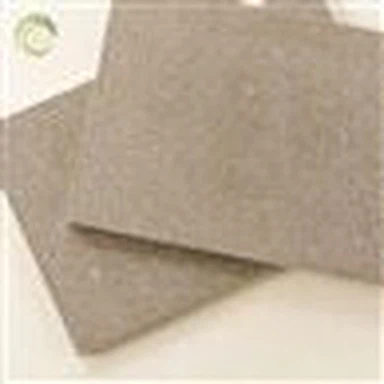
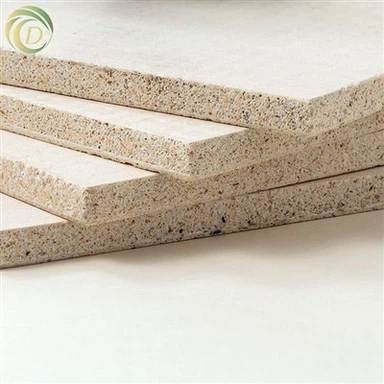
MgO Board Interior Wall Sheathing
As an interior wall sheathing, magnesium oxide board has outstanding comprehensive performance in strength, fire resistance, moisture resistance, and stability. It can adapt to various complex environments and is an ideal choice that combines protection, durability, and environmental friendliness. It is particularly suitable for scenarios with high requirements for safety, durability, and low maintenance.
- Fast Delievery
- Quality Assurance
- 24/7 Customer Service
Product Introduction
MgO board Interior Wall Sheathing
Magnesium oxide wall panels are practical interior wall materials. They shield inner walls effectively, resist fire and dampness, and help walls last much longer.
Advantages of MgO board Interior Wall Sheathing
01 High strength and excellent impact resistance
Magnesium oxide board is made of magnesium-based cement, with glass fiber cloth inside to reinforce it-like a "lightweight reinforced concrete". It's super strong, and can stand daily bumps (like moving furniture or dropping tools) without cracking or denting. Perfect for busy public places, malls, school hallways or factories.
02 Fire resistance and flame retardancy, high safety
It's an inorganic non-combustible material, reaching the highest fire rating (Class A1). When there's a fire, it won't burn, drip or release toxic smoke. It slows down the fire from spreading, giving more time for evacuation and fire fighting. Great for hospitals, equipment rooms and high-rises with strict fire rules.
03 Moisture and water resistance, suitable for humid environments
The core is a stable inorganic structure, and it's added with water repellent, so it doesn't absorb much water. Even in bathrooms, kitchens or basements, it won't soften, deform or split. It protects the wall base well-way better than gypsum or wood boards that get damaged easily in wet places.
04 Dimensional stability, not easy to deform or crack
Since it's inorganic, it's not affected much by temperature or humidity changes. From -20℃ to 60℃, it barely changes size. Even after seasons change or indoor-outdoor temperature differences, it won't warp, shrink or expand. The wall stays flat for a long time, no cracks on the surface.
05 Corrosion and insect resistance, extending wall life
It has no plant fibers and is slightly alkaline, so it resists acid, alkali and salt corrosion (like in labs or chemical workshops). No insects, ants or mold will grow on it. Unlike wood panels (eaten by insects) or gypsum boards (easily corroded), it makes walls last longer and cuts maintenance costs.
06 Environmental friendliness, suitable for indoor environments
It's made of inorganic materials, no formaldehyde, benzene, asbestos or heavy metals. It meets environmental standards, won't release harmful gases, and won't affect indoor air quality. Safe to use in homes, schools, hospitals and other places that need high environmental protection.
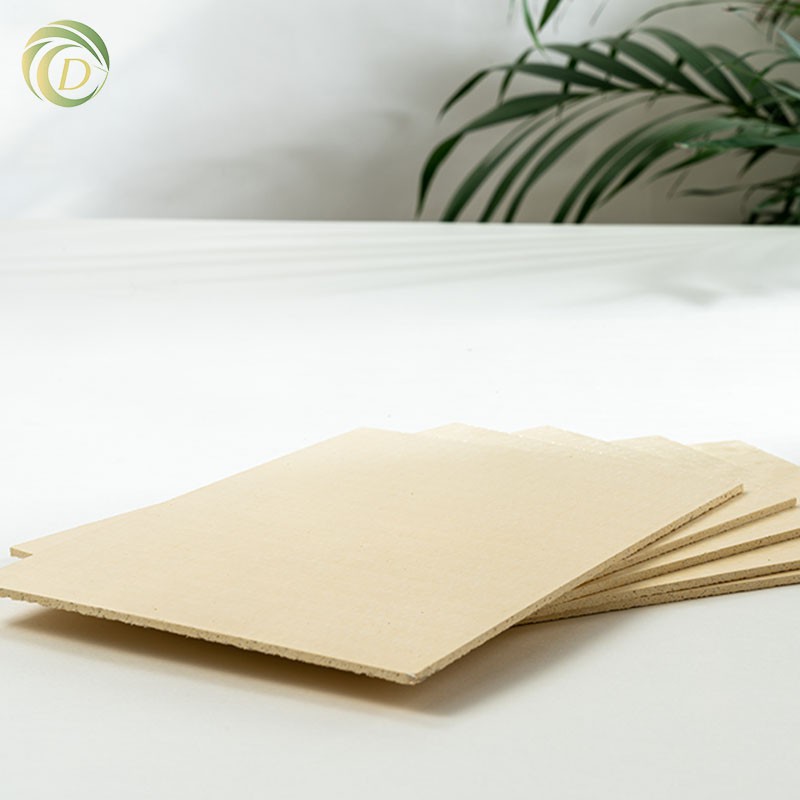


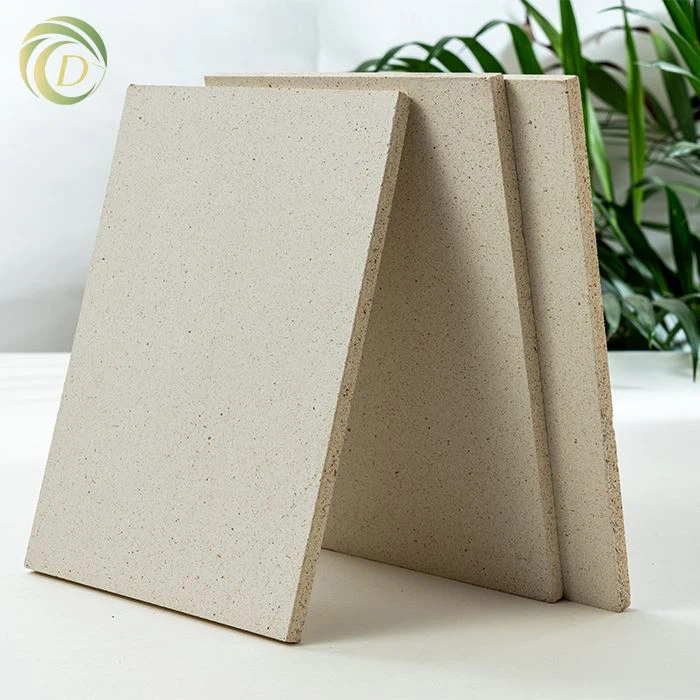
What Are The Main Materials Used In MgO board Interior Wall Sheathing
1. Primary Binder: Magnesium Oxide (MgO)
Derived from calcined magnesite (magnesium carbonate), MgO offers excellent fire resistance, mold resistance, and antimicrobial properties.
Reacts with magnesium chloride or magnesium sulfate solution to form a stable magnesia cement binder system.
2. Activator: Magnesium Chloride (MgCl₂) or Magnesium Sulfate (MgSO₄)
Typically, hexahydrated magnesium chloride (brine) or magnesium sulfate solution is mixed with MgO to form magnesium oxychloride cement (also known as "Sorel cement").
The crystalline phases formed by this reaction (e.g., 5MgO·MgCl₂·8H₂O) provide the board with high early strength and dimensional stability.
3. Reinforcement: Glass Fiber Mesh or Chopped Strands
Alkali-resistant glass fiber mesh or chopped glass fibers are added during board formation to enhance flexural strength, impact resistance, and crack resistance.
The glass fibers act as a "skeleton," preventing cracking due to drying shrinkage.
4. Fillers: Lightweight Aggregates or Mineral Fillers
Common fillers include fly ash, talc powder, silica fume, perlite, vermiculite, or wood fibers.
Used to adjust density, improve workability, reduce cost, and enhance thermal and acoustic insulation.
5. Functional Additives
Waterproofing agents: Such as silanes/siloxanes, to improve water and moisture resistance.
Accelerators/Retarders: To control setting time for better production control.
Anti-efflorescence agents: To prevent "blooming" or moisture absorption (commonly known as "sweating" or "halogen return").
Toughening agents: To improve flexibility and impact resistance.
How Does MgO board Interior Wall Sheathing Differ From Regular Wall Boards
MgO (Magnesium Oxide) board interior wall panels differ significantly from ordinary wall panels (such as gypsum board, plywood, MDF, cement fiberboard, etc.) in terms of material composition, performance characteristics, and application scenarios.
1
Material Composition
|
Feature |
MgO Board Interior Wall Panel |
Ordinary Wall Panels (e.g., Gypsum Board, MDF, etc.) |
|
Main Components |
Magnesium Oxide (MgO) + Magnesium Chloride/Sulfate + Glass Fiber + Mineral Fillers |
Gypsum (CaSO₄·2H₂O), wood fibers, adhesives, cement, etc. |
|
Binder |
Inorganic magnesia cement |
Organic adhesives or gypsum |
|
Reinforcement |
Alkali-resistant glass fiber mesh |
None or minimal fiber |
✅ Advantage of MgO Board: Fully inorganic, free of volatile organic compounds (VOCs), more eco-friendly and stable.
2
Fire Resistance
|
Feature |
MgO Board |
Ordinary Wall Panels |
|
Fire Rating |
Class A1 non-combustible, fire resistance up to 1–3 hours |
Gypsum board is Class A but dehydrates at high temperatures; MDF and plywood are Class B2 (combustible) |
|
High-Temperature Performance |
Does not burn, emits no toxic gases |
Some materials burn, smoke, and release harmful gases |
✅ Advantage of MgO Board: Ideal for high-fire-risk areas such as stairwells, server rooms, and commercial spaces.
3
Moisture and Mold Resistance
|
Feature |
MgO Board |
Ordinary Wall Panels |
|
Moisture Resistance |
Excellent-suitable for damp environments (e.g., bathrooms, basements) |
Gypsum board softens when wet; MDF swells severely upon water absorption |
|
Mold Resistance |
Resists mold and mildew-ideal for humid climates |
Prone to mold growth, affecting health and appearance |
✅ Advantage of MgO Board: Especially suitable for humid regions, bathrooms, kitchens, and basements.
4
Strength and Durability
|
Feature |
MgO Board |
Ordinary Wall Panels |
|
Impact Resistance |
High-reinforced with glass fiber, resistant to bending and cracking |
Lower-prone to damage and cracking |
|
Dimensional Stability |
Good-resists warping and deformation |
Sensitive to temperature and humidity, prone to expansion and shrinkage |
✅ Advantage of MgO Board: More durable, ideal for high-traffic or impact-prone areas like hallways, schools, and hospitals.
5
Environmental and Health Safety
|
Feature |
MgO Board |
Ordinary Wall Panels |
|
Formaldehyde Content |
None-inorganic materials, no adhesives required |
MDF and plywood often contain formaldehyde and other harmful substances |
|
VOC Emissions |
Nearly zero |
Some panels emit volatile organic compounds |
✅ Advantage of MgO Board: Green and healthy, perfect for homes, kindergartens, hospitals, and other health-sensitive environments.
6 Environmental and Health Safety
|
Feature |
MgO Board |
Ordinary Wall Panels |
|
Formaldehyde Content |
None-inorganic materials, no adhesives required |
MDF and plywood often contain formaldehyde and other harmful substances |
|
VOC Emissions |
Nearly zero |
Some panels emit volatile organic compounds |
✅ Advantage of MgO Board: Green and healthy, perfect for homes, kindergartens, hospitals, and other health-sensitive environments.
Can MgO Board Interior Wall Sheathing Be Used As a Partition Wall
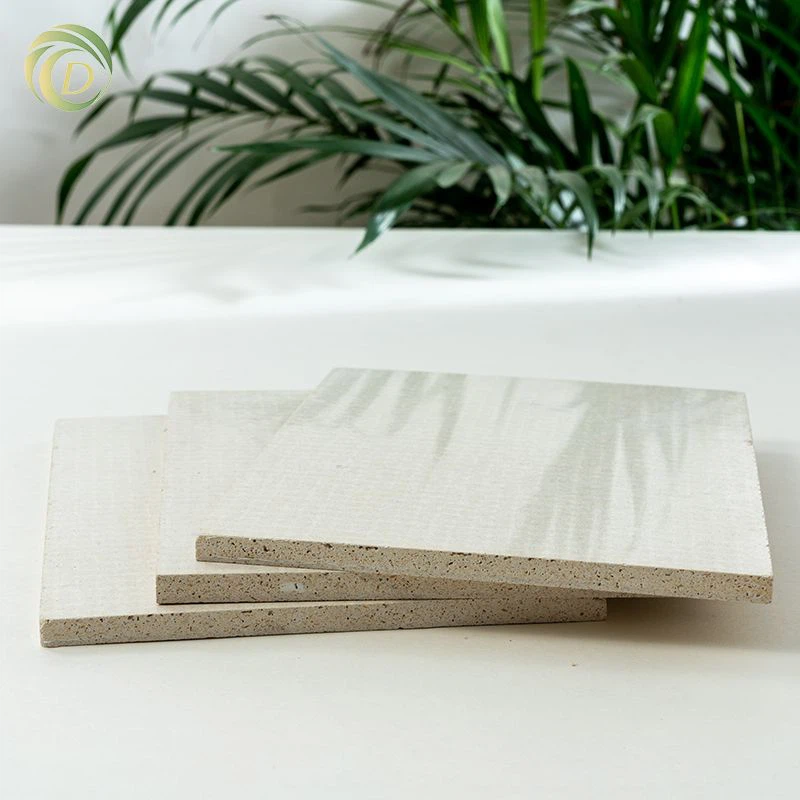

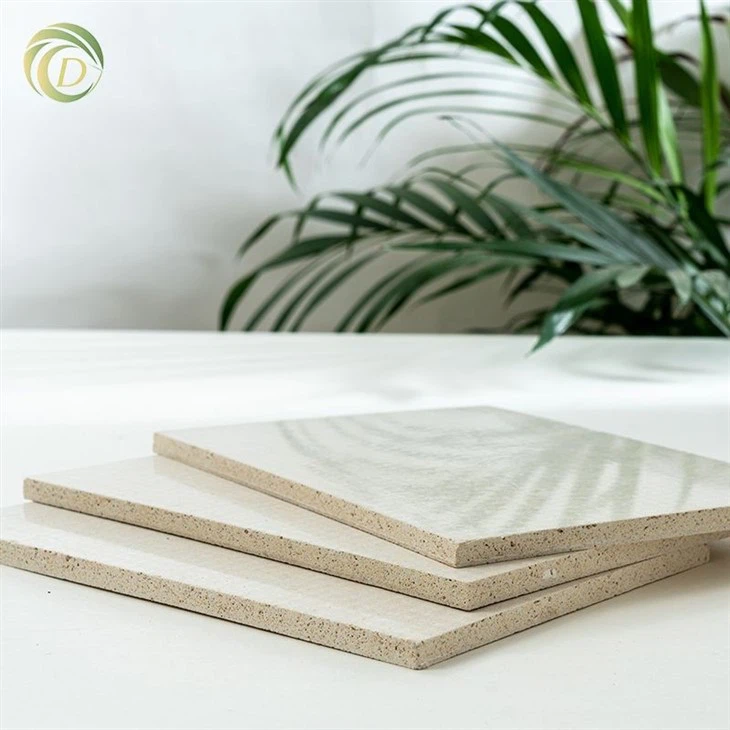

MgO (magnesium oxide) board interior wall sheathing can indeed be used as partition walls and is widely applied in the field of architectural decoration. The feasibility of using it as a partition material mainly stems from its own performance characteristics, which are analyzed in detail from multiple perspectives as follows:
Advantages of using MgO boards as partition walls
Stable physical properties
High strength: MgO boards have certain compressive and flexural properties, which can maintain structural stability as partition walls and are not easily deformed.
Excellent fire resistance: Magnesium oxide itself is non-combustible, and the fire resistance limit can usually reach more than 3 hours, far exceeding that of ordinary gypsum boards. It is suitable for places with high fire protection requirements (such as shopping malls, hotels, and hospitals).
Moisture and water resistance: Compared with traditional gypsum boards, MgO boards are not easily affected by moisture and deformation in humid environments, making them suitable for areas with high humidity such as bathrooms and kitchens (note that moisture-proof products from regular manufacturers should be selected).
Convenient construction
MgO boards are relatively light in weight and can be directly fixed through keels (such as light steel keels and wooden keels). The installation process is simple, and the construction period is short.
The boards can be sawn, nailed, and planed, making it convenient to cut and shape according to design requirements. They are highly compatible with subsequent decorations (such as painting, wallpapering, and tiling).
Environmental protection and durability
High-quality MgO boards mainly use magnesium oxide, magnesium chloride, and water as raw materials, with added auxiliary materials such as plant fibers. They do not contain harmful components like formaldehyde and meet environmental protection requirements.
The material is stable, not easy to age, and has a long service life, which can reduce later maintenance costs.
Is MgO Board Interior Wall Sheathing Resistant To Chemicals And Corrosive Substances
The resistance of MgO (magnesium oxide) board interior wall sheathing to chemicals and corrosive substances depends on its material properties and specific application scenarios. Generally, it has a certain degree of corrosion resistance, but it is not completely resistant to all chemical substances. Here is a detailed explanation:
1. Basic chemical resistance of MgO boards
MgO boards are mainly composed of magnesium oxide (MgO), magnesium chloride (MgCl₂), plant fibers, and other additives. Their base material is alkaline (since magnesium oxide is an alkaline oxide), which determines their resistance to certain chemical substances:
Weakly acidic substances: MgO boards can resist short-term contact with low-concentration acids (such as a small amount of vinegar, carbonated drinks, etc.). The surface is not easily corroded quickly, but long-term or high-concentration contact may cause surface pulverization.
Weakly alkaline substances: Due to their own alkalinity, they have good resistance to weak alkalis (such as soapy water, diluted detergents) and are not prone to chemical reactions.
Neutral substances: They are basically stable to water, alcohol, most neutral cleaning agents, etc., and are generally safe for daily cleaning.
2. Types of chemicals that MgO boards are not resistant to Strongly acidic substances
Strong acids such as hydrochloric acid, sulfuric acid, and nitric acid will react with magnesium oxide in MgO boards (MgO + 2H⁺ → Mg²⁺ + H₂O), causing the surface of the board to corrode, thin, or even suffer structural damage.
Strong oxidizing substances
Substances like potassium permanganate and hydrogen peroxide may oxidize the plant fibers or other organic additives in the board, making the board brittle and discolored.
Substances with high concentrations of chloride ions or other corrosive ions
Although MgO boards contain magnesium chloride during production, excessive external chloride ions (such as some industrial cleaning agents, seawater, etc.) may disrupt the internal chemical balance of the board, exacerbating salt efflorescence (salt precipitation on the surface) or corroding fasteners (such as metal keels).
Organic solvents
Some strong organic solvents (such as toluene and acetone) may dissolve the adhesives or additives in the board, causing delamination and blistering.
3. Precautions in practical use
Avoid long-term contact with corrosive substances
In areas that may come into contact with chemicals, such as laboratories, chemical workshops, and bathrooms (where cleaning agents should not be left for a long time), it is recommended to add additional protection to the surface of MgO boards (such as applying anti-corrosion coatings or pasting anti-corrosion wallpapers).
Clean contaminants promptly
If strong acids, alkalis, or other substances are accidentally spilled, rinse immediately with water to prevent aggravated corrosion due to long-term retention.
Choose special anti-corrosion models
Some manufacturers produce modified MgO boards with anti-corrosion components. Such products can be selected according to specific scenarios (such as partitions in chemical workshops) to enhance corrosion resistance.
Is MgO Board Interior Wall Sheathing Compatible With Different Types Of Finishes
MgO board interior wall sheathing is highly compatible with various types of facing materials, which is one of the important reasons for its wide application in architectural decoration.
Coatings (latex paint, water-based paint, etc.)
Good compatibility: The surface of MgO boards is smooth and uniform, allowing direct painting without complex treatment.
Precautions: If there is salt efflorescence (salt precipitation) or dust on the board surface, it must be cleaned thoroughly and a sealing primer applied first to prevent the later coating from peeling or blistering.
Wallpaper/wall cloth
Wide applicability: Various types of wallpaper or wall cloth, such as paper-based, non-woven, and PVC, can be pasted on the surface of MgO boards using special adhesives.
Key points: Ensure the board surface is dry (moisture content ≤ 10%) and free of oil stains. If necessary, apply putty for leveling first to improve adhesion.
Ceramic tiles/stone
Suitable for humid areas: In kitchens, bathrooms, and other areas where tiles need to be pasted, the moisture resistance of MgO boards makes them an ideal base layer.
Construction requirements: Use tile adhesive (instead of traditional cement mortar) for pasting. For larger tiles (e.g., ≥ 600mm × 600mm), it is recommended to roughen the board surface to enhance adhesion.
Wood veneer/decorative panels
Easy to fix: Wood veneers can be installed on MgO boards by nailing, gluing, or clipping, which is suitable for creating a warm or high-end decorative style.
Precautions: Reserve tiny expansion joints to avoid warping caused by temperature or humidity changes.
Metal finishes
Strong adaptability: Metal panels (such as aluminum panels and stainless steel panels) can be fixed on the surface of MgO boards via keels or adhesives, suitable for modern industrial-style designs.
Protective measures: If the metal finish is in direct contact with the board, ensure the compatibility of the two materials (e.g., prevent metal corrosion from contaminating the board).
How Does MgO Board Interior Wall Sheathing Work
As an interior building substrate, MgO (magnesium oxide) board interior wall sheathing "functions" primarily based on its own material properties, structural design, and synergy with building systems. It fulfills the decorative and performance requirements of interior walls by providing protection, support, and functional optimization. This can be understood in the following aspects:
1. Core functions as a wall base layer
Providing stable structural support
MgO boards have a certain degree of strength and rigidity. When combined with keel frames (such as light steel keels or wooden keels), they form a complete partition or wall base structure. Their role is similar to a "protective layer over the skeleton"-they can fix their own position while providing a flat, solid attachment base for subsequent facing materials (coatings, wallpaper, ceramic tiles, etc.), preventing issues like 凹陷 or deformation on the wall surface.
Barrier and protective effects
Physical barrier: As interior wall sheathing, MgO boards can separate different spaces (e.g., rooms and corridors), forming independent functional areas. They also reduce the direct transmission of sound, temperature, etc., between spaces (sound insulation can be enhanced when used with soundproof cotton and other materials).
Fire protection: Due to the non-combustible nature of magnesium oxide itself, MgO boards can delay the spread of fire in case of a fire, buying time for escape and fire fighting. Their fire resistance limit usually reaches more than 3 hours, far superior to ordinary gypsum boards.
Moisture protection: Compared with traditional gypsum boards, MgO boards are less likely to absorb water and deform in humid environments, reducing problems such as mold growth and facing detachment caused by wall moisture. They are especially suitable for areas like bathrooms and kitchens.
2. Synergy with building systems
Adapting to keel frames
MgO boards are fixed to keels with screws, nails, etc., forming a composite wall structure of "keels + boards". The keels are responsible for overall load-bearing and stability, while the MgO boards act as facing materials to enclose the frame. Together, they resist external forces (such as impact and wind pressure) to ensure the integrity of the wall structure.
Compatible with pipeline and equipment installation
The interior of the wall sheathing (the cavity between keels) can hide water and electricity pipelines, ventilation ducts, etc. The sawable and drillable nature of MgO boards makes it easy to reserve holes or slots during construction to meet pipeline laying needs without damaging the overall structure.
3. Internal mechanisms for performance optimization
Role of chemical stability
The main components of MgO boards (magnesium oxide and magnesium chloride) form a stable chemical crystal structure, making them less prone to expansion, contraction, or decomposition when temperature and humidity change. This maintains dimensional stability and reduces wall cracking caused by material deformation.
Manifestation of environmental protection and durability
High-quality MgO boards do not contain harmful components such as formaldehyde. As interior wall sheathing, they can reduce indoor air pollution and ensure living health. At the same time, they have strong anti-aging properties, can withstand friction and collision in daily use for a long time, extend the service life of the wall, and reduce maintenance costs.
4. Summary
The essence of how MgO board interior wall sheathing "works" is: through its own physical properties (strength, fire resistance, moisture resistance) and chemical stability, combined with structural components such as keels, it forms a wall base layer with support, protection, and functional adaptability. It not only meets the basic needs of space separation and decorative attachment but also improves the safety and durability of the indoor environment by optimizing performance such as fire and moisture resistance. Its working efficiency and effect largely depend on the matching degree of material quality, installation technology, and usage scenarios.
Our Factory
We are a company dedicated to magnesia cement products. Our main products are Magnesium Oxide Boards(MGO Board) for construction and laminated MgO boards for furniture and renovation. Our mission is to provide the world's construction markets with environmentally friendly, high-performance and sustainable green materials.

FAQ
Q: How resistant is MgO board to chemicals and corrosive substances?
A: It has certain resistance to weak acids, weak alkalis, and neutral substances (such as soapy water and clean water), but is not resistant to strong acids, strong alkalis, strong oxidants, and some organic solvents (such as hydrochloric acid and acetone). Long-term contact may cause corrosion damage, requiring timely cleaning or additional protection.
Q: Which facing materials are compatible with MgO board?
A: It has wide compatibility and can be adapted to coatings, wallpaper, ceramic tiles, wood veneers, metal finishes, etc. It is necessary to ensure the board surface is flat and clean, select special adhesives according to the type of facing, and choose appropriate materials based on the environment (such as humidity).
Q: What is the core role of MgO board as interior wall sheathing?
A: It mainly serves as a wall base layer, providing structural support (forming a stable wall in collaboration with keels), physical barriers (separating spaces and assisting in sound insulation), protective functions (fire and moisture resistance), while adapting to pipeline installation and subsequent facing construction.
Q: When using MgO boards, how to avoid problems such as salt efflorescence and corrosion of keels?
A: Choose regular products (with controlled raw material ratios) and ensure the boards are dry during installation; reserve expansion joints at joints to avoid moisture accumulation; metal keels can be treated with anti-corrosion measures to reduce reactions with chloride ions in the boards.
Q: Is MgO board suitable for humid environments (such as bathrooms)?
A: Yes, but moisture-proof products should be selected. During construction, waterproof coatings must be applied to avoid long-term immersion of the boards in water. When tiling, it is recommended to use tile adhesive and roughen the surface to enhance adhesion.
Q: What is the fire resistance of MgO board?
A: It has excellent fire resistance. Magnesium oxide itself is non-combustible, and the fire resistance limit usually reaches more than 3 hours, far higher than ordinary gypsum boards, making it suitable for places with high fire protection requirements (such as shopping malls and hotels).
Q: What are the key construction points when installing MgO boards?
A: Keels should be of appropriate specifications (e.g., light steel keels with a thickness of ≥0.6mm) and fixed firmly; boards can be sawn and nailed, with joints processed smoothly and reserved expansion joints; select fixing methods (adhesive or keel reinforcement) according to the weight of the facing to ensure long-term stability.
Hot Tags: mgo board interior wall sheathing, China mgo board interior wall sheathing manufacturers, suppliers, factory, vinyl flooring board, engineered wood substitute, rigid board, magnesia wall board, insulating wall board of magnesium oxide, magnesia wall board for interior