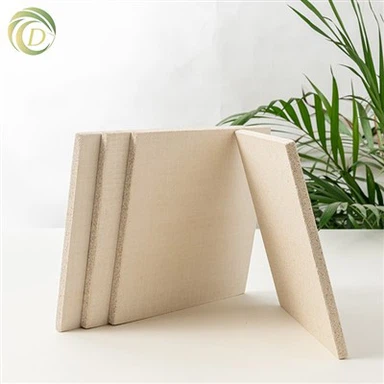
Magnesium Oxide Boards MGO Fireproof Panels For Ceilings
Magnesium Oxide Board (MGO Board) is an innovative modern building material, ideal for projects requiring high safety, health standards, and durability. Despite the higher initial cost, its long-term value is exceptional, making it the preferred choice for high-quality construction.
- Fast Delievery
- Quality Assurance
- 24/7 Customer Service
Product Introduction
Magnesium Oxide Boards MGO Fireproof Panels for Ceilings
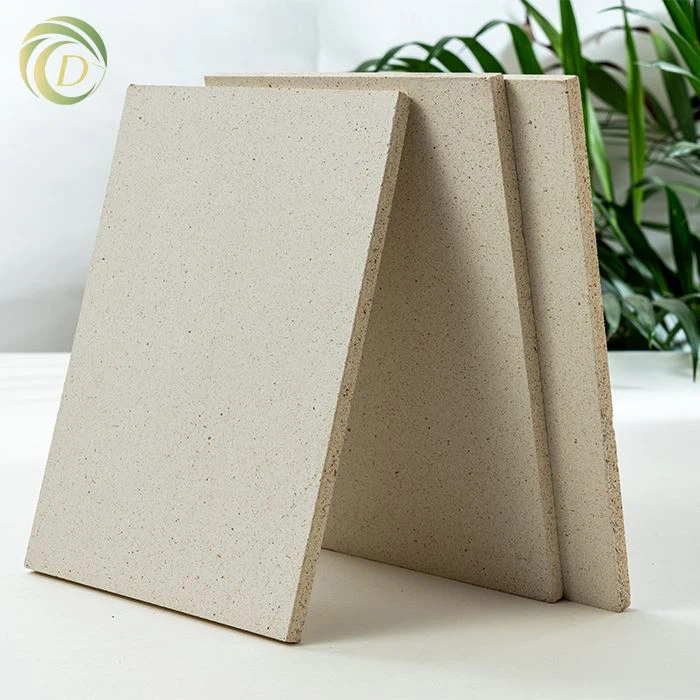
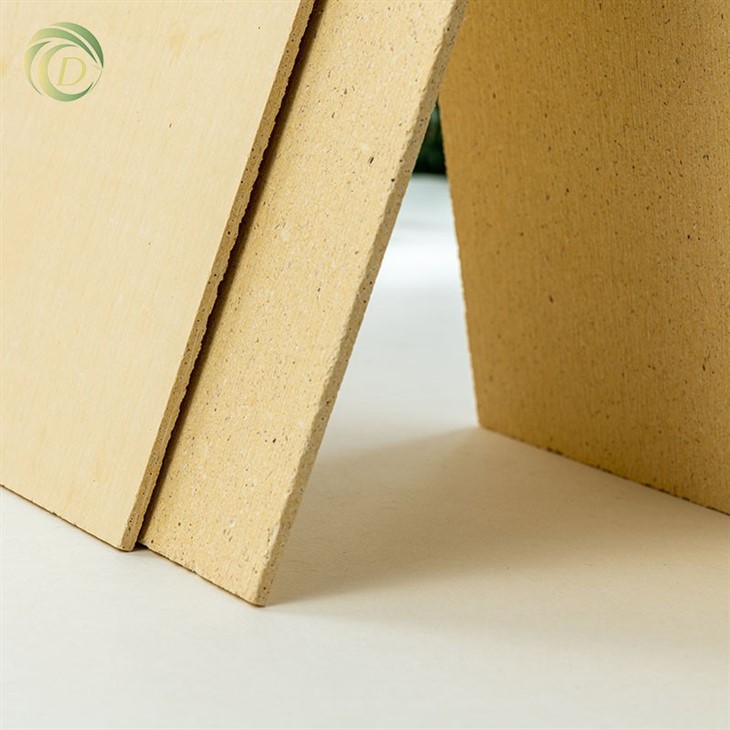
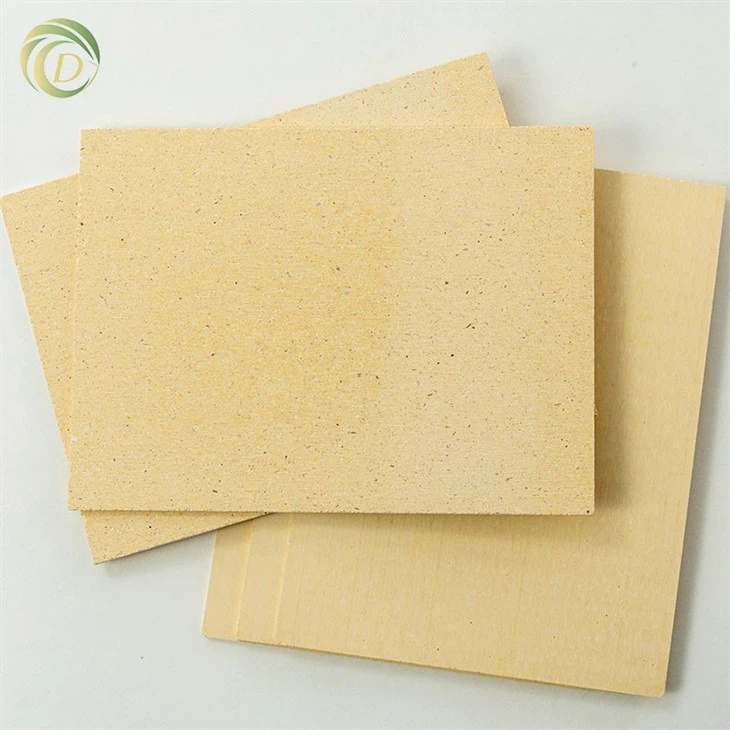
Magnesium Oxide Board (MGO Board), also known as Glass Magnesium Board or Magnesium Board, is a composite building material with magnesium oxide (MgO) as the core raw material. It is composed of activated high-purity magnesium oxide, magnesium chloride (MgCl₂) or magnesium sulfate (MgSO₄), alkali-resistant glass fiber cloth, plant fibers, lightweight perlite, and polymer additives.
Advantage of Magnesium Oxide Boards MGO Fireproof Panels for Ceilings
1. Fire Resistance
A1-Class Non-Combustible: Does not burn, support combustion, or spread flames (complies with the highest fire safety standard).
Withstands 800℃ high temperature for 2-3 hours while maintaining structural integrity.
Releases water vapor when exposed to fire to inhibit flame spread, with no toxic smoke emission.
2. Moisture & Water Resistance
Non-absorbent and impermeable; no deformation or swelling in humid environments.
Ideal for kitchens, bathrooms, basements, and other damp areas (prevents mold growth).
3. High Strength & Durability
Flexural strength reaches 12-18MPa (2-3 times that of ordinary gypsum board).
High impact resistance, no easy deformation or cracking; service life exceeds 50 years.
Aging-resistant, corrosion-resistant, and unaffected by termites or insect infestation.
4. Environmental Friendliness & Health Safety
Asbestos-free, formaldehyde-free, and radiation-free (non-toxic and harmless).
Low production energy consumption: CO₂ emissions are only about 45% of concrete (≈340kg/ton vs. 750kg/ton).
100% recyclable, aligning with green building concepts.
5. Other Outstanding Features
Excellent Sound Insulation: 40+ decibels of sound insulation effect, effectively blocking noise transmission.
Good Thermal Insulation: Reduces energy consumption and saves air conditioning/heating costs.
Dimensional Stability: Minimal deformation or warping due to temperature and humidity changes.
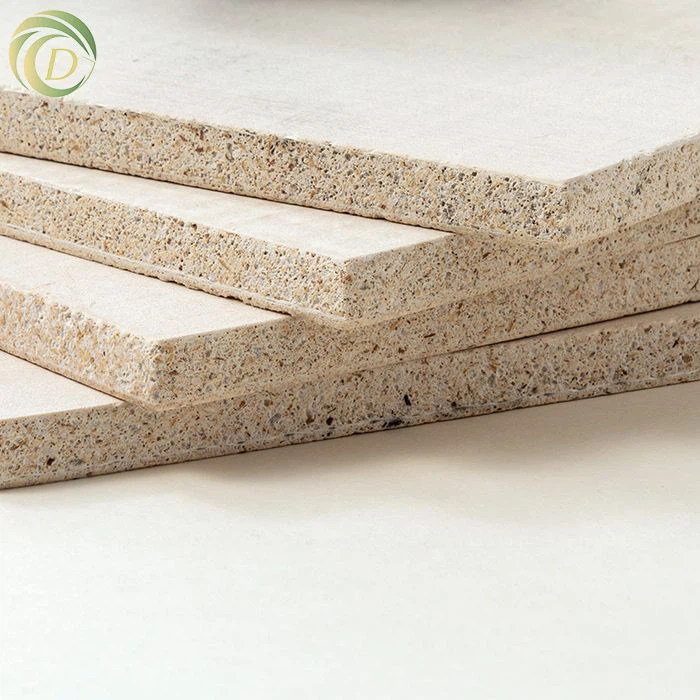
Magnesium oxide wall board is a technologically advanced building material that offers superior performance in every category when compared to traditional wood, gypsum and cement based products.
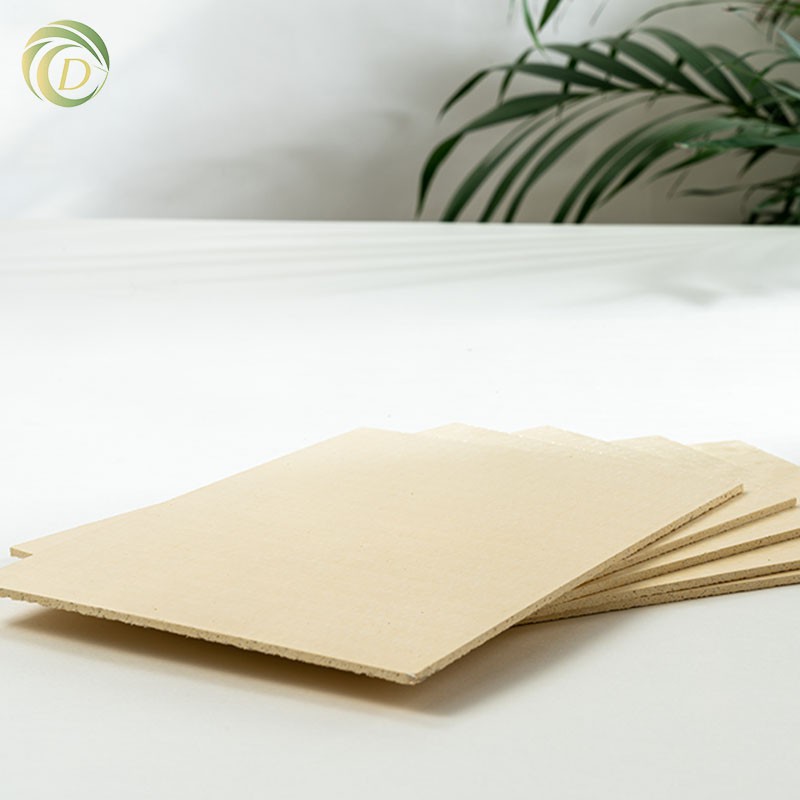
Magnesium Oxide Wall Panels are cementitious substrate products reinforced with magnesium oxide fibre matting.

Fire resistant magnesium oxide wallboard is a new type of refractory material. It is widely used primarily as a wallboard alternative to conventional gypsum-based drywall and plywood.

It is non combustible and fire rated Class A1. With options for up to a 2 hour fire resistance, MgO Board offers an innovative passive fire protection alternative for your construction projects.

MgO board has very good fire performance. It does not spread flames or smoke. It is noncombustible and fire-rated A1, which helps protect homeowners, tenants and building occupants while mitigating damage and loss.

Magnesium oxide wall board is made of magnesium oxide, magnesium sulfate or magnesium chloride, glass fiber mesh, perlite and wood fiber.
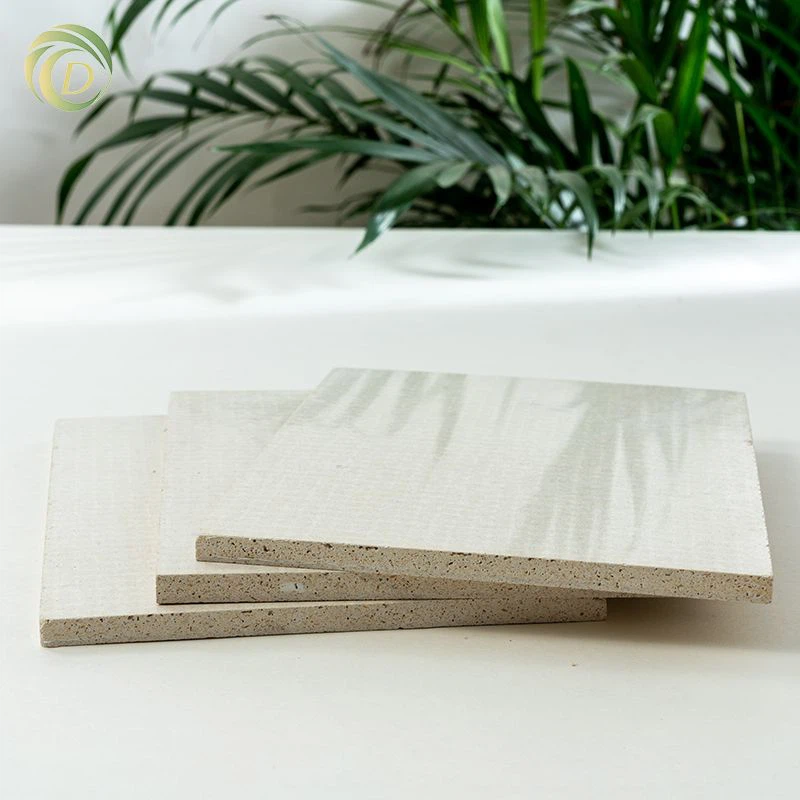
It is an upgraded product of fireboard. A properly constructed assembly with our MgO fireproof wall board can achieve a 3-hour fireproof rating.

Fire Resistant Internal Wall Board
Our Fire Resistant Internal Wall Board is a fiberglass reinforced magnesium oxide cement board. It can be used to replace traditional gypsum drywall for wall and ceiling finishes and sheathing.
Fireproof Exterior Wall Panels
Magnesium oxide board is a new type of fire-resistant building material. The main raw materials are magnesium oxide, magnesium chloride/sulfate and perlite.
Jinan Fandeng New Material Co.,Ltd.
We are a company dedicated to magnesia cement products. Our main products are Magnesium Oxide Boards (MGO Board) for construction and laminated MgO boards with for furniture and renovation. Our mission is to provide the world's construction markets with environmentally friendly, high-performance and sustainable green materials.
We work with China Magnesium Materials Association (CMMA) and Magnesium Oxide Association (MOCA) in North America to raise awareness and promote the use of magnesium oxide cement products. We focus on the quality control and consistency of the MGO products. We have been actively involved in developing American Society for Testing and Materials (ASTM) standards related with MGO products.
Why Choose US
-
A1-Class Non-Combustible & Water Absorption <1%: Dual compliance with fire and moisture resistance standards, outperforming Gypsum Board's B1-Class flame retardancy and moisture vulnerability. Ideal for high-demand scenarios, building a solid safety barrier for your projects.
-
12-18MPa Flexural Strength & 50+ Year Service Life: 2-3 times stronger and 3-5 times more durable than Gypsum Board. Impact-resistant and crack-proof, with zero frequent maintenance costs for long-term use.
-
Formaldehyde-Free, Asbestos-Free & Radiation-Free: Low production energy consumption and 100% recyclable, avoiding the environmental hazards of Gypsum Board. Aligns with green building and healthy living requirements.
-
Certified by CE/ASTM & Other International Standards: Selected raw materials + full-process quality inspection, ensuring high dimensional accuracy and stable, controllable quality that exceeds industry average standards.
-
Multi-Thickness (3-25mm) & Custom Sizes Available: Provide professional installation guidance and technical solutions, suitable for diverse scenarios including commercial, residential, and industrial projects.
-
Foreign Trade-Exclusive Services: Timely quoting, compliant documentation, logistics tracking, and 24/7 after-sales response. A hassle-free full-cycle service to support the efficient implementation of your overseas projects.
Manufacturing Process of Magnesium Oxide Boards MGO Fireproof Panels for Ceilings

-
Magnesium Oxide (MgO): Melting point up to 2800℃, providing excellent fire resistance and heat resistance (core functional material).
-
Magnesium Chloride/Magnesium Sulfate: Acts as a cementitious material, reacting with MgO to form a stable magnesium-based gel.
-
Glass Fiber Cloth: Reinforcing material that enhances flexural strength, impact resistance, and prevents cracking.
-
Perlite: Lightweight filler that reduces board weight and improves thermal insulation performance.
Standard Sizes:
Common Dimensions: 1220×2440mm (4×8 feet), with optional 1200×2400mm.
Thickness Range: 3-25mm (5-6mm for ceilings; 8-12mm for partition walls; 15-20mm for flooring).
Physical Parameters Table:
|
Parameter |
Value |
Remarks |
|---|---|---|
|
Density |
1000-1300kg/m³ |
Approximately 30% lighter than cement boards |
|
Flexural Strength |
12-18MPa |
Far exceeding ordinary gypsum boards |
|
Water Absorption Rate |
<1% |
Almost non-absorbent |
|
Fire Rating |
A1-Class (Non-Combustible) |
Highest fire safety grade |
|
Thermal Conductivity |
0.18-0.22W/m·K |
Excellent thermal insulation performance |
|
Sound Insulation Capacity |
>40dB |
Superior to conventional building materials |
Source: Product Specifications of Multiple MGO Board Manufacturers
Application Scenarios
1. Commercial Buildings
Office buildings, shopping malls, hotels, hospitals, schools, libraries, museums, theaters, gymnasiums.
Data centers, computer rooms, control rooms (high demand for fire and moisture resistance).
Public areas such as corridors, elevator lobbies, and stairwells (require high safety).
2. Residential Buildings
Ceilings for living rooms, bedrooms, kitchens, and bathrooms (moisture and mold prevention).
Basement and garage ceilings (resistant to humid environments).
Fire partitions and firewalls (provide safety protection).
3. Industrial & Special Venues
Factory workshops and warehouses (moisture-resistant, fireproof, and durable).
Clean rooms and laboratories (smooth surface for easy cleaning, mold-resistant).
Modular buildings and temporary structures (lightweight, high-strength, and easy to install).
Comparison with Traditional Materials
vs. Gypsum Board
|
Feature |
Magnesium Oxide Board (MGO) |
Gypsum Board |
Advantageous Side |
|---|---|---|---|
|
Fire Resistance |
A1-Class non-combustible, withstands 800℃ high temperature |
B1-Class flame-retardant, decomposes at high temperature |
MGO |
|
Moisture Resistance |
Almost non-absorbent, no mold growth |
Absorbent, prone to deformation and mold |
MGO |
|
Strength |
High flexural/impact resistance, no easy cracking |
Low strength, prone to damage |
MGO |
|
Durability |
50+ years, almost maintenance-free |
10-15 years, requires regular maintenance |
MGO |
|
Sound/Thermal Insulation |
Excellent (40+dB) |
Average (30-35dB) |
MGO |
|
Environmental Friendliness |
Formaldehyde-free, recyclable |
Contains chemical additives, hard to recycle |
MGO |
|
Installation Ease |
Requires professional tools, secure fixation |
Lightweight and easy to install, needs moisture protection |
Context-dependent |
|
Initial Cost |
Higher |
Lower |
Gypsum Board |
|
Long-Term Cost |
Lower (less maintenance, longer lifespan) |
Higher (frequent replacement) |
MGO |
Source: Building Materials Comparative Analysis Report
vs. Cement Board
Weight: MGO Board is lighter (≈1000kg/m³ vs. 1800-2200kg/m³ for cement boards), facilitating transportation and installation.
Processability: Easier to cut with less tool wear; can be processed with ordinary woodworking tools.
Water Resistance: Similar performance, but MGO Board offers better stability in long-term humid environments.
Environmental Friendliness: Lower production energy consumption and CO₂ emissions, meeting green building standards.
Installation Methods & Precautions
1. Preparation
Tool List: Tape measure, chalk line, utility knife, straightedge, electric saw (carbide blade), screwdriver, hammer, safety gear (goggles, mask).
Material Preparation: MGO Board, rust-resistant screws (316 stainless steel is preferred), washers, sealant, joint tape, putty.
Substrate Treatment: Ensure the ceiling structure is firm, flat, dry, clean, and free of oil or dust.
2. Installation Steps
① Measurement & Cutting
Accurately measure the ceiling dimensions, plan board layout, and reserve 5-8mm expansion joints.
Cut thin boards (≤6mm) with a straightedge and utility knife; use an electric saw for thick boards (>6mm) to ensure straight cuts.
Wear a dust mask during cutting to avoid inhaling magnesium oxide dust.
② Board Fixation
Start installation from the center of the room and expand outward to reduce stress concentration.
Use rust-resistant screws with a spacing of 200-250mm; keep screws ≥12mm from board edges and ≥50mm from corners.
Drive screws perpendicular to the board surface, ensuring tight fixation without over-tightening (to prevent cracking).
③ Joint Treatment
Leave 3-5mm gaps between boards and fill with elastic sealant or special joint compound.
Cover joints with glass fiber mesh tape and apply special putty for a smooth surface.
Additional waterproofing (e.g., waterproof glue) is required for humid areas.
3. Key Precautions
Expansion Space: MGO Board expands slightly with temperature/humidity changes; expansion joints are mandatory (especially for large-area installations).
Fastener Selection: Avoid ordinary iron nails (prone to rust); use 316 stainless steel screws or corrosion-resistant special screws.
Board Protection: Prevent scratches or impacts from sharp objects during installation.
Dust Protection: Cutting dust irritates the respiratory system; ensure ventilation and wear protective gear.
Maintenance & Care Tips
Daily Cleaning: Wipe with a damp cloth (no special cleaners needed); avoid strong acids or alkalis.
Regular Inspection: Check annually for cracks or deformation, especially at edges and joints.
Waterproof Maintenance: For humid areas (bathrooms/kitchens), inspect waterproof sealing every 2-3 years and reapply sealant if necessary.
Repair Methods: Patch small damages with cut-to-size MGO Board; replace entire boards for large damages (reserve expansion gaps between new and old boards).
Comprehensive Analysis of Core Differences Between Magnesium Oxide Board (MGO Board) and Gypsum Board
As commonly used building materials, magnesium oxide board (MGO Board/Glass Magnesium Board) and gypsum board have significant differences in performance, application scenarios, and cost, rooted in their raw material compositions and production processes. Below is a detailed comparison from four core dimensions-key performance, application scenarios, installation & maintenance, and cost-effectiveness-to help distinguish their differences accurately and efficiently:
Comparison of Core Performance (Most Critical Differences)
|
Comparison Dimension |
Magnesium Oxide Board (MGO Board) |
Gypsum Board (Ordinary Paper-Faced Gypsum Board) |
Key Conclusion |
|---|---|---|---|
|
Fire Rating |
A1-Class Non-Combustible (Highest Grade)- Melting point of 2800℃; withstands 800℃ high temperature for 2-3 hours- Does not burn, support combustion, or spread flames; no toxic smoke emission- Maintains structural integrity to block fire spread |
B1-Class Flame-Retardant (Medium Grade)- Decomposes, softens, and collapses at high temperatures (≥150℃)- Does not actively burn but may assist combustion and release small amounts of harmful gases- Short fire resistance duration (usually within 30 minutes) |
MGO Board significantly outperforms gypsum board in fire safety, ideal for scenarios with high fire protection requirements |
|
Moisture & Water Resistance |
Excellent (Water Absorption Rate <1%)- Non-absorbent and impermeable; no deformation or swelling in humid environments- Suitable for damp areas such as kitchens, bathrooms, and basements- Prevents mold growth |
Poor (Water Absorption Rate ≥20%)- Easily absorbs water, softens, deforms, and molds- Only applicable to dry indoor environments (e.g., bedrooms, living rooms)- Requires additional moisture-proof treatment (e.g., waterproof paint) in humid areas to avoid damage |
MGO Board is the only viable option for humid environments; gypsum board's moisture resistance is irreplaceable |
|
Strength & Durability |
High Strength & Durability- Flexural strength: 12-18MPa (2-3 times that of ordinary gypsum board)- High impact resistance; not prone to deformation or cracking; service life exceeds 50 years- Aging-resistant, corrosion-resistant, and termite/insect-proof |
Low Strength & Easily Damaged- Flexural strength: only 4-6MPa; prone to breakage and cracking- Service life: 10-15 years; requires regular maintenance and replacement- Susceptible to termite infestation and moisture erosion |
MGO Board offers superior long-term stability and lower maintenance costs compared to gypsum board |
|
Environmental Friendliness & Health Safety |
Asbestos-free, Formaldehyde-free, Radiation-free- Made of natural mineral raw materials and plant fibers; non-toxic and harmless- Low production energy consumption: CO₂ emissions are only 60% of gypsum board- 100% recyclable |
Contains Chemical Additives- Low-cost products may have excessive formaldehyde (residues from adhesives)- High energy consumption during production; difficult to recycle- Some old-fashioned gypsum boards contain asbestos (gradually phased out) |
MGO Board better aligns with green building and healthy living needs, with no environmental hazards |
|
Sound & Thermal Insulation |
Excellent- Sound insulation capacity: >40dB, effectively blocking noise transmission- Thermal conductivity: 0.18-0.22W/m·K, providing good thermal insulation |
Average- Sound insulation capacity: 30-35dB; limited soundproofing effect (requires additional sound insulation layer)- Thermal conductivity: 0.3-0.4W/m·K, weak thermal insulation performance |
MGO Board has advantages in acoustics and energy efficiency |
|
Dimensional Stability |
High- Minimal deformation or warping due to temperature and humidity changes- Only small expansion joints (5-8mm) need to be reserved |
Poor- Prone to expansion, contraction, and warping with temperature/humidity changes- Frequent expansion joints required for large-area installations to avoid cracking |
MGO Board maintains flatness more easily after construction, reducing later maintenance |
Comparison of Application Scenarios (Precise Demand Matching)
Application Scenarios for Magnesium Oxide Board (MGO Board)
-
High Fire Protection Requirements: Shopping malls, hotels, hospitals, schools, theaters, gymnasiums, data centers, stairwells, firewalls
-
Humid Environments: Bathrooms, kitchens, basements, garages, swimming pools, coastal buildings (salt spray corrosion-resistant)
-
High Durability Requirements: Industrial workshops, warehouses, modular buildings, temporary structures (long service life, maintenance-free)
-
Health & Environmental Requirements: High-end residences, kindergartens, nursing homes, clean rooms, laboratories (formaldehyde-free, mold-free)
Application Scenarios for Gypsum Board
-
Dry Indoor Environments: Bedrooms, living rooms, studies of ordinary residences (dry, no special fire/moisture requirements)
-
Low-Cost Renovation: Rental properties, temporary offices (low initial investment, short-term use)
-
Decorative Needs: Ceiling designs, accent walls (easy to process into complex shapes; requires fire/moisture protection treatment)
Comparison of Installation & Maintenance (Reducing Usage Costs)
|
Comparison Dimension |
Magnesium Oxide Board (MGO Board) |
Gypsum Board |
|---|---|---|
|
Installation Difficulty |
Medium- Requires special tools (electric saw with carbide blade) for cutting- Must use 316 stainless steel screws (corrosion-resistant)- Joint treatment requires elastic sealant (enhanced waterproofing) |
Simple- Lightweight and easy to cut (utility knife suffices)- Can be fixed with ordinary self-tapping screws- Simple joint treatment (putty + joint tape) |
|
Maintenance Frequency |
Low- Annual inspection is sufficient; almost maintenance-free- Reapply sealant every 2-3 years for humid areas |
High- Inspection and repair required every 1-2 years (cracks, deformation)- Prone to mold in humid environments; requires regular replacement- Frequent putty touch-ups and repainting for long-term use |
|
Maintenance Cost |
Low- Small damages can be locally repaired; large-area damages require full-board replacement (low replacement frequency) |
High- Easily damaged with high replacement frequency- Cumulative costs from repeated maintenance are significant |
Comparison of Cost-Effectiveness (Long-Term Value is Key)
|
Comparison Dimension |
Magnesium Oxide Board (MGO Board) |
Gypsum Board |
|---|---|---|
|
Initial Unit Price |
Higher (2-3 times that of gypsum board)- Example: 5mm MGO Board: ≈$11-17/㎡- Example: 5mm Gypsum Board: ≈$4-7/㎡ |
Lower |
|
Installation Cost |
Slightly Higher (requires professional construction teams and special materials) |
Lower (ordinary construction teams suffice) |
|
Long-Term Total Cost |
Low- 50+ year service life with minimal maintenance costs- No additional costs for fire/moisture protection- No frequent replacement expenses |
High- 10-15 year service life; requires 2-3 replacements over the long term- Additional moisture-proof treatment costs for humid areas- High cumulative maintenance expenses |
|
Cost-Effectiveness Conclusion |
High long-term cost-effectiveness (suitable for long-term use and high-demand projects) |
High short-term cost-effectiveness (suitable for short-term use and low-cost projects) |
Summary of Core Differences (Quick Decision Guide)
|
Comparison Dimension |
Magnesium Oxide Board (MGO Board) |
Gypsum Board |
|---|---|---|
|
Core Positioning |
High-end functional board (fireproof, waterproof, durable, eco-friendly) |
Basic decorative board (low-cost, easy to process) |
|
Key Advantages |
A1-Class fire resistance, moisture/water resistance, high strength, long service life, eco-friendliness |
Low price, easy installation, flexible decorative shaping |
|
Main Disadvantages |
Higher initial investment, professional tools required for installation |
Poor fire/moisture resistance, low strength, short service life, easy damage |
|
Target Customers |
Projects prioritizing safety, health, and long-term use (commercial/high-end residential) |
Projects prioritizing low cost and short-term use (rental properties/temporary buildings) |
FAQ
Hot Tags: magnesium oxide boards mgo fireproof panels for ceilings, China magnesium oxide boards mgo fireproof panels for ceilings manufacturers, suppliers, factory, anti fungal mgo ceiling board, ceiling board made of magnesium oxide, colored mgo ceiling board, fireproof mgo ceiling board, small size mgo ceiling board, water repellent mgo ceiling board