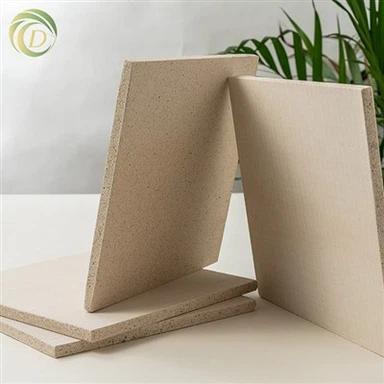
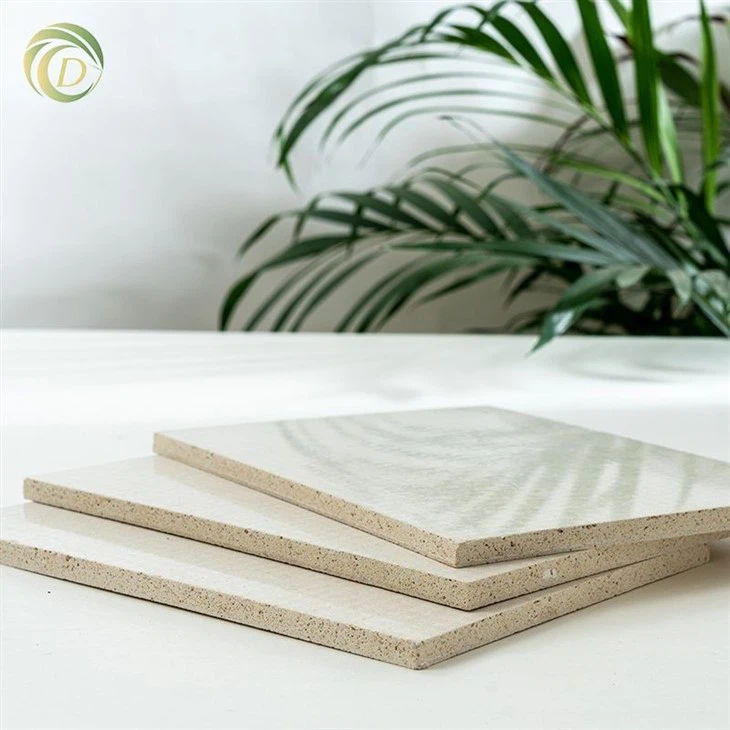
Fireproof Magnesium Oxide Panel MGO Board For Underlayment Subfloor
The quality and stability of MGO boards as underlayment/subfloor materials essentially rely on full-process control of "qualified raw materials + standardized processes + strict inspection + proper installation." By choosing manufacturers with mature production experience, comprehensive quality control systems, and authoritative certifications (e.g., our 15 years of expertise in MGO board production, certified by ISO, ASTM, EN, etc.), and strictly following installation and storage requirements, you can ensure the boards maintain core performance such as fire resistance, moisture resistance, crack resistance, and load-bearing capacity in long-term use, meeting the application needs of residential, commercial, industrial, and other scenarios.
- Fast Delievery
- Quality Assurance
- 24/7 Customer Service
Product Introduction
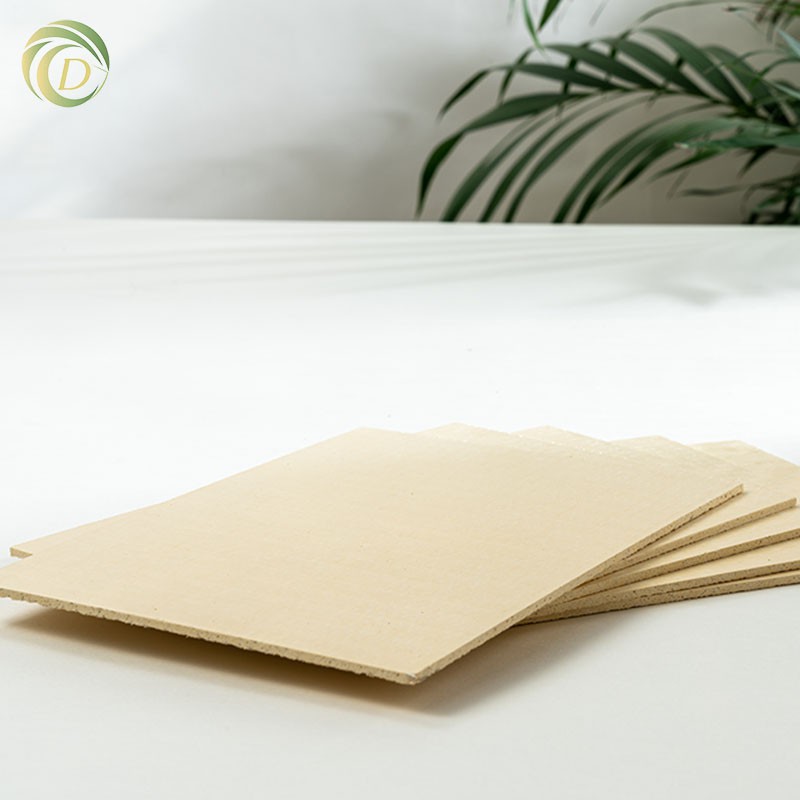
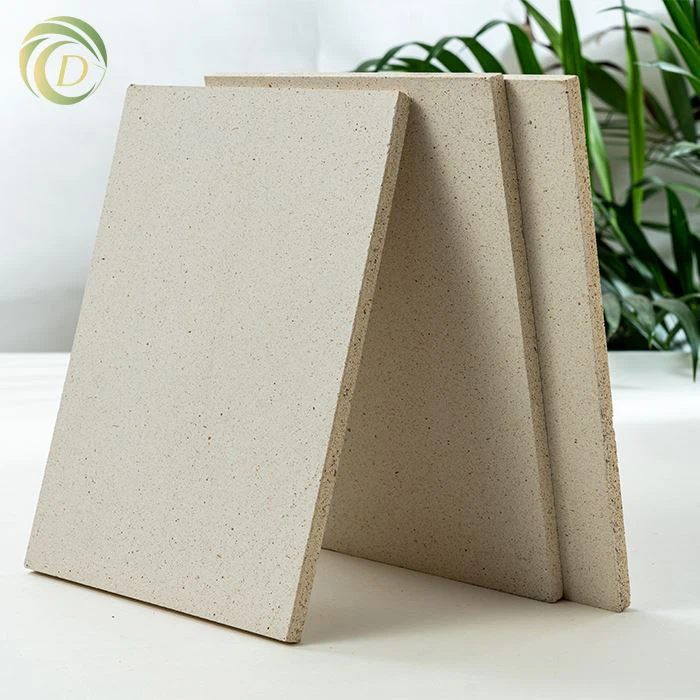
Fireproof Magnesium Oxide Panel MGO Board for underlayment subfloor
Our Fireproof Magnesium Oxide (MGO) Board is a premium underlayment/subfloor material engineered for residential, commercial, and industrial flooring systems. Composed of high-purity magnesium oxide (MgO), reinforced fiberglass mesh, and food-grade magnesium chloride, it delivers exceptional fire resistance, moisture resistance, and structural stability-addressing the core pain points of traditional underlayment materials (e.g., plywood, particleboard, cement board).
Designed as a foundational layer beneath finished flooring (hardwood, laminate, vinyl, tile, carpet), this MGO board ensures even load distribution, prevents warping/cracking, and enhances the longevity of your flooring system. It is non-toxic, formaldehyde-free, and compliant with global building standards, making it a safe and sustainable choice for modern construction.
Advantages of Fireproof Magnesium Oxide Panel MGO Board for underlayment subfloor
Superior Fire Resistance (A1-Class Non-Combustible)
Rated A1 (GB 8624) / Class A (ASTM E84) / Euroclass A1-non-combustible, does not emit toxic fumes or spread flames.
Maintains structural integrity at temperatures up to 1200°C (2192°F), providing critical fire protection for flooring systems and reducing fire hazards in buildings.
Ideal for fire-rated spaces (e.g., hotels, hospitals, schools, high-rises) where safety compliance is mandatory.
Exceptional Moisture & Mold Resistance
Hydrophilic MgO hydration structure prevents water absorption (water absorption rate ≤ 10% after 24-hour immersion).
Resists mold, mildew, and rot-eliminating the risk of floor warping, odors, or structural damage caused by moisture (common in basements, bathrooms, kitchens, or humid climates).
Suitable for both interior and semi-exterior underlayment applications (e.g., covered porches, basements with moisture issues).
High Structural Stability & Load-Bearing Capacity
Density: 1.2–1.5 g/cm³, providing excellent compressive strength (≥ 25 MPa) and flexural strength (≥ 4 MPa).
Low shrinkage rate (≤ 0.3%)-no warping, cracking, or deformation even in extreme temperature fluctuations (-40°C to 80°C).
Effectively distributes loads from finished flooring and foot traffic, protecting the subfloor structure and extending flooring lifespan.
Eco-Friendly & Healthy
Formaldehyde-free, VOC-free, and asbestos-free-meets E0-Class (GB/T 18580) and CARB P2 emission standards.
Made from natural, abundant minerals (MgO) with low carbon footprint-recyclable and environmentally sustainable.
Safe for indoor use, ideal for family homes, schools, and healthcare facilities.
Easy Installation & Versatility
Lightweight (6–12 kg/m² for 6–12mm thickness) compared to cement board, reducing labor and transportation costs.
Easy to cut, drill, and fasten with standard tools (no special equipment needed).
Compatible with all finished flooring types: hardwood, laminate, SPC/WPC vinyl, ceramic tile, carpet, and engineered flooring.
Can be installed over wood joists, concrete slabs, or steel framing-adapts to various construction scenarios.
Longevity & Low Maintenance
Resists corrosion, insect infestation (termites, rodents), and chemical degradation.
No need for regular maintenance or replacement-service life exceeds 30 years under normal use conditions.
Reduces long-term building operating costs compared to traditional underlayment materials.


Why Choose Us
1. Rigorous Raw Material Selection System
Carefully selected high-purity magnesium oxide and eco-friendly additives, establishing a full-chain traceability mechanism from mine to finished product to ensure substrate compliance with construction safety standards.
2. Mature Production Process
Utilizing industry-leading automated production lines and standardized curing processes, with precise temperature and humidity control systems to guarantee panel stability.
3. Scenario Adaptation Capability
Offering differentiated product series including fireproof, moisture-resistant, and soundproof solutions, supporting customized thickness and surface treatment options to meet diverse engineering requirements.
4. Supply Chain Assurance
Supported by self-owned production bases and strategic logistics partnerships, establishing regionalized warehousing systems to ensure delivery efficiency and emergency response capabilities.
5. Technical Service Support
Equipped with professional construction guidance teams, providing full-cycle technical consulting services from product selection to installation acceptance.
6. Sustainable Development Commitment
Practicing green manufacturing principles, with products certified for environmental compliance and establishing a recycled panel recovery system to help clients achieve ESG goals.
Application Scenarios of Fireproof Magnesium Oxide Panel MGO Board for underlayment subfloor
- Residential Buildings: Basements, bedrooms, living rooms, kitchens, bathrooms, balconies.
- Commercial Buildings: Hotels, offices, shopping malls, restaurants, schools, hospitals.
- Industrial Buildings: Factories, warehouses, workshops (especially fire-sensitive or high-moisture areas).
- Special Projects: Fire-rated rooms, soundproof floors, modular buildings, prefabricated houses.
How to Ensure the Quality and Stability of Fireproof Magnesium Oxide (MGO) Board for Underlayment/Subfloor?
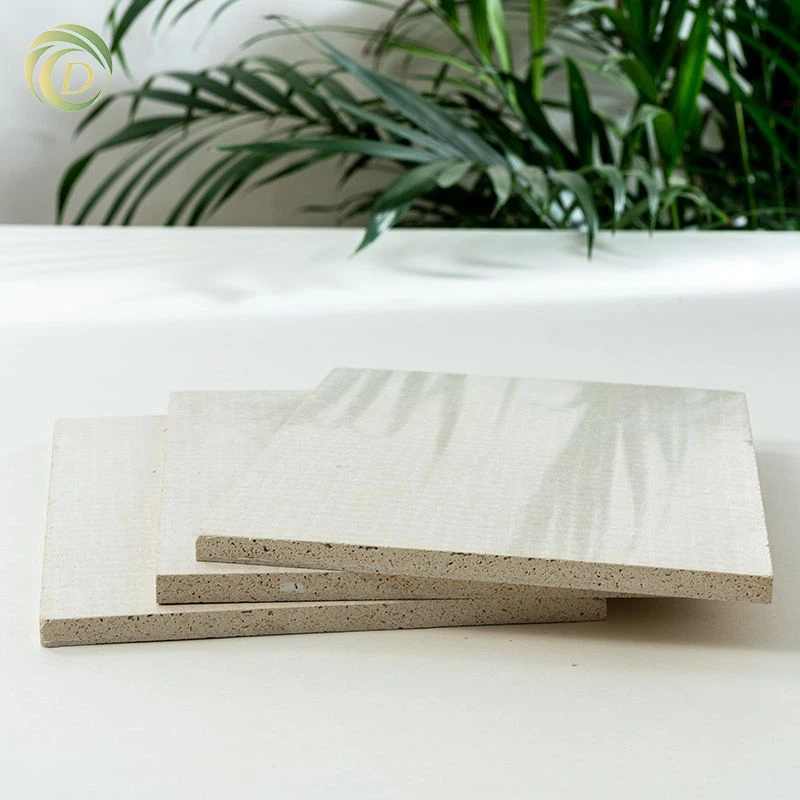


Guaranteeing the quality and stability of fireproof magnesium oxide (MGO) boards as underlayment/subfloor materials requires full-process control across five core links: raw material management, standardized production processes, strict quality inspection, proper installation, and scientific transportation/storage. Combined with product compliance certifications and after-sales technical support, this forms a closed-loop management system. Below are specific implementation measures, covering both manufacturer-side production and customer-side application quality assurance:
Raw Materials: Source Control for Core Component Quality (Critical for Manufacturers)
The performance stability of MGO boards directly depends on the purity and proportion of raw materials. A rigorous supplier screening and incoming inspection system must be established:
1. Quality Standards for Core Components
Magnesium Oxide (MgO): Use high-purity (≥92%) light-burned MgO with an active content (CaO+MgO) of ≥85% to ensure sufficient hydration reaction, enhancing board strength and fire resistance. Avoid low-purity MgO (containing excessive impurities such as SiO₂ and Fe₂O₃) to prevent 后期 chalking and cracking.
Magnesium Chloride (MgCl₂): Adopt food-grade or industrial-grade MgCl₂ with a purity of ≥46% and impurity content (Na⁺, K⁺) ≤0.5% to prevent salt precipitation causing moisture regain and efflorescence, which impairs moisture resistance.
Reinforcement Material: Use alkali-free fiberglass mesh with high tensile strength (≥800 MPa) and grammage ≥160 g/㎡, ensuring uniform distribution on the upper and lower surfaces of the board to improve flexural strength and crack resistance; avoid recycled fiberglass mesh or low-strength fibers.
Additives: Select environmentally friendly waterproofing agents (e.g., organosilane) and anti-cracking agents (e.g., polypropylene fibers), strictly controlling the addition ratio (0.3%-1.0%) to enhance moisture resistance without affecting structural stability.
2. Incoming Inspection Process
Test key indicators (MgO purity, MgCl₂ impurity content, fiberglass mesh tensile strength) in the laboratory for each batch of incoming raw materials; only qualified materials are allowed to enter the warehouse.
Establish supplier files, prioritize ISO 9001-certified suppliers, and conduct quarterly quality audits to eliminate unqualified suppliers.
Production Processes: Standardized Procedures for Structural Stability (Core for Manufacturers)
The sufficiency of hydration reaction, structural density, and shrinkage control of MGO boards are critical to stability, which must be achieved through automated production and strict process parameter control:
1. Precise Proportioning and Mixing
Adopt computerized automatic batching systems to strictly follow scientific ratios (MgO:MgCl₂:water = 1:0.3-0.4:0.25-0.35, adjusted according to climate) to avoid performance fluctuations caused by manual proportioning errors.
Control mixing time at 3-5 minutes to ensure uniform and smooth slurry without agglomeration, enabling full integration of fiberglass mesh with the slurry to improve board integrity.
2. High-Pressure Molding and Forming Control
Use hydraulic continuous forming machines with pressure controlled at 15-20 MPa to ensure uniform board density (1.2-1.5 g/cm³) and avoid insufficient strength due to local looseness.
Strictly control board thickness tolerance (±0.3 mm) and surface flatness (≤0.5 mm/m) during forming to ensure smooth joints and uniform stress during subsequent installation.
3. Standard Curing Process (Key Link)
Adopt "constant temperature and humidity curing": control the curing room temperature at 20-25℃ and humidity at 60%-70% for ≥7 days to ensure sufficient hydration reaction between MgO and MgCl₂, generating stable 5·1·8 phase (Mg₅(OH)₂(AlO₂)₂·4H₂O) and reducing later shrinkage deformation.
Conduct natural air-drying for ≥3 days after curing to reduce board moisture content to 8%-12% (standard range) and avoid moisture regain and mold growth after installation.
4. Cutting and Edge Treatment
Use CNC cutting machines to ensure precise board dimensions (±2 mm) with burr-free and chip-free edges.
Apply moisture-proof sealing treatment (special waterproof paint) to edges, especially for boards used in humid environments (basements, bathrooms), to enhance edge moisture resistance.
Quality Inspection: Multi-Dimensional Testing for Compliance (Manufacturer + Third-Party)
Each batch of products must undergo factory inspection and third-party certification, covering core performance indicators to ensure quality control:
1. Mandatory Factory Inspection Items (100% Sampling)
| Inspection Item | Standard Requirement | Test Method |
|---|---|---|
| Fire Rating | Class A1 (GB 8624) / Class A (ASTM E84) | Vertical Burning Test (non-combustibility and smoke density) |
| Water Absorption (24h) | ≤10% | Immersion Test (calculate water absorption ratio) |
| Compressive Strength | ≥25 MPa | Compression Testing Machine (average value) |
| Flexural Strength | ≥4 MPa | Flexural Testing Machine (span ratio 1:10) |
| Shrinkage Rate | ≤0.3% | Measure dimensional change after 28-day curing in standard environment |
| Formaldehyde Emission | ≤0.124 mg/m³ (E0-Class) | Climate Chamber Method (GB/T 18580) |
| Surface Flatness | ≤0.5 mm/m | Straightedge + Feeler Gauge Measurement |
2. Third-Party Authoritative Certification
Regularly send samples to third-party laboratories such as SGS and Intertek for testing in compliance with international standards (ASTM C1288, EN 13501, AS/NZS 3959) and obtain corresponding fire, environmental, and strength certifications.
The factory holds ISO 9001 Quality Management System Certification and ISO 14001 Environmental Management System Certification to ensure compliance with production processes.
3. Batch Traceability System
Mark each batch of products with a production lot number, linking raw material batches, production process parameters, and test reports to achieve quality traceability.
Customers can query corresponding test reports using the lot number to verify product quality.
Installation and Construction: Standardized Operation to Avoid Later Risks (Customer Application)
Even with qualified products, improper installation can lead to stability issues (e.g., cracking, deformation). Strictly follow the installation guidelines:
1. Substrate Preparation (Prerequisite)
The substrate (concrete slab/wooden joist) must be flat (flatness ≤3 mm/m), clean, and dry (concrete moisture content ≤8%, wooden joist moisture content ≤12%).
For humid environments (basements, bathrooms), lay a moisture barrier (e.g., PE film) to prevent moisture penetration from the substrate to the MGO board.
2. Standardized Board Laying
Leave expansion gaps: 3-5 mm between the board and walls/columns, and 1-2 mm between boards to avoid cracking due to thermal expansion and contraction.
Stagger joints: Stagger joints of adjacent rows of boards (similar to bricklaying) and avoid aligned joints to enhance overall structural stability.
Laying direction: Lay along the floor load-bearing direction to ensure uniform stress distribution.
3. Fastener Selection and Fixing
Use galvanized or stainless steel screws (corrosion-resistant) with specifications of 4.2×25 mm (for 6-10 mm thick boards).
Screw spacing: 150-200 mm at edges and 300 mm in the middle; sink screw heads 0.5-1 mm below the board surface (without damaging the fiberglass mesh) to avoid loosening.
4. Joint Treatment
Dry areas: Fill joints with special joint compound.
Humid areas: First fill joints with joint compound, then apply waterproof sealant to enhance moisture resistance.
5. Avoid Improper Operations
Do not install boards with moisture content >12%.
Do not use ordinary iron nails (prone to rust) for fixing.
Do not cut heavy objects directly on the board or subject it to severe impact to avoid structural damage.
Transportation and Storage: Moisture and Damage Protection (Full Chain)
1. Transportation Protection
Adopt waterproof packaging (plastic film + corrugated paper) to avoid moisture damage during transportation.
Transport boards vertically with a stacking height ≤1.2 m to prevent deformation from excessive pressure.
Ensure transportation vehicles are clean, dry, and free of corrosive substances.
2. Storage Requirements
Store in a dry, well-ventilated, and rainproof warehouse, away from water sources and damp walls (distance ≥50 cm).
Stack boards horizontally on wooden sleepers (height ≥10 cm) to prevent moisture penetration from the ground.
Limit stacking height to ≤1.5 m, placing a wooden sleeper every 5 layers to distribute pressure.
Storage period ≤3 months to avoid moisture content changes due to long-term storage.
After-Sales and Technical Support: Long-Term Stability Guarantee (Manufacturer)
1. Quality Warranty Commitment
Provide a 5-10 year quality warranty (for issues such as cracking, deformation, and failure of fire/moisture resistance under normal use conditions), offering free repair or replacement during the warranty period.
Clarify the warranty scope, excluding problems caused by improper installation or unauthorized use.
2. Technical Support
Provide detailed installation guides and video tutorials; dispatch technical personnel for on-site installation guidance if necessary.
Offer a 24/7 after-sales consultation hotline to promptly address stability issues encountered by customers (e.g., moisture regain, cracking treatment).
3. Customer Feedback and Improvement
Establish a customer feedback mechanism to collect stability data of products in practical applications.
Regularly optimize production processes (e.g., adjust proportions, improve curing processes) to continuously enhance product quality
Our Factory
We are a trusted provider of high-performance, sustainable building materials, focused on magnesium oxide (MGO)-based solutions.
Our core product - MGO Boards - offers fire resistance, lightweight with high strength, moisture and mold resistance, and lasting durability, making it ideal for a wide range of architectural and decorative applications.
We collaborate with leading industry associations, including the China Magnesium & Materials Association (CMMA), where we serve as the Chair of the International Exchange Committee, as well as the Magnesium Oxide Building Products Association (MgOBPA) and the Magnesium Oxide Cement Association (MOCA).
Guided by our commitment to innovation and sustainability, we provide high-performance materials that support the future of green construction.

FAQ
Q: Can this MGO board be used as a subfloor over concrete slabs?
Q: Is it compatible with radiant heating systems?
Q: How does it compare to plywood underlayment?
Q: What is the maximum load it can bear?
Q: How compatible is it with finishing materials like tiles and wooden floors?
Q: Does it require frequent maintenance after installation?
Q: Does it contain harmful substances like formaldehyde, making it suitable for sensitive scenarios such as residences?
Q: What advantages does it have over traditional base materials (e.g., wood boards, cement boards)?
Hot Tags: fireproof magnesium oxide panel mgo board for underlayment subfloor, China fireproof magnesium oxide panel mgo board for underlayment subfloor manufacturers, suppliers, factory, Fire Rated Subfloor, floating flooring, hotel flooring, moisture proof flooring, porcelain flooring, tile flooring