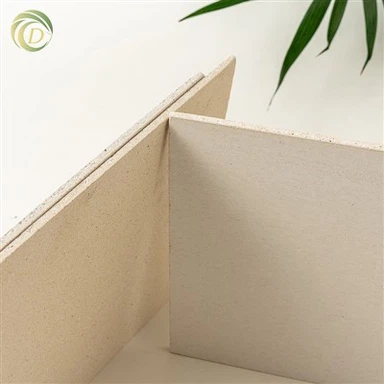
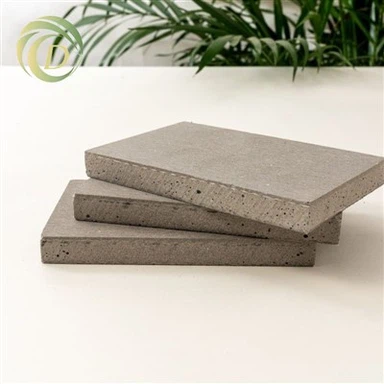
Fire Resistant Magnesium Oxide Subfloor Board
As a new generation of inorganic composite substrate materials, Fire-Resistant Magnesium Oxide Base Flooring completely solves the safety hazards and usage pain points of traditional base flooring materials with core advantages of Class A1 fire resistance, ENF-grade environmental protection, full-scene waterproofing, super high load-bearing capacity, and stability. It is suitable for residential, commercial, public buildings, and industrial special fields, combining efficient construction and long-term durability. It not only meets the strict requirements of modern buildings for safety, environmental protection, and efficiency but also reduces project construction costs and later maintenance costs, having become the preferred base solution for floor paving systems.
- Fast Delievery
- Quality Assurance
- 24/7 Customer Service
Product Introduction
What Is Fire Resistant Magnesium Oxide Subfloor Board
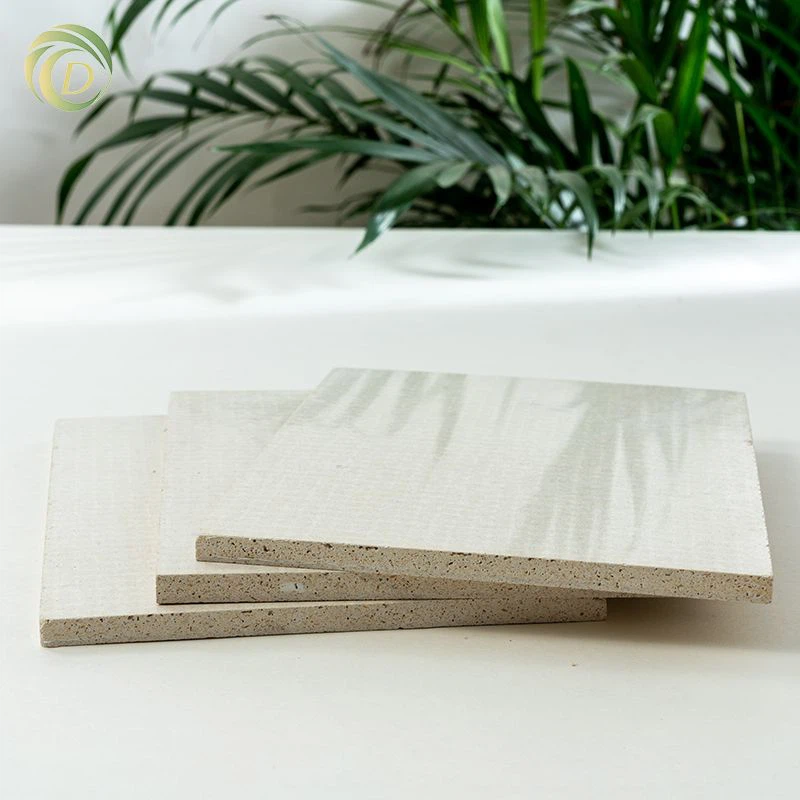
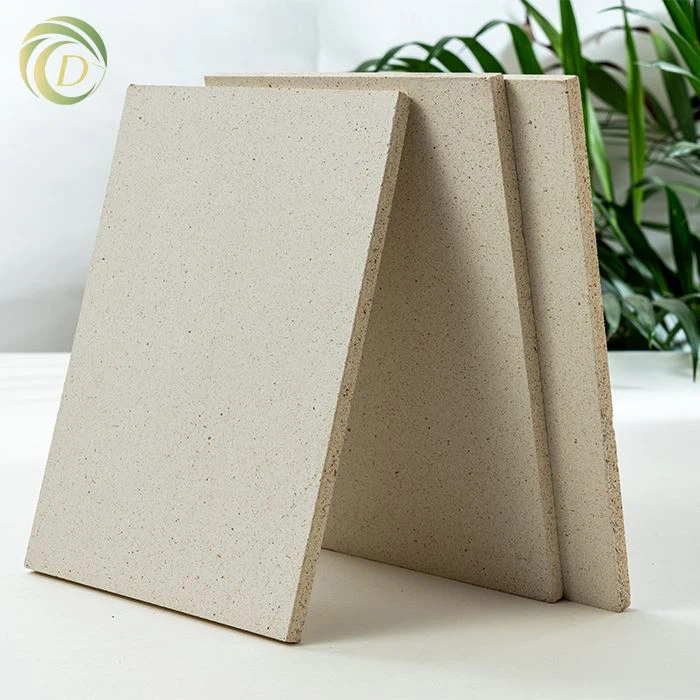
Fire-Resistant Magnesium Oxide SubFlooring (referred to as MgO Base Flooring) is an inorganic composite substrate made of magnesium oxide (MgO) and magnesium chloride (MgCl₂) as the core cementitious system, reinforced with glass fiber mesh, high-quality perlite, wood flour, and other filling materials, through high-pressure molding and constant-temperature curing. As the "foundational layer" of the floor paving system, it is directly laid on the floor slab or ground cushion. Its core functions include substrate leveling, load distribution, fire insulation, and moisture barrier, providing a flat, stable, and safe supporting base for surface decorative materials such as wood flooring, SPC flooring, and ceramic tiles. It is widely suitable for the underlying structural needs of various building floors.
Advantages of Fire Resistant Magnesium Oxide Subfloor Board
With a high density of 0.8-1.25g/cm³, flexural strength ≥16MPa, and compressive strength ≥35MPa, it can bear a uniform load ≥3.0kN/m², far exceeding ordinary cement substrates (≥2.5kN/m²). It can stably support high foot traffic and heavy-load scenarios in commercial spaces (e.g., shopping malls, office buildings); the thermal expansion coefficient is as low as 7×10⁻⁶/°C, with no warping or cracking in the extreme temperature range of -30°C~90°C, effectively preventing surface flooring from bulging or cracking due to substrate deformation.
The surface flatness error ≤0.3mm/m, no additional leveling process required, and surface flooring can be directly laid or waterproof coating can be applied; the weight of the board is only 55% of the cement substrate (about 15kg/㎡ for 12mm thickness), which is easy to carry and cut (ordinary electric saw can be used), greatly reducing construction intensity; it supports various laying methods such as "full laying, spot laying, and strip laying", adapting to different surface construction processes such as wood flooring lock installation and ceramic tile bonding installation.
Wear-resistant, impact-resistant, and acid-alkali corrosion-resistant (can withstand common industrial chemicals), with a service life of more than 30 years, 3 times that of wood-based base flooring; no regular maintenance required, and no additional costs for mold, deformation, or maintenance in the later period; the bulk purchase price is the same as that of high-quality cement substrates, and the construction efficiency is increased by 30%, with overall cost-effectiveness far exceeding traditional base materials.
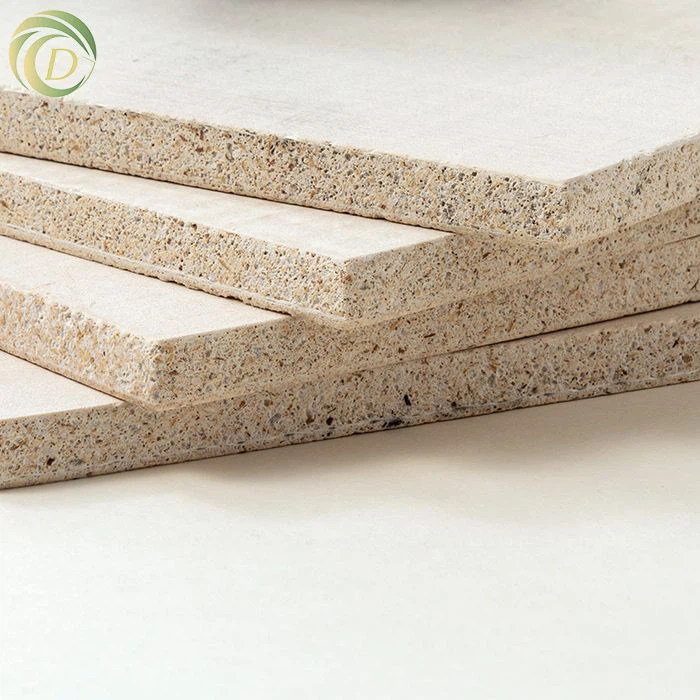
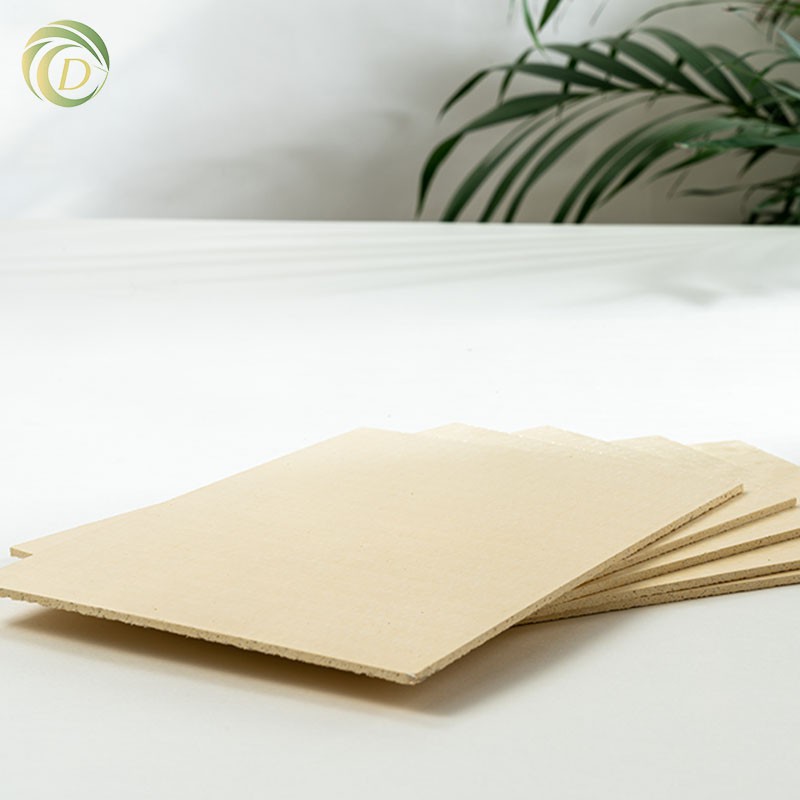




Why Choose Us
10+ Years of Industry Experience, Direct Supply from Source Factory
Dual Certification of EU CE/ISO, Strict Quality Control
Independent R&D Formula, Enhanced Fire & Moisture Resistance
Flexible Customization, Support On-Demand Adjustment of Specifications/Thickness
Daily Capacity of 50,000㎡, Sufficient Stock & Fast Delivery
National Logistics Coverage + 24/7 After-Sales Response
What Is Fire Resistant Magnesium Oxide Subfloor Board Used for
1. Basic Definition & Composition
- Fire-Resistant Magnesium Oxide Flooring (MGO Flooring), also known as magnesium oxychloride flooring, is a new type of inorganic composite flooring. It is formulated from a ternary system of magnesium oxide (MgO), magnesium chloride (MgCl₂), and water, enhanced with glass fiber mesh, wood flour, perlite, and other reinforcing materials, manufactured through specialized processes.
- Core Components & Functions:
- Magnesium Oxide (MgO): Delivers core strength and fire resistance. With a melting point of up to 2800°C, it boasts stable chemical properties, remaining non-combustible and non-degradable at high temperatures.
- Magnesium Chloride (MgCl₂): Acts as a binder to firmly bond all components.
- Reinforcing Materials: Glass fiber mesh improves flexural strength; wood flour/perlite reduces weight and enhances thermal insulation.
2. Superior Fire Resistance Performance
2-1. Fire Rating & Standards
Chinese Standard: GB8624 Class A2 (non-combustible material), exceeding the B1 class (flame-retardant) of traditional flooring.
International Standards: European EN13501-1 Class A2fl or A1; US ASTM E84 Standard with zero flame spread.
2-2. Fire Resistance Mechanism
Non-Combustibility: As an inorganic substance, magnesium oxide does not burn or support combustion. When exposed to fire, it only melts without releasing flammable gases.
Thermal Stability: Its high melting point (2800°C) maintains structural stability during fires, effectively blocking heat transfer.
Smoke Suppression & Toxicity Reduction: Functions like an "adsorption filter" during combustion, capturing incompletely burned carbon particles to reduce smoke by over 90%. Smoke toxicity reaches AQ2 level (extremely low toxicity).
2-3. Fire Resistance Duration
Standard thickness (9-12mm) provides a 60-120 minute fire resistance rating, meeting building fire compartment requirements.
Special configurations can achieve 2-4 hours, far surpassing ordinary flooring and most building materials.
| Parameter Name | Range of Value | Direction |
|---|---|---|
| Thickness | 8-25mm(Regular 10/12/15mm) | 8-10mm suitable for residential use; 12-15mm suitable for commercial purposes; 18-25mm suitable for industrial heavy loads |
| Standard Size | 1200×2400mm,1200×3000mm | Customizable maximum size: 3660×1220mm |
| Density | 0.8-1.3g/cm³ | The higher the density, the greater the load-bearing capacity and stability. |
| Flexural Strength | ≥16MPa | GB/T 7019-2014 Standard testing |
| Compressive Strength | ≥35MPa | Meet the commercial heavy-load ground transportation demands |
| Impact Strength | ≥3.0kJ/m² | Resist construction and daily impacts |
| Fire Rating | GB8624 A1 Grade(EN13501-1 A1 Grade) | Non-combustible materials, no flame propagation |
| Fire Resistance Limit | ≥150 mins(12mm) | For every 2mm increase in thickness, the fire resistance limit increases by 15-20 minutes. |
| Water Absorption Rate | <0.2% | GB/T 17657-2013 Standard testing |
| Formaldehyde Emission | ≤0.025mg/m³(ENF Level) | GB/T 39600-2021 Standard |
| Thermal Expansion Coefficient | 7×10⁻⁶/°C | -30°C~90°C Test environment |
| Flatness Error | ≤0.3mm/m | Directly compatible with surface pavement |
Application Scenarios of Fire Resistant Magnesium Oxide Subfloor Board
1. Residential Buildings
Whole-space base paving such as living rooms, bedrooms, kitchens, bathrooms, basements, and balconies; especially suitable for first-floor residences and houses in damp areas, solving the problem of moisture regain and mold in traditional bases; compatible with underfloor heating systems (thermal conductivity 0.22W/m·K, uniform heat dissipation).
2. Commercial space
Hotels, office buildings, shopping malls, supermarkets, restaurants, gyms, etc.; high load-bearing capacity and stability adapt to high foot traffic and heavy-load requirements, and fire performance meets the fire codes of commercial buildings; efficient construction does not affect the commercial opening schedule.


3. Public buildings
Schools, hospitals, libraries, museums, subway stations, airports, theaters, etc.; Class A1 fire resistance and low-smoke non-toxic characteristics ensure the safety of densely populated places, and environmental protection and formaldehyde-free adapt to sensitive groups (students, patients).
4. Industry and Specialized Fields
Industrial plants, laboratories, data centers, prefabricated buildings, ships, rail transit carriages, etc.; corrosion resistance, fire resistance, and stability adapt to special environments (such as chemical laboratories, damp plants), and lightweight adapts to the weight reduction needs of prefabricated buildings.
Advantages compared to traditional floor materials at the base layer
| MGO Subfloor | Cement substrate | Wooden plywood | OSB | |
|---|---|---|---|---|
| Fire resistance rating | Class A1 (Non-combustible) | Class A2 (Non-combustible) | Class B2 (Combustible) | Class B2 (Combustible) |
| Moisture-proof and waterproof | 100% waterproof, no deformation when soaked | Prone to moisture regain, efflorescence in long-term damp | Prone to mold, swelling, and decay | Hygroscopic deformation, high mold risk |
| Environmental friendliness | Formaldehyde-free, VOC-free, asbestos-free | Formaldehyde-free, high production energy consumption | Formaldehyde emission (mainly Class E1) | Formaldehyde emission, high glue content |
| Load-bearing performance | Extremely high (≥3.0kN/m²) | High (≥2.5kN/m²) | Medium (≤1.2kN/m²) | Medium (≤1.5kN/m²) |
| Construction convenience | Lightweight (15kg/㎡), easy to cut, no leveling needed | Heavy (27kg/㎡), difficult to cut, leveling required | Lightweight, easy to cut, but moisture-proof treatment needed | Lightweight, easy to cut, but anti-corrosion treatment needed |
| Dimensional stability | Excellent (low thermal expansion coefficient) | Good, but prone to shrinkage and cracking | Poor (prone to warping) | Average (sensitive to temperature and humidity) |
| Service life | 30+ years | 20-25 years | 5-8 years | 8-12 years |
| Surface compatibility | Compatible with all surface flooring (wood/SPC/ceramic) | Compatible with ceramic tiles, not with lock flooring | Compatible with wood flooring, not with damp environments | Compatible with wood flooring, additional moisture protection needed |
What Type Of Fire Testing Has Been Conducted On Fire Resistant Magnesium Oxide Subfloor Board
There are several types of fire testing that have been conducted on Fireproof Mgo Wallboard, including:
Fire Resistance Testing
This involves subjecting the wallboard to controlled fire conditions to determine its ability to resist fire and prevent the spread of flames. The wallboard may be tested for a specific duration, such as 30 minutes, 60 minutes, or even longer, to assess its fire resistance rating.
Flame Spread Testing
This test measures the rate at which flames spread across the surface of the wallboard. It helps determine the material's ability to limit the spread of fire and prevent it from engulfing a larger area.


Smoke Density Testing
This test evaluates the amount of smoke emitted by the wallboard when exposed to fire. It is important because smoke inhalation can be a significant hazard during a fire event.
Toxicity Testing
This involves assessing the release of toxic gases or chemicals from the wallboard when exposed to elevated temperatures. Toxic gases emitted during a fire can pose health risks to occupants.
Fire Resistant Magnesium Oxide Subfloor Board
The floor slab/cushion must be flat (error ≤3mm/2m), dry (moisture content <8%), clean, oil-free, and free of loose impurities; if the substrate is damp (e.g., basement), apply a layer of cement-based permeable crystalline waterproof coating first, and make 50mm arc treatments at internal and external corners.
① Laying direction: Perpendicular to the laying direction of the surface flooring to avoid stress concentration;
② Gap reservation: Leave a 2-3mm expansion gap between boards and an 8-10mm expansion gap against walls (to absorb temperature and humidity deformation);
③ Fixing method: Fix with 316 stainless steel self-tapping screws, screw spacing 300×300mm, countersink screw heads 1-2mm below the surface (to avoid protrusions), and the distance from screws to board edges ≥15mm (to prevent edge chipping).
① Wood flooring/SPC flooring: Directly lay a moisture-proof mat on the MgO base flooring, then perform lock installation;
② Ceramic tiles: Full-adhesive installation with tile adhesive, no additional base layer required;
③ Damp areas: After laying the base flooring, fill the joints with neutral sealant to enhance waterproof sealing.
Construction temperature should be controlled at 10-35°C, and air humidity <75%; avoid construction in rainy days, high-temperature exposure, or low-temperature freezing environments; after the boards are delivered to the construction site, they should be placed for more than 24 hours to adapt to the ambient temperature and humidity before laying.
Our Factory
We are a company dedicated to magnesia cement products. Our main products are Magnesium Oxide Boards(MGO Board) for construction and laminated MgO boards with for furniture and renovation. Our mission is to provide the world's construction markets with environmentally friendly, high-performance and sustainable green materials.

FAQ
Q: What are the core advantages of magnesium oxide boards?
Q: What scenarios are magnesium oxide boards suitable for?
Q:What is the fire rating of magnesium oxide boards?
Q: Is the installation of magnesium oxide boards complicated?
Q: Can specifications, thickness or colors be customized?
Q: Are magnesium oxide boards environmentally friendly and odorless?
Q: Can it be used in humid environments?
Q: What quality certifications does the product have, and how is the after-sales service guaranteed?
Hot Tags: fire resistant magnesium oxide subfloor board, China fire resistant magnesium oxide subfloor board manufacturers, suppliers, factory, carpet flooring, matte finish flooring, modular flooring, pebble flooring, soundproof flooring, stainless steel flooring