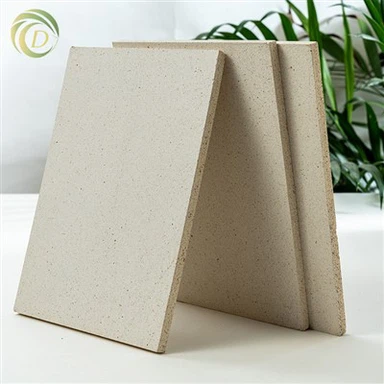
Water-Proof Magnesium Oxide Boards
Magnesia boards are used in place of traditional gypsum drywall as wall and ceiling covering material and sheathing. It is also used in other construction applications such as fascias, soffit, shaft-liner and area separation, wall sheathing, and as tile backing (backer board) or as substrates for coatings and insulated systems such as finish systems, exterior insulation finishing systems, and some types of stucco.
- Fast Delievery
- Quality Assurance
- 24/7 Customer Service
Product Introduction
Water-Proof Magnesium Oxide Boards?
Waterproof magnesium oxide board is a moisture-proof and waterproof building board made from raw materials such as magnesium oxide and magnesium chloride/magnesium sulfate, which forms a stable crystalline structure through chemical reactions, featuring high density and low water absorption, and can effectively block moisture penetration.
Advantages of Water-Proof Magnesium Oxide Boards
Easy to Install:
MGO board is lightweight and easy to handle, making it a breeze to install. Its versatility allows for cutting and shaping to fit any desired dimensions, reducing construction time and labor costs.
Waterproof:
MGO board is inherently resistant to water, making it an ideal choice for wet areas such as bathrooms, kitchens, and basements. Its non-porous surface prevents moisture absorption, reducing the risk of mold and mildew growth.
Fire Resistant:
One of the most notable advantages of MGO board is its exceptional fire resistance. It is classified as a non-combustible material and can withstand high temperatures without releasing toxic fumes, making it a safer option for construction projects.
Environmentally Friendly:
MGO board is manufactured using natural and environmentally friendly materials, making it a sustainable choice for green building initiatives. Its production process generates minimal waste and consumes less energy compared to traditional building materials.
Recycled:
MGO board is recyclable, meaning it can be reused or repurposed at the end of its lifespan. This not only reduces waste but also minimizes the environmental impact of construction projects, contributing to a more sustainable future.
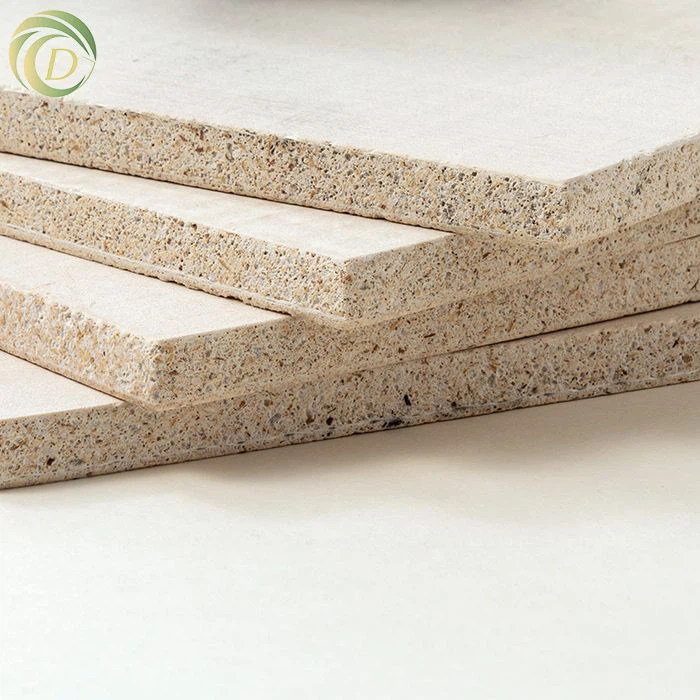
Magnesium oxide wall board is a technologically advanced building material that offers superior performance in every category when compared to traditional wood, gypsum and cement based products.
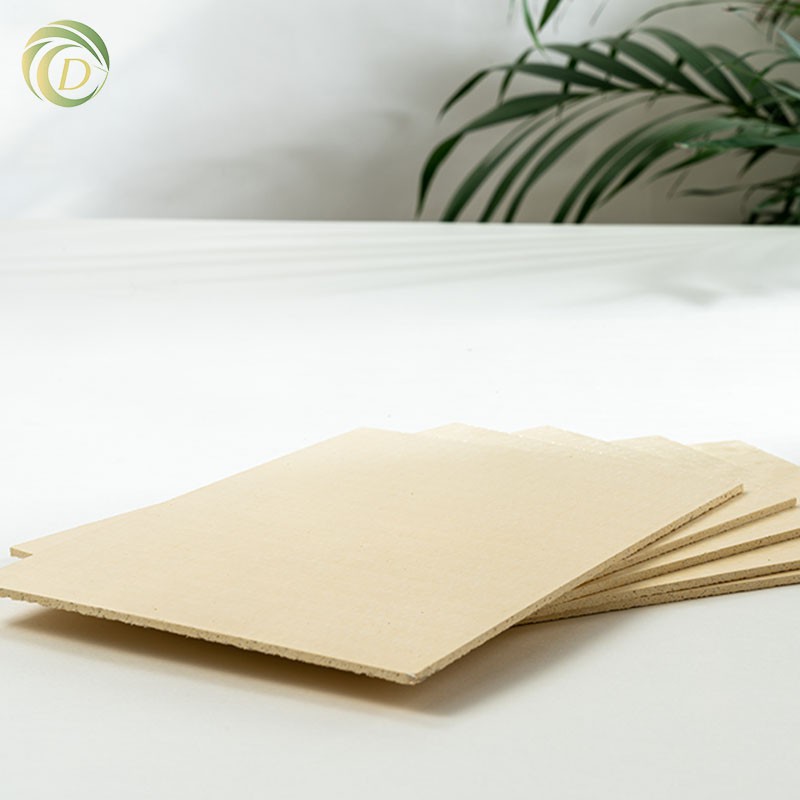
Magnesium Oxide Wall Panels are cementitious substrate products reinforced with magnesium oxide fibre matting.

Fire resistant magnesium oxide wallboard is a new type of refractory material. It is widely used primarily as a wallboard alternative to conventional gypsum-based drywall and plywood.

It is non combustible and fire rated Class A1. With options for up to a 2 hour fire resistance, MgO Board offers an innovative passive fire protection alternative for your construction projects.

MgO board has very good fire performance. It does not spread flames or smoke. It is noncombustible and fire-rated A1, which helps protect homeowners, tenants and building occupants while mitigating damage and loss.

Magnesium oxide wall board is made of magnesium oxide, magnesium sulfate or magnesium chloride, glass fiber mesh, perlite and wood fiber.
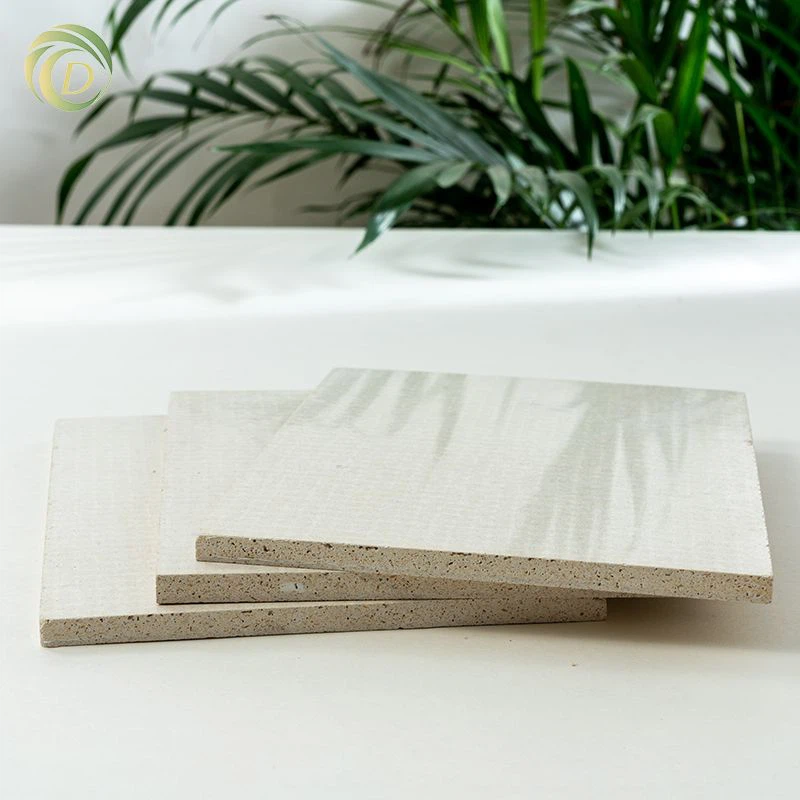
It is an upgraded product of fireboard. A properly constructed assembly with our MgO fireproof wall board can achieve a 3-hour fireproof rating.

Fire Resistant Internal Wall Board
Our Fire Resistant Internal Wall Board is a fiberglass reinforced magnesium oxide cement board. It can be used to replace traditional gypsum drywall for wall and ceiling finishes and sheathing.
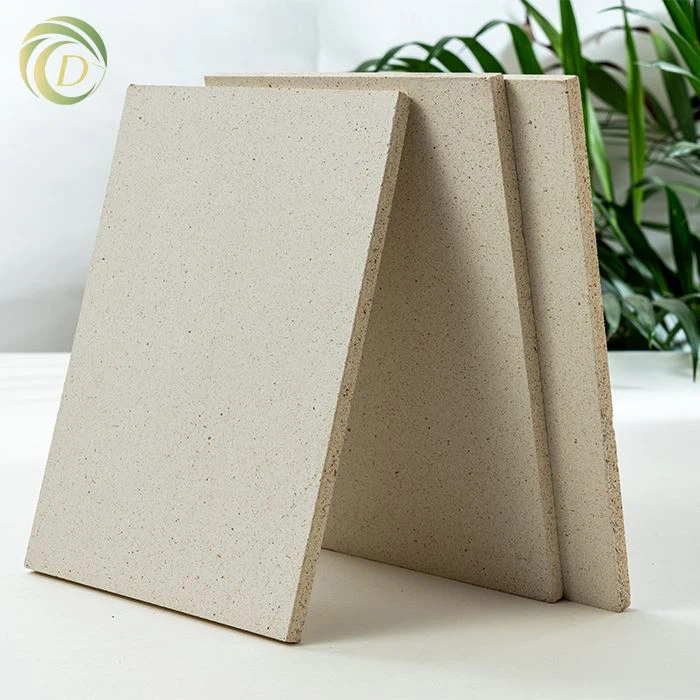
Fireproof Exterior Wall Panels
Magnesium oxide board is a new type of fire-resistant building material. The main raw materials are magnesium oxide, magnesium chloride/sulfate and perlite.
We are a trusted provider of high-performance, sustainable building materials, focused on magnesium oxide (MGO)-based solutions.
Our core product - MGO Boards - offers fire resistance, lightweight with high strength, moisture and mold resistance, and lasting durability, making it ideal for a wide range of architectural and decorative applications.
We collaborate with leading industry associations, including the China Magnesium & Materials Association (CMMA), where we serve as the Chair of the International Exchange Committee, as well as the Magnesium Oxide Building Products Association (MgOBPA) and the Magnesium Oxide Cement Association (MOCA).
Guided by our commitment to innovation and sustainability, we provide high-performance materials that support the future of green construction.
Manufacturing Process of Water-Proof Magnesium Oxide Boards
The manufacturing process of MgO boards is more complex than it seems. It usually involves several steps to ensure high-quality products. Here are the steps that are followed during its manufacturing procedure:
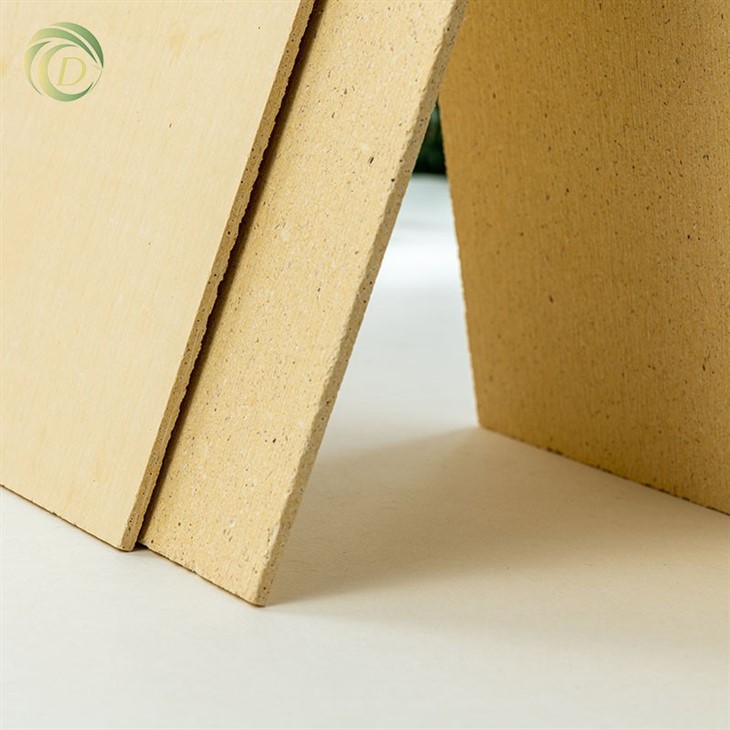

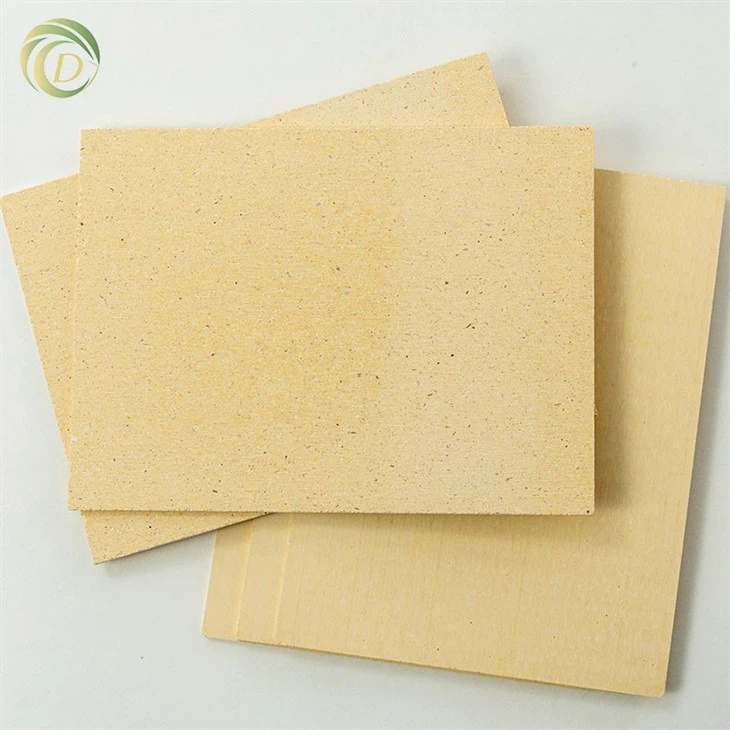
Mixing
First thing first, mix all the raw materials and additives. Add water to form a homogenous mixture or slurry.
Molding
The slurry is then poured into molds of desired shape and thickness. The molds are designed to ensure uniformity and consistency across all the boards. This molding process is very complex as it involves handling intricate materials.
Pressing
After molding, the materials in the molds are pressed to remove any water. Pressing compacts the mixture, and it is crucial for various reasons;
To achieve the desired strength and density
Make the boards more robust and durable.
Curing
After that, the pressed boards are left to cure. Depending on the manufacturing method, curing might happen in a controlled environment. However, curing can also be done at natural temperature. Allowing the chemical reactions to finish will produce a long-lasting board.
Finishing
The last step is very crucial. Once cured, the boards are sanded and trimmed to create smooth edges and surfaces. They then undergo a quality inspection before being packaged and sent. This process is critical to giving the boards a definite shape. It also helps give a refined edge and strengthen them.
What is Water-Proof Magnesium Oxide Boards Used for
1. Decoration in Indoor Humid Areas
Bathroom Spaces
They can be used as the base material for bathroom walls and shower partitions, with tiles, waterproof coatings directly applied on the surface or bathroom facilities installed. Their water immersion resistance (no delamination or deformation after 72 hours of immersion) can resist long-term water vapor erosion, avoiding the problem of mold growth in traditional gypsum boards due to moisture.
Suitable for bathroom ceilings, replacing the moisture-prone wooden keel ceiling base. When used with aluminum gussets or waterproof latex paint, they improve the overall durability.
Kitchen Areas
Used for cabinet bodies, countertop bases, and kitchen walls, they can withstand oil fumes and water vapor generated during cooking, and are not prone to cracking due to temperature changes (such as heat radiation near the stove), ensuring the stability of the cabinet structure.
2. Underground and Humid Environment Projects
Underground Garages and Basements
As the base material for walls and ceilings, they can be used directly or with simple painting. Their moisture resistance can cope with the high humidity in underground environments, preventing board deformation caused by condensation. Meanwhile, their fire resistance (non-combustible Class A) can improve the fire safety level of underground spaces.
Suitable for partitions of underground pipe wells and equipment rooms, their corrosion resistance can resist the impact of pipe condensation or slight leakage.
Swimming Pools and Water Feature Surroundings
Used for walls around swimming pools, changing room partitions, etc., they can withstand humid environments and occasional splashing for a long time. The surface can be treated with anti-slip measures or decorated with panels, balancing functionality and aesthetics.
3. Commercial and Industrial Scenarios
Catering and Medical Places
Used as the base material for walls and operation platforms in restaurant kitchens and food processing workshops, they are waterproof, moisture-proof, and easy to clean, meeting hygiene standards. In hospital bathrooms, disinfection rooms, etc., they can withstand frequent cleaning and erosion from disinfectants, and are not prone to bacterial growth.
Industrial Factories
Suitable for workshops with humidity or condensation (such as printing and dyeing, chemical industry, auxiliary areas of cold storage) as partitions and wall guards. They can resist water vapor and slight acid-alkali erosion in industrial environments, ensuring structural stability.
4. Outdoor and Special Scenarios
Semi-outdoor Areas
Used for balcony walls, canopy bases, corridor ceilings, etc., they can resist rain splashing and high outdoor humidity. With anti-corrosion coating or film covering on the surface, their service life can be extended.
Temporary Buildings and Container Renovations
As the base material for walls and floors of prefabricated houses and container houses, their waterproof properties can cope with the simple waterproof conditions of temporary buildings. Meanwhile, their lightweight feature (compared to traditional stone) facilitates transportation and installation.
5. Furniture and Custom Products
Used for cabinet bodies of furniture used in humid environments such as bathroom cabinets and laundry cabinets, replacing moisture-proof boards or solid wood to avoid cabinet expansion and cracking due to water absorption. They can also be used as custom fish tank bases, aquarium background walls, etc., which can contact water directly without damage.
How to Cut Water- Proof Magnesium Oxide Board
1. Manual Cutting (Suitable for thin boards and small-batch processing)
Utility Knife Cutting (Thickness ≤ 3mm) Operational steps:
① Use a straightedge or ruler to mark the cutting line on the board surface, and fix the edge of the board with weights to prevent sliding;
② Repeatedly score along the cutting line with a utility knife (gradually increasing force) until the blade penetrates more than 1/3 of the board thickness;
③ Hold both sides of the board with both hands, bend it in the opposite direction along the cutting line, and use the brittleness of the board to break the cut;
④ Sand the broken edge with sandpaper to ensure a smooth edge.
Advantages: Simple tools (only a utility knife and straightedge are needed), suitable for small-scale on-site modifications;
Notes: Ensure the blade is perpendicular to the board surface during scoring to avoid 歪斜 (skewed) cuts; apply uniform force when bending to prevent the board from (shattering).
Hand Saw Cutting (Thickness 3-10mm)
Suitable tools: Fine-tooth hand saw (≥18 teeth per inch, to avoid edge chipping caused by coarse teeth).
Operational steps:
① After marking the cutting line, fix the board on the edge of the workbench, leaving 5-10cm of the cutting line beyond the tabletop;
② Align the saw teeth with the starting point of the cutting line, pull the saw gently to score a shallow mark for positioning, then push and pull the saw blade at a constant speed, keeping the saw path perpendicular to the board surface;
③ Slow down when cutting to the end, and support the soon-to-be-separated part with your hand to prevent uneven breaking due to gravity.
Notes: Spray water on the cutting line during sawing to cool down and reduce dust; if the board contains a glass fiber layer, wear gloves to prevent fiber pricks.
2. Power Tool Cutting (Suitable for medium-thick boards and batch processing)
Circular Saw Cutting (Thickness 5-20mm, suitable for straight-line cutting)
Suitable tools: Electric circular saw or table saw equipped with a carbide-tipped blade (60-80 teeth, sharp edge).
Operational steps:
① Stick masking tape on the board surface to mark the cutting line, reducing surface chipping during cutting;
② Fix the board on the workbench, ensuring there is no obstruction under the cutting line, and adjust the blade depth to 2-3mm beyond the board thickness;
③ Start the circular saw, wait for the blade to reach stable speed, then push it evenly along the cutting line, keeping the blade perpendicular to the board surface and avoiding lateral shaking;
④ After cutting, lightly sand the cut with sandpaper to remove burrs.
Advantages: High efficiency, smooth cuts, suitable for batch straight-line cutting;
Notes: Wear a dust mask and goggles to avoid inhaling magnesium oxide dust; install a baffle on the table saw for positioning to ensure cutting precision.
Angle Grinder Cutting (Thickness ≥ 10mm, suitable for curved or irregular cutting)
Suitable tools: Angle grinder with a diamond cutting disc or resin grinding wheel.
Operational steps:
① Draw the irregular cutting line on the board with a marker; for complex patterns, stick a template first;
② Fix the board firmly, turn on the angle grinder, and move it slowly along the cutting line. Keep the cutting disc at a 45° angle to the board surface when starting the cut, avoiding excessive pressure to prevent chipping;
③ For curved cutting, control the feeding speed and 微调 (fine-tune) the direction of the angle grinder according to the curve to ensure a smooth cut.
Advantages: High flexibility, capable of cutting irregular shapes;
Notes: The angle grinder vibrates significantly, so hold it firmly with both hands; keep away from flammable materials during cutting to prevent sparks from igniting.
Water Jet Cutting (Suitable for high-precision, complex shape cutting, unlimited thickness)
Application scenarios: Occasions requiring extremely high cut precision (e.g., decorative shapes, joint gaps ≤ 0.5mm) or ultra-thick magnesium oxide boards (thickness > 20mm).
Principle: Cutting the board with a high-pressure water jet (mixed with carborundum), no dust, no thermal deformation, and smooth cuts requiring no secondary grinding.
Advantages: Precision up to ±0.1mm, suitable for batch processing of complex patterns;
Limitations: Requires professional equipment, high cost, suitable for factory prefabrication rather than on-site processing.
3. Cutting Precautions
Dust Protection: Cutting magnesium oxide boards generates magnesium oxide dust, which is harmful if inhaled for a long time. Wear an N95 dust mask, goggles, and gloves, and ensure ventilation on-site or use dust removal equipment.
Board Fixation: Regardless of the cutting method, the board must be firmly fixed (e.g., clamped with fixtures) to prevent sliding, which may cause skewed cuts or safety accidents.
Tool Maintenance: Saw blades or cutting discs must remain sharp; dull blades can cause edge chipping and corner breaking. It is recommended to replace blades regularly.
Special Treatment: If the cut board is to be used in a humid environment, apply special sealant or waterproof paint to the cut to prevent moisture from seeping in through the cut and causing efflorescence.
Magnesium Oxide Boards vs. Other Materials
It's safe to say that magnesium oxide boards have several advantages over other construction materials, based on the benefits previously mentioned.
Gypsum
Although both gypsum and magnesium oxide boards are eco-friendly, the former poses more harm to people because its fly ash releases toxins when cut.
Portland Cement
Portland cement lacks water-resistant and fire-suppressing capabilities. Plus, MgO leaves a smaller carbon footprint compared to cement. And although Portland cement is recognizably strong, MgO has a higher rating on impact strength even though it is considerably lighter in weight.
Plywood
MgO is undoubtedly safer than plywood as a construction material. Plywood is not flame resistant and could quickly spread fire it is not water resistant, making it susceptible to moisture that could grow mould and vulnerable to water damage.
Oriented Strand Board (OSB)
When it comes to safety, MgO ranks higher than OSB. The OSB releases formaldehyde, a dangerous toxin. It is not fire resistant nor is it resistant to moisture and termites.
Installation Method for Magnesium Oxide Board Flooring Using Joists
Preparation
- Materials and Tools
Gather the necessary materials, including MgO boards, wooden or metal joists, screws, expansion bolts, a level, moisture barrier (optional), and installation tools such as a drill, hammer, etc.
- Surface Cleaning
Before installation, ensure that the floor surface is clean and level. Remove any debris and make sure the surface is smooth. If the surface is damp, it's advisable to lay down a moisture barrier to improve the floor's resistance to moisture.
Installing The Joists
- Determine Joist Layout
Plan the joist layout based on the floor dimensions. Typically, the joist spacing should be between 40-60 cm (16-24 inches). Use a level to ensure the joists are installed evenly, which is crucial for a level floor. The choice between wooden or metal joists should be based on the environmental conditions and load requirements.
- Securing the Joists
Place the joists in their designated positions and use expansion bolts to secure them to the floor. Ensure that all joists are at the same height to avoid uneven flooring. If using wooden joists, consider applying a protective coating on the areas in contact with the floor to extend their lifespan.
- Reinforcing the Joists
Install cross-bracing between the main joists to further stabilize the structure. These cross braces should be placed perpendicular to the main joists, with spacing that matches the MgO board dimensions. This ensures that the edges of the boards are fully supported.
Laying the MgO Boards
- Cutting the Boards
Measure and cut the MgO boards to fit the floor layout and joist spacing. Ensure the edges of the boards are cut cleanly to allow for tight seams and secure installation.
- Securing the Boards
Place the cut MgO boards onto the joists and secure them with specialized screws. The screws should be spaced 20-30 cm (8-12 inches) apart, with even distribution along the edges and across the center of the boards. Make sure the screws are flush with the surface of the board to avoid any protrusions.
- Handling Expansion Gaps
Leave a small expansion gap (typically 3-5 mm) between the boards to accommodate potential expansion and contraction due to changes in temperature and humidity. Fill these gaps with sealant or caulk to prevent dust and moisture from penetrating.
Surface Finishing
- Leveling Check
Once the boards are installed, use a level to check the evenness of the floor. Adjust as necessary to ensure there are no noticeable high or low spots.
- Installing the Top Layer
Depending on your requirements, you can add a decorative top layer such as vinyl flooring, tiles, or hardwood on top of the MgO boards. This layer not only enhances the aesthetic appeal of the floor but also adds an additional protective layer, prolonging the floor's lifespan.
FAQ
Hot Tags: water-proof magnesium oxide boards, China water-proof magnesium oxide boards manufacturers, suppliers, factory, dadoed board, magnesium oxide recyclable wall board, magnesia wall board for decorative, printed board, custom board, magnesium oxide low cost wall panel