


16-20mm Fireproof Subfloor Magnesium Oxide Board
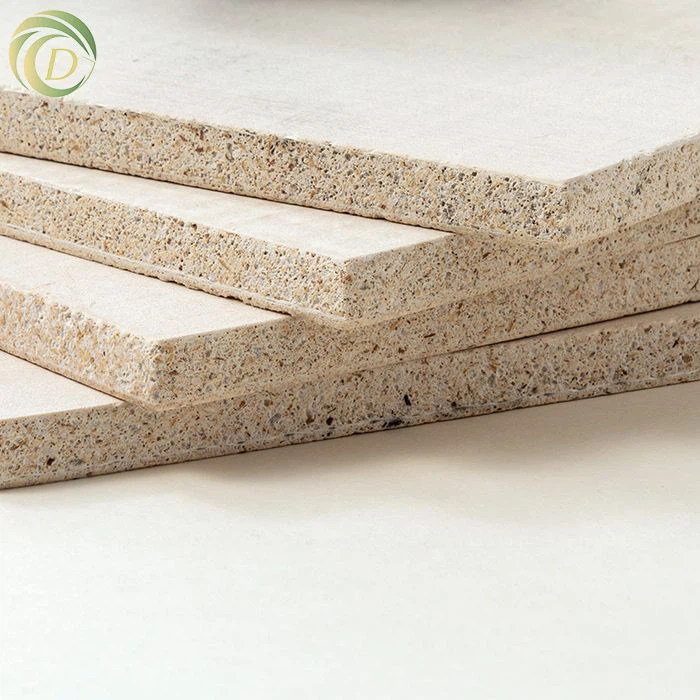
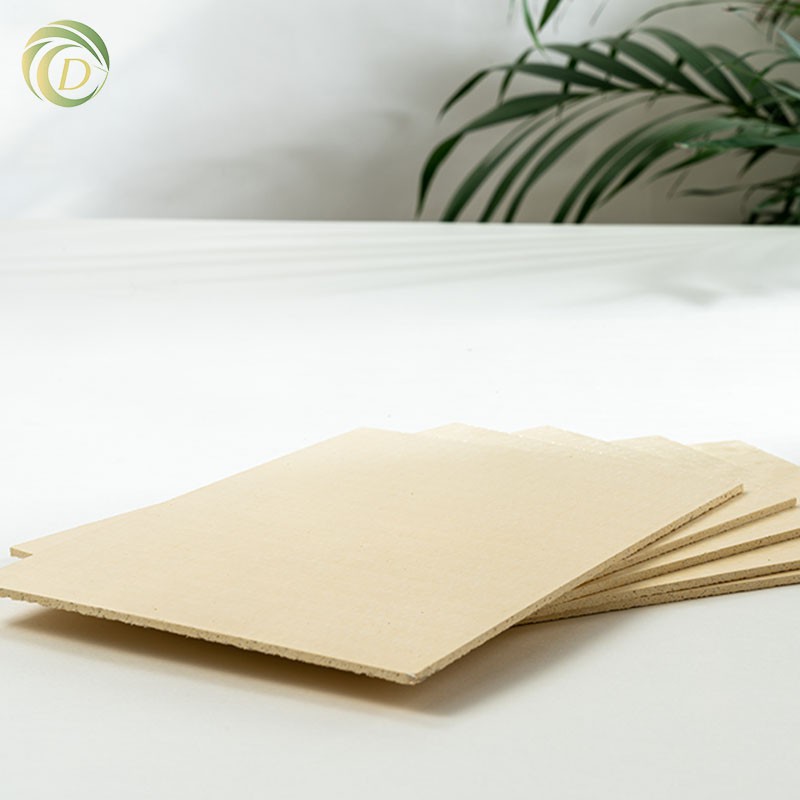
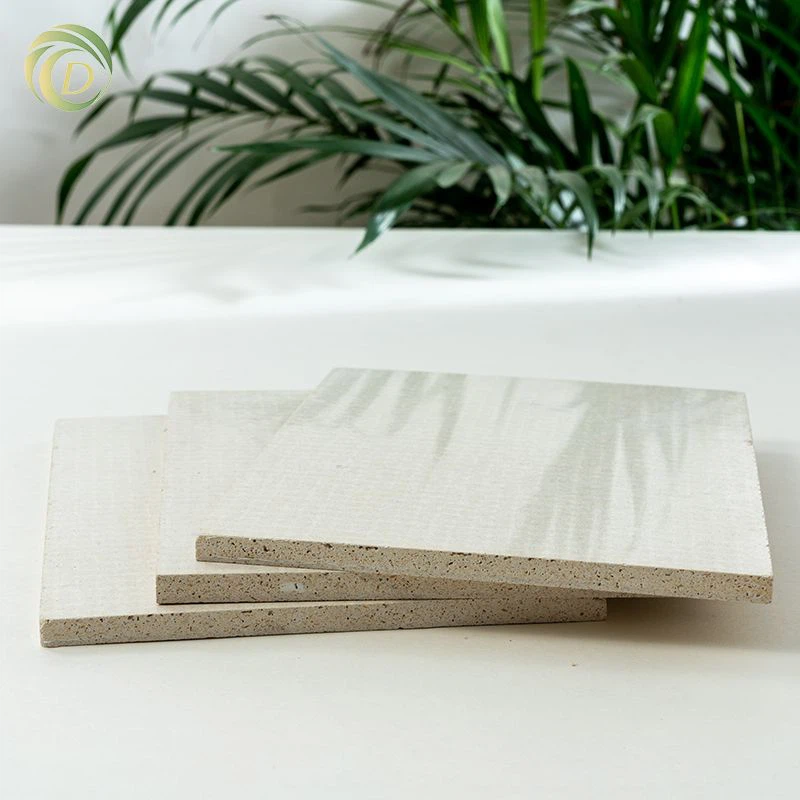
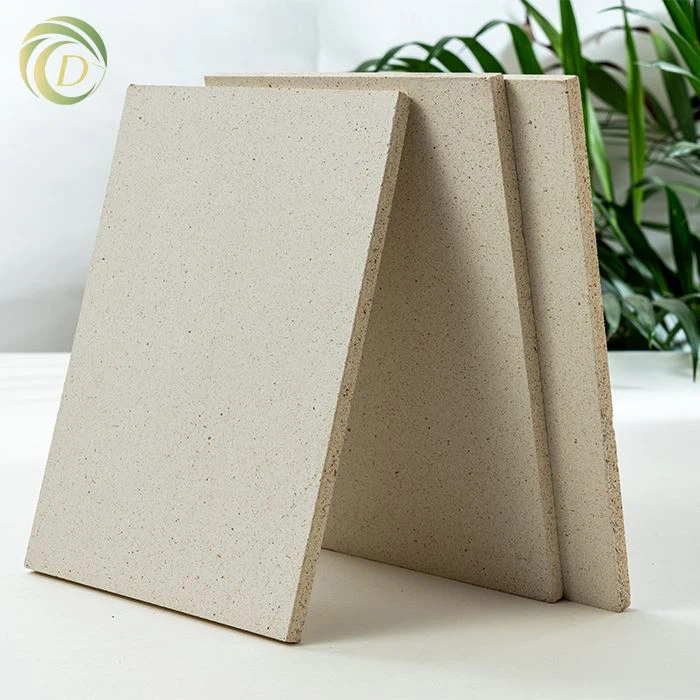
Magnesium oxide (MGO) board subfloor is a high-quality flooring base material with excellent load-bearing capacity, stability, and versatility. Its core advantages include high load-bearing strength, moisture and mold resistance, fire resistance, and environmental friendliness, making it suitable for flooring applications in residential, commercial, industrial, and other scenarios.
- Fast Delievery
- Quality Assurance
- 24/7 Customer Service
Product Introduction
16-20mm Fireproof Subfloor Magnesium Oxide Board
MGO board, or magnesium oxide board, is a modern non-flammable composite board.It's made from a mix of high-purity active magnesium oxide, magnesium chloride or magnesium sulfate, and water.We add special modifiers, strengthen it with alkali-resistant fiberglass mesh, and fill it with lightweight materials like perlite, then process it with professional techniques.
It has the light weight and flexibility of wood panels, plus the fireproof and waterproof benefits of inorganic boards.It's a high-quality, eco-friendly building material that's a great replacement for regular gypsum board and plywood.
Advantages of 16-20mm Fireproof Subfloor Magnesium Oxide Board
1 Great Load-Bearing & Impact Resistance
It's thick enough, reinforced with multiple layers of fiberglass mesh, and made with high-pressure molding. It can handle heavy loads and resist impacts from heavy objects, perfect for busy places like malls, factories, and warehouses.
2 A1-Grade Fireproof
It's an inorganic non-flammable material-won't burn, melt, or give off toxic smoke when on fire. It works well with steel joists for floor systems, meeting fire safety needs for high-rises and public places, and stops fire from spreading between floors (way better than flammable wooden subfloors).
3 Good Moisture & Mold Resistance
It uses an improved formula that fixes the efflorescence issue of old magnesium boards. It stays intact even when soaked in water, great for damp areas like basements, ground floors, and bathrooms. It won't grow mold in closed floor spaces, keeping indoor air clean.
4 High Dimensional Stability
It's cured precisely, so it doesn't warp, crack, or change shape with temperature or humidity. It keeps the surface flooring flat, avoiding problems like loose tiles or creaky floors.
5 Easy to Install & Versatile
You can saw, drill, and nail it easily, and fix it to steel or wooden joists with self-tapping screws. Its surface is flat and rough, so it bonds well with all kinds of flooring adhesives. No extra leveling needed, which speeds up construction. It also works well as a base for underfloor heating-conducts heat evenly and won't crack when heated.
6 Eco-Friendly & Durable
It has no harmful substances like asbestos, formaldehyde, or benzene, meeting strict environmental standards. It lasts much longer than wooden subfloors and gypsum fiberboards, cutting down on maintenance and replacement costs.




Component Composition
Targeted for floor application scenarios, the formula is optimized for high load-bearing capacity and dimensional stability, with the following components and their respective functions:
High-purity Magnesium Oxide (MgO): 55-57% Serves as the core cementitious material, providing high compressive strength and fire resistance; ensures stable performance under long-term static load.
Magnesium Sulfate (MgSO₄): 26-28% Forms a stable crystalline structure with MgO, eliminating the risk of efflorescence; enhances the board's moisture resistance in humid floor environments.
Multi-layer Alkali-resistant Fiberglass Mesh: 7-9% Higher content than standard MGO boards; forms a three-dimensional reinforced network to resist bending and cracking caused by floor load changes.
Quartz Sand & Perlite Composite Aggregate: 6-8% Quartz sand improves wear resistance; perlite reduces density while maintaining strength, achieving a balance between load-bearing capacity and lightweight properties.
Polymer Modifier: 2-3% Enhances the bonding performance between the board and flooring adhesives; improves impact resistance to withstand foot traffic and heavy object impacts.
Anti-mold & Anti-corrosion Additives: 0.5-1% Prevents mold growth in closed floor spaces; enhances resistance to corrosion from moisture and chemical cleaning agents.
Core Performance Parameters
The 16-20mm thickness range is customized for subfloor use, with parameters far exceeding general-purpose MGO boards:
| Performance Index | 16mm Board | 18mm Board | 20mm Board | Application Significance |
|---|---|---|---|---|
| Density | 1.1-1.2g/cm³ | 1.15-1.25g/cm³ | 1.2-1.3g/cm³ | Balances load-bearing capacity and building floor load; lighter than cement fiber subfloor boards by 40%. |
| Compressive Strength | ≥30MPa | ≥35MPa | ≥40MPa | Withstands long-term static loads from furniture, equipment, and foot traffic. |
| Flexural Strength | ≥25MPa | ≥28MPa | ≥32MPa | Resists bending deformation caused by uneven ground stress. |
| Impact Resistance | ≥30kJ/m² | ≥35kJ/m² | ≥40kJ/m² | Withstands impacts from heavy object drops without cracking. |
| Fire Rating | A1 (Non-combustible) | A1 (Non-combustible) | A1 (Non-combustible) | Prevents fire spread through floor gaps; no toxic smoke emission in case of fire. |
| Water Absorption Rate | ≤12% | ≤10% | ≤8% | Adapts to humid environments such as basement floors and bathroom floors; no swelling or deformation. |
| Dimensional Stability (Dry-Wet Deformation Rate) | ≤0.2% | ≤0.18% | ≤0.15% | Avoids floor warping and cracking caused by temperature and humidity changes. |
| Sound Insulation Performance | ≥35dB | ≥38dB | ≥40dB | Reduces impact noise transmission between floors. |
Application Scenarios
The 16-20mm MGO subfloor board is a dedicated material for floor systems, with the following core applications:
1. Residential Building Floors: Suitable for the base layer of wooden floors, laminate floors, and vinyl floors in villas, high-rise apartments, and townhouses; especially ideal for ground floors and basements with high moisture requirements.
2. Commercial Building Floors: Used in shopping malls, office buildings, hotels, and hospitals; meets the requirements of high traffic, fire safety, and easy cleaning.


Performance Comparison with Traditional Subfloor Materials
|
Performance Index |
16-20mm MGO Subfloor Board |
Cement Fiber Subfloor Board |
Plywood Subfloor |
Gypsum Fiber Subfloor Board |
|---|---|---|---|---|
|
Density |
1.1-1.3g/cm³ |
1.8-2.0g/cm³ |
0.6-0.8g/cm³ |
1.0-1.2g/cm³ |
|
Compressive Strength |
≥30MPa |
≥35MPa |
≥15MPa |
≥20MPa |
|
Fire Rating |
A1 (Non-combustible) |
A1 (Non-combustible) |
B2 (Combustible) |
B1 (Flame-retardant) |
|
Moisture Resistance |
Excellent (no deformation when soaked) |
Good (prone to cracking when dry) |
Poor (prone to mold and deformation) |
Poor (softens when wet) |
|
Dimensional Stability |
≤0.2% |
≤0.3% |
≥1.5% |
≤0.5% |
|
Sound Insulation |
≥35dB |
≥30dB |
≥25dB |
≥32dB |
|
Service Life |
30-50 years |
20-25 years |
10-15 years |
15-20 years |
|
Construction Convenience |
High (lightweight, easy to cut) |
Low (heavy, difficult to process) |
High (easy to cut, but not fireproof) |
Medium (easy to cut, poor moisture resistance) |
Core Advantage Summary:
Compared with cement fiber boards: 40% lighter, easier to construct, and better dimensional stability, avoiding cracking caused by dry shrinkage.
Compared with plywood: A1-grade fireproof, moisture-proof, mold-proof, and 2-3 times longer service life, eliminating formaldehyde pollution.
Compared with gypsum fiberboards: Better moisture resistance and impact resistance, suitable for damp and high-traffic environments.
Key Selection & Construction Tips
Thickness Selection: 16mm for residential light-load scenarios; 18mm for commercial medium-traffic scenarios; 20mm for industrial heavy-load and steel structure mezzanine scenarios.
Installation Requirements: The spacing between joists should not exceed 400mm; use anti-rust self-tapping screws for fixing, with a screw spacing of 150-200mm.
Joint Treatment: Leave a 2-3mm expansion joint between boards; fill the joint with waterproof sealant to prevent moisture penetration.
Surface Treatment: The board surface can be directly bonded to flooring materials; no additional primer is required, reducing construction costs.
Our Factory
We are a company dedicated to magnesia cement products. Our main products are Magnesium Oxide Boards (MGO Board) for construction and laminated MgO boards for furniture and renovation. Our mission is to provide the world's construction markets with environmentally friendly, high-performance and sustainable green materials.
We work with China Magnesium Materials Association (CMMA) and Magnesium Oxide Association (MOCA) in North America to raise awareness and promote the use of magnesium oxide cement products. We focus on the quality control and consistency of the MGO products. We have been actively involved in developing American Society for Testing and Materials (ASTM) standards related with MGO products.


FAQ
Q: What is the difference between 16-20mm MGO subfloor boards and standard MGO boards?
A: The 16-20mm thickness is customized for floor substrate scenarios, with higher content of multi-layer alkali-resistant fiberglass mesh (7-9%) and quartz sand-perlite composite aggregate. It has stronger compressive strength (≥30MPa for 16mm) and impact resistance (≥30kJ/m²), and better dimensional stability (dry-wet deformation rate ≤0.2%), fully meeting the load-bearing requirements of floor systems.
Q: What is the fire performance of this MGO subfloor board, and is it suitable for high-fire-risk areas?
A: It reaches Grade A1 non-combustible standard, producing no toxic smoke in fire. When matched with steel joists, the fire resistance limit can reach 2.5-3 hours. It is especially suitable for high-fire-risk areas such as high-rise buildings, data centers, power distribution rooms and shopping malls, effectively blocking vertical fire spread between floors.
Q: What application scenarios are 16-20mm MGO subfloor boards suitable for?
A: They are widely used in residential floor bases (villas, apartments), commercial building floors (hotels, hospitals), industrial workshop floors, steel structure mezzanines, and special environments such as basement floors, bathroom wet areas and underfloor heating systems. 16mm is for light-load residential use, 18mm for medium-traffic commercial use, and 20mm for heavy-load industrial scenarios.
Q: Is the 16-20mm MGO subfloor board easy to install, and what are the construction requirements?
A: It is easy to process-can be sawn, drilled and nailed, and fixed to steel or wooden joists with self-tapping screws. The surface is flat and rough, compatible with various floor adhesives, no additional leveling required, shortening the construction period by 30%. Note that the joist spacing should not exceed 400mm, and a 2-3mm expansion joint should be left between boards.
Hot Tags: 16-20mm fireproof subfloor magnesium oxide board, China 16-20mm fireproof subfloor magnesium oxide board manufacturers, suppliers, factory, anti slip flooring, balcony flooring, chevron flooring, flooring installation service, order flooring, value for money flooring


