


Waterproof Fireproof Magnesium Oxide Board For Floor
Magnesia board exterior wall cladding is a decorative and protective material used on the exterior walls of buildings, which has numerous advantages.
- Fast Delievery
- Quality Assurance
- 24/7 Customer Service
Product Introduction
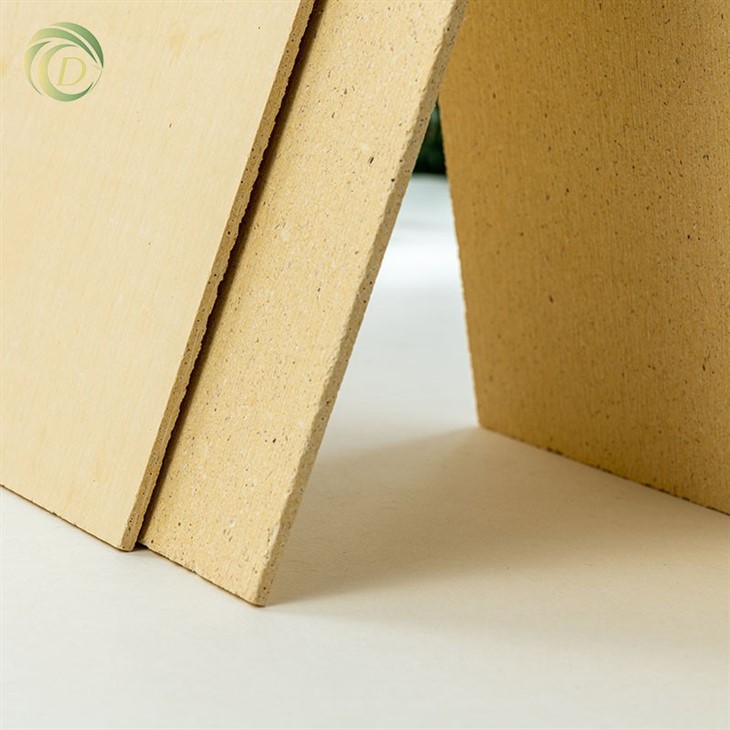
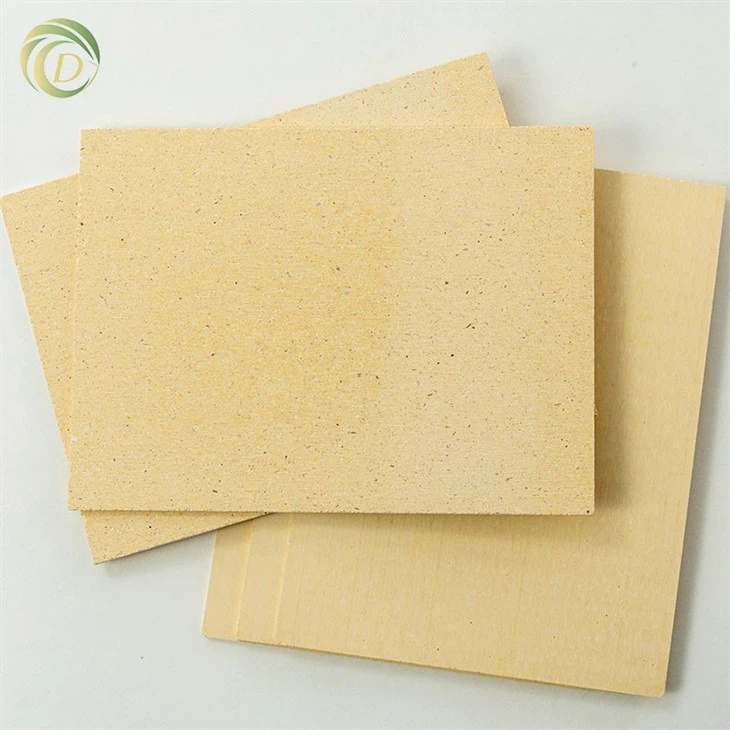
MGO Flooring (Magnesium Oxide Board) is a new type of inorganic composite flooring material made from a ternary system of magnesium oxide (MgO), magnesium chloride (MgCl₂) or magnesium sulfate (MgSO₄), and water, combined with reinforcing materials such as glass fiber mesh, wood fiber, and perlite, through physical mixing, molding, and curing.
Alternative Names: Magnesium Oxychloride Flooring, Magnesium Oxysulfate Flooring, Glass Magnesium Board
Core Advantages: Class A1 Fire Resistance, 100% Waterproof, Formaldehyde-Free, High Stability, Antibacterial & Mildew-Proof, Eco-Friendly &
Recyclable
Structural Features: Inorganic mineral base material, no glue added, density of approximately 0.85-1.2g/cm³, lightweight yet high-strength
Advantages of Waterproof Fireproof Magnesium Oxide Board Waterproof Fireproof for floor
1. Fire Resistance
Non-Combustible Rating: Meets the highest international standard of Class A1 (China GB 8624 or EU EN 13501-1 certification)
High-Temperature Stability: Does not burn at 800℃, no open flames at 1200℃, and no deformation
Fire Resistance Limit: Up to 1.5-4 hours when combined with high-quality keels, effectively preventing the spread of fire
Safety Guarantee: No toxic fumes released during fires, smoke toxicity rating reaches AQ2 level, significantly reducing suffocation risks
2. Waterproof & Moisture-Proof Performance
Water Stability: Physical property change rate <3% after 100 days of immersion; no deformation or warping after 72 hours of high-temperature boiling
Water Absorption Rate: ≤2%, much lower than traditional boards, with excellent dimensional stability in humid environments
Moisture-Proof Mechanism: The dense structure formed by the MgSO₄ formula blocks water penetration, making it particularly suitable for humid southern regions
Application Scenarios: Humid environments such as kitchens, bathrooms, basements, and ships; can be directly cleaned with wet mops
3. New Heights in Health & Environmental Friendliness
Formaldehyde-Free: Formaldehyde emission ≤0.018mg/m³, exceeding the strictest ENF environmental standard
No VOCs: Does not release volatile organic compounds, eliminating indoor pollution at the source
Safe Materials: Free of heavy metals, asbestos, and other harmful substances, safe for children, the elderly, and pregnant women
Sustainability: 100% recyclable and reusable, low energy consumption during production, in line with green building trends
4. Other Excellent Properties
| Performance Indicator | Numerical Performance | Practical Value |
|---|---|---|
| Compressive Strength | ≥20MPa | Pressure-resistant, suitable for commercial and high-traffic areas |
| Modulus of Elasticity | ≥3500MPa | Deformation-resistant, comfortable foot feel |
| Thermal Conductivity | 0.038W/mK | Excellent thermal insulation, improving underfloor heating system efficiency |
| Sound Insulation Performance | Good | Reduces noise transmission between floors |
| Insect & Termite Resistance | Natural resistance | Not eroded by termites and other pests, extending service life |
| Wear Resistance | 9000-12600 revolutions | Durable surface wear layer, suitable for long-term use |
| Temperature Resistance Range | -20℃ to 80℃ | Adapts to extreme temperature environments, ideal for underfloor heating systems |
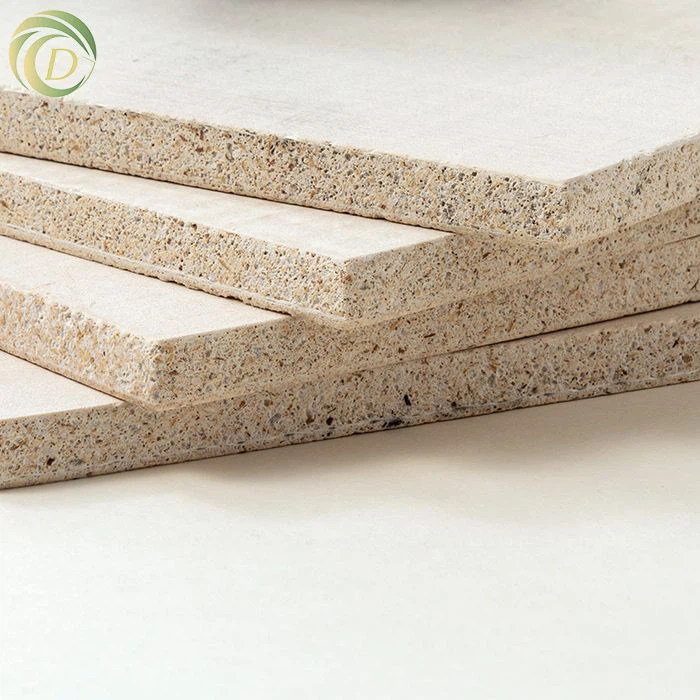
Magnesium oxide wall board is a technologically advanced building material that offers superior performance in every category when compared to traditional wood, gypsum and cement based products.
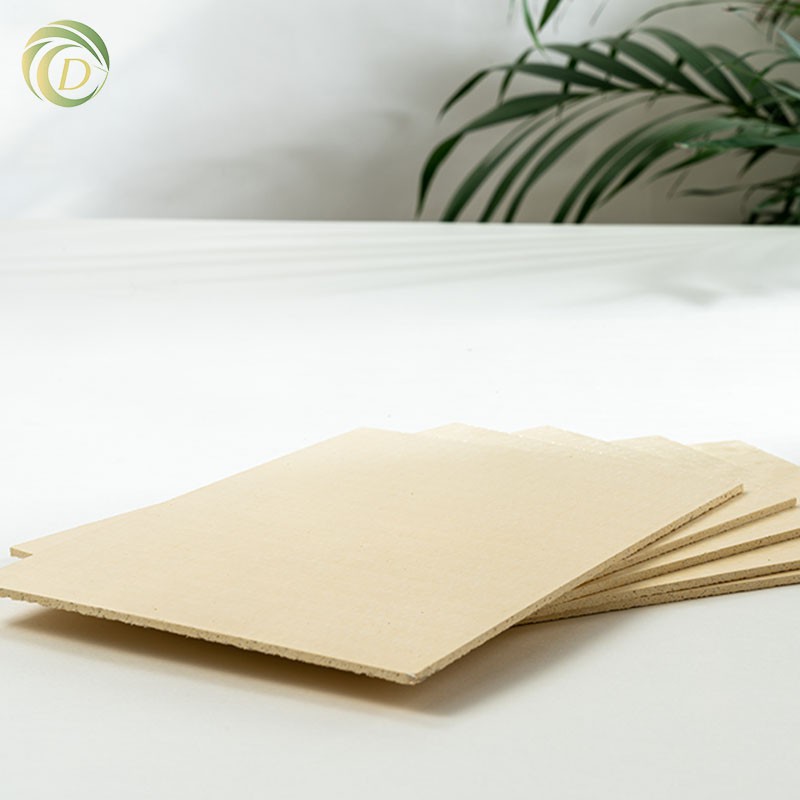
Magnesium Oxide Wall Panels are cementitious substrate products reinforced with magnesium oxide fibre matting.

Fire resistant magnesium oxide wallboard is a new type of refractory material. It is widely used primarily as a wallboard alternative to conventional gypsum-based drywall and plywood.

It is non combustible and fire rated Class A1. With options for up to a 2 hour fire resistance, MgO Board offers an innovative passive fire protection alternative for your construction projects.

MgO board has very good fire performance. It does not spread flames or smoke. It is noncombustible and fire-rated A1, which helps protect homeowners, tenants and building occupants while mitigating damage and loss.

Magnesium oxide wall board is made of magnesium oxide, magnesium sulfate or magnesium chloride, glass fiber mesh, perlite and wood fiber.
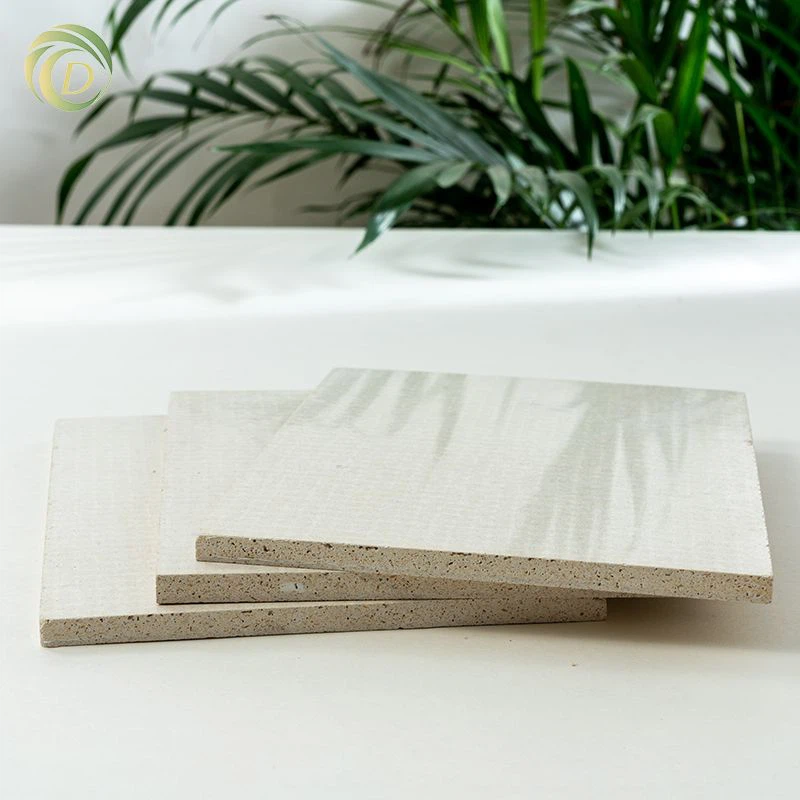
It is an upgraded product of fireboard. A properly constructed assembly with our MgO fireproof wall board can achieve a 3-hour fireproof rating.

Fire Resistant Internal Wall Board
Our Fire Resistant Internal Wall Board is a fiberglass reinforced magnesium oxide cement board. It can be used to replace traditional gypsum drywall for wall and ceiling finishes and sheathing.
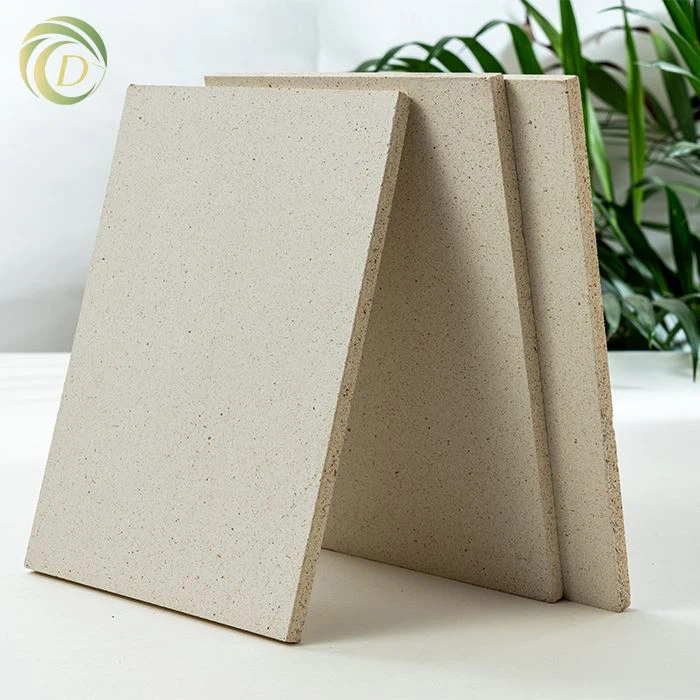
Fireproof Exterior Wall Panels
Magnesium oxide board is a new type of fire-resistant building material. The main raw materials are magnesium oxide, magnesium chloride/sulfate and perlite.
We are a company dedicated to magnesia cement products. Our main products are Magnesium Oxide Boards (MGO Board) for construction and laminated MgO boards for furniture and renovation. Our mission is to provide the world's construction markets with environmentally friendly, high-performance and sustainable green materials.
We work with China Magnesium Materials Association (CMMA) and Magnesium Oxide Association (MOCA) in North America to raise awareness and promote the use of magnesium oxide cement products. We focus on the quality control and consistency of the MGO products. We have been actively involved in developing American Society for Testing and Materials (ASTM) standards related with MGO products.
Application Scenarios of Waterproof Fireproof Magnesium Oxide Board for floor

1. Residential Applications
Kitchens & Bathrooms: Completely solves moisture and mildew problems; can be directly tiled
Basements: Moisture-proof and mildew-proof, solving the problem of traditional flooring deformation due to humidity
Underfloor Heating Rooms: Excellent thermal stability, no deformation after cyclic testing from -20℃ to 80℃, the best partner for underfloor heating
Children's Rooms: Eco-friendly and non-toxic, protecting growth
Balconies/Terraces: Waterproof and sun-resistant, adapting to outdoor environments
2. Commercial & Public Buildings
Hospitals/Nursing Homes: Antibacterial and mildew-proof, easy to clean, meeting medical-grade hygiene standards
Schools/Kindergartens: High fire safety, formaldehyde-free, protecting the health of teachers and students
Shopping Malls/Supermarkets: High wear resistance and pressure resistance, suitable for long-term use
Subway Stations/Airports: High fire rating, strong safety, suitable for crowded areas
Hotels: Waterproof and moisture-proof, reducing maintenance costs and improving guest room comfort
3. Special Environment Applications
Ships/Yachts: Moisture-resistant and corrosion-resistant, adapting to marine environments
Industrial Workshops: Oil-resistant and chemical corrosion-resistant
Mobile Homes/Containers: Lightweight and high-strength, easy to install, suitable for temporary or mobile buildings
Comparison with Traditional Flooring Materials
| Feature | MGO Flooring | Laminate Flooring | Solid Wood Flooring | SPC Flooring | Ceramic Tiles |
|---|---|---|---|---|---|
| Fire Rating | Class A1 (Non-Combustible) | Class B1 (Flame-Retardant) | Flammable | Class B1 | Class A |
| Waterproofness | 100% Impermeable | Poor (Expands when absorbing water) | Poor (Deforms and cracks) | Good | Good |
| Formaldehyde Emission | Formaldehyde-Free | Yes (Depends on E0/E1) | Trace Amounts | Low | None |
| Stability | Extremely High (Water Absorption ≤2%) | Poor (Highly affected by humidity) | Medium (Prone to deformation) | Good | Extremely High |
| Underfloor Heating Compatibility | Excellent (Low thermal conductivity) | Average (Poor thermal conductivity) | Poor (Prone to deformation) | Good | Good (But cold foot feel) |
| Service Life | 50+ Years | 10-15 Years | 20-30 Years | 15-20 Years | 30+ Years |
| Maintenance Difficulty | Low (Can be cleaned with wet mops) | Medium (Avoids water) | High (Requires regular maintenance) | Low | Low |
| Environmental Friendliness | Extremely High (Recyclable) | Medium (Contains glue) | High (Natural but consumes wood) | Medium (Contains PVC) | Medium (High energy consumption during production) |
| Applicable Scenarios | All scenarios, especially humid/high-temperature areas | Dry areas | High-end residences (dry environments) | Kitchens, bathrooms, commercial areas | Kitchens, bathrooms, public places |
| Price Range | Medium-High ($10-30/㎡) | Medium ($8-20/㎡) | High ($30+/㎡) | Medium ($10-25/㎡) | Medium-High ($15-50/㎡) |
Is the Production Process of Magnesium Oxide (MGO) Board Complex?
The production process of MGO board is not extremely complex high-end manufacturing, but it requires strict control of key links (such as raw material ratio and curing conditions). Overall, it is a medium-complexity process characterized by "standardized procedures and quality determined by details" - small and medium-sized enterprises can achieve mass production through mature equipment. However, to stably produce high-quality products with low efflorescence and high water resistance, core technical difficulties must be overcome.
Core Production Process (Simplified Version: 6 Key Steps)
1. Raw Material Pretreatment and Proportioning (Most Critical Link)
Main materials: Magnesium oxide (MgO, active content ≥65%), magnesium chloride (MgCl₂) or magnesium sulfate (MgSO₄), purified water. They must be mixed in a strict molar ratio (e.g., MgO:MgCl₂ ≈ 5:1) with an error within ±0.2 (otherwise, efflorescence and deformation are likely to occur).
Auxiliary materials: Glass fiber mesh (enhances tensile strength), wood fiber/perlite (reduces weight and improves thermal insulation), modifiers (anti-efflorescence and waterproof agents, such as silane coupling agents).
Complexity: ★★★★☆ (The ratio directly determines product stability, requiring laboratory testing and calibration; novices are prone to problems in this link).
2. Slurry Mixing
Put main and auxiliary materials into a high-speed mixer in sequence, mix for 3-8 minutes (adjust according to slurry viscosity), ensuring the slurry is uniform without lumps and the viscosity is controlled at 5000-8000 mPa·s (suitable for subsequent molding).
Complexity: ★★☆☆☆ (Highly automated equipment; no excessive manual intervention required after parameter setting).
3. Molding Process
Mainstream processes: Continuous roller pressing molding (suitable for mass production) or manual slurry spreading molding (suitable for customized specifications).
Operation: Uniformly spread the slurry on a backing (e.g., non-woven fabric), lay 1-2 layers of glass fiber mesh, press into shape with a roller press (thickness error ≤±0.3mm), and then cut into standard sizes (e.g., 1220×2440mm).
Complexity: ★★★☆☆ (Requires controlling the matching of roller pressure, speed, and slurry thickness to avoid delamination and hollowing).
4. Primary Curing and Demolding
Send the molded boards to a constant temperature and humidity curing room (temperature 20-25℃, humidity 60%-70%), cure for 24-48 hours, and demold after the board strength reaches ≥5MPa.
Complexity: ★★☆☆☆ (Environmental parameters are automatically controlled; no complex operations required).
5. Secondary Curing (Key Stability Link)
Transfer the demolded boards to a natural curing yard or curing kiln for a curing period of 7-14 days (which can be shortened to 3-5 days with high-temperature curing). The core is to allow sufficient hydration reaction between MgO and MgCl₂/MgSO₄ to form a stable 5·1·8 crystalline phase.
Complexity: ★★★★☆ (Strict control of temperature and humidity changes is required to avoid cracking caused by rapid drying; high-quality products will add a "water immersion test" to ensure waterproofness).
6. Post-treatment and Inspection
Grind the edges (to ensure dimensional accuracy), sand the surface (optional), and then conduct quality testing (water absorption rate, compressive strength, fire resistance, formaldehyde emission). Unqualified products are recycled.
Complexity: ★★☆☆☆ (Mature testing equipment and standardized processes).
Comparison of "Complex Points" and "Simplified Points"
| Dimension | Complex Points (Technical Thresholds) | Simplified Points (Difficulty Reduction) |
|---|---|---|
| Raw Material Control | Need to test MgO activity and MgCl₂ purity; ratio requires precise calculation | Premixed main materials can be purchased, and suppliers provide proportioning schemes |
| Reaction Control | Hydration reaction must avoid "over-reaction" (efflorescence) or "insufficient reaction" (low strength) | Add special modifiers to simplify reaction control |
| Equipment Investment | High initial investment in continuous molding lines (roller presses, curing kilns) | Small enterprises can adopt semi-automatic equipment with an initial investment of 1-3 million RMB |
| Quality Stability | Need to control batch differences in mass production | Introduce automated testing equipment (e.g., online thickness detector) |
Summary: Which Enterprises Are Suitable for Entry?
For enterprises only pursuing "ability to produce": The technical threshold is relatively low. Existing building materials factories (e.g., gypsum board, cement board factories) can quickly enter by transforming equipment. Core equipment (mixers, roller presses, curing rooms) is mature and easy to purchase.
For enterprises pursuing "high quality and low after-sales": The core difficulties lie in "raw material ratio optimization" and "curing process control". Professional technical personnel (e.g., material engineers) are required to adjust parameters through multiple experiments to avoid common problems such as efflorescence and deformation.
FAQ
Hot Tags: waterproof fireproof magnesium oxide board for floor, China waterproof fireproof magnesium oxide board for floor manufacturers, suppliers, factory, factory flooring, flooring brochure, flooring deal, High Impact Resistant Board, moisture proof flooring, showroom flooring


