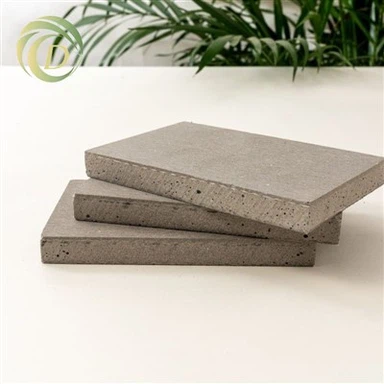
MgO Board Subfloor Sheathing
The core characteristics of MgO board subfloor sheathing can be summarized as "strong bearing capacity, moisture resistance, high fire resistance, easy construction, and long service life". Its comprehensive performance perfectly adapts to the multiple needs of base scenarios for structural stability, environmental adaptability and safety. It is an ideal choice to replace traditional base materials (such as plywood,plank sheathing and oriented cstrand boards), and performs significantly especially in buildings with humid environments, heavy loads and high fire protection levels.
- Fast Delievery
- Quality Assurance
- 24/7 Customer Service
Product Introduction
MgO Board Subfloor Sheathing
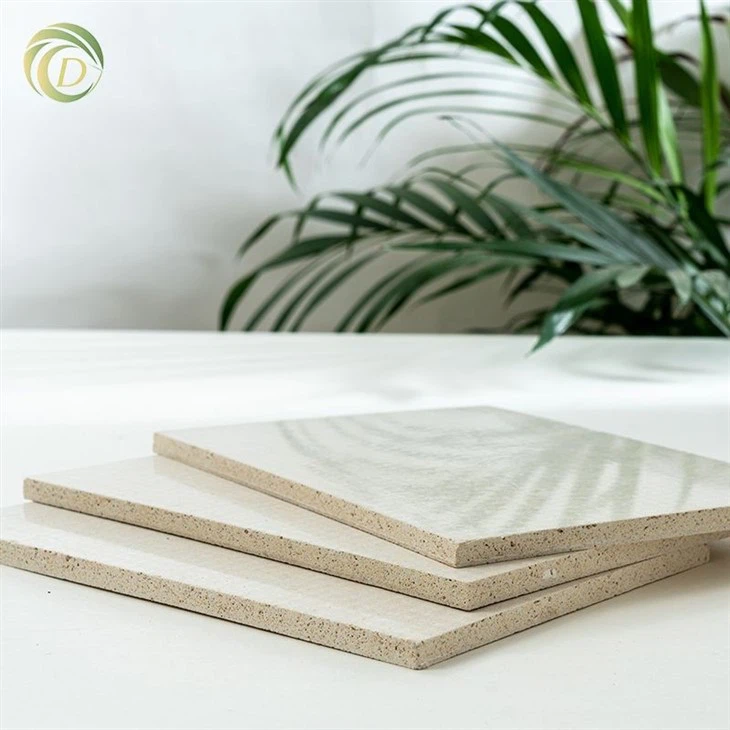
MgO board subfloor sheathing is an inorganic board made with magnesium oxide and magnesium chloride or magnesium sulfate as the cementitious core, supplemented by reinforcing materials and functional additives, used for subfloor protection and support of building bases.
Advantages of MgO Board Subfloor Sheathing
01/
Excellent Mechanical Properties and Strong Bearing Capacity
It has high strength and impact resistance - flexural strength ≥10MPa, compressive strength ≥30MPa. It can bear static loads (like furniture, equipment) and dynamic impacts (like people moving, cargo handling) without deformation or damage. The inner glass fiber cloth makes it less likely to crack, even if the foundation settles or the temperature changes.
It also has good dimensional stability, with a shrinkage rate ≤0.3%. Even in places with big temperature and humidity changes (like underground garages, damp machine rooms), it won't warp, expand or shrink, keeping flat for a long time.
02/
Moisture and Water Resistance, Adapting to Humid Environments
Its water absorption rate is 12-15%, and its strength only drops a little after absorbing water. It can block groundwater vapor or liquid, so the base won't get moldy or hollow. It's much more water-resistant than traditional wooden bases or ordinary gypsum boards, perfect for buildings with high groundwater levels.
03/
Fire Resistance and Flame Retardancy, Improving Safety Level
As an inorganic mineral material, it's a Class A non-combustible material. It won't burn or release toxic gases at high temperatures, which slows down fire spread. It's great for places with high fire protection needs, like mall basements, data rooms and distribution rooms. It can work with fireproof coatings to improve the building's overall fire safety.
04/
Environmental Protection and Harmlessness, Adapting to Healthy Scenarios
It's made of natural minerals (magnesium oxide, magnesium chloride, etc.), no toxic adhesives like formaldehyde added. It's safe to use in residences, hospitals, schools and other places with high eco-requirements.
It has no cellulose, so it resists pests like termites and cockroaches, and won't easily grow mold or bacteria. Perfect for damp underground bases, food workshops or laboratories.
05/
Convenient Construction, Adapting to Various Scenarios
Lightweight and Easy Processability
It's lightweight (density 1.15-1.25g/cm³), lighter than cement fiberboards of the same thickness, so it's easy to carry and install. You can cut, drill or nail it with ordinary woodworking tools, easy to adjust for special corners or pipeline embedding.
Its surface is flat, so it can be directly combined with cement mortar, adhesives, moisture-proof membranes, etc. It can be used as a base for floor tiles, stone, underfloor heating systems, or combined with sound insulation materials to meet different needs.
06/
Outstanding Weather Resistance and Durability
It works stably between -20℃ and 60℃. After more than 25 freeze-thaw cycles (-20℃ freezing, 20℃ melting), it won't crack obviously, suitable for outdoor bases in cold areas.
Under normal use and maintenance, its service life is over 15 years - much longer than ordinary wooden bases. It reduces later renovation costs, perfect for public buildings that need high durability.
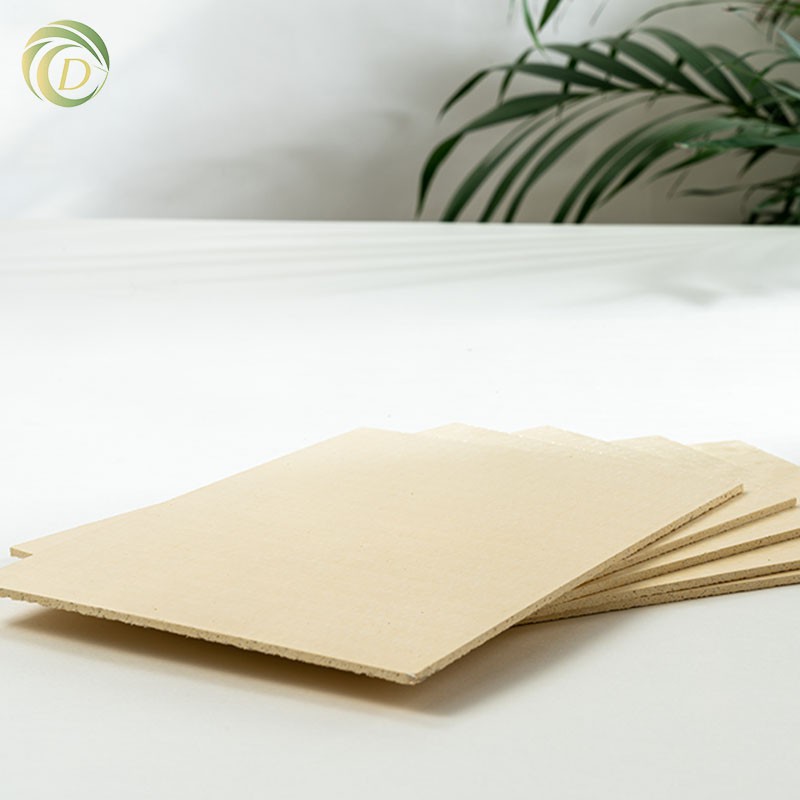


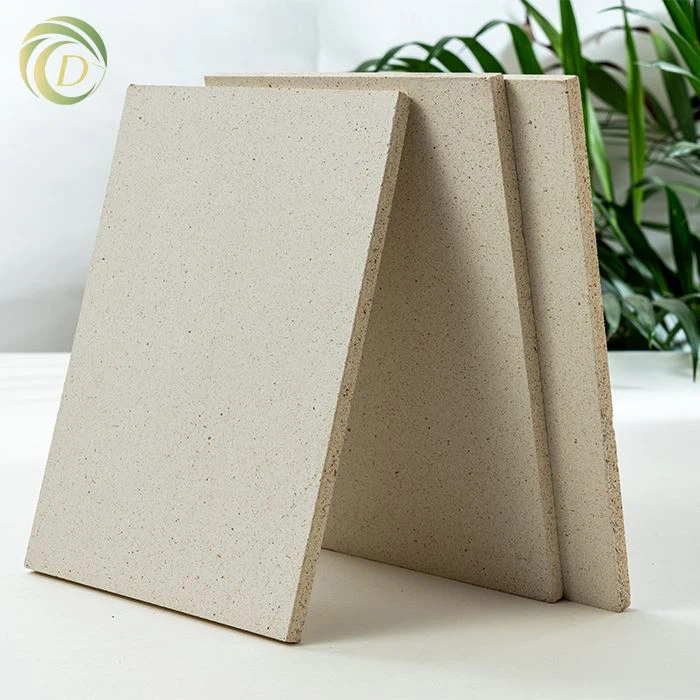
What Are The Main Materials Used In MgO Board Subfloor Sheathing
1. Base Materials
Magnesium Oxide (MgO) – The primary inorganic component, providing fire resistance (A1-rated) and structural strength.
Magnesium Salt Binder – Magnesium chloride (MgCl₂) or magnesium sulfate (MgSO₄), which reacts with MgO to form a binding matrix.
2. Reinforcement & Modifiers
Fiberglass Mesh – Enhances tensile strength and prevents cracking.
Plant Fibers (e.g., wood or bamboo fibers) – Improve workability and environmental performance.
Lightweight Fillers (e.g., perlite or fly ash) – Adjust density and thermal insulation properties.
3. Functional Additives
Water Repellent (e.g., silane coupling agent) – Improves moisture resistance.
Anti-Halogenation Agent (e.g., phosphate) – Prevents efflorescence and spalling.
How Does MgO Board Subfloor Sheathing Differ From Regular sheathing Boards
Fireproof wall board, also known as fire-resistant gypsum board, is specifically designed to provide increased resistance to fire compared to regular wall boards. Here are a few key differences:
1
Material and Structural Differences
MgO Board Protection Panel:
Made of magnesium oxide and magnesium salts (magnesium chloride/magnesium sulfate) as the base material, reinforced with fiberglass mesh or wood fibers to form an inorganic fire-resistant structure.
Ordinary Protection Panel:
Typically consists of plastic (e.g., OEM fiberboard) or metal (e.g., manganese steel, standard aluminum), which are prone to aging (organic materials) or excessive weight (metal).
2
Core Performance Comparison
|
Property |
MgO Board Protection Panel |
Ordinary Protection Panel |
|
Fire Resistance |
A1 non-combustible, withstands high temperatures (≥1200℃) |
Plastic panels flammable (Class B), metal panels conduct heat rapidly |
|
Moisture Resistance |
Low water absorption (≤8%), resists salt and alkali corrosion |
Plastic panels deform when wet, metal panels rust easily |
|
Impact Resistance |
2.5mm thickness resists impacts from 30cm deep potholes |
Plastic panels crack easily, manganese steel is heavy and brittle |
|
Weight |
65% lighter than manganese steel |
Manganese steel adds significant weight, affecting suspension |
|
Environmental Impact |
Zero formaldehyde emissions, recyclable |
Plastics contain additives, metals require rust-proofing |
3
Application Differences
MgO Board Protection Panel:
Ideal for new energy vehicle battery pack protection (anti-scratch, anti-rust, anti-corrosion).
Suitable for harsh environments (coastal areas, winter road salt exposure).
Ordinary Protection Panel:
Best for low-cost temporary protection (urban short-distance use).
Preferred for aesthetic purposes (metal panels appear more premium).
4
Installation and Maintenance
MgO Board Protection Panel: Requires custom mold installation; avoid metal contact to prevent rust; low maintenance cost.
Ordinary Protection Panel: Plastic panels are easy to install but prone to damage; metal panels require regular rust checks, increasing maintenance frequency.
How is the fire resistance of MgO board Subfloor sheathing?
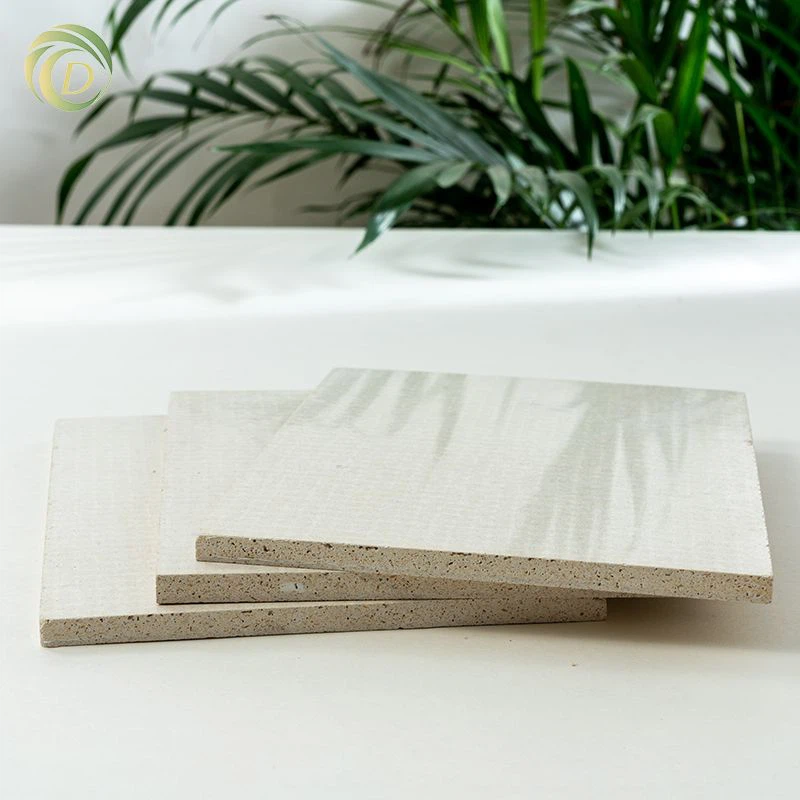


Its fire resistance is excellent, as it is a Class A non-combustible material. Composed mainly of inorganic minerals such as magnesium oxide and magnesium chloride, it contains no flammable organic components. It does not burn at high temperatures, nor does it release toxic gases, only undergoing physical softening. This effectively delays the spread of fire, providing reliable passive fire protection for building base areas, and is particularly suitable for scenarios with strict fire protection requirements such as shopping mall basements, data centers, and distribution rooms.
Is MgO board Subfloor sheathing Compatible With Different Types Of Finishes
Yes, MgO board subfloor sheathing is highly compatible with various types of finishes, thanks to its flat surface, stable physical properties, and good bonding ability. It can effectively adapt to common decorative materials used in floor and base scenarios, including:
Ceramic tiles and stone materials: Its smooth surface provides a solid base for tile adhesives, ensuring firm bonding without hollowing.
Flooring materials (wooden floors, laminate floors, vinyl floors): It can be directly used as a substrate after simple treatment (such as sanding), and works well with underlayment pads for moisture and sound insulation.
Epoxy and cement-based coatings: The board's low water absorption and surface compactness allow coatings to form a uniform, durable film without peeling.
Cement mortar and screed layers: It has good compatibility with cement-based materials, enabling stable combination to enhance the overall strength of the base.
Our Factory
We are a company dedicated to magnesia cement products. Our main products are Magnesium Oxide Boards(MGO Board) for construction and laminated MgO boards for furniture and renovation. Our mission is to provide the world's construction markets with environmentally friendly, high-performance and sustainable green materials.

FAQ
Q: What are the core components of MgO board base sheathing?
A: It uses magnesium oxide and magnesium chloride as the cementitious core, reinforced with glass fiber cloth, supplemented by aggregates such as quartz sand, and functional additives (e.g., anti-efflorescence and waterproofing agents). It is an inorganic mineral-based board.
Q: Does its fire resistance meet building safety standards?
A: It is a Class A non-combustible material. It does not burn or release toxic gases at high temperatures, fully meeting fire safety regulations for various building bases (such as basements and machine rooms).
Q: Will it get damp and deform in humid environments (e.g., bathrooms, underground garages)?
A: With a water absorption rate ≤15%, it has excellent moisture resistance. It is not prone to swelling or rotting in humid environments, can effectively resist groundwater vapor penetration, and is suitable for high-humidity scenarios.
Q: Can it bear loads above the floor (e.g., furniture, equipment)?
A: With a flexural strength of ≥10MPa and compressive strength of ≥30MPa, it has strong load-bearing capacity and can withstand long-term loads from daily personnel activities, furniture, and small-to-medium-sized equipment.
Q: How compatible is it with finishing materials like tiles and wooden floors?
A: Its surface is flat and has good adhesion. It can directly work with tile adhesives, floor glues, etc., and is highly compatible with finishing materials such as ceramic tiles, wooden floors, and epoxy floors, with little risk of hollowing or peeling.
Q: Does it require frequent maintenance after installation?
A: It has strong weather resistance and requires no frequent maintenance under normal use. If the surface is worn, it can continue to be used after simple repairs, with low maintenance costs.
Q: Does it contain harmful substances like formaldehyde, making it suitable for sensitive scenarios such as residences?
A: Made from natural minerals, it contains no formaldehyde or radioactive substances. Its formaldehyde emission is far below national standards, making it safe for use in residences, hospitals, schools, and other scenarios.
Q: What advantages does it have over traditional base materials (e.g., wood boards, cement boards)?
A: It combines properties such as fire resistance, moisture resistance, high strength, and light weight. It is also resistant to insect infestation and has a long service life (over 15 years). Its overall performance is superior to decay-prone wood boards and heavy ordinary cement boards.
Hot Tags: mgo board subfloor sheathing, China mgo board subfloor sheathing manufacturers, suppliers, factory, gym flooring, square edge flooring, heat resistant flooring, gravel flooring, rustic flooring, vinyl flooring